An Explainer: What Is a Usb Vs. Xlr Microphone?
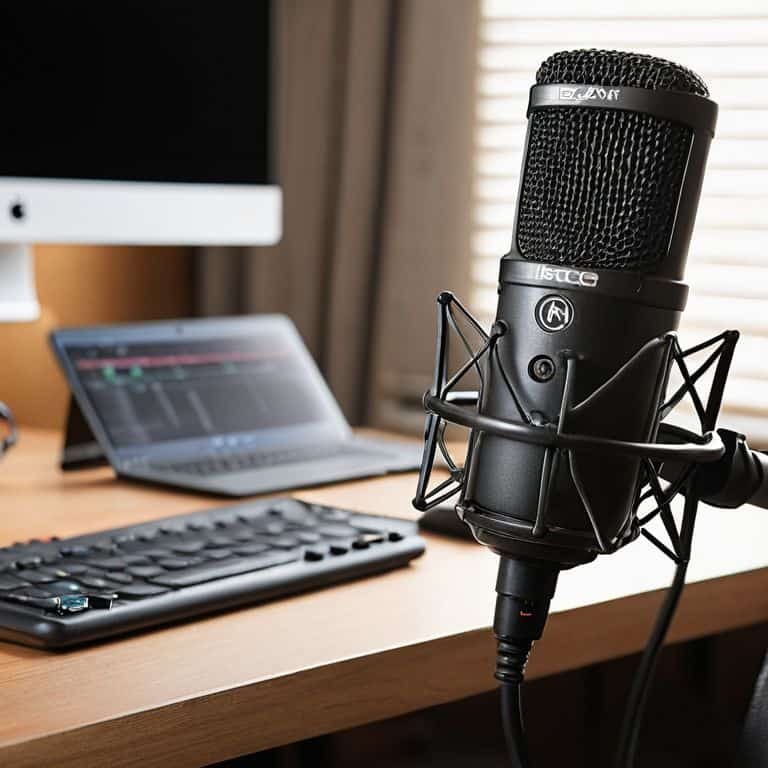
As I sat in my home studio, surrounded by the gentle hum of vintage audio equipment, I couldn’t help but think about the age-old question that has plagued many a musician and podcaster: what is a usb vs xlr microphone? It’s a decision that can make or break the quality of your recordings, and yet, it’s often shrouded in confusion and misinformation. I’ve seen friends and colleagues struggle to make sense of the differences between these two types of microphones, and I’ve been there myself – spending hours poring over spec sheets and reviews, trying to make an informed decision.
But today, I want to cut through the noise and offer you a no-nonsense guide to understanding the nuances of USB and XLR microphones. I’ve lived with both, tested them in real-world scenarios, and I’m here to share my honest, experience-based advice with you. My goal is to provide you with a clear understanding of the strengths and weaknesses of each type, so you can make a decision that’s right for your specific needs. I’ll take you through my personal journey of discovery, highlighting the key differences between USB and XLR microphones, and helping you navigate the often-confusing world of audio equipment.
Table of Contents
USB Microphone
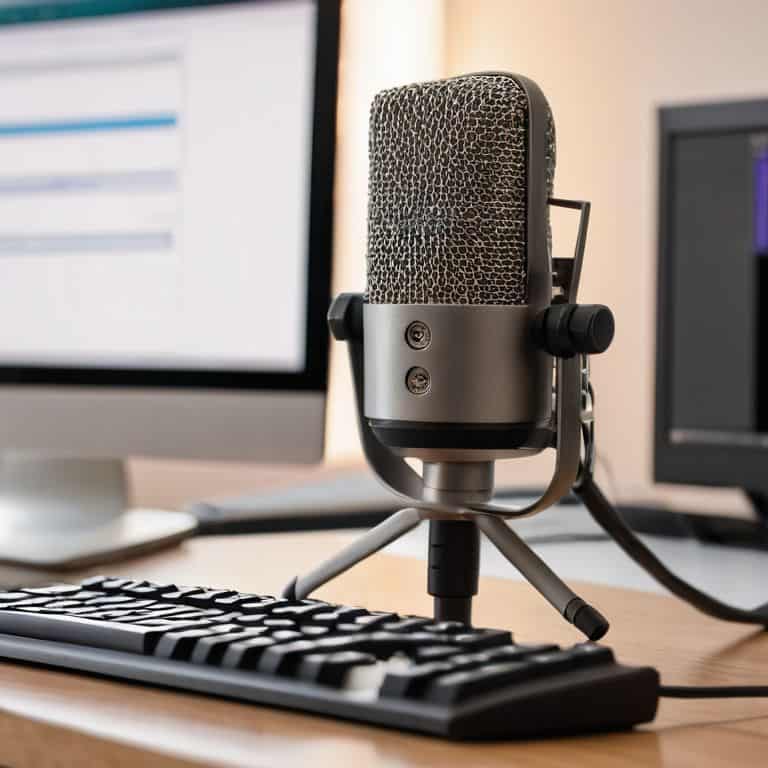
A USB microphone is a type of microphone that connects directly to a computer via a USB port, allowing for easy recording and playback of audio signals. Its core mechanism involves a built-in analog-to-digital converter that translates sound waves into digital data, making it a convenient option for podcasters, voiceover artists, and musicians who want to record high-quality audio without the need for external equipment. The main selling point of USB microphones is their plug-and-play capability, which eliminates the need for complex setups or additional hardware.
As someone who’s spent years restoring vintage audio equipment, I can appreciate the elegant simplicity of USB microphones. They’ve become an essential tool for my documentary photography projects, where I need to capture high-quality audio in the field. I’ve used them to record voiceovers, interviews, and even live performances, and I’m always impressed by their ability to deliver crystal-clear sound with minimal fuss. Whether you’re a seasoned pro or just starting out, a good USB microphone can be a game-changer for your creative projects.
XLR Microphone
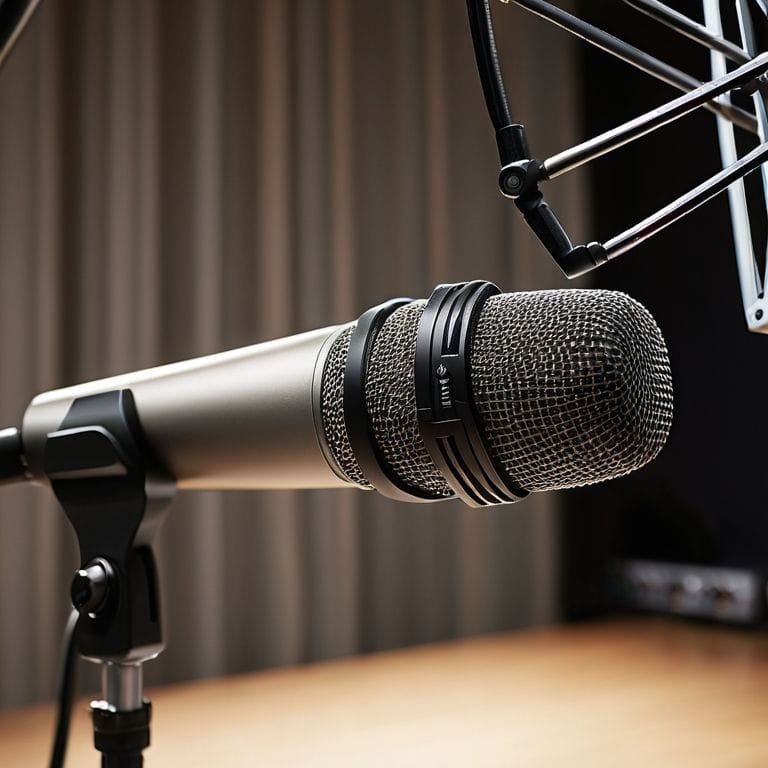
An XLR microphone is a type of microphone that uses a balanced XLR connector to transmit audio signals to a mixer, interface, or other professional audio equipment. Its core mechanism involves a balanced signal that reduces noise and interference, making it a popular choice among audio engineers and professionals who demand high-fidelity sound. The main selling point of XLR microphones is their ability to deliver exceptional sound quality, with a wide range of tonal options and a high degree of sensitivity.
As a long-form non-fiction reader, I appreciate the nuances of sound that XLR microphones can capture. I’ve used them to record interviews with authors and experts, and I’m always impressed by their ability to convey the subtleties of the human voice. Whether you’re recording a podcast, a live performance, or a voiceover, an XLR microphone can help you achieve a rich, immersive sound that draws your audience in. With their timeless charm and exceptional sound quality, it’s no wonder that XLR microphones remain a staple of the audio industry.
Head-to-Head Comparison: USB vs XLR Microphones
| Feature | USB Microphone | XLR Microphone |
|---|---|---|
| Price | $50-$200 | $100-$500 |
| Key Feature | Plug-and-play, easy to use | Higher quality, professional-grade |
| Best For | Podcasting, voiceovers, beginners | Professional recording, live performances |
| Connectivity | Direct to computer via USB | Requires audio interface or mixer |
| Sound Quality | Good, dependent on model | Excellent, less noise interference |
| Compatibility | PC, Mac, select devices | Wide range of devices with appropriate interface |
| Portability | Highly portable, compact | Less portable, depends on additional equipment |
What Is a Usb vs Xlr Microphone
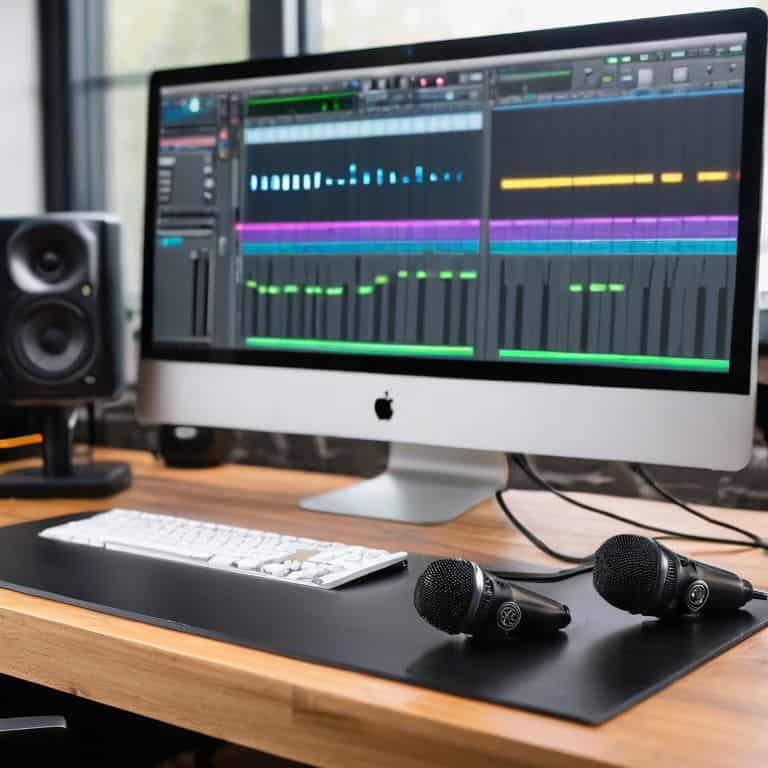
As I delved into the world of microphones, I realized that understanding the difference between USB and XLR microphones is crucial for making informed decisions. This criterion is critical because it directly affects the _sound quality_ and _recording experience_.
In a head-to-head analysis, USB microphones offer _plug-and-play_ convenience, making them ideal for beginners or those who want a straightforward recording experience. On the other hand, XLR microphones provide a wider range of tonal options and are often preferred by professionals who require more control over their sound.
When comparing the two, it becomes clear that XLR microphones have a slight edge in terms of _audio fidelity_. However, USB microphones are more _user-friendly_ and convenient. In conclusion, for those who prioritize high-quality sound, XLR microphones are the better choice in the USB vs XLR microphone debate.
Key Takeaways: USB vs XLR Microphones
Choosing between a USB and XLR microphone significantly impacts recording quality, with XLR microphones generally offering higher fidelity and better noise rejection, but requiring an external audio interface or mixer
The convenience and plug-and-play nature of USB microphones make them ideal for beginners, podcasters, and those recording in a home studio, while XLR microphones are better suited for professional recording environments or live performances
Ultimately, the decision between a USB and XLR microphone depends on your specific recording needs, budget, and the type of equipment you already have, with both options capable of delivering high-quality results when used appropriately
The Heart of the Matter
The choice between a USB and XLR microphone is not just about technical specs, but about the kind of creative life you want to lead – one that values effortless convenience or one that cherishes the richness of a timeless sound.
Timothy Berg
The Final Verdict: Which Should You Choose?
After delving into the world of USB and XLR microphones, it’s clear that each has its own unique strengths and weaknesses. The key to choosing between them lies in understanding your specific needs and recording environment. For instance, if you’re a podcaster or voiceover artist working from home, a USB microphone might be the more convenient and user-friendly option. On the other hand, if you’re an audio engineer or musician looking for more control over your sound, an XLR microphone could be the better choice.
Ultimately, the overall winner depends on the type of user. For beginners or those seeking simplicity, a USB microphone is the way to go. However, for professionals or those who require high-fidelity sound and more advanced features, an XLR microphone is the superior option. As someone who’s lived with both, I can confidently say that understanding your recording goals and matching them with the right type of microphone will make all the difference in the quality of your recordings.
Frequently Asked Questions
What are the key differences in sound quality between USB and XLR microphones?
When it comes to sound quality, I’ve found that XLR microphones generally offer a richer, warmer tone with better dynamic range, while USB microphones tend to be brighter and more prone to distortion. However, high-end USB mics can close this gap, making the difference largely dependent on the specific model and your recording setup.
How do I decide which type of microphone is best for my specific recording needs?
To decide, consider your recording environment and goals. Ask yourself: will you be recording at home, in a studio, or on-the-go? Do you need simplicity and plug-and-play ease, or are you looking for a more traditional, high-fidelity sound? Your answers will help guide you towards either the convenience of a USB microphone or the versatility of an XLR.
Are XLR microphones worth the extra cost and setup complexity compared to USB microphones?
For me, the extra cost and complexity of XLR microphones are justified by their superior sound quality and flexibility. I’ve found that the warmth and depth they bring to recordings make them worth the investment, especially for professionals or serious enthusiasts.