A Guide on How to Critique Your Own Photography to Get Better
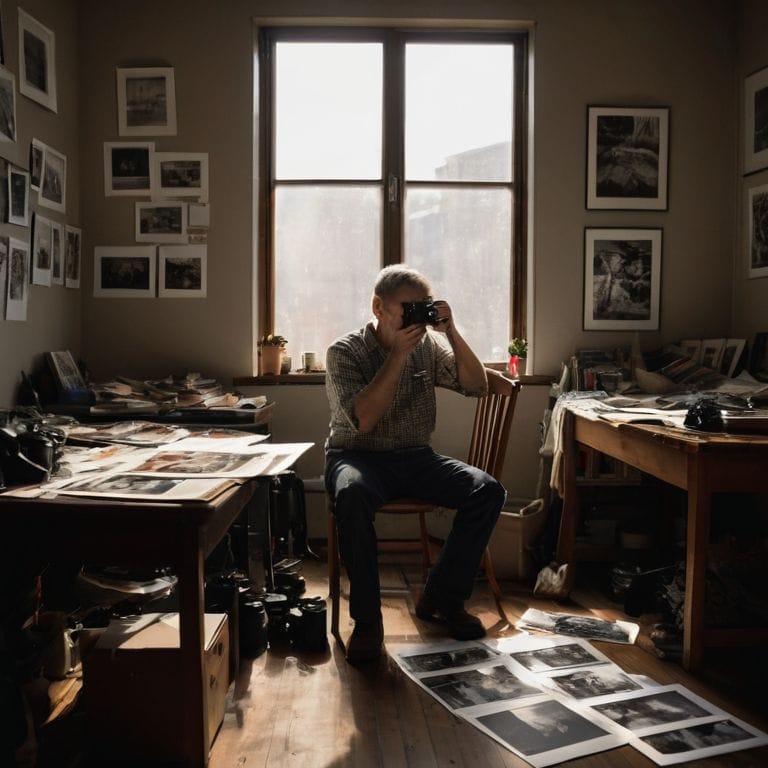
I still remember the first time I had to critique my own photography – it was like trying to be my own worst critic. I had just returned from a two-year journey, capturing the stories of people from different walks of life, and I was eager to share them with the world. But as I sat down to review my work, I realized that learning to see my own photographs objectively was a daunting task. It’s a challenge many of us face – we get so caught up in the process of taking the picture that we forget to evaluate it honestly. That’s why I want to share with you how to critique your own photography, and uncover the hidden stories in your own lens.
As you read this article, I promise to guide you through the process of honest self-critique, and share practical advice on how to critique your own photography. We’ll dive into the importance of emotional connection in a photograph, and how to identify areas for improvement without being too hard on yourself. My goal is to help you develop a keen eye for storytelling, and to show you that mastering the art of self-critique is the key to unlocking your unique visual voice. By the end of this article, you’ll be equipped with the tools and confidence to review your own work, and take your photography to the next level.
Table of Contents
Guide Overview: What You'll Need
Total Time: 1 hour 15 minutes
Estimated Cost: free – $0
Difficulty Level: Intermediate
Tools Required
- Computer (with internet connection)
- Photo Editing Software (free or paid versions)
- Notebook (for taking notes)
- Pen (for writing notes)
Supplies & Materials
- Printed Copies of Your Photos (optional)
- Measuring Tape not necessary, but can be used to measure a standard 8 inches x 10 inches print
- Ruler can be used to measure your photo in inches
Step-by-Step Instructions
- 1. First, let’s get real – critiquing your own photos can be tough, but trust me, it’s the best way to uncover your unique voice and start telling the stories that truly matter. To begin, take a break from your photos for a few days, or even a week, to clear your mind and come back to them with fresh eyes. This will help you see your work from a different perspective and make the critique process more effective.
- 2. Next, gather your tools, which in this case, are your photos, a computer or tablet, and a note-taking device. I like to use a physical notebook to jot down my thoughts and observations, as it helps me connect with my work on a deeper level. Start by uploading your photos to a platform like Lightroom or Photoshop, where you can easily view and organize them.
- 3. Now, create a new collection or folder, and add a subset of your photos to it – maybe 10-20 images that you feel represent your best work. This will help you focus on a specific set of photos and make the critique process less overwhelming. As you add each photo, take a moment to recall the story behind it – what inspired you to take the shot, what you were feeling in that moment, and what you hoped to capture.
- 4. With your collection in place, start by evaluating the technical aspects of each photo – things like exposure, composition, and focus. Ask yourself if the image is properly exposed, if the composition is balanced, and if the subject is in sharp focus. Make notes on what’s working and what’s not, and be honest with yourself – it’s okay if your photos aren’t perfect.
- 5. Next, move on to the creative aspects of each photo – the story, the emotion, the mood. Ask yourself what feeling or message you were trying to convey with the image, and if you think you succeeded. Consider the quality of light in the photo – is it harsh, soft, warm, or cool? How does the light affect the mood of the image, and is it consistent with the story you’re trying to tell?
- 6. As you continue to critique your photos, look for patterns and themes that emerge – do you tend to shoot in a certain style, or do you have a favorite subject or location? Identifying these patterns can help you understand your unique voice and style, and give you insight into what makes your photos tick. Make notes on what you discover, and think about how you can use this knowledge to inform your future shoots.
- 7. Finally, take action on your findings – use what you’ve learned from critiquing your photos to make adjustments to your technique, your style, and your approach. Experiment with new ideas and techniques, and don’t be afraid to try new things – it’s all part of the learning process. Remember, critiquing your own photography is an ongoing process, and it’s okay if it takes time to develop your unique voice and style.
Critiquing Your Lens

As I sit in my darkroom, surrounded by the smell of developer and the soft glow of the safelight, I’m reminded that understanding composition in photography is a crucial aspect of critiquing our own work. It’s easy to get caught up in the technical aspects of photography, but at the end of the day, it’s the way we frame our shots that tells the story. I think back to my early days as a photographer, when I was obsessed with photography lighting techniques for beginners, and how it took me a while to realize that sometimes, the best light is the one that’s available.
When it comes to critiquing our own photography, it’s essential to have a keen eye for detail. This is where self editing photography tips come into play. By taking the time to review our work, we can start to identify common photography mistakes to avoid, such as poor composition or inadequate lighting. It’s not about being overly critical, but rather about being honest with ourselves and our craft.
Through consistent practice and dedication, we can refine our skills and develop our unique voice. Improving photography skills through practice is a lifelong journey, and one that requires patience, persistence, and a willingness to learn. By using a photography critique checklist, we can ensure that we’re covering all our bases and continually pushing ourselves to grow as artists.
Avoiding Common Photography Mistakes
As I reflect on my own journey, I’ve come to realize that it’s the mistakes that often teach us the most. I’ve lost count of how many times I’ve accidentally shot in auto mode, or forgotten to check my exposure compensation. But it’s in those moments that we’re forced to adapt and learn. When critiquing your lens, pay attention to the technical aspects of your photos – are your shots consistently over or underexposed? Are your subjects often out of focus? Identifying these patterns can help you pinpoint areas for improvement.
By acknowledging and learning from these mistakes, you’ll start to develop a keen eye for detail and a deeper understanding of your camera’s capabilities. I still remember the first time I shot a entire roll of film with the wrong ISO setting – it was a frustrating experience, but it taught me to double-check my settings before every shot.
Understanding Composition Secrets
When I review my own photos, I’m not just looking at the subject – I’m examining the space around it. Composition is all about balance and tension. I ask myself, is the negative space working for or against the image? Are the lines and shapes guiding the viewer’s eye where I want it to go? For me, it’s about creating a visual flow that enhances the story. I recall a shot I took during golden hour, where the soft light and gentle shadows completely transformed the composition, drawing the viewer’s attention to the subject in a way that felt almost magical.
By paying attention to these compositional elements, you’ll start to develop a keen eye for what makes an image truly compelling. Remember, it’s not just about placing your subject in the center of the frame – it’s about crafting a visual narrative that invites the viewer to explore and connect with the story you’re telling.
Refining Your Vision: 5 Essential Tips for Self-Critique
- Look for the story, not just the shot: Ask yourself what narrative your photo tells and whether it resonates with your intended message
- Pay attention to the light: Consider whether the quality and direction of light enhance or detract from your subject, and think about how you could have worked with it differently
- Be honest about composition: Evaluate whether your subject is placed in a way that creates tension or harmony, and whether the background or surrounding elements support or distract from your subject
- Check for emotional authenticity: Reflect on whether your photo captures a genuine moment or emotion, and whether it feels staged or natural
- Experiment and learn from your mistakes: Don’t be afraid to try new things and take risks – analyzing what works and what doesn’t in your photos is key to growth and developing your unique style
Key Takeaways for Mastering Self-Critique in Photography
Develop a keen eye for composition by understanding the rule of thirds, leading lines, and framing, which will help you uncover the hidden stories in your lens
Learn to evaluate your own photos by focusing on the quality of light, the emotional impact of the image, and the story it tells, rather than just technical perfection
Practice self-critique as an ongoing process, regularly reviewing your work to identify areas for improvement, and using those insights to refine your unique visual voice and style
The Power of Self-Reflection
The most honest photographs are the ones that reveal our own vulnerabilities, and to get there, we must be brave enough to confront our own mistakes, to question our own vision, and to let go of the need for perfection, because it’s in the imperfections that our true voice is found.
Julian Kade
Embracing Your Unique Vision
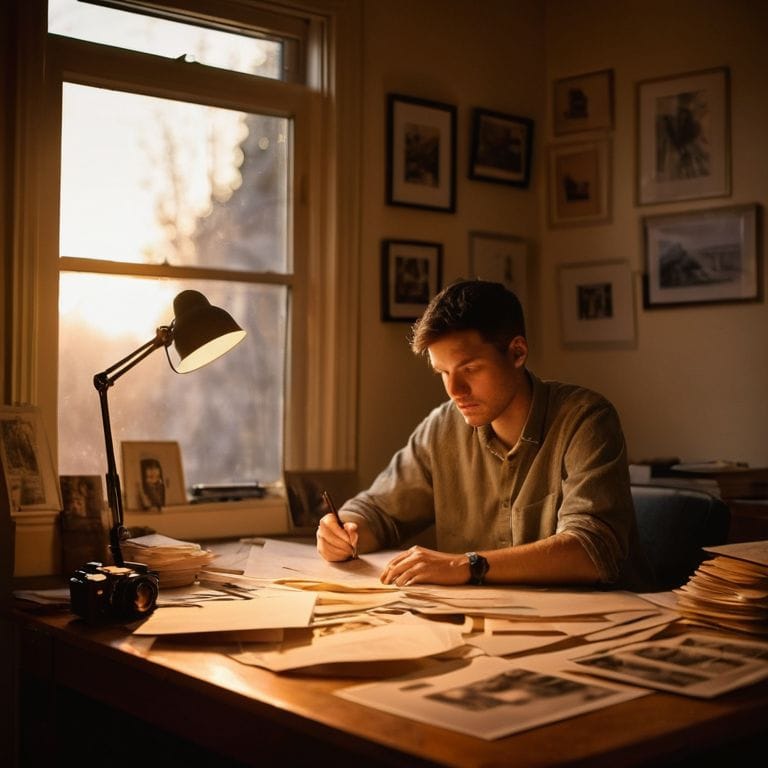
As we’ve explored the process of critiquing your own photography, it’s essential to remember that mastering the art of self-critique is a journey, not a destination. We’ve discussed the importance of understanding composition secrets, avoiding common photography mistakes, and developing a keen eye for the quality of light. By applying these principles and continually challenging yourself to see the world from new perspectives, you’ll begin to uncover your unique visual voice and develop a style that sets your work apart.
So, as you continue on this path of discovery, I encourage you to stay true to your artistic vision and keep pushing the boundaries of what’s possible with your camera. Remember, the most powerful photographs are those that tell a story, that evoke emotion, and that leave a lasting impression on the viewer. By embracing your unique vision and staying committed to your craft, you’ll be well on your way to creating images that truly inspire and captivate others.
Frequently Asked Questions
How can I develop a critical eye to effectively evaluate my own photography without being too self-critical?
To develop a critical eye, I ask myself: ‘What story does this photo tell?’ and ‘What emotions does it evoke?’ I try to separate myself from the image, imagining I’m viewing a stranger’s work. This helps me assess the photo’s technical and creative merits, rather than getting caught up in self-criticism.
What are some key elements I should focus on when critiquing the composition of my photos?
When critiquing composition, I look at three key elements: light, subject placement, and negative space. Ask yourself, is the light enhancing the mood? Is your subject balanced within the frame? And are you using negative space to create a sense of simplicity and focus? These elements will help you refine your composition and uncover the story within your image.
Are there any specific techniques or exercises that can help me improve my ability to discern and appreciate the quality of light in my photographs?
For me, it’s all about chasing the golden hour – that soft, warm light that makes everything feel alive. To improve your eye for light, try this exercise: spend a week shooting only during dawn or dusk, and pay attention to how the light changes your subjects. You’ll start to see the world in a whole new way.