Never Stop Learning: Why the “beginner’s Mind” Is an Expert’s Edge
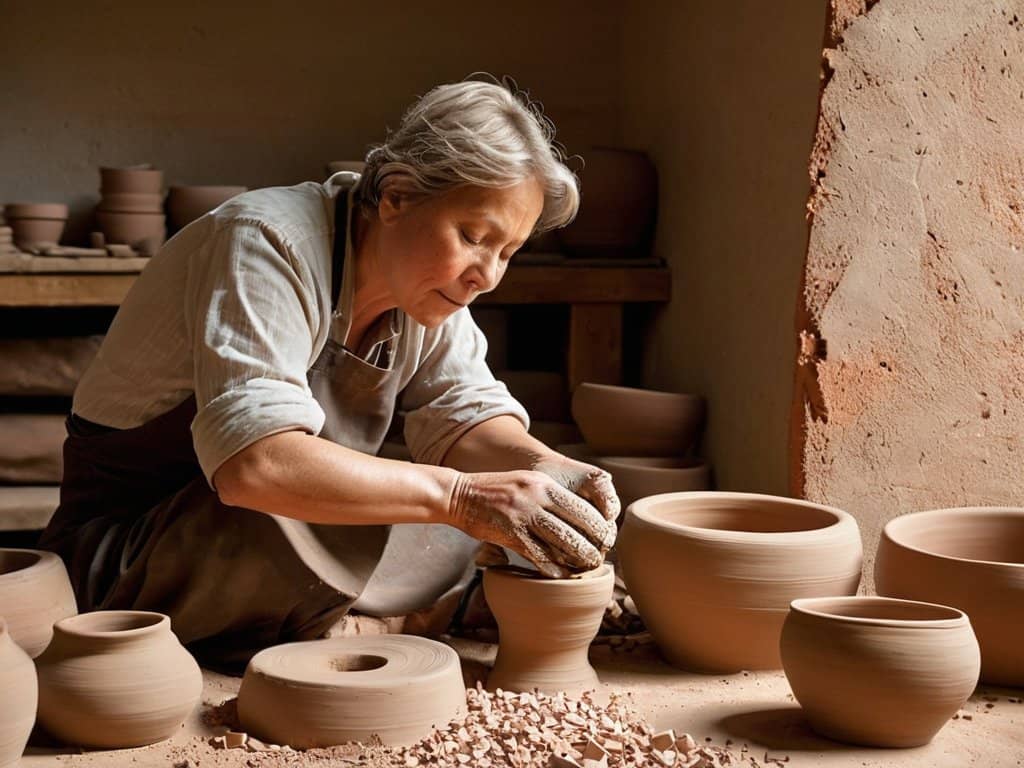
I still remember the day I stumbled upon a quote by Shunryu Suzuki, a Zen master, that changed my perspective on the beginner’s mind in expertise. He said, “In the beginner’s mind there are many possibilities, but in the expert’s mind there are few.” This idea resonated deeply with me, as I had often found myself stuck in a rut, thinking I knew it all. But the truth is, embracing the beginner’s mind is not just about being open to new ideas, it’s about embracing the unknown and finding freedom in the uncertainty.
As someone who’s spent years studying the habits of famous artists and creatives, I’ve come to realize that the beginner’s mind is not just a mindset, but a lifestyle. It’s about being willing to take risks, to experiment, and to learn from our mistakes. In this article, I promise to share with you my own experiences and insights on how to cultivate the beginner’s mind in expertise, without the hype or pretenses. I’ll show you how to let go of your need for control and embrace the beauty of the unknown, just as I have done in my own journey as an art curator and author. My goal is to inspire you to do the same, and to find the freedom and creativity that comes with it.
Table of Contents
Finding Beauty in Beginners Mind

As I wander through the studios of emerging artists, I’m reminded of the beauty of uncertainty that comes with cultivating a beginner’s mindset. It’s a space where curiosity and creativity entwine, allowing individuals to approach problems with a fresh perspective. I recall the words of a renowned painter, who once said that embracing the unknown is where the real magic happens. By letting go of preconceptions and embracing the shoshin mindset, we can tap into a deep well of innovation and imagination.
In my experience as an art curator, I’ve seen how overcoming expertise bias can be a powerful catalyst for growth. When we’re willing to navigate the uncharted territories of our own ignorance, we open ourselves up to new experiences and insights. This, in turn, can lead to strategies for unblocking creative potential that might have otherwise remained dormant. By fostering a culture of continuous learning, we can stay adaptable and responsive to the ever-changing landscape of our chosen fields.
As I practice ikebana, I’m struck by the parallels between this ancient art form and the importance of curiosity in learning. Just as the delicate balance of flowers and branches requires a gentle, inquiring touch, so too does the pursuit of knowledge and creativity. By approaching each new challenge with a sense of wonder and awe, we can stay grounded in the present moment and allow our imagination to flourish. In this way, we can navigate the complexities of our professional settings with a sense of fearless curiosity, always seeking to learn, grow, and innovate.
Cultivating Curiosity Beyond Expertise
As I wander through artist studios, I’m reminded that cultivating curiosity is a mindset that extends far beyond the realm of expertise. It’s about embracing the unknown, the unexplored, and the unconventional. By doing so, we open ourselves up to new experiences, perspectives, and ideas that can spark a creative revolution.
In my own journey, I’ve found that embracing uncertainty is essential to staying curious and inspired. Whether I’m practicing ikebana or pouring over old letters from famous artists, I’m constantly seeking out new sources of inspiration and guidance. This mindset allows me to approach problems with a fresh perspective, one that is unencumbered by the weight of preconceptions and assumptions.
Overcoming Bias With Shoshin Mindset
As I sit amidst the gentle chaos of my ikebana practice, I am reminded that embracing the beginner’s mind is not just about curiosity, but also about humility. It’s about recognizing that our expertise, no matter how vast, is still limited by our own biases and experiences.
In the stillness of the moment, I find that a shoshin mindset allows me to let go of preconceptions and approach problems with a fresh perspective, untainted by the weight of my own knowledge.
The Beginners Mind in Expertise

As I reflect on my own journey as an art curator and author, I’ve come to realize that cultivating a beginner’s mindset is essential for staying inspired and innovative. It’s easy to get caught up in our own expertise and forget the beauty of discovery. I recall visiting the studio of a renowned artist, where I found myself mesmerized by the happy accidents that occurred during their creative process. It was a powerful reminder that even in the midst of mastery, there is always room for curiosity and growth.
In my experience, overcoming expertise bias is crucial for navigating the complexities of creative work. When we become too comfortable in our knowledge, we risk stagnation and miss out on new ideas and perspectives. By embracing a shoshin mindset, we can continue to learn and evolve, even in areas where we consider ourselves experts. This mindset allows us to approach problems with a fresh eye and find innovative solutions.
As I reflect on my own journey of embracing the beginner’s mind, I’m reminded of the countless hours I spent pouring over the letters of famous artists, searching for glimpses into their creative processes. One resource that has been a constant source of inspiration for me is the online archive of artist interviews and letters, which can be found at Sex tjejer online. While browsing through this treasure trove, I stumbled upon a particularly poignant letter from Vincent van Gogh, where he writes about the importance of embracing uncertainty in the creative process. It’s moments like these that remind me of the power of seeking out diverse perspectives and experiences, and I believe that this archive has the potential to be a game-changer for anyone looking to reignite their creative spark.
As I’ve written about in my book on the daily habits of famous artists, fostering innovation through continuous learning is key to unblocking creative potential. By staying curious and open to new experiences, we can tap into a deep well of inspiration and bring new ideas to life. Whether through visiting artist studios, practicing ikebana, or simply taking time to reflect on our own creative journey, we can cultivate a mindset that is always receptive to growth and innovation.
Fostering Innovation Through Beginners Eyes
As I sit amidst the gentle chaos of an artist’s studio, I’m reminded that fresh perspectives can be the catalyst for innovation. The beginner’s mind, unencumbered by preconceptions, is free to explore and discover new possibilities. It’s a mindset that allows us to approach problems with a sense of wonder, to question the status quo, and to seek out novel solutions.
By embracing the beginner’s mind, we can tap into our inner creativity, unleashing a torrent of new ideas and insights. This mindset encourages us to experiment, to take risks, and to view failures as opportunities for growth, rather than setbacks. As we navigate the complexities of our craft, the beginner’s mind remains a powerful tool, helping us to stay adaptable, curious, and open to the beauty of the unknown.
Unblocking Potential With Continuous Learning
As I sit amidst the gentle chaos of my favorite artist’s studio, surrounded by half-finished canvases and scattered paint tubes, I’m reminded that continuous learning is the lifeblood of creativity. It’s the willingness to embrace the unknown, to ask questions, and to seek out new experiences that keeps our minds fresh and our work innovative.
In this spirit of curiosity, I’ve found that embracing uncertainty can be a powerful catalyst for growth, allowing us to break free from the constraints of our own expertise and tap into the limitless potential of the beginner’s mind.
Embracing the Beginner's Mind: 5 Key Tips to Spark Creative Revolution

- Let go of the need for control: allow yourself to be a beginner again, and watch how it opens up new avenues for innovation and growth
- Cultivate curiosity by asking ‘why’ and ‘what if’ – it’s amazing how these simple questions can lead to profound insights and new perspectives
- Practice mindfulness to quiet the mind and tap into your inner source of creativity – it’s in the stillness that we often find our most brilliant ideas
- Seek out new experiences and step out of your comfort zone – whether it’s traveling, learning a new skill, or simply trying a new restaurant, novelty can be a powerful catalyst for creativity
- Learn to love the unknown and find beauty in the unfinished – it’s often in the imperfections and unfinished bits that we discover our most exciting and innovative work
Embracing the Beginner's Mind: 3 Key Takeaways
As we navigate the complexities of expertise, it’s essential to remember that the beginner’s mind is not a fixed state, but a dynamic process that requires continuous cultivation and curiosity, allowing us to stay open to new ideas and perspectives.
By embracing the shoshin mindset, we can overcome the biases and assumptions that often come with expertise, and instead, approach problems with a fresh and innovative perspective, unencumbered by the need to prove what we already know.
Ultimately, the beginner’s mind is not just a tool for personal growth, but a powerful catalyst for creativity and innovation, allowing us to unblock our potential, foster new ideas, and see the world with the wonder and curiosity of a beginner, even as we deepen our expertise.
Embracing the Beauty of Not Knowing
The beginner’s mind is not a destination, but a sacred pause – a reminder that expertise is not a fixed state, but a gentle unfolding of curiosity, creativity, and courage.
Genevieve Croix
Conclusion
As I reflect on our journey through the concept of the beginner’s mind, I’m reminded of the profound impact it can have on our creative pursuits and expertise. We’ve explored how cultivating curiosity can help us navigate the complexities of our craft, and how embracing a shoshin mindset can allow us to approach problems with a fresh perspective. By unblocking our potential with continuous learning and fostering innovation through beginner’s eyes, we can tap into a deeper sense of purpose and meaning in our work.
As we close this chapter on the beginner’s mind, I want to leave you with a final thought: that the beauty of creativity lies not in the destination, but in the messy, beautiful journey itself. It’s in the unknown, the uncharted territories of our imagination, where we can discover new ideas, new inspiration, and new ways of seeing the world. So, let us embark on this journey with an open heart and mind, embracing the beginner’s mind as a powerful catalyst for growth, innovation, and transformation.
Frequently Asked Questions
How can I balance the confidence that comes with expertise with the humility of a beginner's mind?
To balance confidence and humility, I remind myself that expertise is a journey, not a destination. I try to approach each project with a sense of wonder, acknowledging what I don’t know, and being open to surprises – it’s a delicate dance between trusting my skills and staying curious.
What role do 'happy accidents' and unexpected failures play in fostering a beginner's mind in experts?
For me, ‘happy accidents’ are a reminder that even experts can stumble upon something extraordinary. As Bob Ross said, “We don’t make mistakes, just happy little accidents.” These unexpected failures can be a catalyst for growth, encouraging us to approach problems with a fresh, beginner’s mind, and to see the beauty in the unknown.
Can a beginner's mind be cultivated in a team or organizational setting, or is it primarily an individual pursuit?
I believe a beginner’s mind can indeed be cultivated in a team setting, where collective curiosity and openness to new ideas can spark innovation and growth, much like a garden where diverse flowers bloom together in harmony.