A Guide to Using Leading Lines in Your Photos
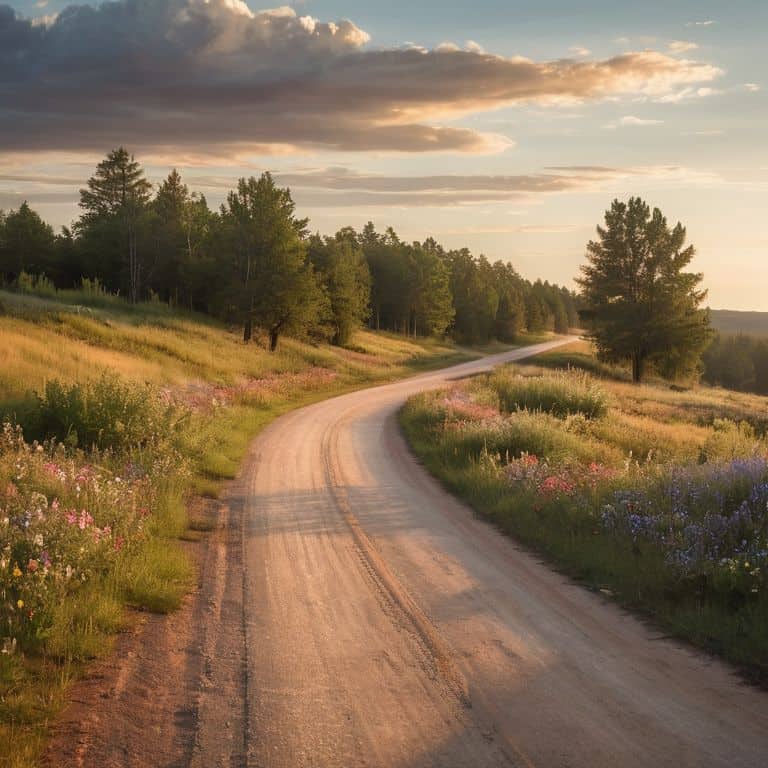
I still remember the first time I truly grasped the power of using leading lines in your photos. I was walking along a deserted beach at sunrise, camera in hand, when I stumbled upon a stretch of shoreline where the waves had etched a series of subtle lines in the sand. As I raised my camera to capture the scene, I realized that those lines were not just a product of the ocean’s fury, but also a visual guide that could lead the viewer’s eye through the photograph. It was as if the beach itself was telling me a story, and I was merely there to capture it.
As you delve into the world of photography, you’ll often hear that using leading lines in your photos is all about creating a sense of depth or directing the viewer’s attention to a specific point. But I believe it’s more than that – it’s about unraveling the narrative that’s hidden within every scene. In this article, I’ll share with you my personal approach to using leading lines, from the basics of composition to the more nuanced aspects of storytelling. You’ll learn how to identify and harness the power of leading lines in your own photographs, and how to use them to create images that are not just visually striking, but also emotionally resonant.
Table of Contents
- Guide Overview: What You'll Need
- Step-by-Step Instructions
- Mastering Leading Lines
- Frames Within Frames Symmetry in Photography
- Nighttime Textures Capturing Patterns With Leading Lines
- Unraveling the Narrative: 5 Essential Tips for Harnessing the Power of Leading Lines
- Key Takeaways for Mastering Leading Lines in Photography
- Finding Harmony in Composition
- Conclusion: Weaving Stories with Leading Lines
- Frequently Asked Questions
Guide Overview: What You'll Need
Total Time: 1 hour 30 minutes
Estimated Cost: $0 – $100
Difficulty Level: Easy
Tools Required
- Camera (with manual focus and adjustable settings)
- Tripod (for stability)
Supplies & Materials
- None Just your camera and creativity
- Photo Editing Software (optional)
Step-by-Step Instructions
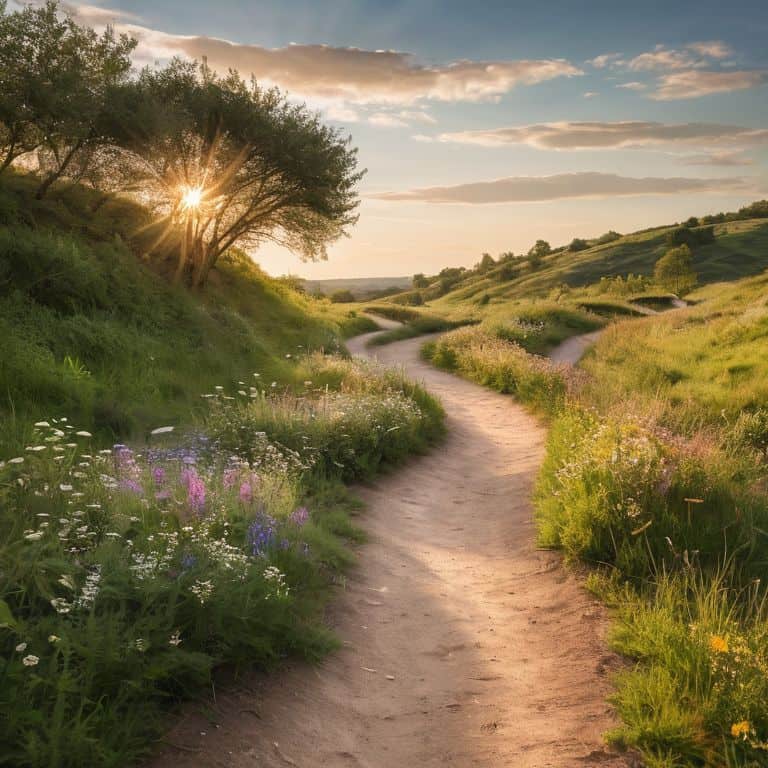
- 1. First, let’s understand the concept of leading lines in photography. I like to think of them as the visual roads that guide the viewer’s eye through the image, creating a sense of depth and dimension. To start using leading lines in your photos, begin by looking for natural lines in your environment, such as roads, paths, shorelines, or any continuous feature that can lead the viewer’s eye to your subject.
- 2. Next, consider the role of light in enhancing your leading lines. I’m obsessed with the quality of light, especially during the golden hour, when the soft, warm tones can add a magical touch to your images. Look for moments when the light is accentuating your leading lines, making them more pronounced and inviting.
- 3. Now, let’s talk about composition. When working with leading lines, it’s essential to consider the rule of thirds and place your subject at one of the intersecting points. This will create a more balanced and visually appealing image. Remember, the goal is to use the leading lines to guide the viewer’s eye to your subject, so experiment with different compositions to find the one that works best for your story.
- 4. To add more depth to your image, try layering your leading lines. This can be achieved by looking for multiple lines that converge or intersect, creating a sense of dimensionality. For example, you could capture a road that leads to a bridge, which in turn leads to a building or a mountain range. This layering effect will draw the viewer’s eye deeper into the image.
- 5. When shooting in manual mode, pay attention to your aperture and shutter speed. A smaller aperture (higher f-stop number) will help keep your leading lines sharp, from front to back, while a slower shutter speed can create a sense of movement and blur, adding dynamism to your image. Experiment with different settings to find the one that best suits your creative vision.
- 6. Don’t be afraid to experiment with different angles. Get low, climb high, or try shooting from a unique perspective to add a fresh twist to your leading lines. I love getting up close and personal with my subject, using a wide-angle lens to create a sense of intimacy and immediacy. This will help you see the world from a new perspective and discover leading lines that might have gone unnoticed.
- 7. Finally, practice, practice, practice. The more you shoot, the more you’ll develop your eye for leading lines and composition. Take your camera with you wherever you go, and keep practicing until you start to see the world as a complex web of visual stories, waiting to be captured. Remember, the key to mastering leading lines is to stay observant and always be on the lookout for new and interesting ways to guide the viewer’s eye through your images.
Mastering Leading Lines
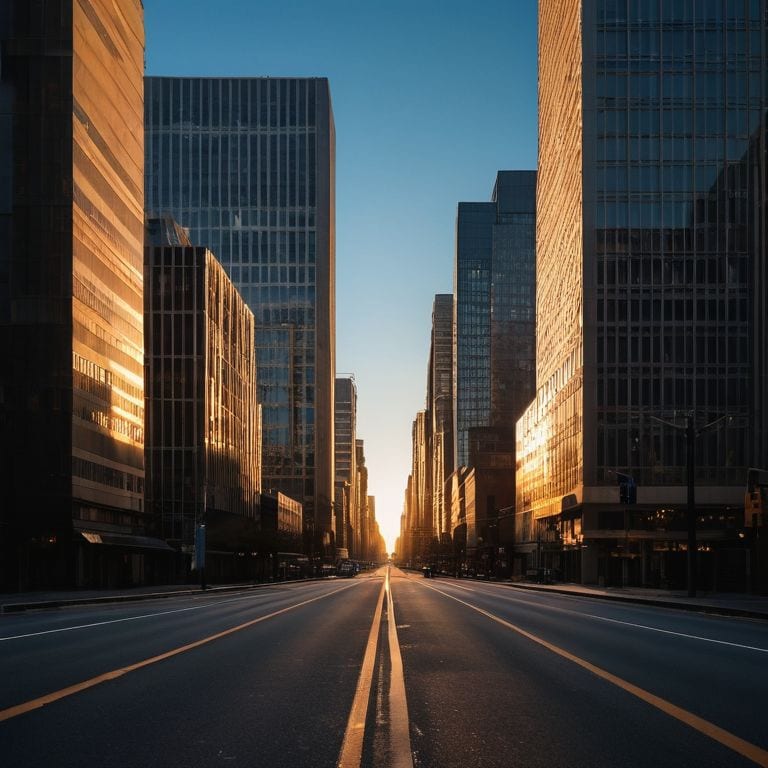
As I continue to explore the world of photography, I’ve come to realize that mastering the art of composition is crucial in creating captivating images. One technique that has helped me achieve this is by experimenting with symmetry in photography. By using leading lines to create a sense of symmetry, I’ve been able to add depth and visual interest to my photos. For instance, when photographing a cityscape, I look for framing subjects with architecture to create a sense of scale and grandeur.
When it comes to capturing the essence of a scene, I believe that paying attention to negative space is just as important as focusing on the subject itself. By using negative space effectively, I can create a sense of simplicity and elegance in my photos. This technique is particularly useful when capturing textures in landscape photography, as it allows the viewer’s eye to wander and explore the scene. Whether I’m shooting during the day or at night, I always try to be mindful of the space around my subject.
In my experience, some of the most striking images are those that showcase photographing patterns in nature. By using leading lines to guide the viewer’s eye, I can create a sense of rhythm and flow in my photos. This technique is especially useful when shooting during golden hour, as the soft light accentuates the patterns and textures of the natural world. By combining these techniques, I’ve been able to create images that not only tell a story but also invite the viewer to step into the scene and explore.
Frames Within Frames Symmetry in Photography
As I delve deeper into the world of leading lines, I find myself drawn to the concept of frames within frames. Symmetry in photography is a powerful tool, allowing me to create visually striking images that invite the viewer to explore. By positioning my subject within a symmetrical framework, I can add depth and meaning to the photograph. A well-placed archway, a reflection, or even a carefully composed doorway can serve as a frame, guiding the viewer’s eye towards the heart of the story.
I’ve found that symmetry can be particularly effective when combined with leading lines, as it creates a sense of harmony and balance. By using these techniques in tandem, I can craft images that are both visually stunning and narratively rich.
Nighttime Textures Capturing Patterns With Leading Lines
As I venture out into the city at night, I’m always on the lookout for the way leading lines can dance across a scene. The textures of the urban landscape – the glow of streetlights, the reflections off wet pavement, the intricate patterns of building facades – all seem to come alive after dark. I love how a simple leading line can pull you into a photo and make you feel like you’re walking alongside the story that’s unfolding. The way a row of lampposts can lead your eye down a deserted street, or how the streaks of car headlights can create a sense of dynamic energy, is truly captivating.
In these moments, I find myself shooting in manual mode, carefully adjusting my aperture and shutter speed to capture the subtle play of light and shadow. The results are always worth it – the nighttime textures and patterns that emerge are like nothing you’d find in the daylight, and the leading lines that guide your eye through the scene are like a whispered secret, revealing the hidden rhythms of the city.
Unraveling the Narrative: 5 Essential Tips for Harnessing the Power of Leading Lines

- I look for leading lines that not only guide the viewer’s eye but also reveal the subject’s character, like a winding road that says more about the journey than the destination
- The way I see it, leading lines are not just about composition; they’re about capturing the rhythm of life, the ebb and flow of human experience, in the curves and lines of our surroundings
- When I’m out shooting, I try to try to anticipate the movement of my subjects and wait for the moment when they intersect with the leading lines, creating a sense of dynamism and energy in the image
- I believe that the most compelling leading lines are often the ones that are imperfect, that reflect the organic, unpredictable nature of the world around us, like a river that winds its way through the landscape
- For me, the key to working with leading lines is to be patient, to slow down and really observe the world, to let the lines and shapes and textures reveal themselves to me, and to trust my instincts when I see a story unfolding before my eyes
Key Takeaways for Mastering Leading Lines in Photography
I’ve found that incorporating leading lines into my photographs helps to create a sense of depth and dimension, guiding the viewer’s eye through the story I’m trying to tell
By experimenting with different types of leading lines, such as roads, shorelines, or architectural features, you can add complexity and interest to your images, and develop your unique visual voice
Remember, the goal of using leading lines is not just to apply a technical technique, but to evoke an emotional response from the viewer – so don’t be afraid to break the rules and try new things to capture the essence of the scene in front of you
Finding Harmony in Composition
For me, leading lines are not just a technique, but a way to invite the viewer into the story, to make them feel like they’re unfolding the narrative alongside me, one frame at a time.
Julian Kade
Conclusion: Weaving Stories with Leading Lines
As we’ve explored the world of leading lines in photography, I hope you’ve gained a deeper understanding of how to harness their power to elevate your compositions. From mastering the art of frames within frames to capturing the unique textures of nighttime scenes, we’ve delved into the techniques that will help you create visually stunning images. By applying these principles, you’ll be able to craft photos that not only please the eye but also tell a story that resonates with your audience. Remember, the key to successful leading lines is to be intentional and creative in your approach, always considering how each element in your scene contributes to the narrative you’re trying to convey.
As you continue on your photographic journey, I encourage you to stay curious and keep experimenting with leading lines. See the world as a canvas of stories waiting to be told, and let your camera be the tool that brings these stories to life. With practice and patience, you’ll develop an eye for the hidden patterns and symmetries that surround us, and your photos will become a reflection of your unique vision and perspective. So, go out there and capture the beauty of the world, one leading line at a time.
Frequently Asked Questions
How can I effectively use leading lines in a cluttered or busy environment to still draw the viewer's eye to my subject?
In cluttered spaces, I look for patterns or shapes that can serve as leading lines, like a row of streetlights or a winding staircase. I’ll often shoot from a low or high angle to emphasize these lines, and use a wide aperture to blur the surrounding chaos, drawing the viewer’s eye to my subject.
What are some common mistakes to avoid when using leading lines in photography to prevent the image from feeling too predictable or cliché?
When using leading lines, I’ve found that over-reliance on obvious paths, like roads or shorelines, can make an image feel cliché. Avoid forcing the viewer’s eye to a single point, and instead, experiment with subtle, organic lines that invite exploration, like a winding staircase or a delicate branch.
Can leading lines be used in portrait photography, and if so, how can I incorporate them to add depth and interest to my portraits?
I love incorporating leading lines in my portrait work, as it adds a dynamic layer of depth. For instance, I might place my subject at the end of a pier or a winding path, using the lines to guide the viewer’s eye to their face, creating a sense of intimacy and connection.