An Explainer: What Is the Rule of Thirds in Photography?
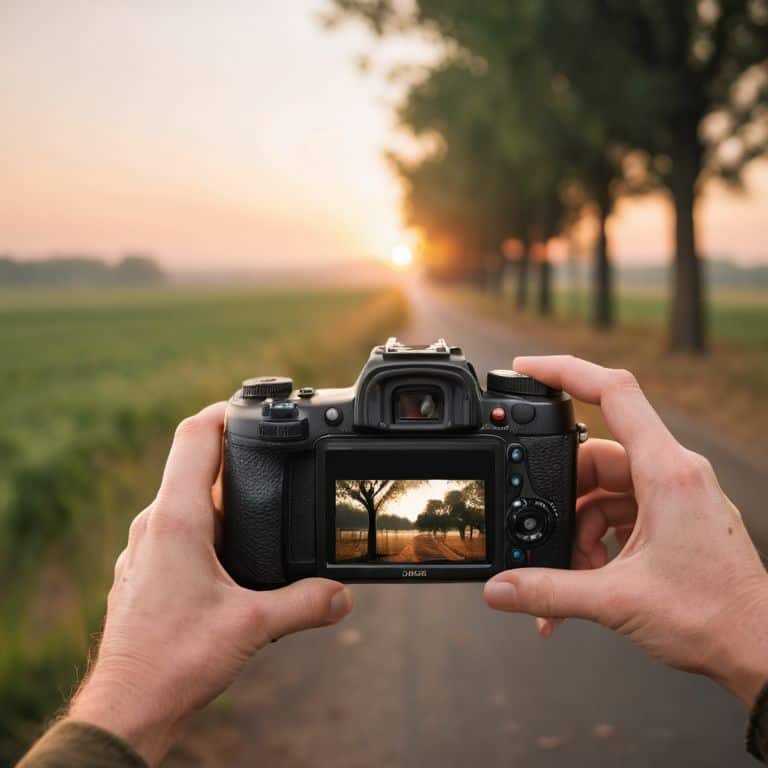
I still remember the first time I heard someone explain what is the rule of thirds in a way that made my eyes glaze over. It was like they were speaking a different language, tossing around terms like “static composition” and “dynamic symmetry” without ever stopping to think about what actually makes a photograph great. As someone who’s spent years honing their craft, I’ve come to realize that the rule of thirds is not just some dusty old principle, but a powerful tool for unlocking the emotional potential of an image.
My goal with this article is to cut through the jargon and get back to basics, to show you how the rule of thirds can be used to create photographs that are not just technically proficient, but truly alive. I’ll be sharing my own experiences, both successes and failures, to illustrate the practical applications of this fundamental principle. By the end of this journey, you’ll have a deeper understanding of how to use the rule of thirds to elevate your photography and tell stories that resonate with others.
Table of Contents
Unlocking the Rule of Thirds
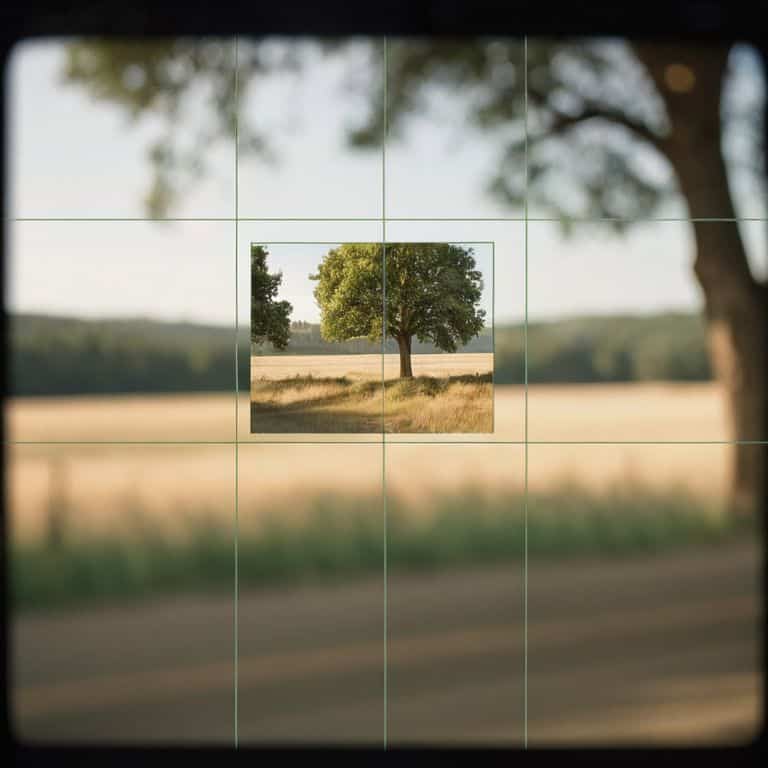
As I delve into the world of composition, I’ve come to realize that visual balance techniques are essential in creating captivating images. The rule of thirds is a fundamental principle that helps achieve this balance by splitting the frame into thirds, both horizontally and vertically. I’ve found that when I place my subjects along these lines, the image becomes more _dynamically composed_, drawing the viewer’s eye to the desired focal point.
When I’m out on a photo walk, I love to look for leading lines in photography that can guide the viewer’s eye to my subject. This technique, combined with the rule of thirds, creates a powerful composition that tells a story. I’ve also experimented with _symmetry in art_, where I use the rule of thirds to create a sense of balance and harmony in my images. By applying these principles, I’ve been able to capture more engaging and thought-provoking photographs.
In my experience, the key to mastering the rule of thirds is to practice, practice, practice. I encourage my students to experiment with different compositions, paying attention to how the golden ratio examples can be used to create a sense of balance and proportion in their images. By doing so, they can develop their own unique visual style and learn to see the world in a new and exciting way. Whether I’m shooting portraits or street photography, I always strive to create images that are _visually balanced_ and tell a story that resonates with the viewer.
Balancing Frames With Symmetry in Art
When I’m out on a photo walk, I love stumbling upon scenes that showcase perfect symmetry. It’s amazing how our brains are wired to respond to balance and order. I recall one shot I took in an old, abandoned cathedral – the way the light streamed in through the center aisle, highlighting the symmetrical architecture, was nothing short of breathtaking.
To achieve this kind of visual harmony, I always look for elements like reflections, patterns, or identical structures. By placing these elements in the center of my frame, I can create a sense of calmness and stability, drawing the viewer’s eye to the heart of the image.
Discovering Leading Lines in Photography
As I wander through the city with my camera, I’m always on the lookout for leading lines that can add depth and intrigue to my photos. These lines can be anything from the edge of a building to the pattern of a sidewalk, and they have a powerful impact on the composition of an image.
I’ve found that framing my shot around these leading lines can create a sense of tension and energy, drawing the viewer’s eye to the subject and telling a more nuanced story. By experimenting with different perspectives and angles, I can use these lines to add complexity and visual interest to my photographs.
What Is the Rule of Thirds
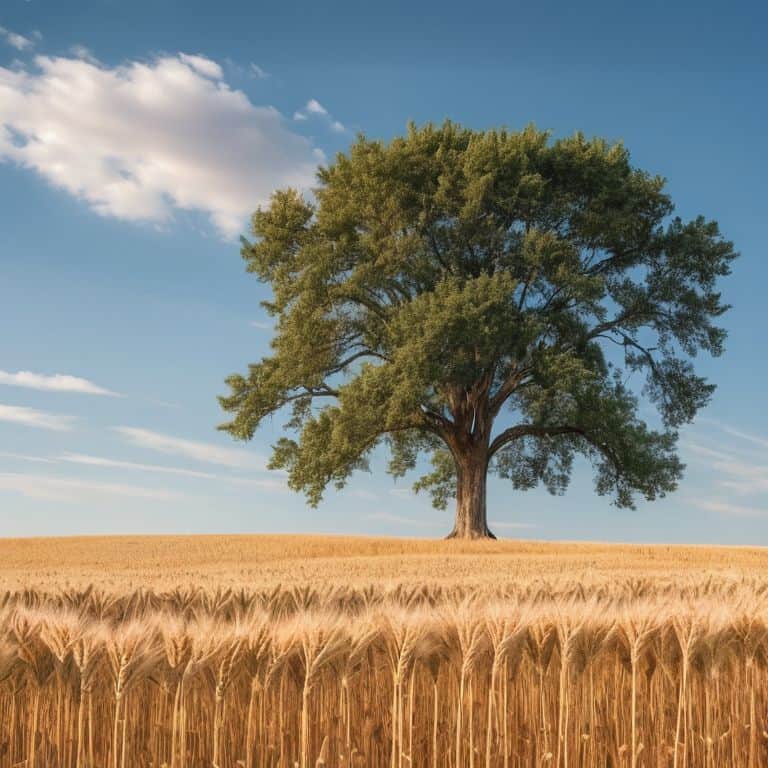
As I reflect on my journey as a photographer, I realize that understanding the principle of balance is crucial in capturing stunning images. The rule of thirds is a fundamental concept that helps achieve this balance by dividing the frame into thirds both horizontally and vertically. I’ve found that this technique allows me to create more visually appealing compositions, drawing the viewer’s eye to the subject.
When I’m out on a photo walk, I love to look for leading lines in photography that can guide the viewer’s attention to the subject. This, combined with the rule of thirds, helps me create images that are both dynamically composed and balanced. I’ve also experimented with symmetry in art, which can add an extra layer of depth and interest to my photos.
In my experience, the key to mastering the rule of thirds is to experiment and practice. I encourage my students to try different compositions, using framing subjects in portraits to create a sense of intimacy and connection. By applying the rule of thirds and considering visual balance techniques, you can take your photography to the next level and capture images that truly tell a story.
Mastering Visual Balance With Dynamic Symmetry
As I reflect on my own photographic journey, I’ve come to realize that visual balance is the backbone of a captivating image. It’s what draws the viewer in and keeps them engaged. I’ve found that dynamic symmetry plays a significant role in achieving this balance, allowing me to create compositions that are both harmonious and thought-provoking.
In my experience, mastering visual balance is all about experimentation and intuition. By paying attention to the interplay of light, texture, and form, I can create images that feel both grounded and dynamic. Whether I’m shooting in the chaos of a city street or the serenity of a natural landscape, I’m always on the lookout for ways to balance my frame and guide the viewer’s eye.
Uncovering Golden Ratio Examples in Nature
As I wander through nature with my camera, I’m constantly amazed by the golden ratio examples that surround us. The way a tree branch curves, the shape of a leaf, or the flow of a river all seem to follow this inherent principle of balance and harmony. It’s as if the natural world is trying to teach us about the beauty of proportion and composition.
I’ve found that capturing these moments requires a deep understanding of light and shadow, as well as a willingness to slow down and observe the world around us. By doing so, we can uncover the hidden patterns and rhythms that govern the natural world, and use them to create photographs that are both visually stunning and emotionally resonant.
Capturing Life's Moments: 5 Essential Tips to Master the Rule of Thirds

- Shoot from the heart, not just the head – remember, the rule of thirds is a guideline, not a hard rule, so don’t be afraid to break it if the moment calls for it
- Experiment with different vantage points to add depth to your shots – get low, climb high, or try something entirely new to shake up your perspective
- Play with negative space to create a sense of simplicity and focus – sometimes, what you leave out of the frame is just as important as what you put in
- Pay attention to the light, especially during golden hour – there’s a reason it’s called ‘magic hour’ for photographers, so make the most of it
- Practice, practice, practice – the more you shoot, the more intuitive the rule of thirds will become, and the more you’ll start to see the world like a photographer
Key Takeaways for Mastering the Rule of Thirds
I’ve learned that by applying the rule of thirds, you can create more balanced and visually appealing compositions that draw the viewer’s eye to the subject, rather than just placing it smack in the middle of the frame
Understanding how to work with leading lines, symmetry, and the golden ratio can elevate your photography from mere snapshots to storytelling masterpieces that resonate with your audience
By embracing the rule of thirds and experimenting with different compositions, you’ll develop your unique visual voice and start to see the world as a photographer does – full of fleeting stories waiting to be captured with your camera
Unlocking Creative Vision
The rule of thirds is not just a technique, it’s a way of seeing – a reminder that the most compelling stories often lie just beyond the center, waiting to be framed and shared with the world.
Julian Kade
Conclusion: Beyond the Rule of Thirds
As we’ve explored the rule of thirds and its applications in photography, it’s clear that this fundamental principle is just the beginning of our journey to capture captivating images. From leading lines and symmetry to the golden ratio and dynamic symmetry, each element works together to create a visual language that tells a story. By mastering these techniques, we can elevate our photography from mere snapshots to powerful, emotive expressions that resonate with others.
So, the next time you lift your camera to your eye, remember that the true magic happens not just in the technicalities, but in the moments between – the fleeting glances, the soft light, and the authentic emotions. As you continue to explore and refine your craft, keep in mind that the art of photography is a lifelong journey, and the rule of thirds is just the starting point for unlocking your unique visual voice.
Frequently Asked Questions
How can I effectively apply the rule of thirds in street photography to capture more dynamic and interesting shots?
For me, applying the rule of thirds in street photography is all about anticipation and instinct. I look for scenes where my subject is off-center, with leading lines or symmetry guiding the viewer’s eye. During golden hour, the soft light adds an extra layer of depth, making it easier to capture dynamic moments that tell a story.
What are some common mistakes to avoid when using the rule of thirds in composition, and how can I overcome them?
When using the rule of thirds, I see many photographers mistakenly placing their subject dead center or not considering the surrounding environment. To overcome this, try shifting your focus to the negative space and how it interacts with your subject, and don’t be afraid to break the rules for a more dynamic composition.
Can the rule of thirds be used in conjunction with other composition techniques, such as leading lines and symmetry, to create even more visually appealing images?
I love experimenting with combining techniques – the rule of thirds pairs beautifully with leading lines and symmetry to add depth and visual interest. By merging these methods, you can create images that are not only balanced but also dynamic and engaging, drawing the viewer’s eye to the story you want to tell.