A Guide on How to Use Time Blocking to Structure Your Creative Day
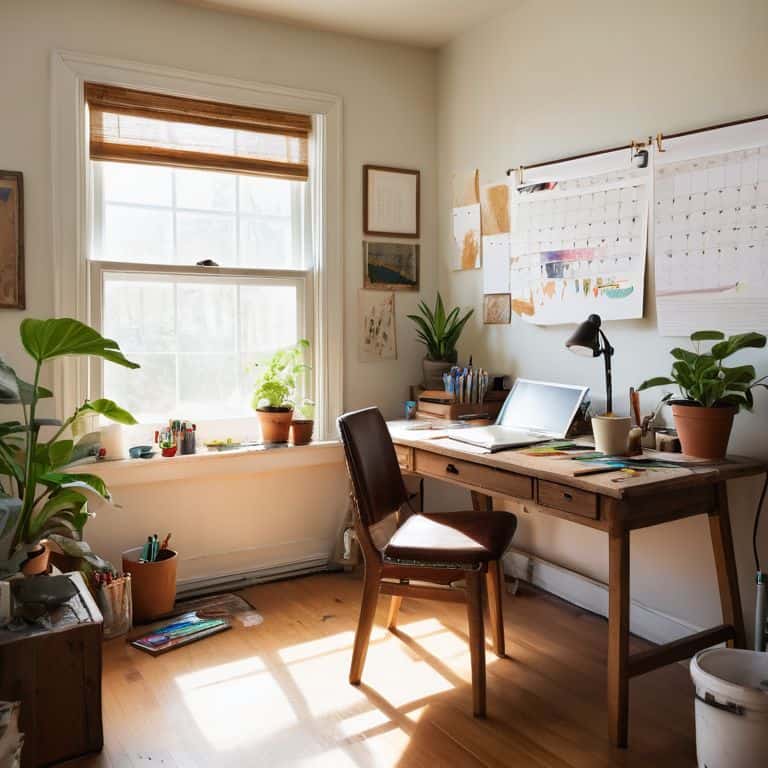
I still remember the days when my creative mind felt like a chaotic mess, and I struggled to structure my day in a way that allowed me to produce meaningful work. I’d heard of time blocking, but I thought it was just another productivity fad that would stifle my artistic expression. However, when I finally decided to give it a try, I discovered that how to use time blocking to structure your creative day was actually the key to unlocking my full potential. By dedicating specific time slots to different tasks, I was able to silence my inner critic and focus on the work that truly mattered.
As someone who’s been in the trenches, I want to share my honest, no-hype advice on how to use time blocking to structure your creative day. In this article, I’ll walk you through the practical steps I took to implement time blocking in my own life, from setting up my schedule to avoiding common pitfalls. You’ll learn how to create a flexible yet structured plan that allows you to make the most of your creative energy, while also leaving room for rest and self-care. By the end of this guide, you’ll be equipped with the tools and confidence to take control of your day and make meaningful progress on your artistic projects.
Table of Contents
Guide Overview: What You'll Need

Total Time: 1 hour to 2 hours
Estimated Cost: $0 – $10
Difficulty Level: Easy
Tools Required
- Digital Calendar (such as Google Calendar or Apple Calendar)
- Pen and Paper (for note-taking and planning)
- Timer (optional, for staying focused)
Supplies & Materials
- Printed Schedule Template (optional, for a physical copy)
- Colored Pens or Pencils (for color-coding and organization)
Step-by-Step Instructions
- 1. First, let’s start with the basics: time blocking is essentially scheduling your day into fixed, uninterrupted blocks of time dedicated to specific tasks. To begin, take a piece of paper or open a notes app on your phone, and brain dump all the tasks you need to complete in a day, including both creative work and personal chores.
- 2. Next, categorize these tasks into three main groups: creative work, administrative tasks, and self-care activities. This will help you visualize how you can allocate your time more efficiently and ensure that you’re making space for both work and rest. I like to use color-coding to differentiate between these categories, as it helps me see the balance at a glance.
- 3. Now, let’s talk about scheduling. Open your calendar, and start blocking out time for each task, beginning with your most important or time-sensitive creative work. Be realistic about how long each task will take, and don’t overload yourself – remember, the goal is to have focused, uninterrupted time blocks. I find that dedicating a minimum of 90 minutes to a task allows me to really get into the zone without feeling rushed.
- 4. Once you have your time blocks scheduled, consider implementing a pre-work routine to get yourself ready for focused work. For me, this includes a 10-minute morning meditation session, followed by a quick review of my schedule for the day. This helps me transition from sleep mode to work mode and ensures I’m aligned with my goals.
- 5. It’s also crucial to leave space for breaks and self-care. Schedule time blocks for activities like walking, journaling, or simply taking a power nap. These breaks are not optional; they’re essential for replenishing your energy and avoiding burnout. I’ve found that even a short 15-minute walk outside can completely refresh my perspective and help me tackle challenging tasks with renewed clarity.
- 6. As you fill out your schedule, remember to prioritize your creative sprints – these are dedicated blocks of time where you focus exclusively on your creative work without any distractions. For me, this means turning off my phone’s notifications and finding a quiet spot where I can work without interruptions. The key is to eliminate multitasking during these sprints, allowing you to dive deep into your work.
- 7. Lastly, make sure to review and adjust your time blocking schedule regularly. Life is unpredictable, and your needs may change from week to week. Take some time each Sunday evening to reflect on your past week, celebrating your accomplishments and identifying areas where you can improve your time management. This weekly review process helps me stay on track, make necessary adjustments, and plan for the upcoming week with clarity and purpose.
Structuring My Day
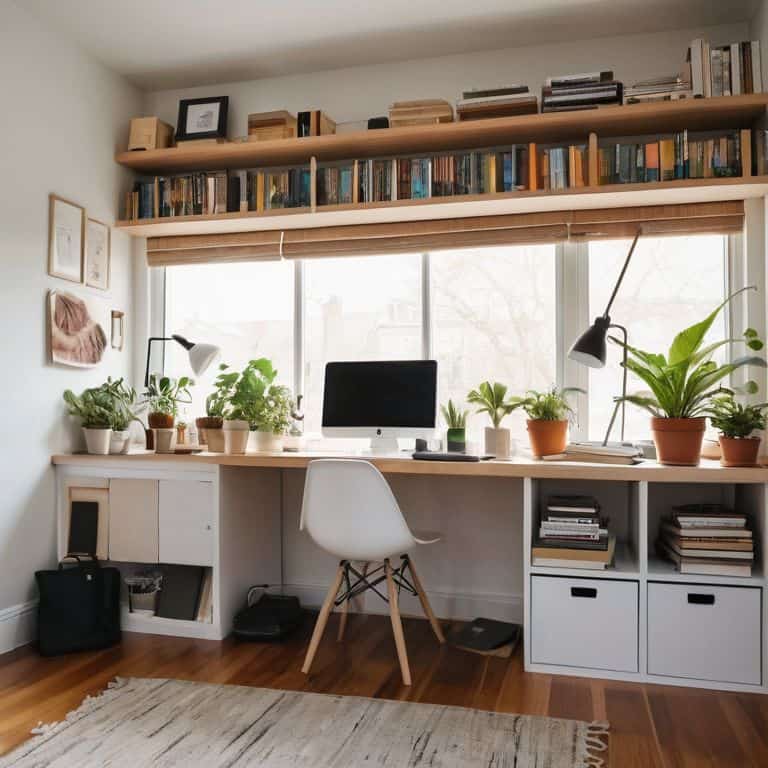
As I reflect on my own journey with time blocking, I’ve come to realize the importance of prioritizing tasks. By scheduling my most critical tasks during my most focused hours, I’ve been able to make significant progress on my creative projects. This approach has also helped me avoid burnout by ensuring I have enough time for rest and self-care. I make it a point to integrate time blocking with my existing schedule, taking into account my energy levels, deadlines, and personal commitments.
When it comes to customizing time blocking for individual needs, I’ve found that it’s essential to be flexible. Some days, I may need to allocate more time for a particular task, while others may require more breaks. By avoiding burnout with scheduled breaks, I can maintain my productivity and creativity throughout the day. This approach has been a game-changer for me, allowing me to stay focused and motivated even when faced with tight deadlines or complex projects.
To overcome procrastination, I use time blocking to break down large tasks into smaller, manageable chunks. By overcoming procrastination with time blocking, I can tackle each task with clarity and purpose, making steady progress on my goals. This approach has helped me develop a sense of control and confidence in my work, allowing me to stay focused on my creative vision and bring my ideas to life.
Avoiding Burnout With Scheduled Breaks
As I schedule my tasks, I also make sure to block out time for breaks. This might seem counterintuitive, but trust me, it’s a lifesaver. By intentionally planning my downtime, I avoid the guilt that comes with stepping away from my work. For me, this means taking a 10-minute walk outside or doing a quick yoga flow. It’s amazing how these short pauses can refresh my mind and help me come back to my work with renewed energy and focus.
I like to think of these breaks as “creative breaths” – they give me space to recharge and refocus. By prioritizing rest, I’m actually able to be more productive and present in my work. And, as someone who’s prone to burnout, I can attest that scheduled breaks have been a total game-changer. They help me maintain a sustainable pace and remember that taking care of myself is essential to creating my best work.
Prioritizing Tasks With Time Blocking
When I first started using time blocking, I was amazed at how it helped me prioritize tasks. By scheduling specific times for each task, I could focus on the most important ones first. For me, that usually means tackling the most creative or challenging tasks in the morning, when my mind is fresh. I’ll block out a few hours for writing or brainstorming, and then break it up into smaller, manageable chunks. This approach has been a lifesaver for my productivity and sanity.
By prioritizing tasks with time blocking, I’ve been able to make intentional decisions about how I spend my time. I ask myself, “What needs to happen today for me to feel fulfilled and creative?” and then schedule my tasks accordingly. It’s not about cramming as much as possible into my day, but about making space for the things that truly matter to me and my art.
Time Blocking Hacks for a More Focused Creative Day
- Start small: begin with 2-3 focused blocks of time per day and gradually increase as you become more comfortable with the rhythm
- Color-code your calendar: use different colors to categorize tasks by type, such as writing, editing, or meetings, to visually balance your day
- Schedule ‘white space’: intentionally leave gaps between blocks for spontaneity, self-care, or simply daydreaming – it’s essential for a creative mind
- Make time for ‘warm-up’ routines: allocate a short block each day for activities that get your creative juices flowing, like journaling or freewriting
- Review and adjust: regularly evaluate your time blocking schedule to ensure it’s still aligned with your priorities and goals, and make adjustments as needed to maintain a healthy work-life balance
Key Takeaways for a More Structured Creative Day
By implementing time blocking, I’ve been able to protect my most creative hours from meetings and distractions, allowing me to focus on high-priority tasks that bring me joy and fulfillment
Prioritizing tasks with time blocking has helped me avoid the stress of last-minute deadlines and instead, I can now enjoy a sense of control and accomplishment as I complete each task, one block at a time
Scheduling regular breaks and intentional rest has been a total game-changer – it’s helped me recharge, reduce burnout, and come back to my creative work with renewed energy and inspiration, which is essential for maintaining a sustainable and thriving artistic practice
Time Blocking Wisdom
By scheduling my creativity in bursts, I’ve learned to trust the ebbs and flows of my imagination, and that’s when the real magic happens – when structure and spontaneity collide.
Audrey Bell
Embracing the Power of Time Blocking

As I reflect on my journey with time blocking, I’m reminded of the freedom it’s given me to focus on what truly matters – my art. By prioritizing tasks and scheduling breaks, I’ve been able to create a sense of balance in my day that was previously elusive. The key takeaways are simple: start by identifying your most important tasks, allocate specific time slots for each, and don’t forget to leave space for rest and self-care. It’s not about being rigid; it’s about being intentional with your time.
So, as you embark on your own time blocking journey, remember that it’s a process and not a destination. Embracing imperfection is crucial – some days will be more productive than others, and that’s okay. The goal is to create a system that supports your unique creative rhythm, allowing you to show up fully for your work and your life. With time blocking, you’ll find that you’re not just managing your time more effectively; you’re also cultivating a deeper understanding of yourself and your artistic vision.
Frequently Asked Questions
How do I determine the optimal length for each time block to maximize my creative productivity?
For me, the optimal time block length is all about finding a balance between focus and flexibility. I typically start with 90-minute blocks, which allows me to dive deep into a project without feeling overwhelmed. But, I also leave some buffer room for adjustments – if a task is flowing well, I might extend the block, and if I’m stuck, I’ll break it down into smaller chunks.
Can I still be flexible with my schedule if I use time blocking, or does it feel too rigid?
Absolutely, I still allow for flexibility in my schedule. While time blocking provides structure, I build in buffer zones for spontaneity and unexpected tasks. It’s all about finding a balance between planning and adaptability – my schedule is a guide, not a dictator.
How often should I review and adjust my time blocking schedule to ensure it's still working for me and my creative projects?
I review my time blocking schedule weekly, tweaking it as my projects evolve. I also do a deeper dive every month to ensure it still aligns with my goals and creative vision. This regular check-in helps me stay on track, make adjustments, and maintain a healthy balance between work and rest.