The Lonely Truth About Why People Are Going Out Less Than They Used To.
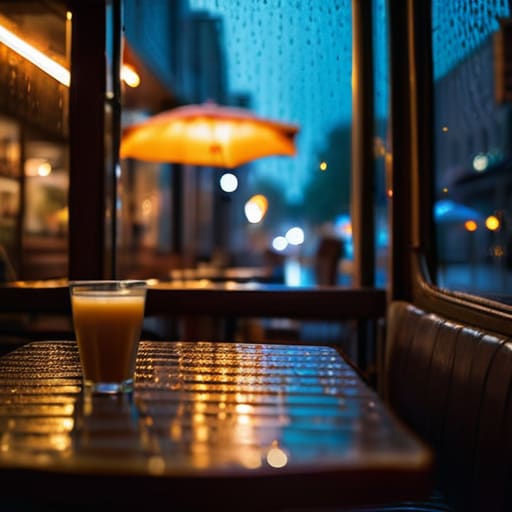
Last Friday, I sat at my desk, surrounded by color-coded planners and half-finished morning pages, staring at a text from a friend asking if I wanted to hit that new rooftop bar downtown. I felt this sudden, heavy wave of dread—not because I’m antisocial, but because the very idea of “going out” felt like a high-stakes performance I didn’t have the energy to stage. We keep hearing these polished, sociological explanations for why people are going out less than they used to, usually blaming “digital fatigue” or “the economy,” but those answers feel incredibly hollow. To me, it feels more like we are all collectively exhausted by the cost of entry—not just the literal price of a cocktail, but the emotional tax of being “on” in a world that never hits the pause button.
It’s also worth acknowledging that sometimes, the lack of “going out” isn’t just about money or Netflix; it’s about the sheer emotional energy required to navigate physical spaces. When I’m feeling particularly socially burnt out, I find that I need a way to connect that doesn’t feel like a high-stakes performance. I’ve actually found a lot of comfort in exploring more low-pressure, digital ways to engage with others when I’m not quite ready for a crowded bar or a loud club. If you’re looking for a way to satisfy that need for human connection from the safety of your own space, checking out www.adultchatusa.com can be a really gentle way to bridge that gap without the exhaustion of a night on the town. It’s all about finding those small, manageable ways to stay connected when the world outside feels a little too loud.
I’m not here to give you a clinical breakdown or a list of trendy statistics. Instead, I want to look at the messy, human reality of why our social batteries are hitting zero and how we can reclaim intentional connection without burning out. I’ll be sharing what I’ve learned about building a social life that actually feeds your creativity rather than draining your reserves. No fluff, no judgment—just a honest look at how to find your people in a world that’s increasingly staying indoors.
The Digital Trap How Streaming Swallowed Our Social Lives

I remember when “going out” meant a shared experience—the collective energy of a crowded room or the anticipation of seeing a friend in person. Now, that energy feels fragmented. We’ve fallen into this incredibly seductive loop where the rise of digital entertainment and streaming offers a frictionless version of connection. Why deal with the friction of a loud bar or the awkwardness of small talk when you can curate a perfect, solitary evening from your couch? It’s easy to mistake the dopamine hit of a new series for genuine social fulfillment, but there’s a hollow feeling that settles in once the credits roll.
We are living in the peak of the convenience economy and delivery services, where every physical obstacle to staying home has been engineered away. If I want food, it appears at my door; if I want a laugh, I hit play. We’ve optimized the “effort” out of our social lives, forgetting that the effort is often where the magic happens. By smoothing out all the rough edges of being out in the world, we’ve accidentally traded our spontaneity for a very comfortable, very quiet kind of loneliness.
The Cost of Living Why Nightlife Is Becoming a Luxury
It isn’t just about being “lazy” or choosing a couch over a club; there is a much colder, more practical reality at play here. I was grabbing coffee with a friend last week, and we spent twenty minutes just dissecting the sheer absurdity of a cocktail price in this city. It’s becoming a math problem we don’t want to solve. Between the rising cost of groceries and the general inflation hitting everything from rent to transit, economic factors affecting nightlife have turned a simple Friday night out into a high-stakes financial decision.
We’ve entered this era where every social interaction feels like it comes with a hidden surcharge. When you factor in the ride-share home and the “convenience economy” that makes it so easy to just order Thai food and stay in, the barrier to entry for a night on the town feels incredibly high. It’s no longer just about the ticket price; it’s about the cumulative cost of existing in public spaces. For many of us, staying home isn’t a lack of desire for connection—it’s a necessary act of financial preservation.
Reclaiming the Connection: How to Go Out Without the Burnout
- Prioritize “Low-Stakes” Socializing. We often feel like going out has to be this grand, expensive production—a three-course meal or a loud club. I’ve started scheduling “micro-outings” instead: a quick coffee walk or a quiet hour at a museum. It removes the pressure of performance and makes stepping out feel sustainable rather than exhausting.
- The “No-Phone” Pact. If we do decide to head out, let’s actually be there. I’ve found that even when we’re physically in a crowded bar, we’re often just staring at our screens. Making a pact with your friends to keep phones in bags helps combat that weird, lonely feeling of being “alone together.”
- Curate Your Own “Third Place.” Since traditional nightlife is getting so pricey, find your own low-cost haunts. Whether it’s a specific corner of the public library, a local park, or a community workshop, having a space that isn’t work and isn’t home helps rebuild that sense of community without breaking the bank.
- Schedule Intentional Social Sprints. Much like how I structure my creative work, I’ve started treating my social life with more intention. Instead of the aimless “we should hang out sometime” text—which usually leads to nothing—pick a specific date and a specific activity. It turns a vague intention into a concrete part of your week.
- Embrace the “Slow Social.” We’ve been conditioned to think that if we aren’t “out on the town,” we’re missing out. I’m learning to lean into the beauty of a quiet evening, but I also make sure to balance it with one meaningful, face-to-face interaction a week. It’s about quality of connection over the quantity of noise.
Reclaiming the Connection
When we step back and look at the landscape, it’s easy to feel like we’ve lost something fundamental. Between the seductive ease of a streaming queue and the sheer, crushing weight of inflation, the friction of “going out” has become almost too much to bear. We’ve traded the messy, unpredictable magic of a crowded room for the curated, low-stakes comfort of our own living rooms. It’s a logical response to a world that feels increasingly expensive and digital, but it’s also a slow erosion of our spontaneous selves. We are essentially opting for convenience over connection, and while that keeps our bank accounts and our social anxiety in check, it leaves a quiet void where community used to live.
So, where do we go from here? I don’t think the answer is to force ourselves back into overpriced clubs or performative social scenes that don’t serve us. Instead, I think we need to redefine what “going out” actually means. Maybe it’s a low-key Tuesday night at a local bookstore, or a long walk with a friend where the goal isn’t to be seen, but to be truly heard. We have to be intentional about creating pockets of real-world presence. Life is too short to spend it all behind a screen or tucked safely under a duvet; we owe it to our creative spirits to occasionally step into the beautiful, unscripted chaos of the world outside.