An Explainer: What Is the Purpose of a Mood Board in Design?
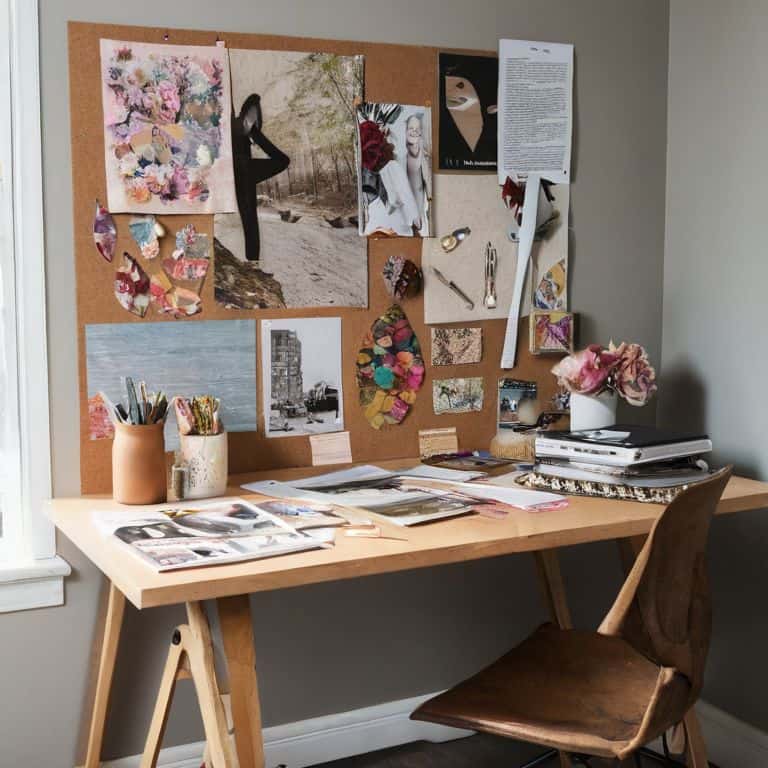
I still remember the days when I thought a mood board was just a fancy collage of images and colors. But as I delved deeper into the world of design, I realized that what is the purpose of a mood board in design is far more nuanced. It’s not just about creating a visually appealing board, but about tapping into the emotional core of a project. I’ve seen many designers get caught up in the hype of creating a mood board, only to end up with a mess of conflicting ideas and unclear direction.
As someone who’s worked with minimalist design principles, I believe in cutting through the noise and getting to the heart of the matter. In this article, I’ll share my no-nonsense approach to understanding the purpose of a mood board in design. I’ll provide you with practical advice on how to create a mood board that truly serves your design goals, rather than just being a stylish afterthought. My goal is to help you think like a designer, to demystify the principles of good design, and to champion clarity and intention over fleeting trends. By the end of this article, you’ll have a clear understanding of how to harness the power of mood boards to elevate your design work.
Table of Contents
Unlocking Mood Boards
As I delve into the world of mood boards, I’m reminded of the wise words of Massimo Vignelli: “good design is a matter of discipline“. For me, visual design inspiration is the spark that sets the creative process ablaze. A well-crafted mood board can evoke emotions, convey a sense of style, and guide the development of a design concept. It’s a tool that helps me tap into the emotional core of a project, allowing me to make intentional decisions about the direction of the design.
When it comes to design concept development, a mood board can be a powerful catalyst. By gathering references, colors, and textures, I can begin to distill the essence of a brand’s identity. This process helps me to identify key elements that will inform the brand identity creation process. Whether I’m working with a new client or revisiting an existing brand, a mood board provides a common language, facilitating client communication strategies and ensuring we’re all on the same page.
As I reflect on my own approach to design project planning, I realize that mood boards play a crucial role in setting the tone for a project. By establishing a clear visual direction, I can create a roadmap for the design process, avoiding unnecessary detours and ensuring a cohesive outcome. While mood board templates can provide a useful starting point, I believe it’s essential to approach each project with a clean slate, allowing the unique characteristics of the brand to shine through.
Mood Board Templates for Clarity
When creating a mood board, I often rely on grid-based systems to bring order and clarity to the visual elements. This structured approach allows me to distill the essence of a project and make intentional decisions about the design direction. By using a grid, I can ensure that every element, from typography to imagery, works together in harmony to convey the desired mood and atmosphere.
In my experience, a well-crafted mood board template can be a powerful tool for streamlining the design process. It helps me to focus on the essential elements of the project and avoid unnecessary clutter, ultimately leading to a more cohesive and effective design solution.
Visual Design Inspiration Redefined
As I delve into the world of mood boards, I’m reminded of the power of visual storytelling. It’s about curating a selection of images, textures, and colors that evoke a specific emotional response, rather than simply creating a visually appealing collage. This approach allows designers to tap into the essence of a project, and let that guide their creative decisions.
By redefining visual design inspiration, we can move beyond mere aesthetics and focus on crafting a narrative that resonates with our audience. This shift in perspective enables us to create mood boards that are not only beautiful but also intentionally designed to evoke a specific response, driving the design process forward with clarity and purpose.
Purpose of a Mood Board
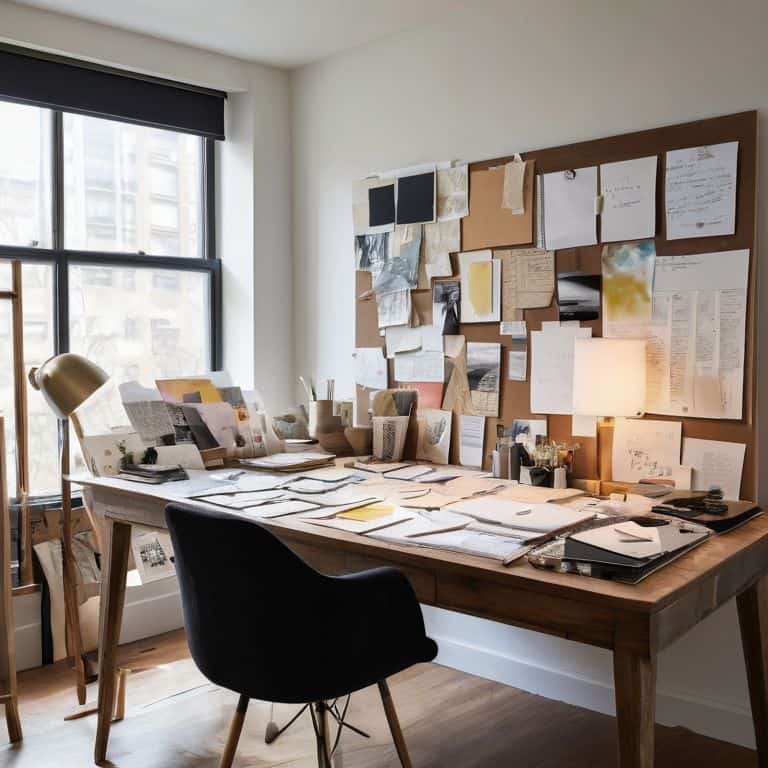
As I delve into the purpose of a mood board, I’m reminded of Massimo Vignelli’s words on the importance of clarity in design. A mood board serves as a visual design inspiration tool, helping designers refine their ideas and communicate effectively with clients. By creating a mood board, designers can distill their thoughts and concepts into a cohesive visual language, making it easier to develop a design concept.
The process of crafting a mood board is just as important as the end result. It allows designers to explore different visual design inspiration avenues, experimenting with colors, textures, and typography to find the perfect balance. This, in turn, informs the design concept development phase, where ideas begin to take shape. By using mood board templates, designers can ensure a clear and structured approach to their creative process.
In the context of client communication strategies, mood boards play a vital role in conveying the essence of a design project. They provide a shared visual language, facilitating discussions and ensuring that all parties are on the same page. This is particularly crucial in brand identity creation, where a mood board can help capture the nuances of a brand’s personality and aesthetic. By incorporating mood boards into their design project planning, designers can set themselves up for success, creating a solid foundation for their work.
Elevating Design Concept Development
As I delve into the realm of mood boards, I’m reminded of the importance of intentional creativity in design concept development. It’s not just about gathering inspiration, but about carefully curating a visual language that informs and elevates the design process. By doing so, designers can tap into the emotional core of a project, allowing them to create more meaningful and effective designs.
Effective design concept development relies on clear visual storytelling, which is where mood boards truly shine. By distilling the essence of a design into a concise, visual narrative, designers can communicate their vision with clarity and precision, ensuring that all stakeholders are on the same page.
What Is the Purpose of a Mood Board in Design
As I delve into the purpose of a mood board in design, I’m reminded of Massimo Vignelli’s emphasis on clarity in the creative process. A mood board serves as a tool to distill the essence of a project, allowing designers to tap into the emotional core and guide their decisions.
The intentional use of mood boards helps designers to establish a clear direction, ensuring that their work remains focused and cohesive. By doing so, they can create a visual language that resonates with the project’s objectives, ultimately leading to a more effective and meaningful design outcome.
Unlocking the Power of Mood Boards: 5 Essential Tips
- Start with a clear design brief to ensure your mood board is focused and intentional, avoiding unnecessary elements that can dilute the creative vision
- Experiment with different textures, colors, and typography to evoke the right emotional response, remembering that a mood board is a tactile representation of your design’s personality
- Keep your mood board concise and uncluttered, using a grid system to organize your elements and create a visual hierarchy that guides the viewer’s eye
- Use your mood board as a tool for iterative design, refining your concept and making adjustments as needed to ensure the final product aligns with your initial vision
- Remember that a mood board is not a static entity, but rather a dynamic and evolving representation of your design’s essence, and be willing to revisit and revise it throughout the design process to ensure it remains relevant and effective
Key Takeaways: Harnessing the Power of Mood Boards
Mood boards serve as a tool to tap into the emotional core of a design project, guiding creative decisions with intention and clarity
A well-crafted mood board can redefine visual design inspiration, providing a clear direction for design concept development and elevating the overall design process
By moving beyond mere decoration and focusing on the foundational principles of design, mood boards can become a powerful instrument for designers to create meaningful, effective, and timeless designs
The Heart of Design
A mood board is not just a visual aid, but a catalyst for intentional design – it’s where emotion meets strategy, and the essence of a project is distilled into a singular, guiding vision.
Alistair Finch
Conclusion: The Enduring Power of Mood Boards
As we’ve explored the purpose of a mood board in design, it’s clear that these visual tools offer far more than just a collage of inspiration. They provide a foundation for intentional design, helping us to distill the essence of a project and guide our creative decisions. From unlocking visual design inspiration to using mood board templates for clarity, we’ve seen how these tools can elevate our design concept development and lead to more cohesive, effective designs.
So, as you embark on your next design journey, remember that a mood board is not just a step in the process – it’s a catalyst for meaningful creativity. By embracing the intentional power of mood boards, you’ll be able to tap into the emotional core of your project and create designs that truly resonate with your audience. As Massimo Vignelli once said, ‘The life of a designer is a life of fight: fight against the ugliness.’
Frequently Asked Questions
How can a mood board effectively communicate the emotional core of a design project to clients and team members?
To effectively communicate the emotional core of a design project, a mood board should distill the essence of the brand, evoking feelings and moods rather than just displaying visuals. As Massimo Vignelli once said, “The life of a designer is a life of fight: fight against the ugliness.” A well-crafted mood board helps clients and team members understand the design’s intent, fostering a shared vision.
What role do mood boards play in the design process beyond just visual inspiration?
For me, mood boards are about distilling the essence of a project, capturing its emotional resonance and core values. They help guide my design decisions, ensuring that every element, from typography to color, serves a purpose. As Massimo Vignelli said, “The life of a designer is a life of fight: fight against the ugliness.” Mood boards are a powerful tool in that fight.
Can mood boards be used to inform and refine design decisions throughout the entire project lifecycle, not just in the initial stages?
I firmly believe that mood boards can, and should, influence design decisions far beyond the initial stages. By revisiting and refining our boards throughout the project lifecycle, we can ensure our creative vision remains focused and intentional, guiding us toward a more cohesive, effective design solution.