A Guide on How to Build a Consistent Creative Practice
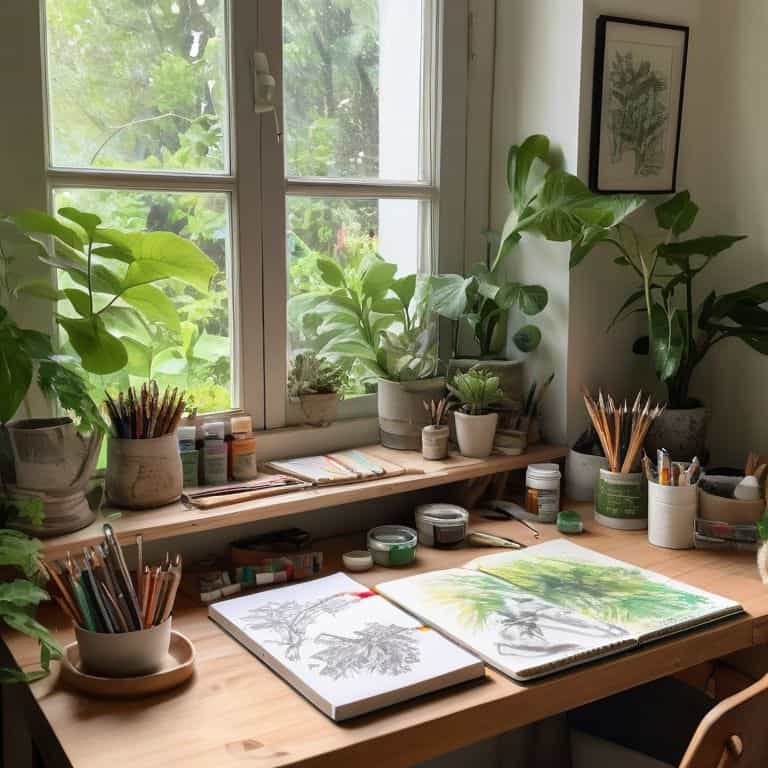
As I sit amidst the quiet chaos of my own studio, surrounded by half-finished projects and scattered notes, I’m reminded of the myth that building a consistent creative practice is a linear, effortless journey. We’re often led to believe that the most innovative minds have it all together, that their process is seamless and efficient. But I’m here to tell you that’s just not true. The reality is, cultivating a creative practice that feels authentic and sustainable is a winding path, full of twists and turns – and it’s exactly this journey that I want to explore with you, as we delve into the honest, unvarnished truth of how to build a consistent creative practice.
So, what can you expect from this article? I’ll be sharing my own experiences, as well as those of fellow artists and creatives, to provide you with practical advice and honest insights on how to cultivate a creative practice that truly works for you. We’ll explore the importance of embracing uncertainty, listening to your inner voice, and finding joy in the process, rather than just focusing on the end result. My goal is to offer you a refreshing, no-nonsense guide to how to build a consistent creative practice that feels like coming home – a practice that nourishes your mind, heart, and soul.
Table of Contents
- Guide Overview: What You'll Need
- Step-by-Step Instructions
- Building Creative Momentum
- Nurturing Your Creative Flame: 5 Essential Tips
- Embracing the Beauty of Creative Imperfection: 3 Key Takeaways
- Embracing the Journey
- Embracing the Journey: A Creative Practice that Endures
- Frequently Asked Questions
Guide Overview: What You'll Need

Total Time: 1 hour 30 minutes to 3 hours per week
Estimated Cost: $0 – $100
Difficulty Level: Intermediate
Tools Required
- Journal or Notebook (dedicated to creative practice)
- Pencil or Pen (for writing or drawing)
- Timer (for setting dedicated practice times)
- Computer or Tablet (for digital creative work)
Supplies & Materials
- Art Supplies (e.g., paints, markers, colored pencils)
- Musical Instrument (if applicable)
- Writing Prompts or Exercises (for inspiration)
- Comfortable Workspace (e.g., desk, chair, good lighting)
Step-by-Step Instructions
- 1. First, let’s get real – building a consistent creative practice is a game-changer, but it’s not always easy, and that’s exactly why we need to talk about it. To start, I want you to take some time to reflect on your why: what drives you to create, what sparks your imagination, and what kind of creative work makes you feel most alive. Write it down, make it concrete, and keep it somewhere visible to remind yourself of your purpose.
- 2. Next, I want you to start small: commit to a daily creative practice that’s manageable, even if it’s just 10-15 minutes a day. This could be as simple as freewriting, doodling, or taking a few photographs. The key is to make it a habit, so choose something that brings you joy and makes you look forward to that daily creative time.
- 3. Now, let’s talk about scheduling: I know it might sound counterintuitive to schedule creativity, but trust me, it’s essential to making progress. Treat your creative time as non-negotiable, just like any other important appointment. Set a reminder, put it in your calendar, and show up consistently. Remember, this is your time to nurture your creative soul.
- 4. As you settle into your daily practice, I want you to experiment and play: try new techniques, mediums, and tools. Don’t be afraid to make mistakes or create something that doesn’t quite work out – it’s all part of the process. This is where the magic happens, and you might stumble upon something entirely new and exciting.
- 5. Another crucial step is to create a conducive environment: set up a dedicated space for your creative practice that inspires and nurtures you. This could be a corner in your home, a studio, or even a outdoor spot. Make it your own, fill it with things that spark joy, and make it a sanctuary where you can retreat to and let your imagination run wild.
- 6. Now, let’s talk about accountability: share your creative goals and progress with a trusted friend or mentor, and ask them to hold you accountable. This could be as simple as sending them a weekly update or sharing your work-in-progress. Having someone to cheer you on and provide feedback can make a significant difference in your creative journey.
- 7. Finally, I want you to be kind to yourself: remember that creative blocks and setbacks are an inevitable part of the process. Don’t be too hard on yourself when you miss a day or two, or when your work doesn’t turn out as expected. Instead, focus on the journey, and celebrate small wins along the way. With time and patience, you’ll find your creative practice becoming a source of comfort and inspiration that nourishes your mind, heart, and soul.
Building Creative Momentum

As I sit in my own studio, surrounded by the gentle chaos of half-finished projects and scattered notes, I’m reminded that building creative momentum is a delicate dance. It’s about finding that sweet spot where inspiration and discipline intersect. For me, it begins with a _morning routine for artists_ that sets the tone for the day – a quiet moment of reflection, a cup of tea, and a few lines of writing in my journal to loosen up my thoughts.
The key to sustaining this momentum lies in overcoming creative block, which I like to think of as a natural part of the creative cycle. It’s a sign that our minds are working overtime to bring forth something new and innovative. By acknowledging this process and being gentle with ourselves, we can begin to warm up our creative muscles through simple exercises like freewriting or sketching. This helps to get our juices flowing and prepares us for the more complex tasks ahead.
As we navigate the ups and downs of our creative journey, it’s essential to _set realistic goals_ and track our progress in a creative journal. This helps us stay focused, motivated, and accountable to ourselves. Having an _accountability partner_ can also be a great source of support and encouragement, providing an outside perspective and helping us to stay on track when we feel like giving up. By embracing these strategies, we can cultivate a creative practice that feels authentic, nourishing, and sustainable in the long run.
Morning Routines for Artistic Flow
As I sit in my own studio, surrounded by the gentle scent of blooming flowers from my ikebana practice, I’m reminded of the wisdom of artist Henri Matisse, who believed that “creativity takes courage.” For me, that courage begins with a morning routine that sets the tone for artistic flow. It’s a quiet moment to myself, with a warm cup of tea and a sketchbook, where I allow my thoughts to wander and my imagination to unfold.
In these still morning hours, I find inspiration in the simple act of observation – the way the light dances through the window, or the textures of the natural world. It’s a time to clear my mind, to let go of doubts and fears, and to simply be present with my creativity. As I begin to create, I feel the momentum building, and it’s a beautiful thing to witness.
Overcoming Blocks With Warm Ups
As I sit amidst the gentle chaos of my own studio, surrounded by half-finished projects and scraps of inspiration, I’m reminded that creative blocks are an inevitable part of the journey. It’s in these moments that I turn to warm-ups – simple, low-stakes exercises that help loosen the mental muscles and get the imagination flowing. For me, it might be a few lines of poetry, a quick sketch, or even a playful arrangement of flowers using the principles of ikebana.
These warm-ups are not about creating a masterpiece, but about cultivating a sense of curiosity and wonder. By embracing the freedom to experiment and make mistakes, we can begin to dismantle the barriers that stand between us and our creative potential. As the renowned artist, Bob Ross, once said, “We don’t make mistakes, just happy little accidents.” It’s in these accidents that we often discover new paths forward, and the warm-ups become a powerful tool for overcoming even the most daunting creative blocks.
Nurturing Your Creative Flame: 5 Essential Tips
- Embracing Imperfection: Recognize that your creative practice is a journey, not a destination, and that it’s okay to make mistakes along the way
- Finding Your Flow: Experiment with different schedules and routines to discover when and how you’re most inspired to create
- Making Space for Serendipity: Leave room in your practice for happy accidents and unexpected discoveries, as these can often lead to your most innovative work
- Cultivating Curiosity: Stay open to new experiences, ideas, and influences, and allow yourself to be inspired by the world around you
- Practicing Self-Compassion: Treat yourself with kindness and understanding when you encounter creative blocks or setbacks, and remember that these are a natural part of the process
Embracing the Beauty of Creative Imperfection: 3 Key Takeaways
As you navigate the journey of building a consistent creative practice, remember that it’s a path paved with imperfections, doubts, and uncertainties – and it’s precisely this messy truth that makes the creative process so rich and rewarding.
By embracing the concept of ‘fallow seasons’ for your mind, you allow yourself the grace to rest, reflect, and rejuvenate, ultimately leading to a more profound and inspired creative expression.
Happy accidents, warm-ups, and morning routines are not mere tools, but gateways to a deeper connection with your artistic self, fostering a sense of creative momentum that feels both authentic and fulfilling.
Embracing the Journey
A consistent creative practice is not a destination, but a gentle unfolding of the self – it’s the quiet mornings, the scribbled notes, and the whispered promises to show up, even when the muse is silent.
Genevieve Croix
Embracing the Journey: A Creative Practice that Endures
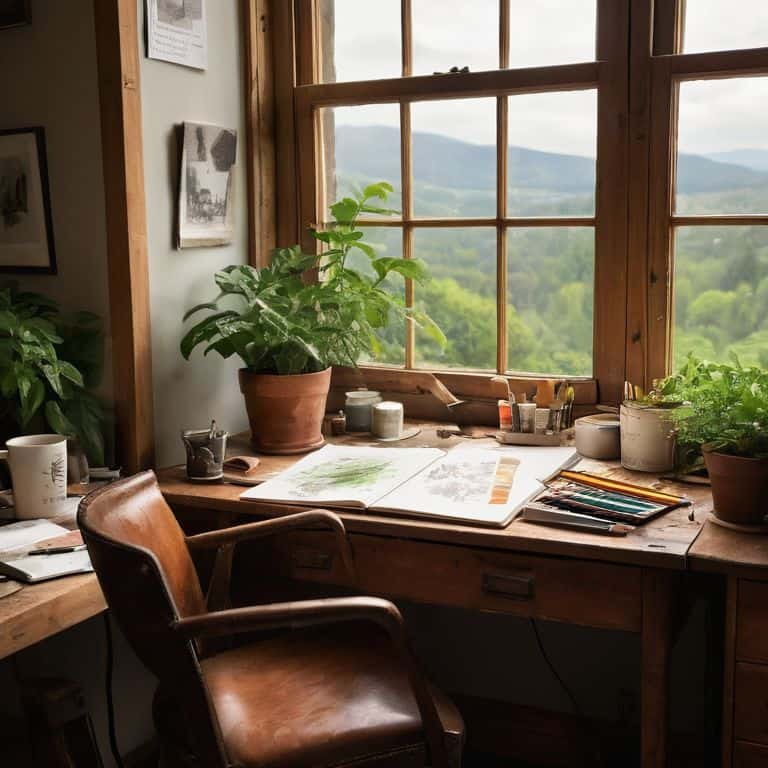
As we’ve explored the world of consistent creative practice, it’s become clear that embracing the process is just as important as the end result. We’ve discussed the value of building creative momentum, and how establishing a daily routine can help us tap into our artistic flow. From morning routines that set us up for success, to warm-ups that help us overcome blocks, it’s all about finding what works for us and making it a sustainable part of our lives. By acknowledging that creative block is a natural part of the journey, and that happy accidents can often lead to breakthroughs, we can begin to see our practice as a journey of discovery, rather than a destination.
As you close this chapter and embark on your own creative journey, remember that the power to create is within you. It’s the spark that drives us to bring new ideas into the world, and it’s what makes the journey worthwhile. Don’t be too hard on yourself when you stumble – every great work of art has its own story of struggle and perseverance. You are part of a long line of creatives who have faced doubts and fears, yet still managed to produce something truly remarkable. So, take a deep breath, trust the process, and let your unique voice be heard. The world needs it.
Frequently Asked Questions
How can I ensure that my creative practice remains consistent even when faced with self-doubt or fear of failure?
When self-doubt or fear of failure creeps in, I remind myself that even the masters doubted their work. As Georgia O’Keeffe once said, “Whether you succeed or not is irrelevant, there is no such thing as a failure.” I encourage you to reframe your mindset, too, and focus on the process, not perfection.
What role do 'happy accidents' play in building a consistent creative practice, and how can I learn to embrace them?
For me, ‘happy accidents’ are the spark that sets creativity ablaze. They’re the unexpected twists that lead to innovation, like a painter’s accidental splash of color that becomes a masterpiece. By embracing these surprises, you open yourself to new possibilities and perspectives, allowing your creative practice to evolve and flourish in unexpected ways.
Are there any specific morning routines or warm-up exercises that are particularly effective for overcoming creative blocks and getting into a state of artistic flow?
For me, it’s all about gentle transitions into the creative zone. I adore the morning routine of famed artist, Louise Bourgeois, who’d start her day with a quiet moment of drawing. As for warm-ups, I swear by freewriting and loose sketches to loosen up the mind and hands, allowing the Muse to whisper her secrets.