An Explainer: What Is a Mordant in Natural Dyeing?
I still remember the first time I stumbled upon the concept of what is a mordant in natural dyeing. I was restoring an old armchair, and I wanted to give it a unique, earthy tone. A friend told me about natural dyes, but I was quickly overwhelmed by the complexity of the process. Everyone seemed to be talking about mordants, but no one could explain it in simple terms. It was as if they were speaking a different language. I felt frustrated, like I was trying to unlock a secret door without the right key. That’s when I realized that natural dyeing doesn’t have to be rocket science.
As someone who’s passionate about hands-on learning, I want to share my experience with you. In this article, I’ll break down the concept of mordants in natural dyeing, and show you how to use them to achieve vibrant, long-lasting colors. I’ll share my own trials and errors, and provide you with practical tips to get you started. My goal is to demystify the process, and inspire you to experiment with natural dyes. Whether you’re a seasoned crafter or a beginner, I promise to provide you with honest, straightforward advice that will help you unlock the full potential of natural dyeing.
Table of Contents
- Unlocking Color Secrets
- Breathing Life Into Cotton Natural Dyeing Techniques
- Fixing Colors With Alum and Cream of Tartar Magic
- What Is a Mordant in Natural Dyeing
- 5 Essential Tips for Working with Mordants in Natural Dyeing
- Embracing the Art of Natural Dyeing: 3 Key Takeaways
- The Heart of Natural Dyeing
- Weaving a Story with Every Thread
- Frequently Asked Questions
Unlocking Color Secrets
As I delve into the world of natural dyeing, I’m constantly fascinated by the alchemy of color that occurs when combining plants, minerals, and fibers. One of the most crucial steps in this process is using a mordant to fix the colors, ensuring they don’t fade quickly. I’ve experimented with various mordant recipes for plant-based dyes, and the results are nothing short of magical. For instance, using alum and cream of tartar can create a rich, vibrant hue that’s both durable and sustainable.
When working with sustainable fabric preparation methods, it’s essential to consider the type of fiber you’re using. For example, using natural mordants for silk and wool requires a different approach than when working with cotton. I’ve found that certain mordants, like pomegranate rinds or onion skins, can create stunning, earthy tones on protein fibers like silk and wool. By understanding how to harness the power of these natural mordants, you can unlock a world of colorfastness and create truly unique, handmade textiles.
As I continue to explore the realm of natural dyeing, I’m always on the lookout for new natural dyeing techniques for cotton. One method that’s particularly caught my attention is the use of fixing colors with alum and cream of tartar, which can produce a beautiful, soft palette. By combining these techniques with a deep understanding of mordants and their role in the dyeing process, you can create fabrics that are not only visually stunning but also tell a story of their own.
Breathing Life Into Cotton Natural Dyeing Techniques
As I delve into the world of natural dyeing, I’m constantly amazed by the simplicity and elegance of breathing life into plain cotton fabrics. It’s a process that requires patience, experimentation, and a willingness to embrace the unknown. By combining natural dyes with the right techniques, I can transform a mundane piece of cloth into a vibrant, one-of-a-kind treasure.
My favorite part of this journey is discovering the perfect balance of colors, which can elevate the entire dyeing process. Whether I’m working with indigo, turmeric, or pomegranate, each natural dye brings its unique character to the table, and it’s up to me to coax out its full potential.
Fixing Colors With Alum and Cream of Tartar Magic
When it comes to fixing colors, I’ve found that alum is a trusted ally. This natural mineral has been used for centuries to bind dyes to fabrics, creating a rich, vibrant hue that lasts. By mixing alum with the right amount of water, I can create a solution that not only brings out the best in my natural dyes but also ensures they adhere beautifully to the fabric.
In my experience, cream of tartar adds a unique dimension to the dyeing process. It helps to balance the pH of the dye bath, allowing the colors to mingle and blend in unexpected ways. With cream of tartar, I can achieve subtle, nuanced shades that would be impossible to replicate with synthetic dyes.
What Is a Mordant in Natural Dyeing
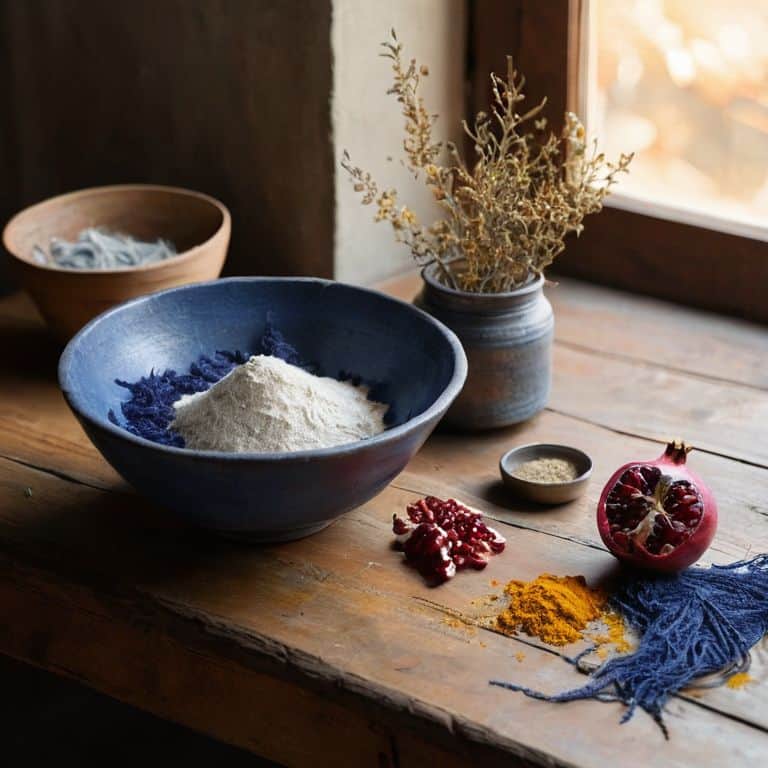
As I delve into the world of natural dyeing, I’ve come to realize that mordant recipes for plant-based dyes play a crucial role in achieving vibrant, long-lasting colors. A mordant, in simple terms, is a substance that helps fix the dye to the fabric, ensuring that the colors don’t fade quickly. I’ve experimented with various natural mordants, including alum and cream of tartar, and the results are nothing short of remarkable.
When it comes to sustainable fabric preparation methods, using natural mordants is an excellent way to reduce your environmental footprint. For instance, when working with silk and wool, I prefer to use natural mordants that are gentler on the fibers and the planet. This approach not only produces stunning colors but also contributes to a more eco-friendly dyeing process.
To achieve optimal colorfastness tests for handmade dyes, it’s essential to understand the role of mordants in natural dyeing techniques for cotton. By using the right mordant, you can create a beautiful, durable color that will withstand the test of time. I’ve found that fixing colors with alum and cream of tartar is a reliable method for achieving consistent results, and I’m excited to share more about this process in my upcoming workshops.
Sustainable Fabric Prep With Mordant Recipes
As I delve into the world of natural dyeing, I’ve come to realize the importance of sustainable fabric preparation. It’s not just about throwing some plants into a pot and hoping for the best. To truly unlock the potential of natural dyes, you need to understand how to prepare your fabrics for the process. This is where mordant recipes come in – a crucial step in creating a strong bond between the fiber and the dye.
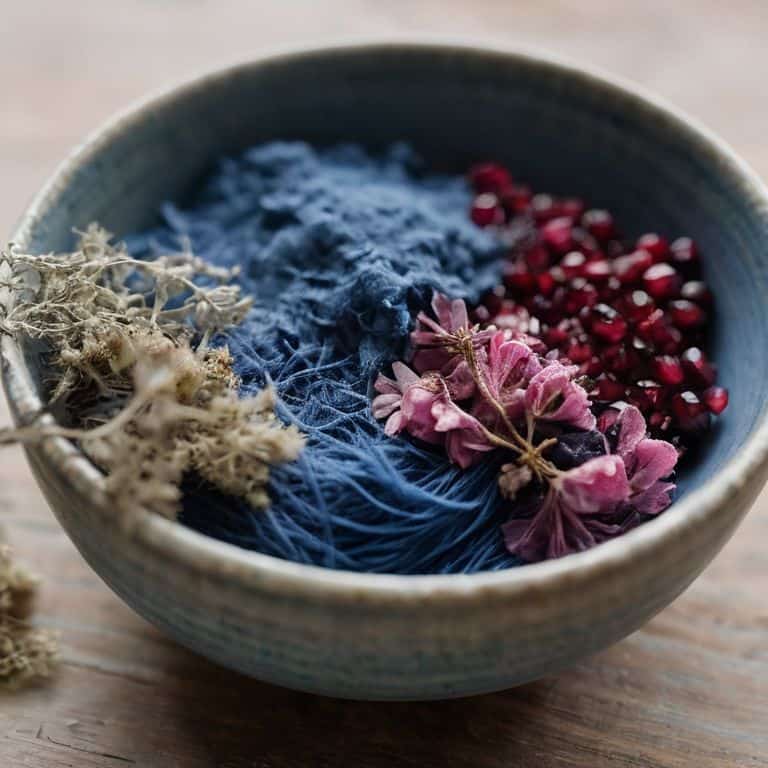
I’ve experimented with various mordant combinations, and I’m excited to share my findings with you. By using natural ingredients like pomegranate rinds and turmeric, you can create a unique and sustainable fabric prep process that not only enhances the color but also reduces waste.
Testing Colorfastness With Natural Mordants for Silk
As I delve into the world of natural dyeing with silk, I’m reminded that testing colorfastness is crucial to ensure the colors don’t bleed or fade away. It’s a process that requires patience, but the end result is well worth the wait. I recall a project where I used a combination of natural mordants to achieve a stunning shade of indigo on silk, and the color remained vibrant even after multiple washes.
To achieve this level of colorfastness, I experiment with different mordant ratios, carefully noting the effects of each combination on the silk fabric. This process allows me to refine my technique and develop a deeper understanding of how natural mordants interact with the fibers, resulting in unique and captivating colors that tell a story of their own.
5 Essential Tips for Working with Mordants in Natural Dyeing
- Dive into the world of natural dyeing by understanding that mordants are not just additives, but helpers that bond colors to fabrics, making them last longer and look more vibrant
- Experiment with different types of mordants like alum, cream of tartar, and plant-based options to find what works best for your projects and the materials you’re using
- Always test your mordant and dye combinations on small, inconspicuous areas of the fabric first to ensure the colors will hold and to avoid any unwanted surprises
- Keep in mind that the ratio of mordant to dye to water is crucial – too little mordant and the color won’t take, too much and it can affect the fabric’s texture and durability
- Remember, natural dyeing is an art that requires patience and practice, so don’t be discouraged by initial results – every batch is an opportunity to learn and refine your technique, and the imperfections are what make your handmade pieces truly unique
Embracing the Art of Natural Dyeing: 3 Key Takeaways
Natural dyes, when combined with the right mordants, can unlock a world of vibrant and sustainable colors for your fabrics, allowing you to create unique, handmade pieces that tell a story
Mordants like alum and cream of tartar are not just helpers in the dyeing process, but also play a crucial role in fixing colors and ensuring they remain durable and long-lasting, making your handmade creations truly special
By experimenting with different natural mordants and dyeing techniques, you can not only achieve a wide range of colors but also develop a deeper appreciation for the craft, connecting with the materials and the process in a way that’s both therapeutic and fulfilling
The Heart of Natural Dyeing
A mordant is not just a chemical agent, but a storyteller that weaves the narrative of the natural world into the very fabric of our creations, giving each thread, each fiber, a history and a soul.
Finn Rivera
Weaving a Story with Every Thread
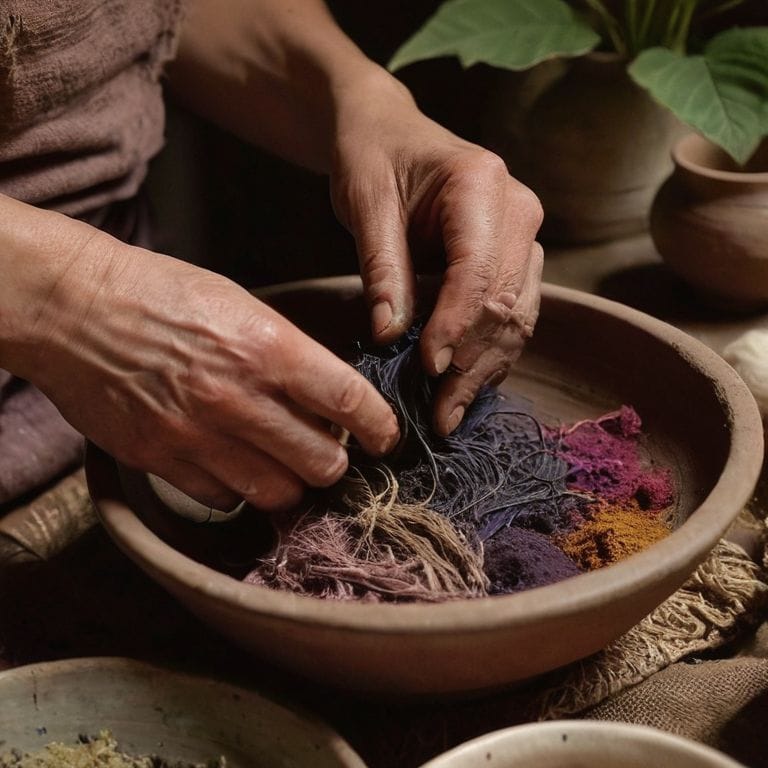
As I reflect on our journey through the world of natural dyeing and mordants, I’m reminded of the intricate dance between materials, technique, and patience. We’ve explored the basics of natural dyeing, delved into the magic of mordants like alum and cream of tartar, and even touched on sustainable fabric preparation and testing colorfastness. Through it all, I hope you’ve gained a deeper appreciation for the craftsmanship and dedication that goes into creating truly unique, handmade pieces.
So, as you embark on your own natural dyeing adventures, remember that every stitch, every brushstroke, and every carefully mixed mordant is an opportunity to tell a story. It’s a story of your hands, your heart, and your connection to the natural world. Don’t be afraid to experiment, to embrace the imperfections, and to let your creations become a testament to the beauty of the handmade process.
Frequently Asked Questions
What are some common natural mordants used in dyeing cotton and silk?
For cotton and silk, I swear by natural mordants like pomegranate rinds, onion skins, and turmeric. These gems help the colors bind beautifully to the fabric, creating unique, earthy tones. I’ve also had great luck with plant-based mordants like indigo and weld, which add a richness to the hues. Experimenting with these is like uncovering hidden treasures!
How do I know which mordant to use for a specific type of fabric or dye?
For me, choosing the right mordant is all about understanding the fabric and dye I’m working with. I consider the fiber type, the dye’s color and lightfastness, and the desired texture. Then, I experiment with different mordants like alum, cream of tartar, or plant-based options to find the perfect balance – it’s a process that requires patience, but the results are always worth it.
Can I make my own mordant at home using everyday ingredients?
Absolutely, you can create your own mordant at home using everyday ingredients like turmeric, vinegar, and even coffee. These natural helpers can enhance color and durability, adding a personal touch to your projects. I’ve experimented with homemade mordants in my workshop, and the results are fascinating – it’s a great way to get creative and connect with the materials.