A Guide to World-building for Fantasy Writers

I still remember the first time I dove into a fantasy novel and felt like I was transported to another world. As a book editor, I’ve had the privilege of working with numerous authors on their fantasy manuscripts, and I’ve come to realize that a guide to world-building for fantasy writers is essential for crafting a compelling story. However, I’ve often seen writers get bogged down in the details, trying to create an entire universe from scratch. The truth is, world-building doesn’t have to be overwhelming – with a clear approach, you can create a rich, immersive world that draws your readers in.
In this article, I’ll share my practical advice on how to build a believable and engaging fantasy world. You’ll learn how to develop a consistent mythology, create nuanced cultures, and weave together the various elements that bring your world to life. My goal is to provide you with a step-by-step framework that will help you refine your world-building skills and take your writing to the next level. Whether you’re a seasoned author or just starting out, this guide will offer you the tools and confidence you need to craft a fantasy world that will captivate your readers and leave them wanting more.
Table of Contents
Guide Overview: What You'll Need

Total Time: several days to several weeks
Estimated Cost: little to no cost, as world-building is primarily a creative process
Difficulty Level: Intermediate / Hard
Tools Required
- Notebook for brainstorming and organizing ideas
- Computer with internet access for research and reference
- Map-making software optional, but can be helpful for creating visual representations of your world
Supplies & Materials
- Pens and pencils for writing and sketching
- Paper for printing out maps, timelines, and other reference materials
- Reference books on history, mythology, and cultures to draw inspiration from
Step-by-Step Instructions
- 1. First, let’s start by defining the scope of your fantasy world. This means determining the geographical boundaries, climate, and cultural influences that will shape your story. Take some time to brainstorm and jot down key details, such as the names of countries, cities, and landmarks, as well as any notable events or figures that have helped shape the world’s history. Remember, the goal is to create a rich, immersive environment that will draw your readers in and refuse to let them go.
- 2. Next, consider the _mythological context_ of your world. What are the underlying beliefs and values that drive the actions of your characters? Are there any mythical creatures, magical systems, or supernatural forces at play? Developing a deep understanding of these elements will help you create a more cohesive and believable world. Don’t be afraid to draw inspiration from real-world mythologies or folklores, but also feel free to add your own unique twists and interpretations.
- 3. Now, let’s talk about world-building on a micro level. This involves creating detailed, descriptive passages that bring your world to life. Think about the sights, sounds, and smells of different environments, such as forests, mountains, or cities. Use sensory language to transport your readers to these locations, and don’t be afraid to get creative with your descriptions. For example, instead of simply saying “the city was dirty,” you could say “the city streets were lined with crumbling brick buildings, their windows like empty eyes staring back, while the air reeked of smoke and desperation.
- 4. As you continue to build your world, it’s essential to consider the _social and cultural nuances_ that exist within it. This includes developing a sense of history, politics, and social hierarchy, as well as exploring the complexities of different cultures and communities. Ask yourself questions like: What are the dominant religions or belief systems? How do different groups interact with one another? What are the major conflicts or tensions that exist within the world? By delving into these details, you’ll be able to create a more nuanced and realistic environment.
- 5. Another crucial aspect of world-building is creating a sense of depth and history. This can be achieved by developing a timeline of major events, as well as crafting detailed backstories for key characters and locations. Think about how these events have shaped the world and its inhabitants, and how they continue to influence the present. You can also use _historical artifacts_ like ancient texts, ruins, or relics to add an extra layer of depth and authenticity to your world.
- 6. Now that you have a solid foundation for your world, it’s time to start building your story. This involves developing a narrative that is deeply rooted in the world you’ve created. Think about how your characters will interact with the environment, and how the world will shape their actions and decisions. Remember to _show, not tell_, and use descriptive language to bring your story to life. Don’t be afraid to take risks and try new things – and always keep your editor’s red pen handy to refine and revise your work as needed.
- 7. Finally, don’t be afraid to take a step back and revisit your world as you continue to write. World-building is an iterative process, and it’s common for new ideas and insights to emerge as you work on your story. Be open to making changes and adjustments as needed, and don’t be afraid to _kill your darlings_ if they’re not serving the greater good of the story. By staying flexible and adaptable, you’ll be able to create a world that is truly unique and captivating.
A Guide to World Building
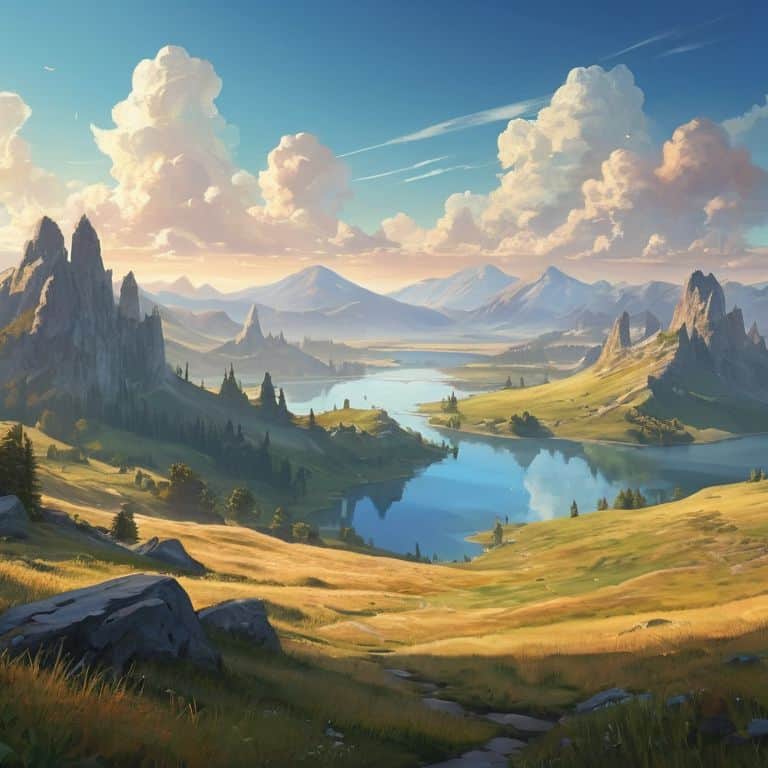
As we delve deeper into the realm of fantasy writing, it’s essential to consider the fantasy geography creation that underlies your world. Think about the layout of your lands, the climate, and the natural resources available. This will help you develop a rich and immersive environment that draws your readers in. For instance, you might ask yourself how the terrain affects the cultures and societies that inhabit your world.
When developing fictional cultures, it’s crucial to consider their magic system design principles. This will help you create a sense of consistency and logic within your world. Think about how magic is used, its limitations, and its consequences. This will also help you avoid plot holes and inconsistencies that can pull your readers out of the story. By carefully crafting your magic system, you can add depth and complexity to your world.
To further enrich your world, consider exploring world_history_and_mythology. This can include the stories of your world’s creation, the rise and fall of empires, and the legends that shape your cultures. By developing a rich history, you can create a sense of depth and authenticity that will make your world feel truly alive. This, in turn, will help you craft a compelling narrative that will captivate your readers.
Developing Fictional Cultures
To develop fictional cultures, consider the intricacies of social hierarchy, traditions, and values. Think about how these elements intersect and influence one another, creating a rich tapestry of cultural nuances. Ask yourself: What are the core beliefs and customs of this culture? How do they impact daily life, relationships, and decision-making?
By carefully crafting these details, you’ll bring depth and authenticity to your world-building. For instance, you might explore how a culture’s history has shaped their art, literature, or mythology. This will help you create a sense of continuity and coherence, making your fictional world feel more immersive and believable.
Fantasy Geography Creation Tips
When crafting your fantasy world’s geography, consider the interconnectedness of landscapes and climates. Think about how mountains, rivers, and forests influence the cultures and economies of nearby regions. For instance, a mountain range might separate two kingdoms, while a river could serve as a vital trade route. As you map out your world, ask yourself: How do these geographical features shape the lives of my characters and the course of my story?
To add depth and realism, experiment with varied terrain types and ecological zones. Perhaps a scorching desert gives way to a lush oasis, or a dense forest hides ancient ruins. By carefully balancing diversity and consistency, you’ll create a richly textured world that invites exploration and immersion.
Weaving a Rich Tapestry: 5 Essential World-Building Tips for Fantasy Writers
- Start with the Big Picture: Begin by defining the core principles of your world, including its creation myth, fundamental laws of magic, and the underlying structure of its universe
- Craft a Compelling History: Develop a deep understanding of your world’s past, including major events, wars, and cultural movements that have shaped its present and will influence its future
- Build Immersive Environments: Create detailed descriptions of your world’s geography, climate, and ecosystems, considering how these elements impact the lives and cultures of its inhabitants
- Develop Authentic Cultures: Design rich, nuanced cultures that reflect the diversity and complexity of the real world, including their customs, traditions, and values
- Balance Consistency and Surprise: Strike a delicate balance between consistency and unpredictability in your world-building, ensuring that your creation feels cohesive and immersive while still allowing for unexpected twists and discoveries
Key Takeaways for Fantasy World-Building
Develop a rich fantasy geography by considering the interplay between climate, terrain, and the cultures that inhabit your world
Craft compelling fictional cultures by exploring their histories, mythologies, and values, and by understanding how these elements shape the daily lives of your characters
Remember that world-building is an iterative process, and that your fantasy realm will evolve and grow as you continue to write and refine your story, so don’t be afraid to make changes and adjustments along the way
Crafting Immersive Worlds
The true art of world-building lies not in the creation of a mere backdrop, but in the subtle weaving of details that transport your readers to a realm both familiar and unknown, where the boundaries of reality are gently stretched and the imagination knows no limits.
Eleanor Bishop
Bringing Your Fantasy World to Life

As we conclude this guide to world-building for fantasy writers, let’s summarize the key points we’ve covered. We started with the basics of fantasy geography creation, exploring how to craft a rich and immersive environment for your story. We then delved into the art of developing fictional cultures, discussing how to create unique and believable societies that add depth to your world. By following these steps and refining your world-building skills, you’ll be well on your way to crafting a fantasy realm that draws readers in and refuses to let them go.
As you continue to build and refine your fantasy world, remember that the true magic happens in the details and nuances. Don’t be afraid to experiment, take risks, and push the boundaries of your imagination. With dedication and practice, you’ll be able to create a world that’s not only believable but also transportive, allowing your readers to escape into a realm of wonder and awe. So keep writing, keep creating, and most importantly, keep dreaming up new and exciting worlds to share with the world.
Frequently Asked Questions
How do I balance the level of detail in my world-building to avoid overwhelming my readers?
To balance detail in world-building, I recommend the ‘iceberg principle’: show 10% of the world’s depth, hint at the rest. This way, you’ll pique your readers’ interest without overwhelming them. Think of it as a story arc for your world – reveal just enough to keep them engaged, and trust that their imaginations will fill in the gaps.
What are some effective ways to integrate mythology and legend into my fantasy world?
To weave mythology and legend into your fantasy world, try drawing from real-world mythologies or creating your own unique stories. Consider how these tales shape the cultures and histories of your world, and use them to add depth and richness to your narrative. I like to think of mythology as the ‘hidden harmonies’ that underpin a world’s lore and magic.
How can I ensure that the cultures and societies I create in my world are diverse, rich, and believable?
To craft diverse, rich, and believable cultures, I recommend delving into the nuances of real-world societies, then adapting and combining elements to create something unique. Consider factors like history, mythology, and social hierarchies to add depth and authenticity to your fictional cultures.