An Introduction to the Business of Being a Creative Freelancer

I still remember the day I ditched my 9-to-5 to become a freelancer – it was terrifying, but it’s been the best decision I ever made for my creative soul. The myth that being a creative freelancer means you’re constantly struggling to make ends meet is one I’ve heard too often. But the truth is, the business of being a creative freelancer can be incredibly rewarding, both financially and personally, if you have the right mindset and systems in place. I’ve learned that it’s all about finding a balance between nurturing your creativity and managing the practical aspects of your business.
As someone who’s been in the trenches, I want to share my honest, no-hype advice on how to make it work. In this article, I’ll be covering the essential steps to building a sustainable freelance career, from setting clear goals to creating a schedule that allows for both creative sprints and intentional rest. My goal is to provide you with practical tools and strategies that will help you thrive in the business of being a creative freelancer, without sacrificing your artistic vision or burning out in the process.
Table of Contents
- Guide Overview: What You'll Need
- Step-by-Step Instructions
- The Business of Being a Creative Freelancer
- Navigating the Business Side of Creative Freelancing: 5 Essential Tips
- Key Takeaways for Creative Freelancers
- Embracing the Freelance Journey
- Embracing the Freedom of Freelance Creativity
- Frequently Asked Questions
Guide Overview: What You'll Need
Total Time: several weeks to several months
Estimated Cost: $0 – $1,000
Difficulty Level: Intermediate / Hard
Tools Required
- Computer (with internet connection)
- Accounting Software (e.g., QuickBooks or Wave)
- Project Management Tools (e.g., Trello or Asana)
- Contract Template (for client agreements)
Supplies & Materials
- Business License (requirements vary by location)
- Business Insurance (optional but recommended)
- Professional Portfolio (online or physical)
- Marketing Materials (e.g., business cards, brochures)
Step-by-Step Instructions
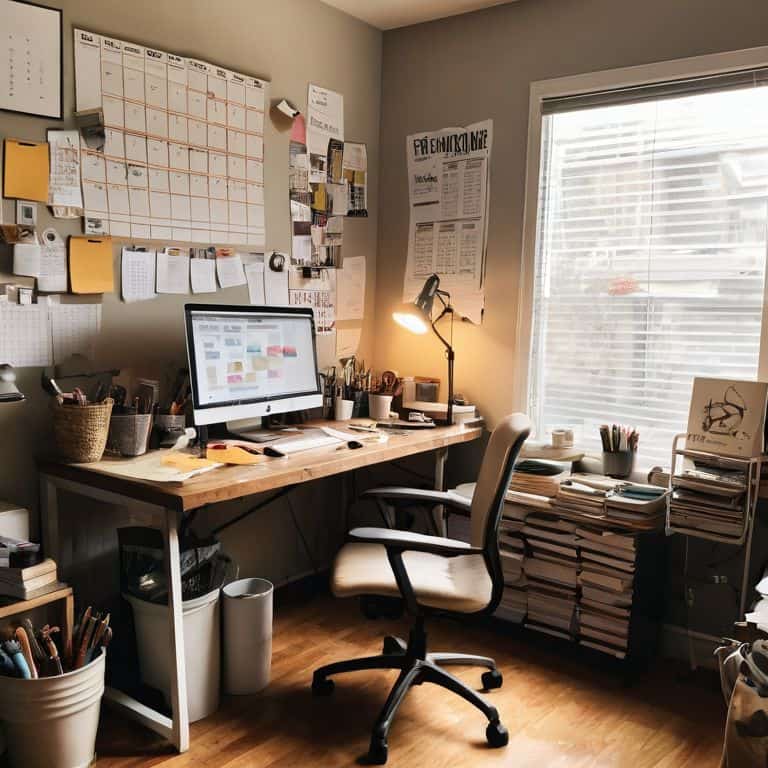
- 1. First, set clear boundaries between your personal and professional life by designating a specific workspace in your home or renting a studio. This will help you establish a routine and avoid the temptation to work on personal projects during client hours. I like to think of this as creating a sacred space for my creativity to thrive.
- 2. Next, develop a client onboarding process that includes a thorough questionnaire, a clear contract outlining the scope of work, and a scheduled call to discuss expectations and goals. This will help you understand your client’s needs and ensure that you’re both on the same page. I’ve found that active listening is key in these initial conversations, as it helps to build trust and prevent miscommunication down the line.
- 3. Create a project management system that works for you, whether it’s a digital tool like Trello or Asana, or a physical bulletin board in your workspace. This will help you stay organized and focused on the tasks at hand, and ensure that you’re meeting deadlines and delivering quality work to your clients. I’m a big fan of color-coding my tasks and deadlines to help me visualize my workload and prioritize my time.
- 4. Develop a financial tracking system to keep tabs on your income, expenses, and taxes. This can be as simple as using a spreadsheet or as complex as investing in accounting software. The key is to find a system that works for you and stick to it, so you can avoid the stress and uncertainty of not knowing where you stand financially. I like to set aside one day a month for financial review, where I go over my numbers and make adjustments as needed.
- 5. Establish a self-care routine that nourishes your mind, body, and spirit. This can include activities like yoga, meditation, or journaling, as well as scheduling time for rest and relaxation. As a creative freelancer, it’s easy to get burned out if you’re not taking care of yourself, so make sure to prioritize your own needs and listen to your body. I’ve found that taking a few minutes each morning to practice morning pages helps me clear my mind and set intentions for the day.
- 6. Build a professional network by attending industry events, joining online communities, and connecting with other freelancers and potential clients on social media. This will help you stay informed about industry trends and best practices, and provide opportunities for collaboration and growth. I’ve found that being authentic and genuinely interested in others is key to building meaningful relationships in your network.
- 7. Continuously develop your skills and stay up-to-date with the latest tools and technologies in your field. This can include taking online courses, attending workshops, or participating in webinars and conferences. As a creative freelancer, it’s essential to stay adaptable and open to learning, so you can continue to deliver high-quality work and attract new clients. I like to set aside one hour each week for professional development, where I focus on learning something new and improving my craft.
The Business of Being a Creative Freelancer

As I reflect on my journey as a freelance writer, I realize that setting freelance rates is a crucial aspect of maintaining a sustainable career. It’s essential to consider the value you bring to a project, as well as the time and effort required to deliver high-quality work. I’ve learned to negotiate contracts with confidence, taking into account factors like the client’s budget, the project’s scope, and my own financial goals.
Effective time management is also vital for freelancers, as it allows us to balance multiple projects and meet deadlines. I prioritize my tasks using a color-coded system, which helps me stay organized and focused. By optimizing my freelance workflow, I can deliver exceptional results while maintaining a healthy work-life balance. This, in turn, enables me to take on more projects and grow my business.
To attract new clients and showcase my skills, I invest time in creative portfolio building. This involves curating a selection of my best work and presenting it in a way that showcases my unique voice and style. By doing so, I can demonstrate my value to potential clients and establish myself as a reputable freelancer in my industry.
Beyond Briefs Freelance Contract Negotiation
As I navigated the world of freelance writing, I quickly learned that contract negotiation is an art form in itself. It’s not just about accepting a project brief, but also about understanding the terms that come with it. I recall a particularly sticky situation where I had to negotiate a contract that seemed too good (and restrictive) to be true. My advice? Don’t be afraid to ask questions and push back when necessary.
A well-crafted contract should protect both you and your client. I make it a point to color-code my contracts, highlighting key clauses and deadlines to ensure I’m on top of things. By being intentional about contract negotiation, you can avoid potential pitfalls and focus on what matters most – creating exceptional work that showcases your talent.
Building Your Worth Setting Freelance Rates
Setting freelance rates is a delicate dance between valuing your worth and attracting clients. I recall my early days as a freelancer, undercharging for my services and overdelivering, only to burn out. Now, I prioritize my time and expertise, using a rate calculator to determine my minimum hourly rate. This ensures I’m fairly compensated for my creative work, allowing me to focus on high-quality output rather than rushing to meet low-paying deadlines. By establishing a clear pricing structure, you’ll not only boost your confidence but also attract clients who respect your value.
Navigating the Business Side of Creative Freelancing: 5 Essential Tips
- Set clear boundaries with clients by establishing a thorough contract that outlines scope, deadlines, and payment terms to avoid scope creep and ensure a smooth working relationship
- Develop a robust pricing strategy by considering factors such as industry standards, experience, and the value you bring to the project, and be prepared to negotiate with confidence
- Create a schedule that balances work and self-care, allowing for focused ‘creative sprints’ and intentional rest to maintain productivity and avoid burnout
- Implement a system for tracking time, expenses, and invoices to streamline your financial management and reduce stress, such as using a cloud-based accounting tool or a bullet journal
- Cultivate a professional online presence by building a personal website or portfolio that showcases your skills, services, and testimonials, and engage with potential clients and collaborators on social media to expand your network and opportunities
Key Takeaways for Creative Freelancers
I’ve learned that negotiating freelance contracts is not just about getting the best rate, but also about understanding the scope of work and setting clear boundaries with clients
Setting freelance rates is a delicate balance between valuing my worth as a creative and being competitive in the market – it’s essential to consider factors like experience, expertise, and the value I bring to the project
By prioritizing intentional living, practicing self-care, and building sustainable habits, I’ve found that I can maintain my creative energy and productivity, even in the midst of chaotic projects and tight deadlines
Embracing the Freelance Journey
The business of being a creative freelancer isn’t just about selling your services, it’s about crafting a life that nurtures your art and fuels your soul – where every project is a reflection of your worth, and every boundary is a testament to your self-love.
Audrey Bell
Embracing the Freedom of Freelance Creativity

As I reflect on the journey of building a life as a creative freelancer, I’m reminded of the importance of intentional planning. From navigating the world of freelance contract negotiation to setting rates that reflect our worth, it’s clear that success in this field requires a combination of artistic talent and business acumen. I’ve learned that embracing uncertainty is a crucial part of this journey, whether it’s taking on new projects, exploring different mediums, or simply trusting the process. By focusing on building sustainable habits and prioritizing our well-being, we can create a foundation for long-term success and continue to produce work that is authentic and meaningful.
As we move forward on this path, I want to leave you with a final thought: your creativity is a gift, and it’s worth fighting for. Don’t be afraid to take risks, to experiment, and to push beyond the boundaries of what’s expected. Remember that your worth isn’t defined by your productivity, but by the value you bring to the world through your unique perspective and talents. By staying true to ourselves and our art, we can build a life that is fulfilling, sustainable, and truly our own.
Frequently Asked Questions
How do I balance the creative aspects of my work with the business side of freelancing?
For me, it’s all about scheduling ‘creative sprints’ and ‘intentional rest’ to maintain harmony between art and admin. I prioritize my most creative work for mornings, saving afternoons for business tasks, and make sure to color-code my calendar to keep everything organized and visually appealing.
What are some common pitfalls to avoid when negotiating contracts with clients?
I’ve learned the hard way that unclear scopes, vague deadlines, and neglecting to discuss revisions can lead to headaches down the line. Always ensure you’re on the same page as your client, and don’t be afraid to push back if something feels off – it’s better to have the tough conversations upfront.
How can I effectively market myself and find consistent, well-paying freelance work?
To market myself, I focus on showcasing my creative work through a professional online portfolio and engaging social media presence. I also prioritize networking, attending industry events, and collaborating with other freelancers to find consistent, well-paying projects that align with my skills and values.