A Guide on How to Find a Work-life Balance as a Creative
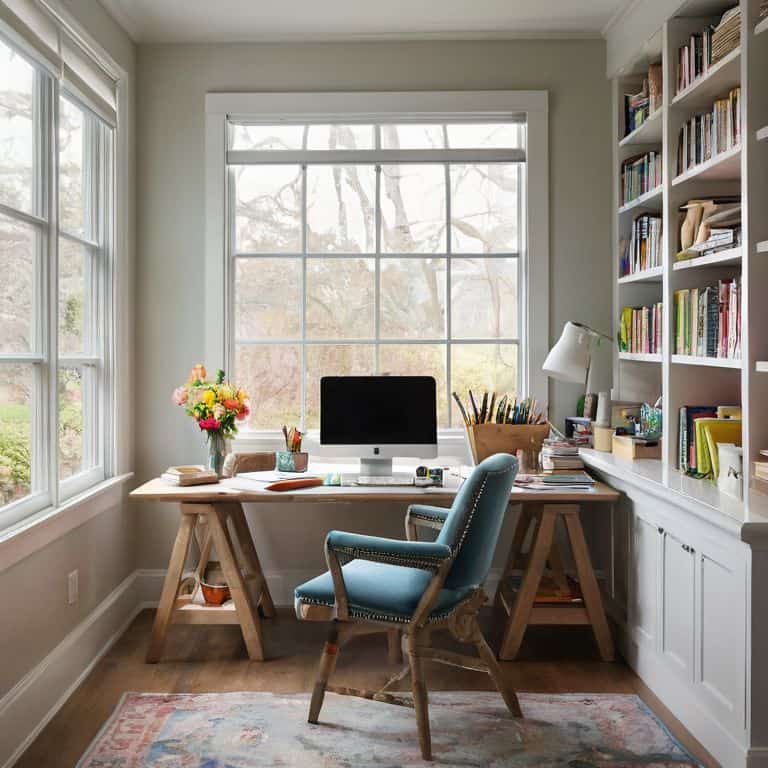
I still remember the day I hit rock bottom, realizing that my frantic pursuit of deadlines and my passion for writing had taken a toll on my mental and physical health. I was desperate to learn how to find a work-life balance, but every article I read seemed to offer the same generic advice. It wasn’t until I stumbled upon the concept of intentional rest that things started to shift for me. I began to understand that finding balance wasn’t about adding more to my plate, but about being mindful of how I spent my time.
In this article, I’ll share my personal story of trial and error, and the practical systems I’ve developed to achieve a better balance between my creative work and personal life. You can expect honest and actionable advice on how to prioritize your well-being, set realistic boundaries, and cultivate a sense of calm in the midst of chaos. I’ll dive into the specifics of creative sprints and intentional rest, and how these practices have helped me build a sustainable freelance career. My goal is to empower you with the tools and mindset necessary to create a life that supports your art, not drains it.
Table of Contents
Guide Overview: What You'll Need
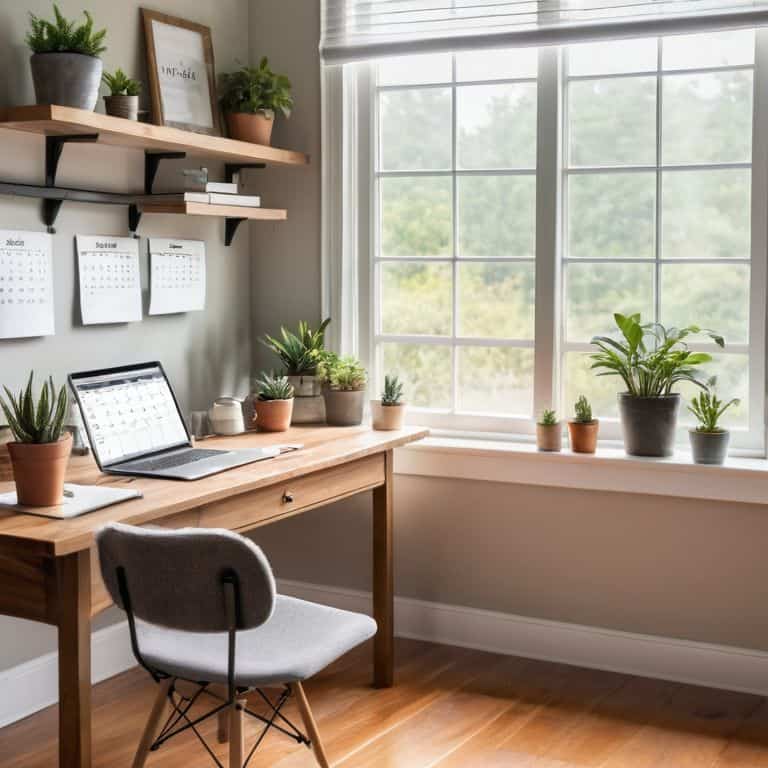
Total Time: 1 week to 1 month
Estimated Cost: $0 – $100
Difficulty Level: Intermediate
Tools Required
- Calendar (physical or digital)
- Journal (for tracking time and activities)
- Computer (with internet access)
Supplies & Materials
- Stress Management Books (optional)
- Time Management Apps (optional)
- Relaxation Techniques Guides (optional)
Step-by-Step Instructions
- 1. First, let’s start by acknowledging that finding a work-life balance is a personal journey, and what works for someone else might not work for you. To begin, take some time to reflect on your priorities – what are your non-negotiables, and what are you willing to compromise on? For me, it’s about making time for my morning pages and yoga practice, as they help me stay grounded and focused.
- 2. Next, I want you to take a close look at your schedule and identify the time-wasters – those things that suck up your time without giving you much in return. Maybe it’s mindless scrolling on social media, or maybe it’s getting caught up in email notifications. Whatever it is, make a conscious effort to limit your exposure to these time-wasters, and replace them with activities that nourish your mind, body, and soul.
- 3. Now, let’s talk about boundaries – those invisible lines that separate your work life from your personal life. As a freelancer, I’ve had to learn to set clear boundaries with my clients, and with myself. This means designating specific work hours, and sticking to them, even when it’s tempting to work late into the night or on weekends.
- 4. Another crucial step in finding a work-life balance is to learn to say no – to commitments that don’t align with your priorities, to requests that drain your energy, and to opportunities that don’t feel right. Remember, saying no to something that doesn’t serve you means saying yes to yourself, and that’s a powerful thing.
- 5. As you start to make progress on your journey to work-life balance, it’s essential to track your progress – to see what’s working, and what areas need more attention. For me, this means using a bullet journal to log my daily activities, and reflect on my habits and patterns. By doing so, I can identify areas where I need to make adjustments, and celebrate my small wins along the way.
- 6. It’s also important to schedule self-care into your daily or weekly routine – whether that’s reading a book, taking a walk, or simply enjoying a cup of coffee in peace. By prioritizing self-care, you’ll be better equipped to handle the ups and downs of life, and maintain a sense of calm and clarity.
- 7. Finally, I want to emphasize the importance of embracing flexibility – of being open to change, and willing to adjust your plans when circumstances shift. Life is unpredictable, and things don’t always go as planned – but by being flexible, and rolling with the punches, you can maintain a sense of balance and equilibrium, even in the midst of chaos.
Finding Balance
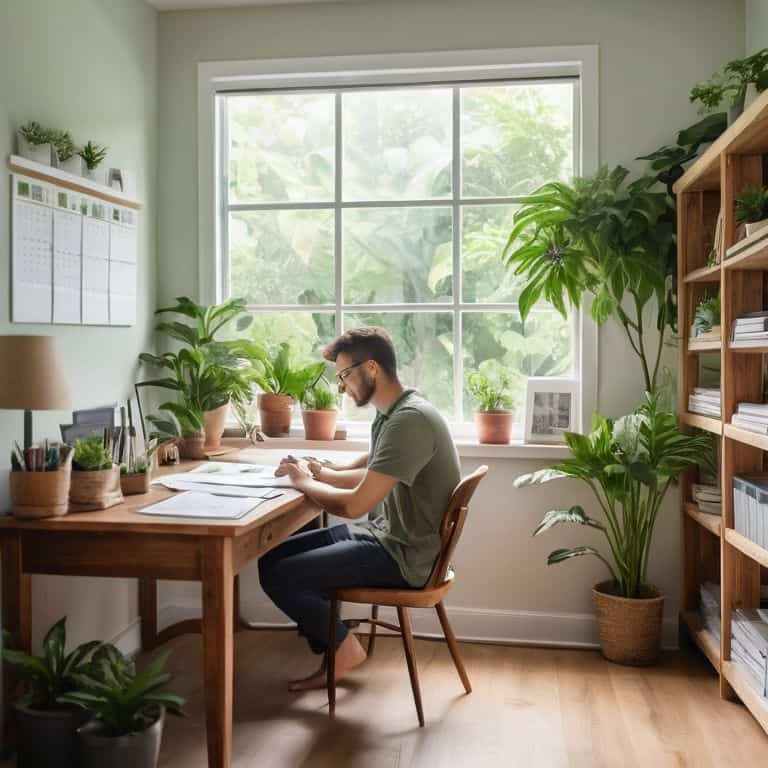
As I reflect on my own journey to achieving a better balance between my work and personal life, I’ve come to realize the importance of setting healthy boundaries at work. This means learning to say no to projects that don’t align with my values or goals, and being mindful of my workload to avoid overcommitting. For freelancers like myself, time management is crucial in maintaining a sense of control and flexibility.
In my experience, establishing a routine that prioritizes self-care has been instrumental in preventing burnout. This includes activities like yoga and journaling, which help me clear my mind and stay focused. By incorporating these practices into my daily schedule, I’ve found that I’m more productive and better equipped to handle the demands of my work. Avoiding burnout is essential for remote workers like myself, who often blur the lines between work and personal life.
To maintain a sense of balance, I’ve also found it helpful to create a schedule that accounts for both work and personal activities. This includes blocking out dedicated time for work, as well as leaving space for rest and relaxation. By being intentional with my time and prioritizing my well-being, I’ve been able to cultivate a more sustainable and fulfilling lifestyle as a creative freelancer.
Setting Healthy Boundaries
Setting Healthy Boundaries
For me, boundaries are the unsung heroes of work-life balance. I’ve learned to prioritize self-care by scheduling it into my day, just as I would any other important task. This means saying no to non-essential work projects that creep into my personal time, and yes to activities that nourish my mind and body, like yoga and journaling. By being intentional with my time, I’ve created space for the things that truly matter.
I color-code my calendar to differentiate between work, rest, and play, ensuring a visual reminder of my boundaries. This simple system helps me stay on track and avoid the burnout that can come from blurring the lines between work and personal life.
Time Management for Sanity
For me, time management is about creating space for both work and life to coexist. I use a color-coded calendar to schedule “creative sprints” and “intentional rest” periods. This visual system helps me stay organized and focused. By allocating specific times for work, self-care, and play, I can maintain a sense of balance and avoid burnout.
I’ve found that prioritizing my morning routine, which includes journaling and yoga, sets a positive tone for the day. By managing my time intentionally, I can make room for spontaneity and flexibility, allowing me to adapt to life’s unexpected twists and turns. This approach has been a game-changer for my productivity and overall well-being.
Practical Wisdom for Blending Work and Life
- Schedule Downtime with the Same Intention as Worktime: Treat self-care and relaxation with the same importance as meetings and deadlines
- Designate a ‘Stop Work’ Routine to Signal the End of the Workday: Develop a personal ritual, like journaling or a short walk, to mark the transition from work to personal time
- Prioritize Tasks Based on Energy Levels and Creative Flow: Allocate tasks that require the most creativity and energy to your most productive hours, and save less demanding tasks for when your energy wanes
- Implement a ‘No Work Talk’ Rule During Personal Time: Establish boundaries with family and friends to avoid discussing work-related topics during personal hours, protecting your mental space
- Use Color-Coding and Visual Planners to Separate Work and Personal Life: Utilize different colors and planners for work and personal tasks to visually distinguish between the two, reducing mental overlap and increasing clarity
Key Takeaways for a Balanced Life
I’ve learned that setting intentional boundaries between work and personal life is crucial, and it starts with small, everyday choices like dedicating device-free time and scheduling self-care
Effective time management is not just about productivity hacks, but also about prioritizing rest and acknowledging that creativity thrives in a balanced environment
By implementing systems like ‘creative sprints’ and ‘intentional rest’, and embracing the beauty of a well-organized space, I’ve found that it’s possible to nurture both my artistic pursuits and my overall well-being
Embracing the Harmony
Balance is not a destination, but a rhythm that ebbs and flows with the seasons of our lives – it’s about listening to our own beat and moving in harmony with our deepest needs.
Audrey Bell
Embracing the Balance
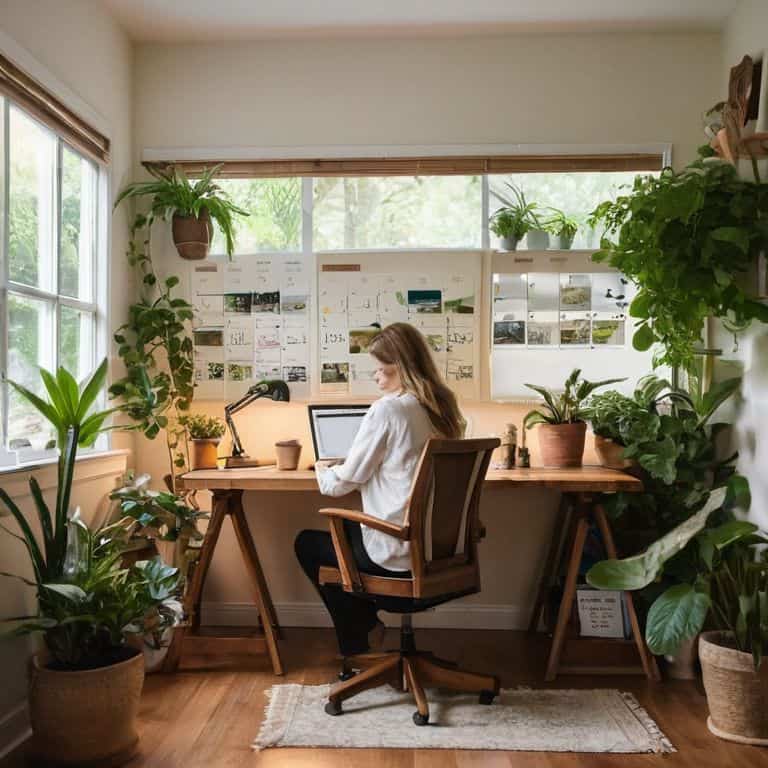
As we’ve explored the journey to finding a work-life balance, it’s essential to remember that setting healthy boundaries and mastering time management for sanity are crucial steps. By implementing these strategies, you’ll be better equipped to handle the chaos of your creative mind and nurture a more organized, calm, and intentional you. It’s about creating a system that works for you, not against you – and that’s where embracing flexibility comes into play. Life is unpredictable, and your approach to balance should be adaptable enough to roll with the punches.
So, as you close this chapter and embark on your own quest for balance, remember that it’s a continuous process. Don’t be too hard on yourself when things get messy – and they will. Instead, focus on progress, not perfection. Celebrate your small wins, and use them as motivation to keep moving forward. By doing so, you’ll find that the pursuit of balance becomes a journey of self-discovery, growth, and ultimately, a more fulfilling creative life.
Frequently Asked Questions
How can I prioritize self-care without feeling guilty about taking time away from work or family responsibilities?
For me, prioritizing self-care without guilt means scheduling it like any other non-negotiable appointment. I literally color-code ‘me time’ in my calendar, whether it’s a morning yoga practice or a solo walk. By treating self-care as essential, I’m more focused and present for work and loved ones, making it a win-win.
What are some strategies for communicating my boundaries with colleagues, friends, and loved ones without feeling like I'm letting them down?
For me, it’s about being honest and direct while still being kind. I use a simple framework: acknowledge their request, express my limit, and offer an alternative. For example, “I appreciate you thinking of me, but I need some downtime this weekend. How about we catch up next week?” It’s not about being rigid, but about being clear and respectful of my own needs.
Can you share any personal anecdotes or examples of how you've implemented work-life balance strategies in your own life as a freelance writer and creative consultant?
I recall when I first started freelancing, I’d work 12-hour days, thinking that’s what it took to succeed. But burnout hit hard. I had to redefine my approach, prioritizing intentional rest and creative sprints. Now, I schedule ‘me time’ and color-code my calendar to ensure balance. It’s not perfect, but it works for me – and that’s what I help my clients achieve too.