How to Create a Work-life Boundary When You Work From Home

I still remember the day I realized that blurring the lines between my work and personal life was a recipe for disaster. I was working from home as a freelance writer, and my “office” was a cozy corner of my living room. It sounded ideal, but in reality, it meant that I was always “on the clock” and never fully present in my own life. I had to learn how to create a work-life boundary when you work from home, and it wasn’t easy. There’s a common myth that working from home means you can simply roll out of bed and start working in your pajamas, but the truth is, that kind of flexibility can be a curse if you don’t set clear boundaries.
As someone who’s been in the trenches, I want to share with you my hard-won advice on setting healthy limits. In this article, I’ll give you practical tips on how to separate your work and personal life, even when they’re happening in the same physical space. You’ll learn how to create a dedicated workspace, establish a routine that works for you, and avoid the temptation to work 24/7. My goal is to help you achieve a better balance between your work and personal life, so you can thrive as a remote worker, not just survive. By the end of this article, you’ll have a clear plan for creating a work-life boundary that actually works, and you can start enjoying the freedom and flexibility that comes with working from home.
Table of Contents
Guide Overview: What You'll Need

Total Time: 1 hour 30 minutes
Estimated Cost: $0 – $100
Difficulty Level: Easy
Tools Required
- Calendar (digital or physical)
- Timer (optional)
- Noise-Cancelling Headphones (optional)
Supplies & Materials
- Dedicated Workspace (designate a specific work area)
- Boundary Signs (e.g., a door sign that says ‘Do Not Disturb’)
- Time-Tracking Software (to monitor work hours)
- Communication Plan (to set expectations with family and friends)
Step-by-Step Instructions
- 1. First, I want to emphasize the importance of defining your workspace when working from home. This means designating a specific area of your home as your office and keeping it organized and clutter-free. For me, this has been a game-changer in terms of productivity and focus. I’ve set up a dedicated home office in a quiet corner of my apartment, and I try to keep it _spotless_ to avoid distractions.
- 2. Next, it’s essential to establish a _routine_ that signals to your brain that it’s time to work. This could be as simple as making a cup of coffee, doing a quick meditation, or going for a short walk. I personally like to start my day with a _morning pages_ journaling session, where I write down my thoughts, goals, and intentions for the day. This helps me get centered and focused on what needs to be done.
- 3. Now, let’s talk about setting boundaries with family and friends. When you work from home, it can be tempting for loved ones to assume you’re available to hang out or run errands during the day. But it’s crucial to communicate your work hours and boundaries clearly to avoid interruptions and maintain productivity. I’ve found that setting _specific work hours_ and sticking to them has been really helpful in this regard.
- 4. To further reinforce your work-life boundary, consider implementing a “shutdown ritual” at the end of your workday. This could be something as simple as closing your laptop, taking a few deep breaths, or doing a quick stretch. I like to do a _short yoga practice_ to signal to my brain that it’s time to transition out of work mode.
- 5. Another key step is to schedule downtime into your calendar. When you work from home, it can be easy to get sucked into work-related tasks at all hours of the day and night. But it’s essential to prioritize self-care and make time for activities that bring you joy and relaxation. For me, this means scheduling _weekly museum visits_ or _coffee breaks_ with friends to break up the monotony of work.
- 6. In addition to scheduling downtime, it’s also important to establish a “stop doing” list. This means identifying tasks or activities that are not essential to your work or well-being and eliminating them from your daily routine. I’ve found that _streamlining my tasks_ and focusing on the most important ones has been really helpful in reducing stress and increasing productivity.
- 7. Finally, I want to emphasize the importance of reviewing and adjusting your work-life boundary on a regular basis. As your work and personal life evolve, your boundaries may need to shift to accommodate new demands and priorities. I like to _schedule regular check-ins_ with myself to assess what’s working and what’s not, and make adjustments as needed to maintain a healthy balance between work and life.
Saving Sanity at Home
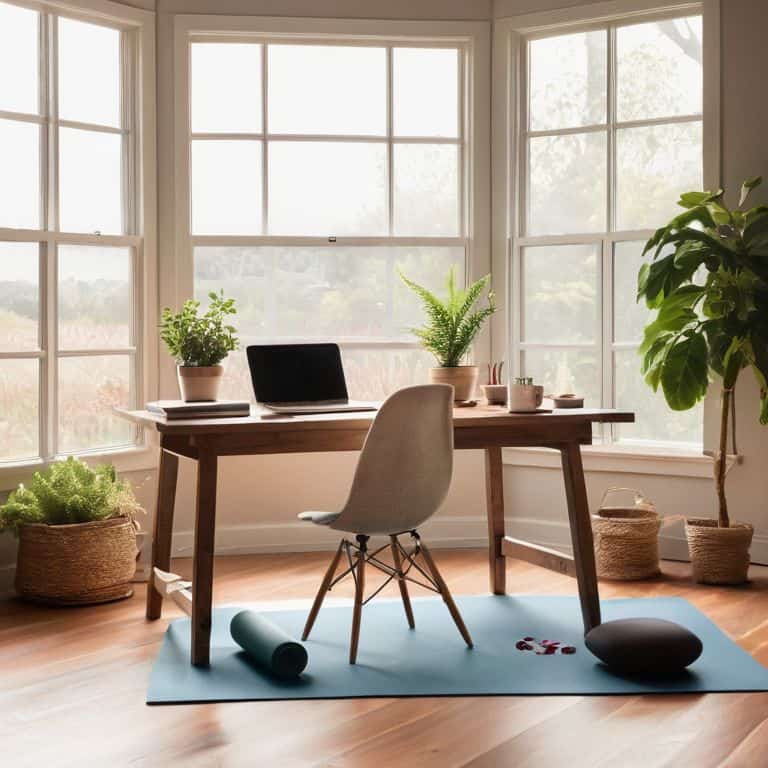
As I reflect on my own journey as a freelancer, I realize that saving sanity at home requires a multifaceted approach. One crucial aspect is establishing morning routines for remote workers, which helps signal the start of the workday. For me, this means beginning with a 30-minute yoga practice, followed by a quiet moment of journaling. This ritual not only sets the tone for the day but also helps me transition into a productive mindset.
In addition to morning routines, it’s essential to have strategies for minimizing work creep, which can quickly blur the lines between work and personal life. I’ve found that designing a home office for productivity is vital in maintaining a healthy boundary. By dedicating a specific area for work, I can mentally associate that space with focused work, making it easier to “clock out” at the end of the day.
To further support my well-being, I prioritize self-care for home workers, which includes scheduling time for activities that bring me joy, such as visiting museums or practicing bullet journaling. By making time for these pursuits, I can recharge and maintain a sense of balance in my life. This, in turn, helps me stay focused and motivated during work hours, allowing me to set healthy boundaries with family and friends and protect my personal time.
Minimizing Work Creep Strategies
To prevent work from seeping into my personal space, I implement a few strategies. I designate a specific “workbox” in my home office, where I store all work-related materials. This visual cue helps me mentally separate work from personal time. I also set clear boundaries around my work hours, avoiding the temptation to “just check one more email” outside of work time.
I’ve found that scheduling personal activities, like yoga or journaling, immediately after work helps signal the transition to personal time. This intentional buffer zone prevents work creep and allows me to fully engage in activities that nourish my mind and body. By prioritizing these boundaries, I’ve been able to maintain a healthier work-life balance and protect my sanity, even in the midst of a busy freelance career.
Morning Routines for Remote Workers
As I’ve learned, morning routines can be a game-changer for remote workers. For me, it starts with a 10-minute morning page session, followed by a gentle yoga flow. This quiet time helps me set intentions for the day and prioritize my tasks. I also make sure to plan out my outfit and prep my breakfast the night before, so I can dive straight into my creative work without distractions.
By incorporating a consistent morning routine, I’ve found that I’m more focused and energized throughout the day. It’s not about adding more to your plate, but rather creating a sense of calm and control in the chaos of working from home. Even small habits, like sipping a cup of tea or simply taking a few deep breaths, can make a significant difference in how you approach your work and personal life.
Setting Boundaries: 5 Essential Tips for Remote Workers
- Designate a dedicated workspace to separate work and personal areas, just as I did when I converted my guest room into a home office
- Establish a routine that includes ‘office hours’ and stick to it, even if it means setting reminders on your phone to signal the start and end of your workday
- Implement a ‘shutdown ritual’ to signal the end of your workday, such as closing your laptop, taking a short walk, or practicing a few yoga poses
- Set clear boundaries with family and friends by communicating your work hours and needs, and consider setting up a ‘do not disturb’ sign on your door
- Schedule regular ‘creative sprints’ and ‘intentional rest’ periods to maintain a healthy work-life balance, and don’t be afraid to take breaks and practice self-care throughout the day
Key Takeaways for a Balanced Home Office Life
Establishing a dedicated workspace helps to create a clear physical boundary between work and personal life, reducing the likelihood of work creep and promoting a healthier work-life balance
Implementing intentional morning routines, such as journaling or yoga, can set a positive tone for the day and improve mental clarity, while minimizing work creep strategies like scheduling downtime and learning to say no can help maintain sanity
Prioritizing self-care and intentional rest, through practices like color-coding your schedule or planning creative sprints, can help remote workers recharge and maintain their creativity, ultimately leading to a more sustainable and fulfilling freelance career
Setting Boundaries with Intention
Creating a work-life boundary when you work from home isn’t about building walls, it’s about crafting a harmonious balance that allows your personal and professional worlds to thrive, each in their own sacred space.
Audrey Bell
Creating Harmony in Home Workspaces
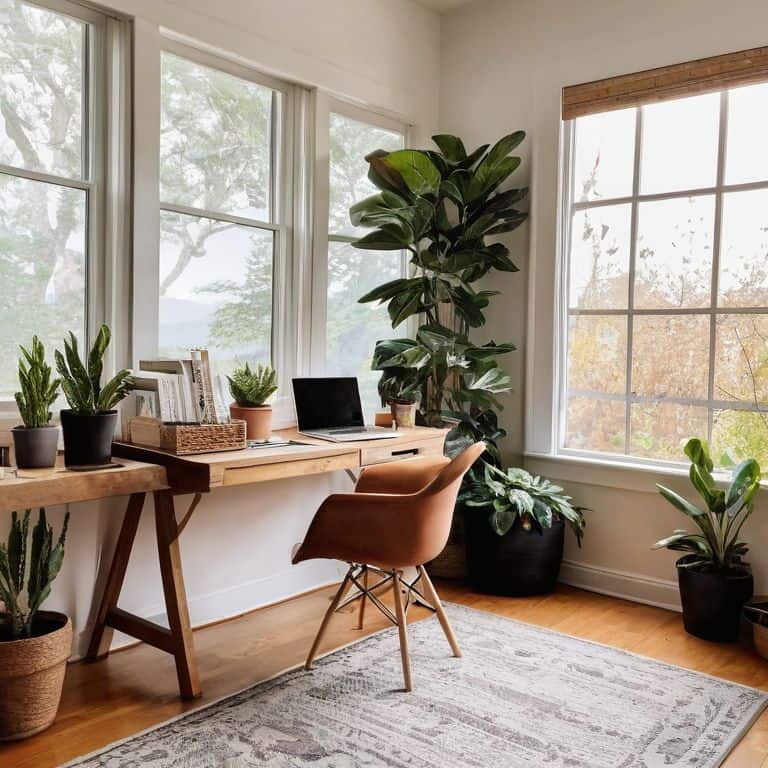
As I reflect on my journey to establishing a healthy work-life balance, I’m reminded of the importance of intentional boundaries. By implementing a structured morning routine, minimizing work creep, and designating a specific workspace, I’ve been able to maintain my sanity and nurture my creativity. It’s not always easy, but the payoff is well worth the effort. I encourage you to experiment with different strategies until you find what works best for you, whether that’s a bullet journal to stay organized or a yoga practice to reduce stress.
As you embark on your own journey to create a harmonious home workspace, remember that it’s okay to be flexible and make adjustments as needed. The key is to prioritize self-care and recognize that your work and personal life are interconnected. By doing so, you’ll be able to cultivate a sense of balance and fulfillment that will have a positive impact on all areas of your life. So, take a deep breath, be kind to yourself, and celebrate the small victories along the way – you got this!
Frequently Asked Questions
How can I prevent work from creeping into my personal time when my home office is always available?
To prevent work creep, I set a “shutdown ritual” for my home office – closing my laptop, putting away papers, and switching off the desk lamp. This visual cue signals the end of work hours, helping me separate my professional and personal life.
What are some strategies for communicating my work hours and boundaries to family and friends?
I swear by a simple yet effective tactic: scheduling a ‘boundary-setting’ conversation with loved ones. I explain my work hours, priorities, and needs, and establish clear expectations. I also set reminders on shared calendars to ensure everyone’s on the same page. This intentional approach has been a game-changer in maintaining healthy work-life boundaries.
How can I create a physical distinction between my work and personal spaces when I live in a small apartment?
In my tiny studio, I designated a specific corner for work by using a room divider and a colorful rug. This visual separation helps me mentally switch between work and play modes. I also invested in a compact, ergonomic desk that folds away when I’m not working, reclaiming my space for personal time.