A Guide on How to Develop Your Personal Style in Art
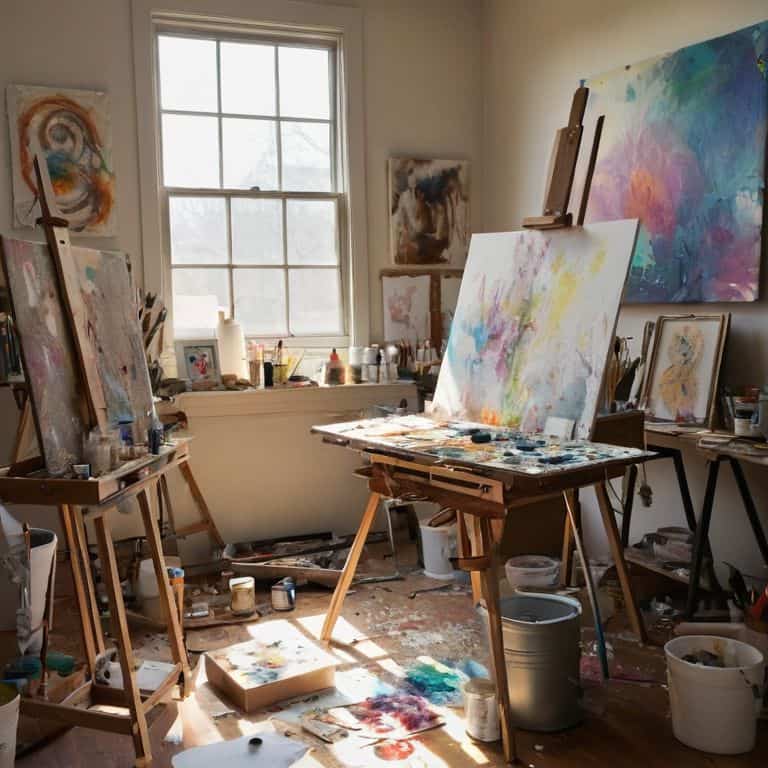
As I sit amidst the vibrant chaos of my favorite artist’s studio, surrounded by half-finished canvases and scattered paint tubes, I’m reminded that how to develop your personal style in art is a journey, not a destination. It’s a path fraught with self-doubt, experimentation, and yes, even those happy accidents that can either make or break a piece. I’ve seen it time and time again – the frustration, the fear of not being “good enough,” the pressure to conform to someone else’s idea of what art should be. But what if I told you that the key to unlocking your unique voice lies not in emulating others, but in embracing the unknown?
In this article, I promise to share with you the honest, unvarnished truth about developing your personal style in art. You won’t find any formulaic steps or superficial tips here. Instead, I’ll guide you through the real process of discovery, one that requires patience, persistence, and a willingness to take risks. We’ll explore the importance of creative fallow seasons, and how to harness the power of experimentation to uncover your true artistic voice. So, if you’re ready to embark on a journey of self-discovery and artistic growth, let’s dive in and explore the uncharted territory of how to develop your personal style in art.
Table of Contents
Guide Overview: What You'll Need
Total Time: several weeks or months
Estimated Cost: $0 – $100
Difficulty Level: Intermediate
Tools Required
- Sketchbook (for brainstorming and sketching ideas)
- Pencils (of various grades)
- Eraser (for correcting mistakes)
- Camera (for capturing reference images)
- Computer (with internet access for research)
Supplies & Materials
- Paints (acrylic or oil, depending on preference)
- Canvas (or other painting surfaces, such as paper or board)
- Brushes (of various sizes and types)
- Colored Pencils (for color exploration)
- Magazines (for cutting out reference images)
Step-by-Step Instructions
- 1. First, let’s talk about _embracing the unknown_ and giving yourself permission to experiment. This is a crucial step in developing your personal style in art, as it allows you to break free from conventions and explore new ways of expressing yourself. Start by setting aside some time to play with different mediums, techniques, and tools – don’t worry too much about the outcome, just focus on the process and see what happens.
- 2. Next, I want you to think about the _artists who inspire you_ and what it is about their work that resonates with you. Is it their use of color, composition, or maybe their ability to evoke a certain mood or atmosphere? Make a list of the elements that you admire about their work and see if you can incorporate some of those elements into your own practice. This is not about copying their style, but rather about using their work as a starting point for your own exploration.
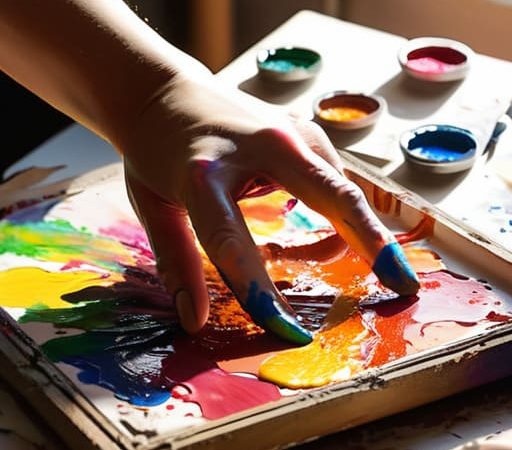
- 3. Now, it’s time to get _hands-on and messy_. Set up a space where you can work without worrying about making a mess, and start experimenting with different materials and techniques. This could be anything from painting and drawing to sculpture and collage. Remember, the goal is to have fun and take risks, so don’t be afraid to try new things and see what happens.
- 4. As you continue to experiment and explore, start to _pay attention to your instincts_ and listen to your inner voice. What feels right to you? What doesn’t? Trust your instincts and follow your curiosity, even if it leads you down a path that you’re not sure about. This is where the magic happens, and you start to develop your own unique voice.
- 5. Next, I want you to think about the _story you want to tell_ through your art. What themes, emotions, or ideas do you want to convey? What message do you want to get across? This will help you to focus your vision and create work that is more meaningful and authentic. Don’t worry too much about what others will think – this is about telling your own story, in your own way.
- 6. Now, it’s time to _refine your skills_ and develop your craft. This doesn’t mean that you need to become a technical expert, but rather that you should focus on honing your unique voice and style. Practice regularly, and be patient with yourself as you continue to grow and develop. Remember, the goal is not to create perfect work, but to create work that is true to who you are.
- 7. Finally, _don’t be afraid to take breaks_ and step away from your work. Sometimes, the best thing you can do for your creativity is to give yourself some space and time to recharge and reflect. This will help you to come back to your work with fresh eyes and a newfound sense of inspiration. Trust that your creative well will always be replenished, and that the ideas will keep flowing if you just give yourself the time and space to let them emerge.
Finding Your Artistic Voice
As I sit amidst the gentle chaos of my own studio, surrounded by half-finished canvases and the whispers of old letters from artists past, I am reminded that finding your artistic voice is a journey of self-discovery. It’s a path winding through the realms of understanding art movements, where the likes of Monet and Picasso once roamed, leaving behind trails of innovation and creativity. To truly develop a unique aesthetic, one must be willing to experiment, to take risks, and to embrace the unknown.
Incorporating personal experiences into your art can be a powerful catalyst for growth, allowing your work to become a reflection of your very soul. I recall the words of Georgia O’Keeffe, who once said, “Whether you succeed or not is irrelevant, there is no such thing as a failure in art.” This mindset is crucial when overcoming creative blocks, those frustrating moments when the muse seems to have abandoned us. It’s in these moments that we must dig deep, drawing upon our own inner world for inspiration.
As we navigate the complex landscape of artistic expression, it’s essential to analyze the work of influential artists, to understand the techniques and philosophies that guided their creative processes. By doing so, we can gain a deeper appreciation for the artistic expression techniques that have shaped the course of art history. And yet, it’s equally important to remember that our own unique voice is what sets us apart, what makes our work truly authentic. In the end, it’s this delicate balance between inspiration and innovation that will allow us to forge our own path, to create work that is at once personal and universal.
Techniques for Overcoming Creative Blocks
As I sit amidst the gentle chaos of my own studio, surrounded by half-finished projects and scattered inspirations, I’m reminded that creative blocks are an inevitable part of the journey. It’s in these moments that I turn to the wisdom of fellow artists, who’ve navigated similar struggles and emerged with innovative solutions. For instance, the surrealist technique of automatism – allowing the subconscious to guide your brushstrokes – can be a powerful catalyst for overcoming creative stagnation. By surrendering to the unknown, we can tap into a deeper well of inspiration and unlock new avenues of self-expression.
In my own practice, I’ve found solace in the ancient art of ikebana, where the intentional placement of each flower and branch becomes a meditation on balance and harmony. This mindful approach can be applied to any creative pursuit, helping to quiet the mind and awaken the senses. By embracing the beauty of imperfection and the freedom to experiment, we can transform creative blocks into opportunities for growth and discovery.
Understanding Art Movements to Inspire
As I wander through the studios of fellow artists, I’m reminded that our unique voices are often whispered to us by the masters who came before. Understanding art movements can be a powerful catalyst for inspiration, allowing us to tap into the collective unconscious of creativity. By immersing ourselves in the works of Impressionists, Expressionists, or Abstract Expressionists, we can begin to discern the rhythms and harmonies that resonate deep within us.
In the words of Paul Klee, “Art does not reproduce the visible; rather, it makes visible.” As we explore the diverse landscapes of art history, we may stumble upon a style or technique that awakens a hidden part of our own artistic soul. This synergy can help us distill our unique perspective, much like a poet distills the essence of a moment into a single, fleeting image.
Embracing the Journey: 5 Tips to Uncover Your Unique Artistic Voice
- Allow yourself to get lost in the process, embracing the twists and turns that lead to unexpected breakthroughs and a style that’s authentically yours
- Experiment with different mediums and techniques, not to mimic others, but to understand what resonates with you and sparks your creativity
- Study the masters, but don’t just stop at their techniques – delve into their stories, struggles, and inspirations to understand the depth of their art
- Cultivate a habit of observation, finding inspiration in the mundane and the ordinary, and practice capturing the essence of what moves you
- Be patient and kind to yourself as you navigate the ebbs and flows of your creative journey, remembering that your personal style is a evolution, not a static destination
Embracing the Journey: 3 Key Takeaways
Your personal style in art is a unique fingerprint that emerges from experimentation, risk-taking, and embracing happy accidents, rather than a formulaic approach
Understanding and drawing inspiration from various art movements can help you find your artistic voice, but it’s equally important to break free from the need for perfection and allow yourself to get a little lost in the creative process
By acknowledging and working through creative blocks, rather than fearing them, you can tap into the fallow seasons of your mind and uncover new ideas, ultimately cultivating a style that is authentic, evolving, and truly your own
Embracing the Journey
Your personal style in art is not a destination, but a gentle unfolding of your deepest self – it’s the whispered secrets, the happy accidents, and the courageous leaps of faith that ultimately give your work its unmistakable voice.
Genevieve Croix
Embracing Your Unique Creative Journey
As we’ve explored the winding path of developing your personal style in art, remember that it’s a journey of self-discovery and experimentation. We’ve discussed the importance of understanding art movements, techniques for overcoming creative blocks, and finding your artistic voice. It’s essential to recall that creative block is not a hurdle, but rather a fallow season for your mind, where new ideas can germinate and flourish. By embracing this process, you’ll begin to uncover the unique threads that weave your artistic identity together.
As you continue on this creative journey, remember that your personal style is a dynamic tapestry, ever-evolving and unfolding with each new piece you create. Don’t be afraid to take risks, to get lost in the process, and to embrace those happy accidents that often lead to the most remarkable breakthroughs. You are a part of a long lineage of artists who have bravely paved their own paths, and your unique voice is waiting to be unleashed – so go forth, create, and inspire others with the beauty and authenticity of your art.
Frequently Asked Questions
How do I balance the desire to create something entirely new with the influence of my favorite artists and styles?
Embracing your influences while forging something new is a delicate dance. I like to think of it as a conversation between your muses and your own unique voice. Allow yourself to be inspired by the greats, but don’t be afraid to add your own twist, to whisper your own secrets into the creative process.
What role does experimentation play in developing a personal style, and how can I make sure I'm not just replicating what's already been done?
Experimentation is the spark that sets your unique voice ablaze. It’s where happy accidents happen, and innovation meets intuition. Don’t be afraid to try, to fail, and to fuse disparate styles – it’s in these unexpected marriages that your true style begins to emerge, distinct from the echoes of what’s come before.
Can a personal style in art be a dynamic, evolving thing, or is it something that, once found, remains relatively constant throughout one's career?
I believe a personal style in art is a dynamic, evolving entity, much like the artist themselves. As we grow, experience new things, and explore different mediums, our style adapts and transforms. It’s a beautiful, organic process, really – think of it as a river that flows and changes course over time, always remaining true to its essence, yet never stagnant.