A Guide to Finding a Theme for Your Photography Project

I still remember the day I embarked on my first photography project, determined to capture the essence of street life in a bustling city. As I delved into the world of photography, I realized that finding a theme for your photography project is not just about pointing your lens at a subject, but about uncovering the stories that resonate with your soul. The myth that a theme must be grand or complex is a common misconception – in reality, it’s often the simplest, most personal ideas that yield the most compelling results.
As you navigate the process of finding a theme for your photography project, I want to assure you that this article will provide you with honest and practical advice to help you uncover your unique perspective. You’ll learn how to tap into your creative vision, identify the stories that drive your passion, and develop a theme that truly reflects your artistic voice. By the end of this guide, you’ll be equipped with the knowledge and inspiration to embark on your own photography project, one that showcases your distinct style and captures the essence of the world around you.
Table of Contents
- Guide Overview: What You'll Need
- Step-by-Step Instructions
- Finding Your Vision
- Uncovering the Narrative: 5 Key Tips to Find Your Photography Project Theme
- Key Takeaways for Finding Your Photography Theme
- Discovering Your Creative Spark
- Embracing the Journey: Finding Your Photographic Voice
- Frequently Asked Questions
Guide Overview: What You'll Need

Total Time: 1 hour 15 minutes
Estimated Cost: $0 – $10
Difficulty Level: Easy
Tools Required
- Computer (with internet connection)
- Journal (for brainstorming)
Supplies & Materials
- Photography Books (for inspiration)
- Printed Photos (of your previous work)
Step-by-Step Instructions
- 1. First, let’s start by brainstorming ideas that genuinely excite you – think about the things that make you feel alive, the topics that you’re passionate about, or the stories that you want to tell. For me, it’s always about capturing the human experience, and I find inspiration in the people and places that I encounter during my travels. Take some time to jot down your thoughts, and don’t worry too much about whether they seem relevant or not – this is just the beginning of your journey to find the perfect theme for your photography project.
- 2. Next, reflect on your personal experiences and think about how they can shape your photography project. What are some of the most significant events or moments that have influenced your life? How can you use these experiences to create a narrative that resonates with others? I remember when I left my corporate job to pursue photography – it was a turning point in my life, and it ultimately led me to develop a unique perspective that I now share with my students. Look for ways to weave your personal story into your photography, and you’ll find that it becomes more authentic and meaningful.
- 3. Now, let’s talk about identifying your interests and how they can be used to fuel your creativity. What do you enjoy doing in your free time? Are you fascinated by urban landscapes, or do you prefer the serenity of nature? Perhaps you’re interested in street photography, or you have a passion for capturing intimate portraits. Whatever it is, use it as a starting point to explore different themes and ideas. For example, if you’re interested in urban landscapes, you could start by photographing the city at golden hour, when the light is soft and warm, and the atmosphere is filled with energy.
- 4. The next step is to research and gather inspiration from other photographers, artists, and writers. Look at the work of others and try to understand what resonates with you – is it the composition, the lighting, or the storytelling? I often find inspiration in the work of documentary photographers, who have a way of capturing the essence of a moment in a single frame. Take note of what you like about their work, and think about how you can apply those principles to your own photography project.
- 5. Once you have a sense of direction, it’s time to narrow down your ideas and focus on a specific theme. This can be a challenging part of the process, but it’s essential to distill your concept into something clear and concise. Ask yourself questions like: What is the main message I want to convey? What kind of story do I want to tell? What emotions do I want to evoke in my audience? By answering these questions, you’ll be able to refine your idea and create a clear vision for your photography project.
- 6. Now that you have a clear theme in mind, it’s time to develop a concept statement that will guide your photography project. This should be a brief statement that summarizes the essence of your project – what it’s about, what you hope to achieve, and what kind of story you want to tell. For example, my concept statement for a recent project was: “To capture the resilience and hope of a community affected by natural disaster, through intimate portraits and documentary-style photography.” Having a clear concept statement will help you stay focused and ensure that your photography project remains true to your vision.
- 7. Finally, create a shot list or a visual roadmap that will help you stay on track and ensure that you capture all the necessary images for your project. This can be a list of specific shots, locations, or scenarios that you want to photograph, or it can be a more flexible guide that allows you to adapt to changing circumstances. I often create a shot list before embarking on a photography project, and it helps me to stay organized and focused on my goals. Remember to be flexible and open-minded, and don’t be afraid to deviate from your plan if you encounter unexpected opportunities or challenges along the way.
Finding Your Vision
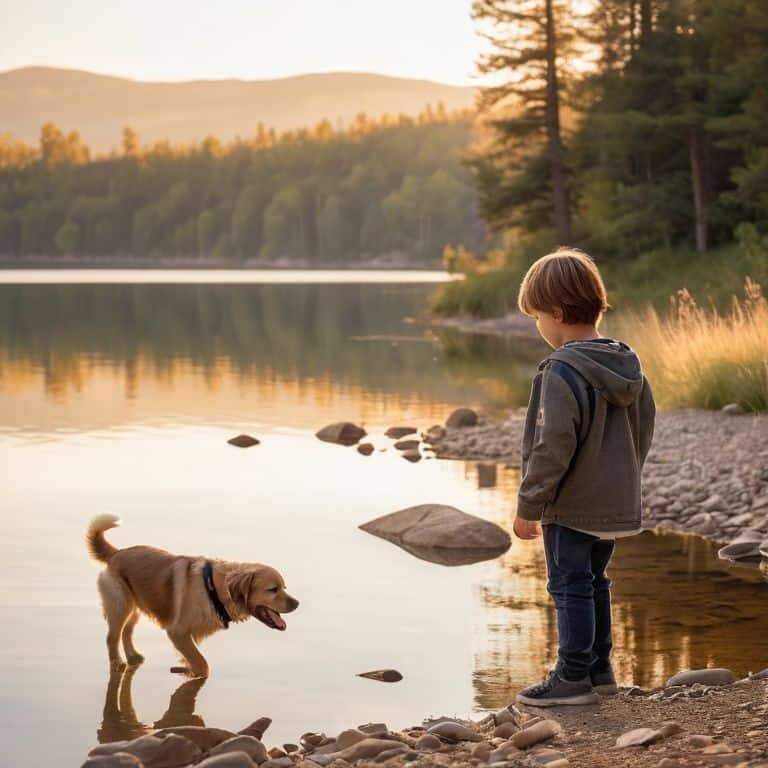
As I reflect on my own journey, I realize that developing a personal photography style is deeply rooted in understanding what sparks your creativity. For me, it’s about capturing the fleeting moments that tell a story. When I’m out on a photo walk, I’m not just looking for interesting compositions, but also for the emotional connection that makes a photograph truly unforgettable.
To uncover your vision, try experimenting with different photography project ideas for beginners, such as documenting your daily routine or exploring your local neighborhood. This will help you discover what resonates with you and what kind of stories you want to tell through your photographs. Storytelling techniques in photography are essential to conveying your message, and it’s crucial to find a approach that feels authentic to you.
As you continue to explore and refine your vision, consider planning a long-term photography project that allows you to dive deeper into a theme or subject that truly fascinates you. This could involve creating a photography project proposal that outlines your goals, objectives, and inspiration. By taking the time to develop your idea and creating a photography project proposal, you’ll be able to stay focused and motivated, ultimately producing a body of work that showcases your unique perspective and style.
Storytelling Through Lens
As I reflect on my own journey, I realize that storytelling through the lens is what sets a photograph apart from a mere snapshot. It’s about capturing the essence of a moment, the emotions, and the atmosphere. I recall a particular shot I took during golden hour, where the soft light danced across my subject’s face, revealing a depth of emotion that words couldn’t express. It was as if the camera had become an extension of my own eyes, seeing the world in a way that felt both intimate and expansive.
Through my lens, I’ve learned to seek out the subtleties of human experience – a glance, a gesture, a fleeting smile. These are the elements that weave a narrative, inviting the viewer to step into the frame and become a part of the story. By embracing this approach, you’ll begin to see the world as a complex tapestry of stories, waiting to be uncovered and shared through your photographs.
Unlocking Personal Style
As I reflect on my own journey, I realize that unlocking personal style is about embracing what makes you unique. For me, it’s the pursuit of golden hour light and the thrill of capturing unposed moments. I’ve learned to trust my instincts and let my curiosity guide my lens. By doing so, I’ve developed a visual voice that’s authentic and distinctive.
When you’re true to your vision, your photos will radiate a sense of honesty and vulnerability. So, take time to experiment, to get lost in the process, and to discover what sets your heart ablaze. What themes, colors, or textures resonate with you? What stories do you want to tell? By tuning into your inner world, you’ll begin to unlock a personal style that’s unmistakably yours.
Uncovering the Narrative: 5 Key Tips to Find Your Photography Project Theme
- Illuminate Your Interests: Start by reflecting on the things that genuinely spark your curiosity and passion, as these often hide the seeds of a compelling theme
- Explore the World Around You: Venture into your neighborhood, city, or nature, and observe the stories unfolding before your eyes – sometimes the best themes are hidden in plain sight
- Experiment with Different Genres: Whether it’s street, portrait, landscape, or still life photography, experimenting with various genres can help you stumble upon a theme that resonates with your vision
- Study the Work of Others: Look at the projects of photographers you admire, analyze what themes they’ve explored, and understand what elements of their work resonate with you – this can be a powerful catalyst for your own thematic discovery
- Allow Yourself to Wander: Don’t be afraid to take your camera and simply start shooting without a predefined plan – often, the best themes emerge from the unexpected moments and observations that come from an open and curious mindset
Key Takeaways for Finding Your Photography Theme
Embracing the art of observation is crucial: slow down, and let the world unfold its stories before your lens, allowing you to capture the essence of your theme
Mastering the dance between light and shadow can make or break your photography project – understanding and harnessing the power of ‘golden hour’ can elevate your work to new heights
Your unique visual voice is the compass that guides your photography journey: by focusing on storytelling, experimenting with composition, and staying true to your passion, you’ll uncover themes that resonate deeply with your audience
Discovering Your Creative Spark
The right theme for your photography project is not something you find, it’s something that finds you – in the moments, the light, and the stories that make your heart beat faster.
Julian Kade
Embracing the Journey: Finding Your Photographic Voice
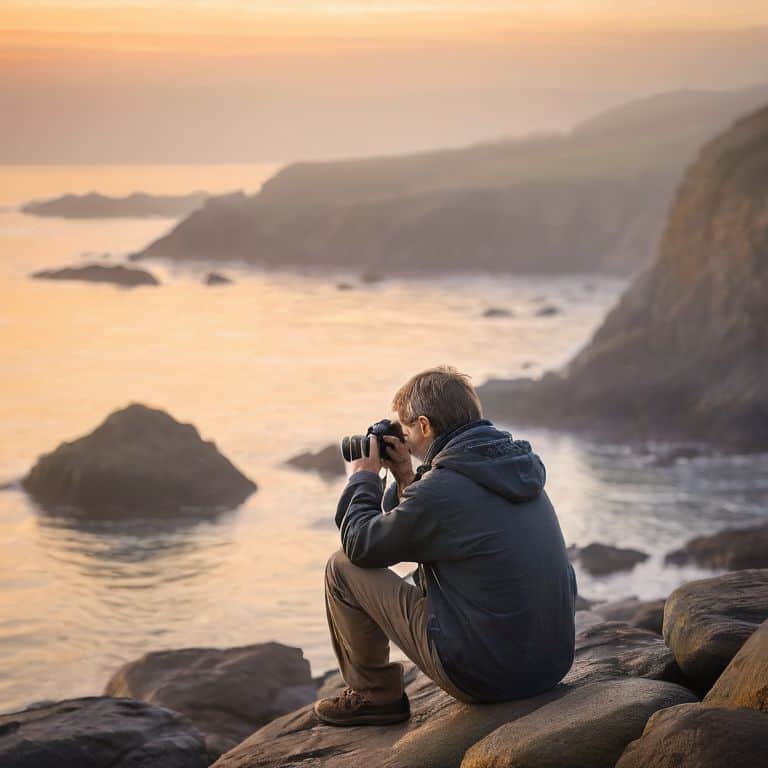
As we conclude this journey of finding a theme for your photography project, remember that the key to unlocking your unique voice lies in embracing your personal style and storytelling through your lens. It’s about capturing the fleeting moments that reveal the essence of your subject, and composing images that evoke emotion and spark connection. By staying true to your vision and continually challenging yourself to see the world from new perspectives, you’ll find that your photography project becomes a reflection of your own distinctive voice.
So, as you set out to capture the world through your camera, remember that the beauty of photography lies not just in the technical aspects, but in the stories it tells. Don’t be afraid to experiment, take risks, and push the boundaries of what you thought was possible. With patience, dedication, and a willingness to learn, you’ll find that your photographs become a window into the soul of your subject, and a reflection of your own unique visual voice.
Frequently Asked Questions
How do I know if a theme is authentic to my vision and style?
For me, a theme feels authentic when it’s rooted in my own experiences and passions. I ask myself, “Is this story worth telling?” and “Does it resonate with my own voice?” When the answer is yes, I know I’ve found a theme that’s true to my vision and style.
What if I'm interested in multiple themes – can I combine them or should I focus on one?
Ah, the beauty of multiple themes – it’s completely normal to be drawn to several. I say, don’t be afraid to experiment and combine them. Think of it as layering stories, where each theme informs and enriches the other. Focus on the common thread that weaves them together, and you’ll start to uncover a unique narrative that’s truly yours.
How do I ensure my theme isn't too broad or too narrow for a cohesive photography project?
To strike the perfect balance, ask yourself: what’s the core story I want to tell? Is it a specific moment, a feeling, or a place? Refine your theme by adding or subtracting elements until it feels focused yet expansive enough to explore. Think of it as finding the golden hour of your idea – where the light is just right.