Chasing the Light: How to Use Natural Light in Your Photos
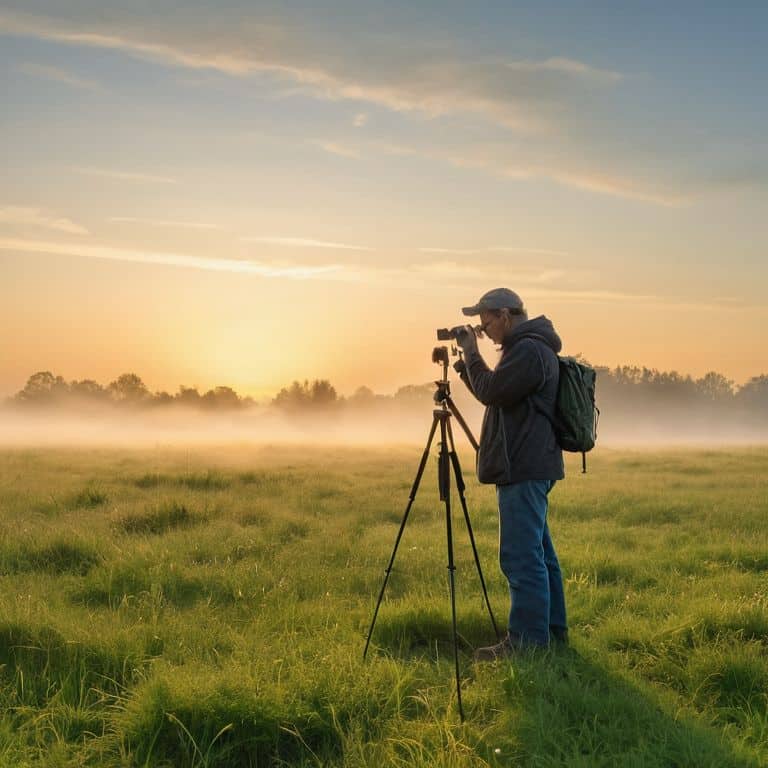
I still remember the moment it clicked for me – I was shooting a portrait series in the streets of Tokyo, and I stumbled upon a quiet alleyway bathed in the most ethereal light. It was as if the city had momentarily paused, and all that was left was the soft, golden glow of the setting sun. I realized then that learning how to use natural light wasn’t just about technicalities, but about capturing the essence of a moment. The myth that you need a fancy studio setup to take great photos is just that – a myth. With a little practice and patience, anyone can harness the power of natural light to tell their story.
In this article, I’ll share my personal approach to working with natural light, from the basics of understanding its behavior to more advanced techniques for elevating your photography. You’ll learn how to scout locations, anticipate the best times of day for shooting, and compositionally balance your frames to make the most of the available light. My goal is to empower you with the knowledge and confidence to take your photography to the next level, and to show you that how to use natural light is not just a technical skill, but a creative superpower that can transform your images and help you tell more compelling stories.
Table of Contents
Guide Overview: What You'll Need
Total Time: 1 hour 30 minutes
Estimated Cost: $0 – $0
Difficulty Level: Easy
Tools Required
- None Just your observation skills
Supplies & Materials
- None Natural light is freely available
Step-by-Step Instructions
- 1. First, let’s understand the power of natural light and how it can elevate our photography. To do this, we need to start by observing the way light changes throughout the day. Take a walk outside during different times of day – morning, noon, and evening – and pay attention to how the light falls on your subjects. This will help you develop an eye for the best times to shoot.
- 2. Next, we need to learn how to read the light. This means understanding the direction and intensity of the light, as well as how it interacts with our subject. When shooting outdoors, look for the golden hour, that magical time just before sunset when the light is soft and warm. This is often the best time to capture portraits with a natural, effortless glow.
- 3. Now that we’ve found our light, let’s talk about positioning our subject. When working with natural light, it’s essential to place your subject in a spot where the light can do its magic. Look for areas with soft, diffused light, such as under a tree or near a north-facing wall. Avoid harsh direct light, as it can create unflattering shadows and highlights.
- 4. Once we have our subject in position, it’s time to think about composition. Remember, the goal is to tell a story with our photo, so we want to create a visually appealing scene that draws the viewer in. Consider the rule of thirds, and place your subject off-center to create a more dynamic composition. Don’t be afraid to experiment and try out different angles and perspectives.
- 5. Now, let’s talk about camera settings. When shooting in natural light, I always prefer to shoot in manual mode. This gives me complete control over the exposure, allowing me to adjust the aperture, shutter speed, and ISO to get the exact look I want. Don’t be intimidated if you’re new to manual mode – with practice, you’ll get the hang of it, and your photos will start to look more polished and professional.
- 6. As we continue to work with natural light, it’s essential to pay attention to the background. A cluttered or distracting background can ruin an otherwise great photo, so take the time to simplify the scene. Look for plain colored walls, simple textures, or natural environments that won’t compete with your subject for attention. Remember, the goal is to tell a story, not to create a busy, confusing image.
- 7. Finally, let’s not forget about capturing the moment. The best photos are often the ones that are unposed and spontaneous, so be prepared to snap away at any time. Keep your camera handy, and be ready to react when your subject does something interesting or unexpected. This is where the magic happens, and you’ll often find that your best shots are the ones you didn’t plan for.
Mastering Natural Light
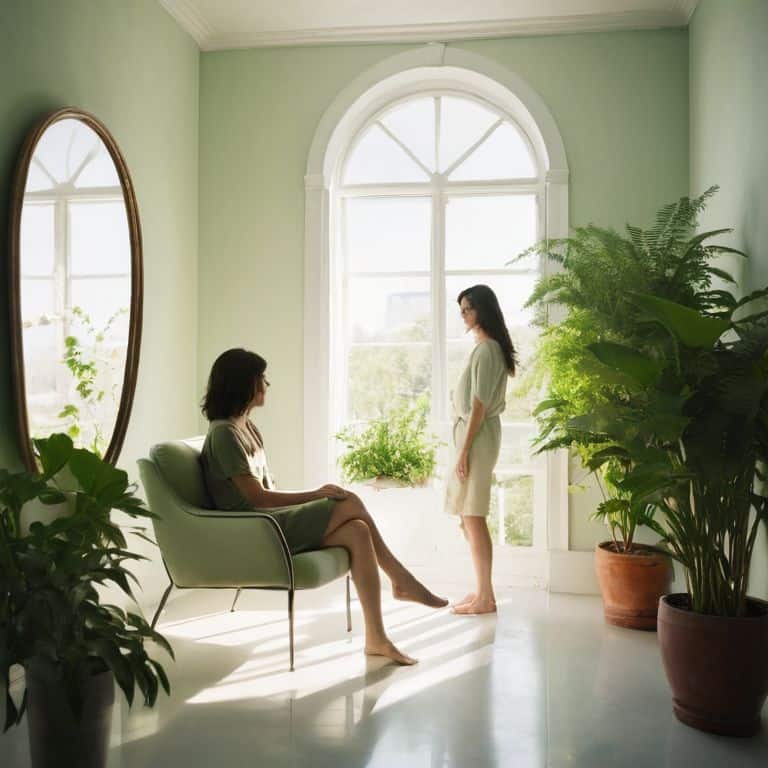
As I continue to explore the world of natural light, I’ve come to realize that mastering its nuances is key to capturing truly unforgettable moments. One of my favorite techniques is using mirrors to reflect and soften the light, creating a more intimate atmosphere in my indoor photography. This trick is especially useful when working with limited natural light sources, such as north-facing windows.
When it comes to outdoor photography, I always try to plan my shoots around the best time for outdoor photography, which is usually during the golden hour. This period offers a unique, soft light that adds warmth and depth to my images. I also experiment with different window treatment for better light to enhance the ambiance of my indoor shots. By paying attention to these details, I can create a more immersive experience for the viewer.
In my own darkroom, I’ve noticed that the quality of light can make or break a photograph. That’s why I often use reflectors for natural light photography to bounce light onto my subjects and add depth to the scene. By combining these techniques with a keen eye for composition, I can create images that tell a story and evoke emotions. Whether I’m shooting in manual mode or experimenting with new techniques, my goal is always to capture the essence of the moment, and to inspire others to do the same.
Chasing the Golden Hour
For me, the golden hour is more than just a time of day – it’s a state of mind. It’s when the world slows down, and the light takes on a soft, ethereal quality that’s perfect for capturing intimate moments. I’ve spent countless hours chasing this fleeting glow, and I can tell you that it’s worth every early morning and late evening shoot. There’s something magical about the way the golden hour light wraps around your subjects, imbuing them with a sense of depth and emotion.
I recall one particular shoot where the golden hour light transformed a ordinary street scene into a breathtakingly beautiful moment. The way it danced across the faces of my subjects, highlighting their features and telling a story of its own – it was pure magic. That’s what I love about the golden hour: its ability to turn the mundane into the extraordinary, and to infuse our photos with a sense of wonder and awe.
Reflecting Light With Mirrors
When I’m on a shoot, I always keep an eye out for reflective surfaces – a still pond, a window, or even a simple mirror. These can be used to bounce natural light onto my subject, adding depth and dimension to the image. I’ve found that using mirrors, in particular, can create some truly unique effects. By positioning a mirror to reflect the soft, warm light of the golden hour, I can add a sense of luminosity to my portraits that’s hard to achieve with direct light alone.
I’ve experimented with everything from small, handheld mirrors to larger, more cumbersome ones, and each has its own advantages. The key is to be mindful of the light’s direction and intensity, and to use the mirror to subtly enhance the natural glow. It’s a technique that requires some practice, but the results can be well worth the effort – a softly lit portrait that seems to radiate an inner light, as if the subject is illuminated from within.
Unlocking the Power of Natural Light: 5 Essential Tips
- Embrace the soft, warm glow of morning and afternoon light to add depth and emotion to your portraits
- Learn to recognize and harness the unique qualities of overcast skies, using them to create moody, atmospheric images
- Experiment with backlight to create stunning silhouettes and add a sense of drama to your photographs
- Pay attention to the way light interacts with textures and surfaces, using it to add tactile depth and visual interest to your images
- Shoot during the ‘blue hour’, just before dawn or after dusk, to capture the fleeting, ethereal moments when the world is bathed in a soft, magical light
Key Takeaways for Harnessing Natural Light
Learn to anticipate and chase the fleeting glow of golden hour to add depth and warmth to your photographs
Master the art of reflecting light with mirrors and other surfaces to add dimension and creativity to your compositions
Remember that natural light is not just about the technicalities, but about telling a story and capturing the essence of your subject, so always prioritize emotion and connection in your images
Embracing the Beauty of Natural Light
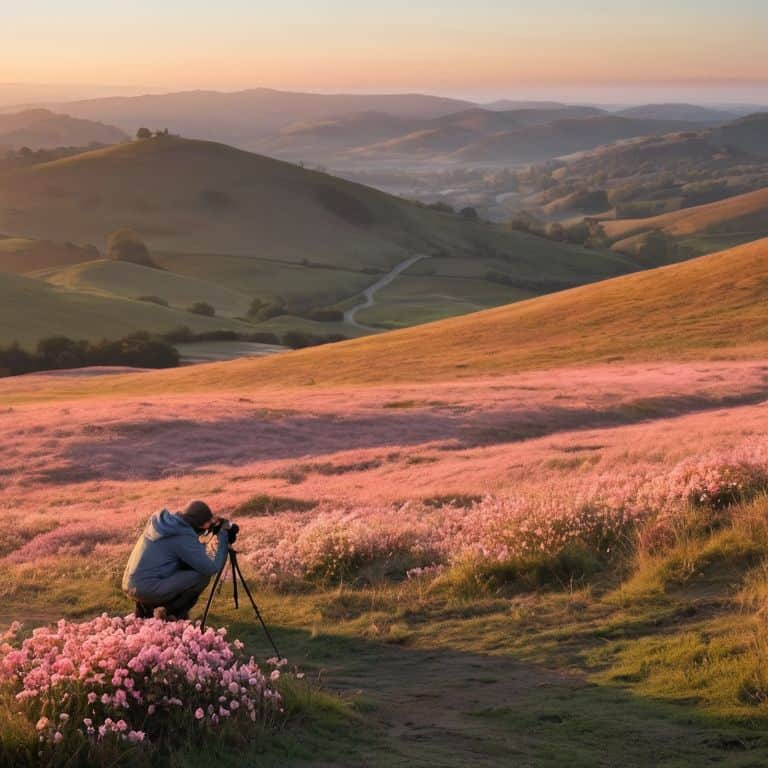
Natural light is not just a resource, but a character in our visual stories – it’s what brings depth, emotion, and authenticity to our photographs, if we only learn to chase it, and dance with its fleeting beauty.
Julian Kade
Embracing the Beauty of Natural Light
As we’ve explored the world of natural light together, I hope you’ve gained a deeper understanding of how to harness its power to elevate your photography. From mastering the golden hour to using mirrors to reflect and soften the light, we’ve covered the essential techniques to help you capture stunning images. Remember, the key to working with natural light is to be attuned to its subtleties, to anticipate and adapt to the changing conditions. By doing so, you’ll be able to convey a sense of depth, emotion, and storytelling in your photos that will leave a lasting impression on your viewers.
As you continue on your photographic journey, I encourage you to keep experimenting, to keep pushing the boundaries of what’s possible with natural light. Don’t be afraid to take risks and try new things – it’s often the unposed moments that lead to the most memorable shots. And when you’re out there, chasing the fleeting glow of sunset or the soft warmth of morning light, remember that the true magic happens when you’re fully present in the moment, allowing yourself to be guided by your intuition and creative vision. Keep shooting, and most importantly, keep seeing the world with fresh eyes.
Frequently Asked Questions
How can I predict and prepare for the best natural light conditions in different locations?
To predict and prepare for the best natural light conditions, I scout locations in advance, studying the direction of sunlight at different times of day. I also use apps to track sunrise and sunset times, ensuring I’m ready to capture that golden hour glow.
What are some common mistakes to avoid when shooting in natural light, especially during the golden hour?
When shooting in natural light, especially during golden hour, I see many photographers overlook the importance of positioning their subject in relation to the light source. Avoid placing your subject directly in front of the sun, as this can create unflattering silhouettes. Instead, experiment with positioning them at a 90-degree angle to the light, allowing the warm glow to dance across their face.
Can you provide tips on how to effectively use natural light indoors, such as near windows or using mirrors to reflect light?
When shooting indoors, I love positioning subjects near windows to capture soft, diffused light. To enhance this, I use mirrors to reflect and bounce light, adding depth and dimension to my images. It’s amazing how a simple mirror can transform a scene, isn’t it?