Stop Buying More Sleep: How to Choose a Good Mattress That Actually Lasts.
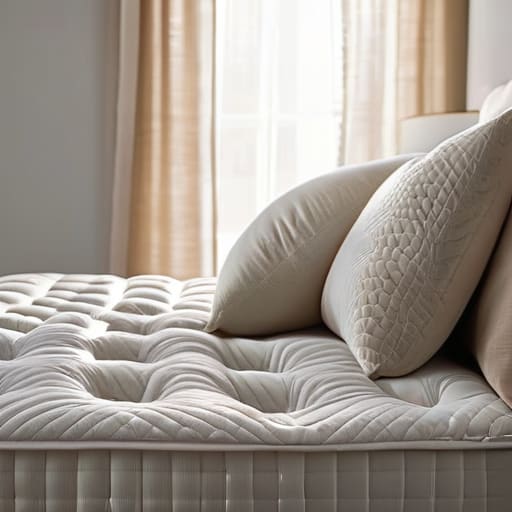
I remember sitting in my workshop three years ago, surrounded by the gutted remains of a 1970s Marantz receiver, feeling a familiar, sharp ache in my lower back that no amount of coffee could mask. It wasn’t the soldering iron or the late nights that did it; it was the realization that I had been treating my sleep surface like an afterthought, a mere utility rather than a precision instrument. We’ve been sold this lie that a mattress is just a slab of foam and springs, but when you’re staring at a thousand different spec sheets online, the process of learning how to choose a good mattress feels less like self-care and more like a calculated gamble with your own health.
I’m not here to walk you through a marketing brochure or recite a list of buzzwords designed to separate you from your hard-earned money. Instead, I want to share what I’ve learned from years of living with, testing, and—occasionally, regretting—the various layers of comfort available to us. My promise to you is simple: we are going to strip away the hype and focus on the narrative of your rest. I will help you navigate the nuances of density, support, and longevity so you can invest in a piece of equipment that actually serves your life.
Deciphering Mattress Firmness Levels Explained
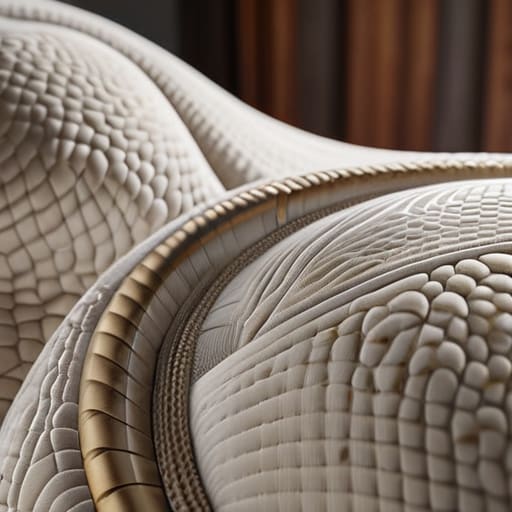
When I first started restoring vintage tube amplifiers, I learned that “feel” is everything—you can’t just look at a schematic to understand the warmth of the sound. Choosing a mattress is much the same. You’ll see manufacturers slap labels like “Plush” or “Extra Firm” on everything, but these terms are notoriously subjective. To truly understand mattress firmness levels explained, you have to look past the marketing and consider how the materials actually respond to your specific body weight and pressure points.
The real secret lies in how that firmness dictates your sleep posture and spinal alignment. If you’re a side sleeper, a surface that is too rigid will feel like sleeping on a wooden plank, putting unnecessary strain on your hips and shoulders. Conversely, if you lack the structural support of a firmer base, you might find yourself sinking into a “hammock effect” that wreaks havoc on your lower back. It isn’t just about comfort in the moment; it’s about how the mattress supports your skeletal architecture through eight hours of stillness.
Memory Foam vs Hybrid Mattresses Finding Your Character
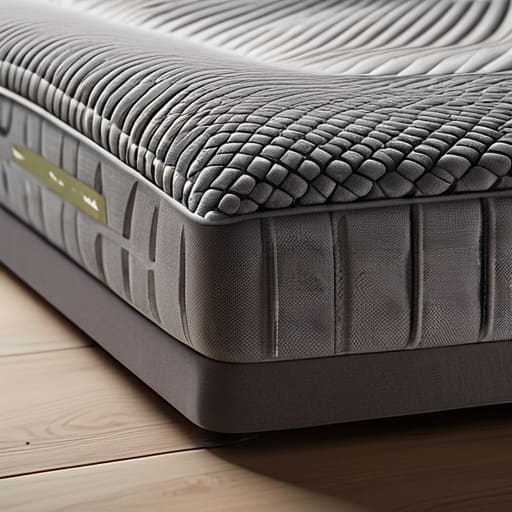
When I first began restoring vintage tube amplifiers, I learned that the magic often lies in the tension between different components. Choosing between memory foam and hybrid mattresses feels remarkably similar. A pure memory foam mattress is an exercise in total immersion; it’s designed to contour precisely to your unique shape, cradling your joints in a way that feels almost protective. If you are searching for the best mattress for side sleepers, that deep pressure relief is often the deciding factor. However, there is a trade-off. Because that foam is designed to hug you, it can sometimes feel like it’s holding you hostage, especially if you struggle with heat retention.
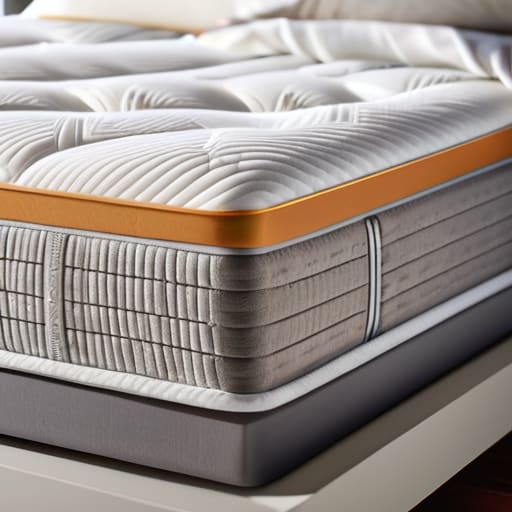
Hybrids, on the other hand, offer a more complex narrative. By layering responsive pocketed coils beneath specialized foam, they provide a structural foundation that memory foam lacks. This combination is often the sweet spot for those who want the “hug” of foam without sacrificing buoyant support or airflow. In my testing, I’ve found that hybrids tend to excel at maintaining sleep posture and spinal alignment because the springs act as a corrective force, preventing that “sinking” sensation that can lead to a restless night.
The Nuances of Comfort: Five Lessons from the Field
- Don’t trust the showroom floor blindly. A fifteen-minute sit-test is a far cry from the eight-hour reality of a Tuesday night; if a retailer won’t let you lie down for a proper stretch, walk away.
- Consider your sleep posture as your primary blueprint. A side sleeper needs that soft, pressure-relieving contour to protect the hips, whereas an abdominal sleeper requires a firmer, more disciplined surface to prevent the spine from arching like a bow.
- Audit your temperature regulation. If you find yourself kicking the covers off at 3:00 AM, steer clear of dense, all-foam constructions that trap heat, and look instead toward hybrids or breathable natural fibers that allow for airflow.
- Account for your partner’s movement. In my years of testing, I’ve learned that a mattress isn’t just for one person; look for “motion isolation” features so your partner’s midnight stroll doesn’t feel like a seismic event in your own bed.
- Look past the spec sheet to the edge support. A mattress might feel heavenly in the center, but if the edges collapse the moment you roll near the perimeter, you’re losing valuable real estate and stability.
The Final Edit: Investing in Your Restoration
Choosing a mattress isn’t about chasing the highest spec sheet or the most expensive brand name; it’s about understanding the delicate interplay between your body’s needs and the materials that support them. We’ve navigated the nuances of firmness, weighed the cradling embrace of memory foam against the responsive architecture of a hybrid, and looked past the marketing noise to find the true substance beneath. Remember that your choice is deeply personal—what felt like a dream for a side sleeper might feel like a structural failure for a back sleeper. Don’t be afraid to trust your physical intuition over a salesperson’s pitch. The goal is to find that specific equilibrium where technology and comfort meet to create a reliable foundation for your recovery.
Ultimately, I want you to view this purchase not as a mere transaction, but as a deliberate edit to your daily existence. We spend a third of our lives in the quiet theater of sleep, and the quality of that time dictates the clarity of our waking hours. When you finally find that perfect match, you aren’t just buying a bed; you are investing in the vitality of your tomorrow. Choose with intention, seek out quality that lasts, and remember that fewer, better things lead to a much more profound sense of well-being. Happy hunting.
Beyond the physical architecture of the bed, I’ve found that the quality of our rest is often inextricably linked to our social and emotional well-being. It’s hard to truly sink into a restorative sleep when your mind is restless or your sense of connection feels frayed. While I usually focus on the tactile nuances of high-thread-count cotton or coil density, I’ve learned that cultivating a sense of community can be just as vital to your overall vitality as the mattress itself. If you find that your personal landscape feels a bit isolated, sometimes finding ways of meeting people in Canada can provide that much-needed social engagement that allows you to finally quiet your mind and embrace the deep, uninterrupted slumber you’ve worked so hard to build.