5 Common Portfolio Mistakes to Avoid for Creatives

As I sit here, surrounded by my collection of vintage design books, I’m reminded of the countless times I’ve seen talented designers trip over their own feet when it comes to creating a portfolio. It’s a shame, really, because a well-crafted portfolio can make all the difference in landing your dream job. So, what are the common portfolio mistakes to avoid that can make or break your career? I’ve seen many designers fall into the trap of thinking that a portfolio is just a showcase of their best work, without considering the overall narrative and flow. But, as Massimo Vignelli once said, “design is one” – it’s about creating a cohesive visual language that tells a story.
In this article, I’ll share my insights on how to create a portfolio that truly shines, by highlighting the key principles of good design that often get overlooked. You’ll learn how to avoid the pitfalls of inconsistent typography, poor image selection, and lackluster storytelling, and instead, create a portfolio that showcases your unique voice and style. By the end of this guide, you’ll have a clear understanding of how to craft a portfolio that is intentional, cohesive, and effective in communicating your design skills and philosophy. Whether you’re a seasoned designer or just starting out, this article will provide you with the practical advice and inspiration you need to take your portfolio to the next level.
Table of Contents
Guide Overview: What You'll Need

Total Time: 1 hour 30 minutes
Estimated Cost: $0 – $100
Difficulty Level: Intermediate
Tools Required
- Computer (with internet connection)
- Calculator (for budgeting and expense tracking)
- Pen and Paper (for note-taking and planning)
Supplies & Materials
- Portfolio Examples (for reference and inspiration)
- Resume and Cover Letter (updated and tailored to your industry)
- Online Portfolio Platform (optional, but recommended for ease of use)
Step-by-Step Instructions
- 1. First, define your design philosophy by identifying what makes your work unique and meaningful. This will help you create a cohesive portfolio that showcases your strengths and style. Take the time to reflect on your values, inspirations, and goals as a designer, and use this self-awareness to guide your portfolio’s content and tone. As Massimo Vignelli once said, “The life of a designer is a life of fight: fight against the ugliness.
- 2. Next, curate your best work by selecting projects that demonstrate your skills, creativity, and attention to detail. Avoid including every single project you’ve ever worked on, and instead focus on showcasing a range of pieces that highlight your versatility and expertise. Remember, the goal of a portfolio is to tell a story about your design journey, not to simply catalog your output.
- 3. Then, establish a clear visual hierarchy by using a consistent grid system, typography, and color palette throughout your portfolio. This will help create a sense of harmony and flow, making it easier for viewers to navigate and appreciate your work. Consider using a limited color scheme and a range of typography weights to create visual interest and balance.
- 4. Fourth, develop a strong narrative thread by writing concise, insightful descriptions of each project. Explain the design challenges you faced, the solutions you developed, and the results you achieved. Use this opportunity to showcase your critical thinking, problem-solving skills, and ability to communicate complex ideas in a clear, compelling way.
- 5. Fifth, pay attention to pacing and rhythm by varying the length, tone, and visual density of your portfolio’s content. Use a mix of short, snappy project descriptions and longer, more in-depth case studies to keep viewers engaged and interested. Consider using whitespace, images, and other visual elements to create a sense of breathing room and balance.
- 6. Sixth, test and refine your portfolio by sharing it with peers, mentors, or potential clients and asking for feedback. Use this feedback to identify areas for improvement, refine your design approach, and ensure that your portfolio accurately reflects your skills and values. Remember, a portfolio is a living document that should evolve and grow with you as a designer.
- 7. Finally, keep your portfolio up-to-date by regularly adding new projects, removing outdated work, and refreshing your design and content. This will help you stay visible, attractive, and relevant in a rapidly changing design landscape. Set aside time each quarter to review and update your portfolio, and use this opportunity to reflect on your progress, goals, and aspirations as a designer.
Avoiding Common Portfolio Mistakes
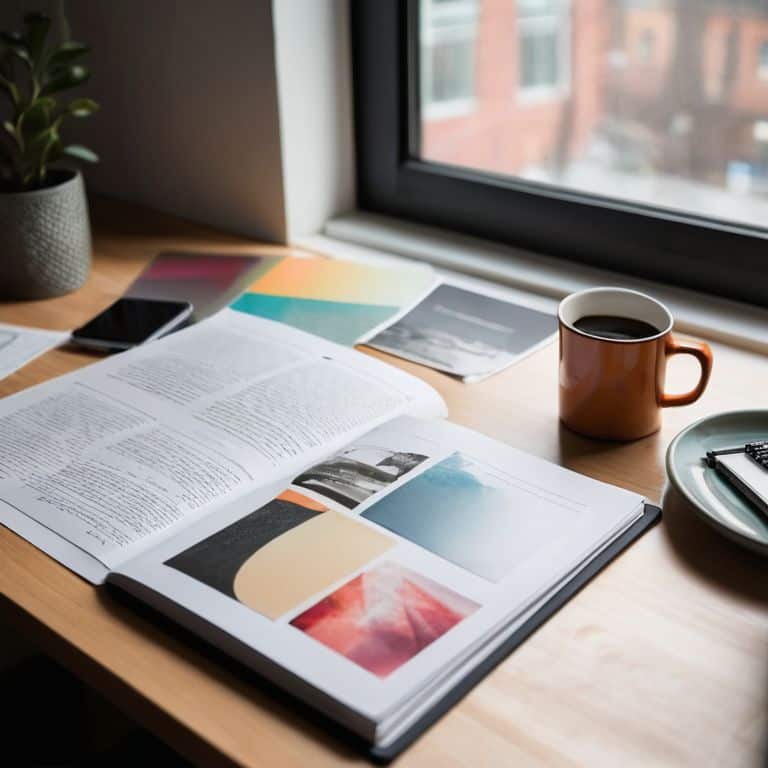
As I reflect on my experience in designing portfolios, I’ve come to realize that creating a strong portfolio narrative is crucial in setting oneself apart from the crowd. A well-crafted narrative can elevate a portfolio from a mere collection of projects to a cohesive showcase of one’s design philosophy and approach. To achieve this, it’s essential to consider the flow and pacing of the portfolio, ensuring that each project builds upon the previous one to tell a story of growth and development.
When it comes to portfolio presentation tips, I always advise my students to avoid cliches and focus on showcasing their unique perspective and style. This can be achieved by using a clear typographic hierarchy and a consistent visual language throughout the portfolio. By doing so, designers can create a sense of cohesion and professionalism that will resonate with recruiters and potential clients.
In the context of personal branding in portfolios, it’s vital to strike a balance between showcasing one’s personality and maintaining a level of objectivity. A portfolio that is too self-promotional can come across as insincere, while one that is too generic can fail to leave a lasting impression. By finding this balance, designers can create a portfolio that not only showcases their work but also reveals their design ethos and values.
Beyond Cliches in Design
To truly stand out, a portfolio must move beyond cliches in design. This means avoiding overused trends and instead, focusing on timeless principles of good design. As Massimo Vignelli once said, “The life of a designer is a life of fight: fight against the ugliness.” By embracing a clear typographic hierarchy and a well-structured grid, designers can create work that is both visually striking and intellectually rigorous.
By doing so, designers can create a portfolio that not only showcases their technical skills but also demonstrates their understanding of the underlying principles of good design. This approach may require more effort and intention, but the end result is a portfolio that is authentic, meaningful, and truly reflective of one’s design philosophy.
Optimizing for Recruiters
As I often say, quoting Massimo Vignelli, “The life of a designer is a life of fight: fight against the ugliness.” When optimizing for recruiters, it’s essential to consider the grid and typographic hierarchy that guides their viewing experience. A clear, structured layout helps them quickly grasp your design prowess.
I recall a particularly effective portfolio that utilized a modular grid, making it effortless for recruiters to scan and understand the designer’s process. By applying timeless design principles, you can create a portfolio that not only showcases your skills but also demonstrates your ability to think like a designer.
5 Rookie Mistakes to Avoid in Your Design Portfolio

- Neglecting a strong typographic hierarchy, which can lead to visual noise and confusion
- Insufficient use of white space, causing designs to feel cluttered and overwhelming
- Overreliance on trendy design elements, rather than focusing on timeless principles and simplicity
- Failure to provide clear context and explanation for each project, leaving viewers to fill in the gaps
- Inconsistent visual branding throughout the portfolio, undermining the designer’s ability to create a cohesive identity
Key Takeaways for a Stellar Portfolio
Embracing simplicity and clarity in design is crucial, as it allows your work to shine without unnecessary embellishments, echoing the principles of design masters like Massimo Vignelli
A well-structured portfolio that balances typography, color, and composition can make or break your career, as it is often the first impression recruiters and potential employers have of your work
By focusing on timeless design principles rather than fleeting trends, and avoiding common pitfalls such as cliches and poor optimization, you can create a portfolio that truly showcases your skills and intention as a designer
A Timeless Warning
A portfolio that lacks clarity and intention is not a portfolio at all, but a mere exercise in decoration – a fleeting distraction from the timeless principles that truly make design great.
Alistair Finch
Conclusion: Crafting a Timeless Portfolio
As we’ve explored the common portfolio mistakes to avoid, it’s clear that intentional design is key to creating a lasting impression. By moving beyond cliches and optimizing for recruiters, you’ll set your work up for success. Remember, a portfolio is not just a showcase of your skills, but a reflection of your design philosophy. It’s essential to stay true to your unique voice and vision, rather than following fleeting trends. By doing so, you’ll create a portfolio that not only showcases your technical abilities but also tells a story of who you are as a designer.
As you continue to refine your portfolio, keep in mind that good design is not an accident. It’s the result of careful consideration, a deep understanding of design principles, and a willingness to take risks. Don’t be afraid to experiment, try new things, and push the boundaries of what’s possible. With persistence, dedication, and a commitment to timeless design principles, you’ll create a portfolio that opens doors to new opportunities and sets you up for a successful career in design.
Frequently Asked Questions
What are the most common mistakes designers make when curating their portfolio that can make or break their chances with potential employers?
In my experience, designers often overlook the importance of editing and curation, leading to cluttered and unfocused portfolios that fail to showcase their true strengths. As Massimo Vignelli once said, “Design is one” – a portfolio should be a cohesive, well-considered representation of one’s design philosophy and capabilities.
How can I ensure my portfolio stands out from the crowd without resorting to trendy designs that may quickly become outdated?
To stand out without chasing trends, focus on timeless principles: clarity, simplicity, and a strong typographic hierarchy. As Massimo Vignelli said, “The life of a designer is a life of fight: fight against the ugliness.” Let your design voice shine through intentional, well-crafted pieces that tell a story, rather than following fleeting fads.
Are there any specific portfolio mistakes that are particularly detrimental to a designer's career, and if so, how can they be avoided or rectified?
As I always say, quoting Massimo Vignelli, “The life of a designer is a life of fight: fight against the ugliness.” One detrimental mistake is inconsistency in visual identity and typography, which can make a portfolio look amateurish. To avoid this, establish a clear grid system and typographic hierarchy from the outset.