A Guide on How to Take Better Portraits of People
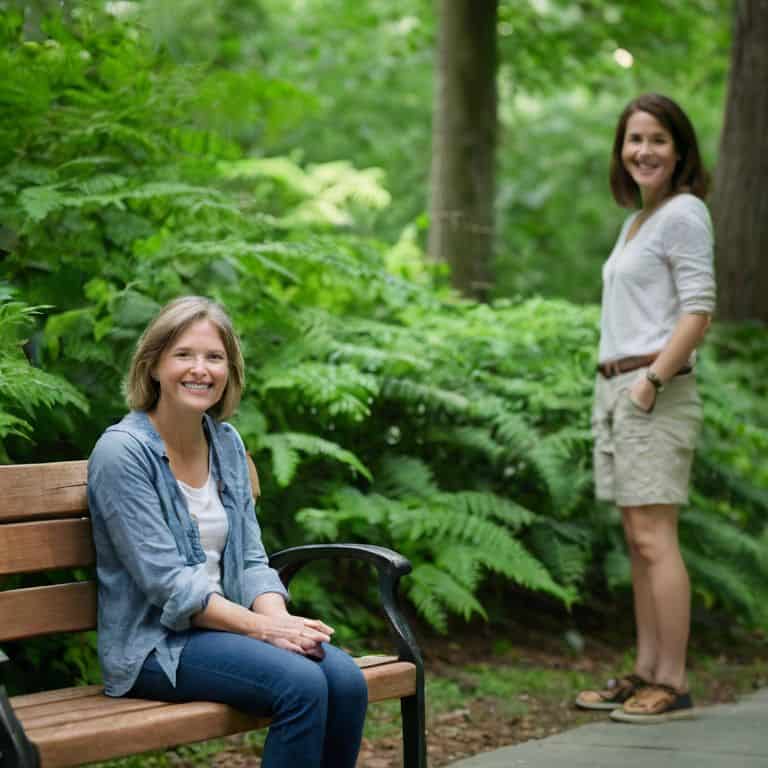
I still remember the moment it clicked for me – I was on a photo walk in the city, trying to capture the essence of everyday life, when I realized that taking great portraits wasn’t just about pointing a camera at someone and snapping a photo. It was about telling a story through the lens, and that’s exactly what I want to share with you in this guide on how to take better portraits. For years, I’ve been fascinated by the way a single image can convey a thousand words, and I’ve spent countless hours honing my craft to help others do the same.
As we dive into the world of portrait photography, I want to promise you that this won’t be a generic guide filled with clichés and technical jargon. Instead, I’ll be sharing my own experiences, trial and error, and practical advice on how to see the world like a photographer. We’ll explore the importance of light, composition, and emotion in creating portraits that truly speak to the viewer. By the end of this article, you’ll have a deeper understanding of what makes a great portrait, and the confidence to start capturing your own unique stories through the lens.
Table of Contents
Guide Overview: What You'll Need
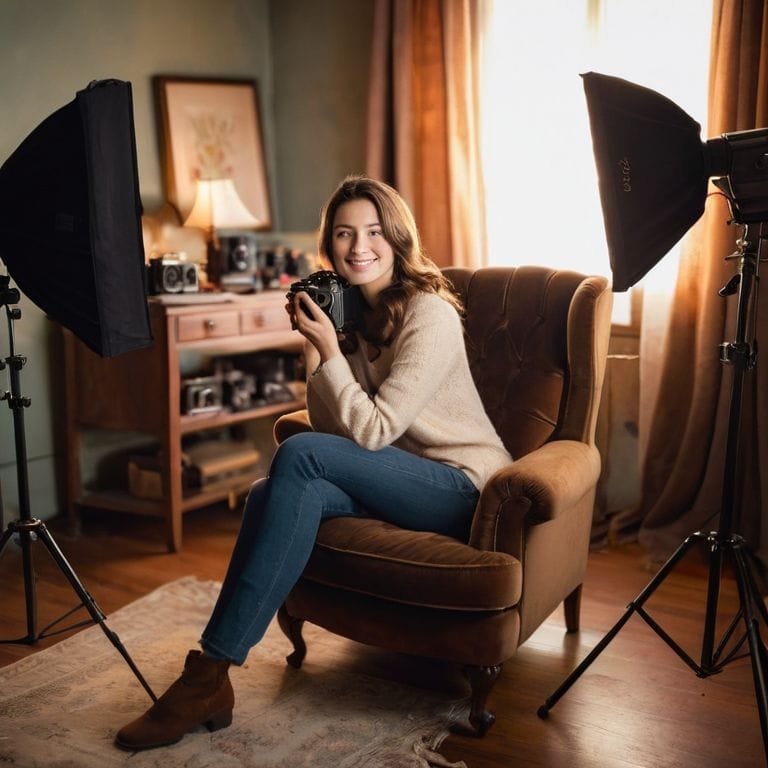
Total Time: 1 hour 30 minutes
Estimated Cost: $50 – $100
Difficulty Level: Intermediate
Tools Required
- Camera (with manual controls)
- Tripod (for stability)
- External Flash (optional)
- Reflectors (e.g., 12 inches x 12 inches boards or dedicated reflector panels)
Supplies & Materials
- Backdrops (e.g., colored paper rolls or fabric)
- Lighting Kits (optional, for more advanced setups)
- Memory Cards (for storing images)
- Camera Lenses (e.g., 50mm or 85mm prime lenses for better portrait quality)
Step-by-Step Instructions
- 1. First, let’s talk about understanding your subject. To take better portraits, you need to connect with the person in front of your lens. I’ve found that taking the time to chat with them, learn about their interests, and find common ground helps me capture their true essence. This connection is what makes a portrait truly special, and it’s something that I emphasize in my workshops.
- 2. Next, pay attention to the quality of light you’re shooting in. I’m obsessed with the golden hour, that magical time just before sunset when the light is soft and warm. It’s perfect for capturing portraits that are full of depth and emotion. If you can’t shoot during golden hour, look for other sources of soft, natural light, like a north-facing window or a shaded area.
- 3. Now, let’s talk about composition. When it comes to portraits, I believe that less is often more. Avoid cluttered backgrounds and instead opt for a simple, neutral-colored wall or a natural setting like a park or forest. This will help your subject stand out and draw the viewer’s attention to their face and expression.
- 4. To capture authentic, unposed portraits, try shooting in manual mode. This will give you complete control over your camera’s settings and allow you to experiment with different apertures, shutter speeds, and ISOs. Don’t be afraid to try new things and make mistakes – it’s all part of the learning process.
- 5. When it comes to working with your subject, remember that the best portraits are often the ones that are unposed. Instead of asking your subject to smile or look directly at the camera, try to capture them in a natural, relaxed state. You can do this by engaging them in conversation, asking them to walk or move around, or even just waiting for them to let their guard down.
- 6. Experiment with different angles and perspectives to add some visual interest to your portraits. Don’t be afraid to get low or climb up high to capture a unique view of your subject. I’ve found that shooting from a low angle can make your subject appear more powerful and confident, while shooting from above can create a sense of vulnerability.
- 7. Finally, pay attention to the details. Make sure your subject’s clothing and accessories aren’t distracting from their face and expression. Also, keep an eye on the background and make sure it’s not competing with your subject for attention. By paying attention to these small details, you can create portraits that are truly captivating and tell a story that draws the viewer in.
Unveiling Portraits

As I delve into the world of portraits, I’m reminded of the importance of mastering portrait composition. It’s not just about placing your subject in the frame, but about creating a visual narrative that draws the viewer in. I’ve found that using _available light_ can add a level of depth and intimacy to my portraits, and experimenting with different angles and perspectives can help to create a sense of tension or calm.
When it comes to working with my subjects, I believe that _building connection_ is key to capturing authentic, unposed moments. I take the time to get to know them, to understand their story and what makes them unique. This helps me to anticipate and capture those fleeting moments that reveal their true character. By choosing the right portrait lens, I can also control the depth of field and create a sense of separation between my subject and the background.
In my own darkroom, I’ve spent hours perfecting my printing technique to achieve a _professional look_. But it’s not just about the technical aspects – it’s about understanding the emotional resonance of the image. I look for subtle expressions and _nuanced body language_ that can convey a world of emotion. By paying attention to these details, I can create portraits that are not just visually stunning, but also deeply human.
Mastering Portrait Composition
When I’m behind the lens, I’m not just looking for a perfectly framed shot – I’m searching for a sense of intimacy and authenticity. Mastering portrait composition is about more than just rules and formulas; it’s about creating a visual narrative that draws the viewer in. For me, that means experimenting with negative space, playing with textures, and embracing the beauty of imperfection.
I recall a shoot I did with a young musician, where I intentionally placed her at the edge of the frame, with a cityscape blurred in the background. The result was a portrait that felt raw, honest, and deeply personal. It’s moments like these that remind me why I love portrait photography – the possibility of capturing a fleeting story, and preserving it for eternity.
Understanding Portrait Lighting
For me, portrait lighting is all about capturing the essence of a moment. I’ve spent countless hours experimenting with different light setups, but I always come back to one fundamental truth: natural light is unbeatable. There’s something about the soft, warm glow of golden hour that brings out the deepest emotions in my subjects. I recall a shoot I did with a young couple, where we waited for what felt like hours for the perfect light – and when it arrived, the resulting portraits were nothing short of magical.
I’m obsessed with the way light can dance across a subject’s face, highlighting the contours and telling a story that words alone can’t convey. Whether it’s the harsh lines of midday sun or the soft, ethereal quality of overcast skies, each type of light brings its own unique character to a portrait. By learning to see and harness this light, you’ll be able to add depth and nuance to your portraits, drawing the viewer in and refusing to let them go.
Bringing Your Vision to Life: 5 Essential Tips for Taking Better Portraits
- Embracing the beauty of unposed moments, allowing your subjects to relax and reveal their genuine selves
- Mastering the art of working with natural light, particularly during the golden hour when the soft, warm tones can elevate your portraits
- Experimenting with composition, considering the rule of thirds, leading lines, and framing to add depth and visual interest to your images
- Developing a keen eye for detail, from the textures and patterns in the background to the expressions and postures of your subjects, to tell a richer story
- Practicing patience and persistence, taking the time to connect with your subjects and waiting for the perfect shot, as the best portraits often result from a genuine connection and a moment of spontaneity
Key Takeaways for Capturing Memorable Portraits
Embracing the beauty of unposed moments and the magic of ‘golden hour’ can elevate your portraits from mere snapshots to storytelling masterpieces
Mastering manual mode and understanding how to work with various light conditions is crucial for developing a unique visual style that sets your photography apart
By focusing on the interplay between light, composition, and the emotional depth of your subjects, you can create portraits that not only capture a moment but also tell a profound story of the human experience
The Heart of Portrait Photography
To take better portraits, you must first learn to see the beauty in the unposed, the elegance in the everyday, and the story in the eyes of your subject – for it’s in these fleeting moments that we find the essence of humanity.
Julian Kade
Beyond the Lens: A New Perspective
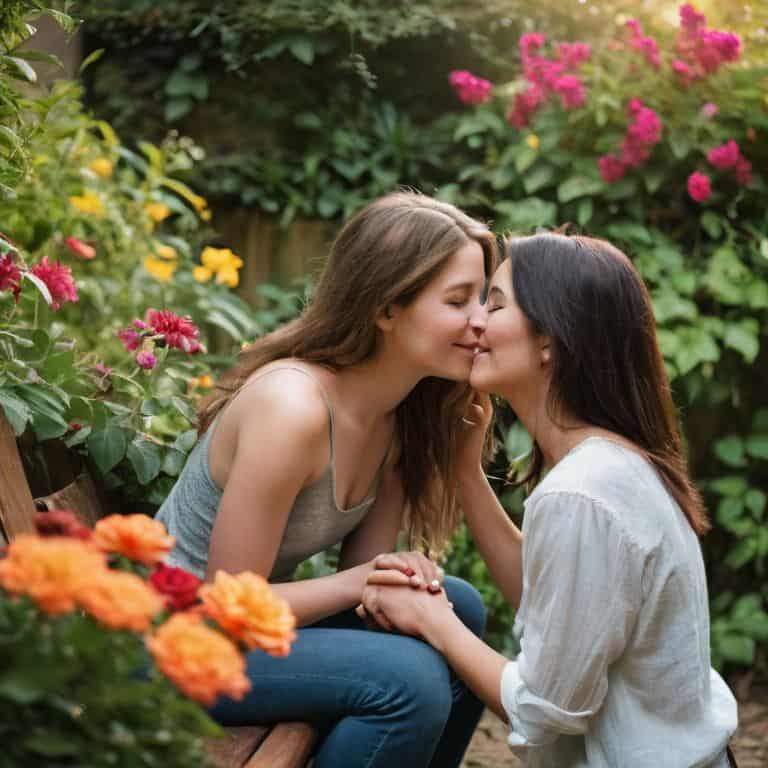
As we conclude our journey into the world of portrait photography, remember that mastering the craft is a continuous process. We’ve explored the importance of understanding your subject, experimenting with composition, and grasping the nuances of light. By applying these principles, you’ll be well on your way to capturing portraits that not only reveal the physical appearance of your subjects but also tell a story that resonates deeply with the viewer. The key to taking better portraits lies in your ability to connect with your subjects and to see the world through their eyes.
As you continue to hone your skills, remember that the true magic of photography lies not in the technical aspects, but in the emotional connection you make with your subjects. Don’t be afraid to step out of your comfort zone and try new things – it’s often the unexpected moments that lead to the most compelling photographs. With time and practice, you’ll develop your own unique voice, and your portraits will become a reflection of your passion and creativity. Keep shooting, and always remember to look beyond the lens.
Frequently Asked Questions
How can I effectively use natural light to enhance my portrait photography?
Natural light is a game-changer for portraits. I love shooting during golden hour, when the soft, warm light adds depth and emotion to my subjects. To make the most of it, position your subject near a window or outside during the early morning or late afternoon, and experiment with backlighting to create interesting silhouettes and textures.
What are some common mistakes to avoid when composing a portrait shot?
When composing a portrait shot, I’ve found that common mistakes to avoid include centering your subject, neglecting negative space, and forgetting to consider the background – it’s the subtle interactions between these elements that can make or break the story your photo tells.
How can I make my subjects feel more at ease in front of the camera to capture authentic, unposed moments?
To capture authentic moments, I focus on building a connection with my subjects. I take the time to chat with them, learn about their story, and make them feel like we’re just having a conversation. I’ve found that when they’re relaxed, the real magic happens – genuine smiles, laughter, and unposed moments that reveal their true character.