An Explainer: What Is Depth of Field in Video?

I still remember the first time I heard someone explain what is depth of field in video as if it was some sort of mysterious, unattainable concept. They made it sound like you needed a Ph.D. in cinematography to even begin to understand it. But the truth is, depth of field is simply about controlling what’s in focus and what’s not. It’s a fundamental aspect of visual storytelling, and it’s not as complicated as some people make it out to be.
In this article, I promise to cut through the hype and give you a no-nonsense guide to understanding and working with depth of field in your video projects. I’ll share my own experiences, both successes and failures, to help you grasp the concept and start applying it to your own storytelling. Whether you’re a seasoned filmmaker or just starting out, my goal is to empower you with the knowledge to create emotionally engaging videos that draw your audience in and refuse to let go. So, let’s dive in and explore the world of depth of field together, and discover how it can elevate your visual storytelling to the next level.
Table of Contents
Unlocking Depth of Field

To truly unlock the power of depth of field in your videos, you need to understand how to control it. This is where aperture and focal length come into play. By adjusting these settings, you can create a specific depth of field that enhances your visual storytelling. For instance, a large aperture (small f-stop number) will result in a shallow depth of field, blurring the background and emphasizing your subject.
In cinematography, achieving a cinematic look with depth of field is crucial. It’s not just about having a pretty background; it’s about creating a mood and drawing the viewer’s attention to what’s important. By mastering focus and depth of field, you can guide the audience’s emotions and create a more immersive experience. Consider the use of bokeh, the aesthetic quality of the blur, to add an extra layer of depth to your footage.
When it comes to using depth of field for visual storytelling, it’s essential to think about the emotional impact you want to create. A shallow depth of field can create intimacy, while a deep depth of field can convey a sense of grandeur. By carefully controlling depth of field in cinematography, you can craft a narrative that resonates with your audience and leaves a lasting impression.
Controlling Focus for Emotional Impact
To truly harness the power of depth of field, you need to understand how to control focus in a way that serves your story. This means carefully considering what elements of the scene you want to draw attention to, and what you want to softly blur into the background. By doing so, you can create a visual hierarchy that guides the viewer’s eye and evokes a specific emotional response.
In practice, this might mean using a wide aperture to isolate your subject, or a narrower one to keep more of the scene in focus. The key is to find a balance that feels intentional, and that supports the mood and tone of your film.
Mastering Aperture and Focal Length
To truly master depth of field, you need to understand the interplay between aperture and focal length. Aperture control is crucial, as it determines how much light enters the lens and affects the depth of field. A lower f-stop value means a larger aperture, resulting in a shallower depth of field.
By experimenting with different focal lengths, you can add another layer of depth to your storytelling. For example, a wide-angle lens can create a sense of intimacy and immediacy, while a telephoto lens can produce a more compressed, dramatic feel.
What Is Depth of Field in Video
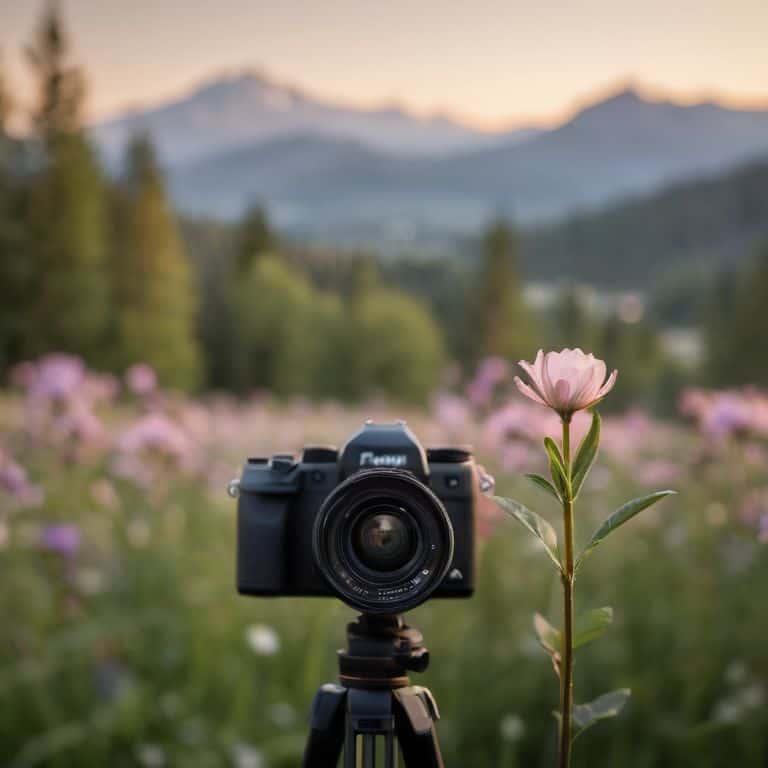
To truly grasp the concept of depth of field, it’s essential to understand its role in controlling depth of field in cinematography. This fundamental aspect of filmmaking allows us to guide the viewer’s attention and evoke emotions through visual storytelling. By mastering _aperture and focal length_, we can create a sense of intimacy or grandeur, drawing the audience into the narrative.
When it comes to achieving a cinematic look, using depth of field for visual storytelling is a powerful tool. By carefully balancing the in-focus and out-of-focus areas, we can create a sense of depth and dimensionality. The _bokeh_ effect, where the out-of-focus areas are blurred, can add a touch of elegance and sophistication to our footage. This technique is particularly useful in portraiture and close-up shots, where a shallow depth of field can help to isolate the subject.
As filmmakers, we strive to master focus and depth of field in filmmaking to convey the emotional essence of our story. By understanding how to manipulate depth of field, we can create a visual language that resonates with our audience. Whether we’re shooting a sweeping landscape or a quiet moment of introspection, our mastery of depth of field can make all the difference in crafting a compelling narrative.
Achieving Cinematic Look With Bokeh
To create a truly cinematic look, you need to understand how to harness the power of bokeh, that beautiful, blurry background that separates your subject from the environment. It’s all about creating a sense of depth and dimensionality in your frame. By controlling the aperture and focal length, you can achieve a stunning bokeh that draws the viewer’s eye to your subject.
When it comes to capturing the essence of a scene, bokeh plays a crucial role. It’s not just about blurring the background, but about creating a mood and atmosphere that immerses the viewer in your story. By carefully balancing the in-focus and out-of-focus elements, you can craft a visual narrative that’s both captivating and emotionally resonant.
Using Depth for Visual Storytelling
When I’m editing a film, I love experimenting with depth to guide the viewer’s attention. By carefully controlling what’s in focus, I can create a sense of intimacy or grandeur, drawing the audience into the story. This technique is especially powerful in documentary filmmaking, where the goal is to immerse the viewer in the world of the film.
As I work with depth of field, I consider how layering elements can add visual interest to a scene. By placing important subjects in sharp focus and blurring the background, I can create a sense of depth and dimensionality, making the story feel more immersive and engaging.
5 Essential Tips to Unlock the Power of Depth of Field in Your Videos
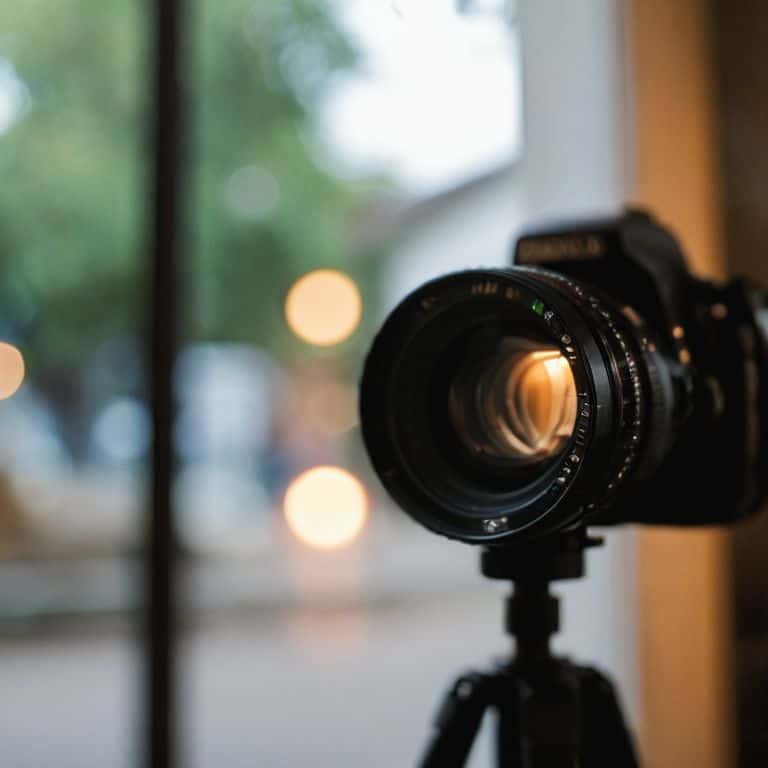
- Play with aperture: A lower f-stop value will give you a shallower depth of field, separating your subject from the background and creating a beautiful bokeh effect, as seen in the dreamy sequences of ‘Lost in Translation’
- Choose the right lens: A prime lens with a wide aperture can help you achieve a stunning depth of field, but don’t forget to consider the focal length and how it will affect the compression and perspective of your scene, like in the iconic shots of ‘The Shawshank Redemption’
- Experiment with focus pulling: Smoothly transitioning between different focus points can add a new layer of emotional depth to your story, drawing the viewer’s attention to what’s important, just like in the poignant moments of ‘The Pursuit of Happyness’
- Consider the emotional impact of depth cues: Leading lines, framing, and atmospheric effects like fog or mist can all contribute to a sense of depth and immersion, as masterfully demonstrated in the breathtaking landscapes of ‘The Revenant’
- Don’t forget about the role of sound: A well-crafted soundscape can enhance the sense of depth and space in your video, making the visuals even more engaging and believable, as evident in the immersive audio design of ‘Gravity’
Key Takeaways for Mastering Depth of Field
Controlling depth of field is crucial for emotional impact, as it guides the viewer’s attention and creates a sense of intimacy or grandeur
Mastering aperture and focal length is essential for achieving the desired depth of field, with wider apertures and longer focal lengths producing a shallower depth of field
By leveraging depth of field, filmmakers can create a cinematic look with bokeh, and use visual storytelling techniques to convey mood, atmosphere, and narrative depth
The Heart of Cinematic Storytelling
Depth of field is not just a technical aspect of filmmaking, but a brush that paints emotion, guiding the viewer’s eye through the story and deciding what stays in focus and what fades into the background.
Maya Jenson
Bringing Depth to Life: A Conclusion
As we’ve explored the world of depth of field in video, it’s clear that mastering this technique is all about controlling the focus for emotional impact. From unlocking the power of aperture and focal length to achieving a cinematic look with bokeh, the tools are at your fingertips. By understanding how to use depth for visual storytelling, you can elevate your videos from mere footage to a compelling narrative that draws your audience in.
So, the next time you’re behind the lens, remember that depth of field is not just a technical aspect of filmmaking – it’s a storytelling superpower. With practice and patience, you can harness its emotional impact to create videos that leave a lasting impression on your viewers. Keep experimenting, pushing the boundaries of what’s possible, and always striving to uncover the invisible art that makes your stories come alive.
Frequently Asked Questions
How do I adjust the depth of field in my camera to achieve a specific emotional impact in my video?
To adjust the depth of field, play with aperture and focal length. A lower f-stop value will blur the background, drawing focus to your subject, while a higher value will keep more in focus. Experiment to find the perfect balance for your story’s emotional impact.
What are some common mistakes to avoid when using depth of field to create a cinematic look?
When chasing that cinematic look, I see many creators fall into the trap of over-relying on a shallow depth of field, forgetting that context and subtlety are key. Avoid using it as a crutch – instead, balance your aperture and focal length to serve the story, and remember, it’s not just about blurring the background, but about guiding the viewer’s eye.
Can I still achieve a professional-looking depth of field with a low-budget camera or do I need high-end equipment?
Absolutely, you can achieve a stunning depth of field with a low-budget camera. It’s all about understanding aperture, focal length, and composition. Even with a smaller sensor or a kit lens, you can create a beautiful bokeh or isolate your subject with clever framing and lighting. It’s not just about the equipment, it’s about the story you’re telling and how you choose to tell it.