A Guide on How to Choose the Right Wick for Your Candle
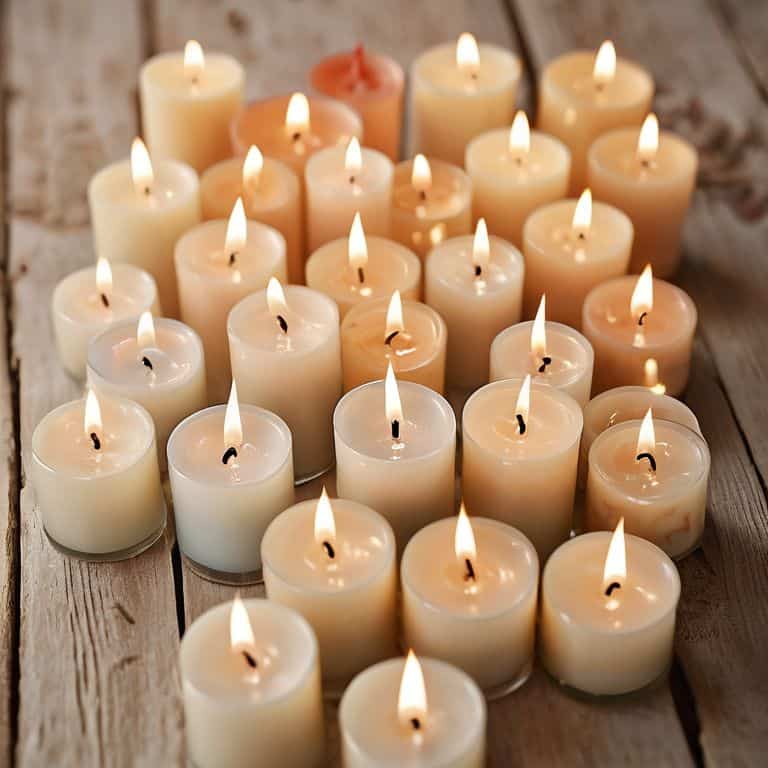
As I sit in my workshop, surrounded by the gentle glow of handmade candles, I’m reminded of the countless times I’ve been asked how to choose the right wick for your candle. It’s a question that gets to the heart of candle-making, and one that I’ve struggled with myself in the past. I used to believe that selecting the perfect wick was a matter of trial and error, but over the years, I’ve come to realize that it’s actually an art that requires a deep understanding of the materials and the craft.
In this article, I’ll share my honest, no-nonsense approach to choosing the right wick for your candle. I’ll walk you through the process of selecting the perfect wick, from understanding the different types of waxes and wicks to considering the size and shape of your candle. My goal is to empower you with the knowledge and confidence to create beautiful, unique candles that reflect your personal style and tell a story. By the end of this guide, you’ll be well on your way to becoming a skilled candle-maker, able to craft candles that are not only functional but also truly soulful.
Table of Contents
- Guide Overview: What You'll Need
- Step-by-Step Instructions
- Crafting Candle Harmony
- Illuminating Insights: 5 Essential Tips for Selecting the Perfect Candle Wick
- Ember Essentials: 3 Key Takeaways for Crafting the Perfect Candle
- The Heart of the Flame
- Embracing the Art of Candle Making
- Frequently Asked Questions
Guide Overview: What You'll Need
Total Time: 30 minutes to 1 hour
Estimated Cost: $5 – $15
Difficulty Level: Easy
Tools Required
- Ruler for measuring wick size
- Wick trimmer for trimming wick to size
Supplies & Materials
- Candle wicks various sizes and materials
- Wick tabs or bases for securing wick to candle bottom
- Melting pot for testing wick performance
Step-by-Step Instructions
- 1. To start our journey in selecting the perfect wick for your handmade candle, let’s first consider the type of wax you’re using. Different waxes have different properties that affect how they burn, and this will be crucial in determining the right wick size. For instance, soy wax and beeswax tend to burn at slightly lower temperatures than paraffin wax, which means they might require a different wick size to achieve the perfect burn.
- 2. Next, we need to think about the desired burn time of your candle. If you’re looking to create a candle that will burn for a long time, you’ll want a wick that is sufficiently large to ensure a consistent burn rate. However, if you’re aiming for a shorter burn time, a smaller wick might be more appropriate. It’s all about finding that balance between burn time and the overall ambiance you want to create.
- 3. Now, let’s talk about the candle’s dimensions. The size of your candle will play a significant role in determining the right wick size. A larger candle will generally require a larger wick to ensure that it burns evenly and doesn’t produce too much soot. On the other hand, a smaller candle will need a smaller wick to prevent the flame from getting too high.
- 4. The wick material is another crucial factor to consider. Cotton, paper, and synthetic wicks all have different burning characteristics, and some are better suited to certain types of wax than others. For example, a cotton wick might be ideal for a soy wax candle, while a synthetic wick could be better for a paraffin wax candle.
- 5. To further refine your wick selection, you should also consider the melting point of your wax. A wax with a high melting point will require a wick that can withstand higher temperatures without deforming or producing excessive soot. This is where trial and error come into play, as you might need to experiment with different wick sizes and materials to find the perfect combination for your specific wax.
- 6. With all these factors in mind, it’s time to test your wick. This involves burning your candle for a few hours to see how the wick performs. Look for a clean burn, where the flame is steady and even, and there’s minimal soot production. If the wick is too small, the flame might be too low, and if it’s too large, the flame could be too high and produce a lot of soot.
- 7. Finally, don’t be afraid to adjust and refine your wick selection based on the results of your test burn. It’s not uncommon to need to try a few different wick sizes or materials before finding the one that works best for your candle. Remember, the goal is to create a candle that burns beautifully and provides a warm, inviting ambiance, so take your time and enjoy the process of finding the perfect wick.
Crafting Candle Harmony
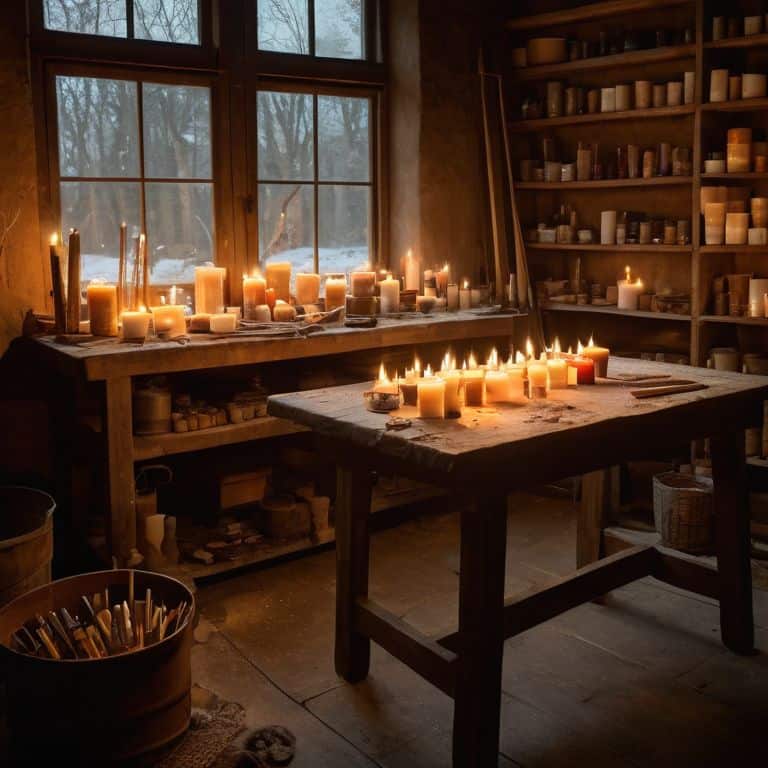
As I sit in my workshop, surrounded by the gentle glow of handmade candles, I’m reminded that crafting candle harmony is an art that requires patience and attention to detail. The wick, as we’ve discussed, is the heart of the candle, but it’s not the only factor to consider. The type of wax used, for instance, can greatly impact the overall burning experience. Understanding wick numbers and sizes is crucial, as it allows you to make informed decisions about the optimal wick size for your specific candle.
When it comes to sustainable wick options, I always recommend exploring eco-friendly materials, such as paper or bamboo. Not only do these options reduce waste, but they also add a unique character to your candle. In my experience, calculating optimal wick size is a delicate process that requires a deep understanding of the interplay between wax hardness, wick material, and candle size. By taking the time to get this balance just right, you’ll be rewarded with a candle that burns evenly and efficiently.
As you continue on your candle-making journey, you’ll inevitably encounter issues that require troubleshooting. Candle wick troubleshooting tips are essential for resolving common problems, such as a wick that’s too large or too small. By keeping a notebook of your experiments and observations, you’ll be able to refine your technique and develop a keen sense of candle wick materials comparison. This will allow you to make informed decisions about the best wick for your specific project, and ultimately, create a truly unique and captivating candle.
Calculating Optimal Wick Size Secrets
To find the perfect balance, I calculate the optimal wick size by considering the candle’s diameter and wax type. It’s a delicate dance between these elements, and getting it just right can make all the difference. I’ve found that a wick that’s too small can lead to a dim, flickering flame, while one that’s too large can cause the wax to melt too quickly, resulting in a messy, uneven burn.
For me, the secret to calculating the ideal wick size lies in experimentation and patience. I start by testing different wick sizes and observing how they perform in various candle sizes and wax types. By paying attention to the burn time, flame height, and overall performance, I can refine my calculations and find the sweet spot that brings my candle to life. It’s a process that requires attention to detail and a willingness to try, try again – but the end result is well worth the effort.
Weaving Warmth With Wick Materials
As I delve into the world of wick materials, I’m reminded of the beauty of imperfection. The gentle dance of a wooden wick, the soft crackle of a paper core, or the elegance of a cotton or paper string – each one brings its own unique character to the candle. I love experimenting with different materials, watching how they interact with the wax and the flame. It’s a sensory experience that never gets old, and one that I believe is essential to crafting a truly harmonious candle.
The right wick material can elevate your candle from a simple decorative piece to a warm, inviting ambiance-maker. I often find myself drawn to natural materials – the earthy scent of a hemp wick, for instance, or the rustic charm of a bamboo core. These elements add a layer of depth and personality to the candle, making it feel more like a handmade treasure than a mass-produced product.
Illuminating Insights: 5 Essential Tips for Selecting the Perfect Candle Wick
- Consider the type of wax you’re using, as different waxes have distinct properties that affect the wick’s performance – for example, soy wax and beeswax require different wick sizes due to their unique densities
- Think about the desired ambiance you want to create – a larger wick can produce a brighter, more dramatic flame, while a smaller wick yields a softer, more intimate glow
- Don’t underestimate the importance of wick material – cotton, paper, and synthetic wicks each have their own strengths and weaknesses, and some are better suited to specific types of candles or wax
- Calculate the optimal wick size based on the candle’s diameter and the type of wax used – a good rule of thumb is to start with a smaller wick and test the burn time and quality of the flame before adjusting
- Experiment with different wick styles, such as cored or lead-free, to find the one that works best for your unique candle creation – and remember, the perfect wick is one that balances burn time, stability, and aesthetic appeal
Ember Essentials: 3 Key Takeaways for Crafting the Perfect Candle
I’ve found that selecting the right wick is all about balance – it’s a delicate dance between the wax, the wick, and the warmth you want to create
Remember, the type of wick you choose can greatly impact the ambiance and scent throw of your candle, so don’t be afraid to experiment and find the perfect harmony
By considering the unique characteristics of your wax, fragrance, and desired burn time, you can unlock the secrets to calculating the optimal wick size and bring your handmade candle to life
The Heart of the Flame
The right wick is not just a measurement, but a whisper to the wax, a gentle coaxing of the flame to dance in harmony – it’s where the science of candle-making meets the soul of the craft.
Finn Rivera
Embracing the Art of Candle Making
As we conclude our journey through the world of candle making, it’s essential to reflect on the importance of wick selection. We’ve explored the various types of wicks, from cotton to paper, and delved into the secrets of calculating the optimal wick size. By considering factors such as melting point and burn time, you’ll be able to create a truly unique and personalized candle that showcases your craftsmanship. Remember, the right wick is the heart of your candle, bringing warmth and light to any space.
As you embark on your next candle-making project, I encourage you to let your creativity shine. Don’t be afraid to experiment with different wick materials, sizes, and shapes. The art of candle making is a journey of discovery, and it’s the imperfections and unique characteristics that make each candle truly special. So, take a deep breath, gather your materials, and let the soothing rhythm of melting wax and flickering flames guide you in creating something truly beautiful and meaningful.
Frequently Asked Questions
What are the most common types of wick materials and how do they affect the burn time and scent throw of my candle?
When it comes to wick materials, I’m fond of working with cotton, paper, and wooden wicks. Each has its own unique character – cotton wicks provide a classic, consistent burn, while paper wicks offer a more subtle, soft glow. Wooden wicks, my personal favorite, create a soothing crackle and can enhance scent throw, but may require more maintenance to ensure a smooth burn.
How do I determine the ideal wick size for a unique or irregularly-shaped candle container?
For unique containers, I recommend a wick-testing process. Start by selecting a few wick sizes, then dip each in wax and test burn time. Observe how the flame interacts with the container’s shape, adjusting wick size until you find the perfect harmony. It’s an iterative process, but one that ensures your handmade candle shines in all its quirky glory.
Can I use a wick that's slightly larger or smaller than recommended, or will it significantly impact the performance and safety of my homemade candle?
While it’s tempting to experiment, using a wick that’s significantly larger or smaller than recommended can affect burn time, stability, and even safety. A slightly larger wick might cause excess soot, while a smaller one might lead to a dimmer flame. It’s best to stick close to the recommended size for optimal performance and a peaceful burning experience.