The Ultimate Stealth Setup: How to Build Your Entire Pc Inside Your Desk
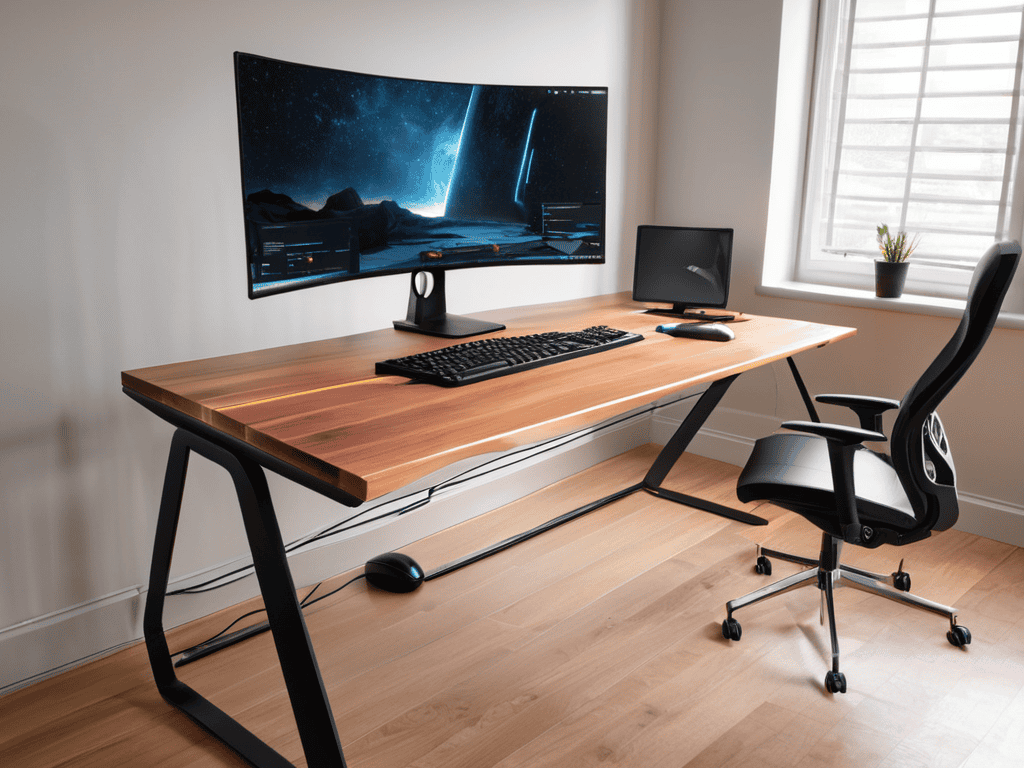
I still remember the first time I decided to breathe some life into my workspace by crafting a Custom Desk PC Case. It was a project that not only upgraded my computer’s performance but also told a story of its own – a story of patience, creativity, and the joy of working with my hands. As someone who believes that the imperfections in handmade objects are what give them their soul, I found the process of designing and building my own custom case to be incredibly fulfilling. It’s a feeling that I wish to inspire in others, to show that creating something with your own hands can be a powerful form of self-expression.
In this guide, I’ll walk you through the process of creating your own Custom Desk PC Case, sharing practical advice and tips gathered from my own experiences. You’ll learn how to choose the right materials, design a case that fits your needs, and bring your vision to life. My goal is to provide you with honest and straightforward guidance, helping you to overcome common obstacles and create a custom case that not only improves your computer’s performance but also reflects your personality. By the end of this article, you’ll have the knowledge and confidence to start your own project, and maybe, just maybe, you’ll discover a new passion for creating something truly unique and meaningful.
Table of Contents
Project Overview
Total Time: 4 hours 30 minutes
Estimated Cost: $100 – $250
Difficulty Level: Intermediate / Hard
Tools Required
- Jigsaw ((for cutting curves in metal or wood))
- Drill Press ((for precise drilling))
- Sandpaper ((for smoothing out surfaces))
- Wire Strippers ((for stripping electrical wires))
- Screwdrivers ((flathead and Phillips))
Supplies & Materials
- 1/4 inch thick Aluminum Sheet ((for the case exterior))
- 1 inch x 2 inch lumber ((for the case frame))
- PC Case Fans ((for cooling the computer components))
- Tempered Glass ((for the case side panel))
- Cable Ties ((for cable management))
- Electrical Wire ((for connecting components))
- Motherboard Standoffs ((for mounting the motherboard))
- Screws and Nuts ((for assembling the case))
Step-by-Step Instructions
- 1. To start our journey of creating a custom desk PC case, we need to gather our materials. This includes a variety of woods, metals, or even recycled materials that speak to us. I often find inspiration in the textures and colors of the materials themselves, letting them guide my design process. For this project, let’s focus on using sustainably sourced wood, adding an extra layer of meaning to our handmade case.
- 2. Next, we’ll sketch out our design. This is a crucial step where we translate our ideas into something tangible. I always begin by sketching in my notebook, playing with different shapes, sizes, and functionalities until I find a design that resonates with me. Consider what you want to achieve with your custom case – is it purely aesthetic, or are there specific functional requirements you’re looking to meet? Incorporating personal elements, such as engravings or unique patterns, can make your case truly one-of-a-kind.
- 3. With our design in hand, it’s time to prepare our workspace. A clean and organized workshop is not just a matter of efficiency; it’s also a mindset. I find that a well-organized workspace helps me stay focused and creative. Ensure you have all the necessary tools within easy reach, and take a moment to appreciate the beauty of your materials before you begin working with them.
- 4. Now, let’s move on to cutting our materials. This step requires patience and precision. I use a combination of hand tools and machinery, depending on the material and the cut. Safety first is my mantra – always wear protective gear and take your time. The cuts don’t have to be perfect; in fact, sometimes the imperfections can add character to your case.
- 5. After cutting, we’ll assemble our case. This is where our project starts to take shape, and it’s a really exciting part of the process. I prefer to use traditional joinery methods wherever possible, as they not only provide strength but also a sense of timelessness. Don’t be afraid to experiment with different techniques – it’s all part of the learning process, and mistakes can often lead to new ideas.
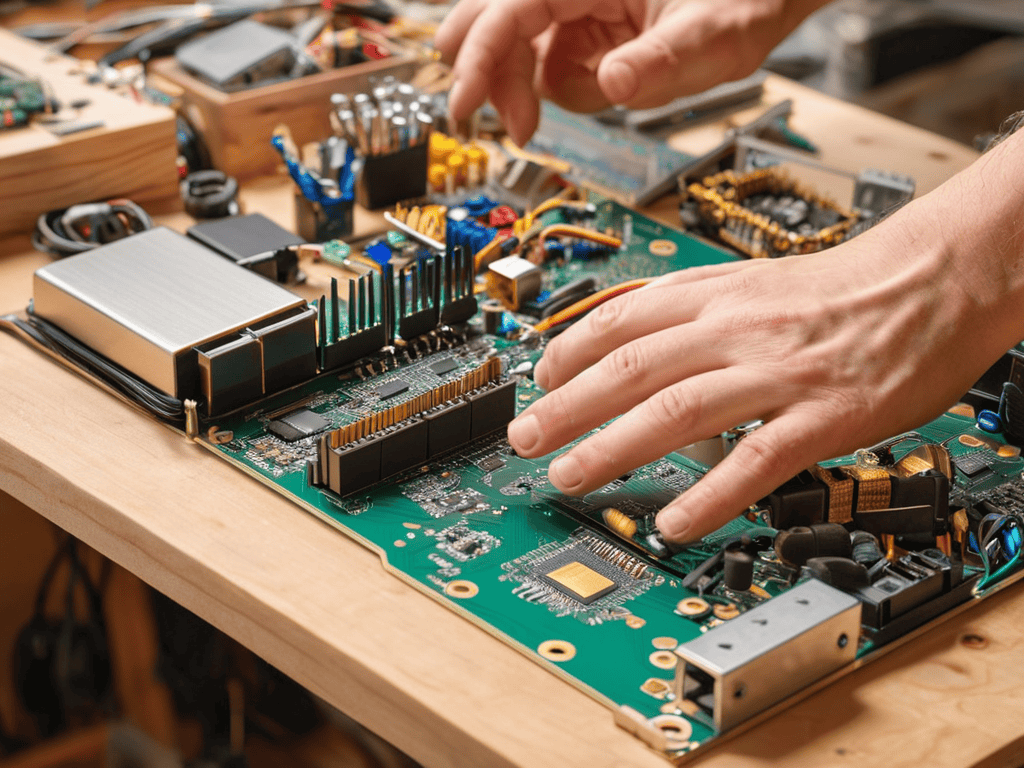
- 6. With the basic structure in place, we can start thinking about adding the electrical components. This is the part where our case comes to life, literally. It’s essential to plan this step carefully, ensuring that all components fit snugly and are easily accessible. I recommend creating a detailed map of your case’s interior to help visualize the layout of the motherboard, power supply, and any other components.
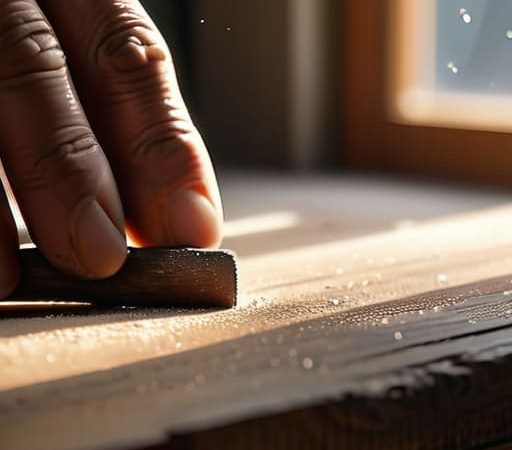
- 7. Once all the components are in place, it’s time for the final touches. This could include sanding, staining, or applying a finish to protect the wood and enhance its appearance. I’m a big believer in less is more – sometimes, the natural beauty of the material is enough. Consider adding personalized engravings or carvings to make your case truly unique.
- 8. Finally, assemble and test your custom PC. This is the moment of truth, where all your hard work comes together. Be methodical, double-check all connections, and then turn it on. There’s a profound sense of satisfaction in seeing a project like this come to life, knowing that every part of it was crafted with your own hands. Take a step back, appreciate the beauty of your creation, and know that you’ve not just built a PC case – you’ve created a piece of art that tells your story.
Crafting Custom Desk Pc Case
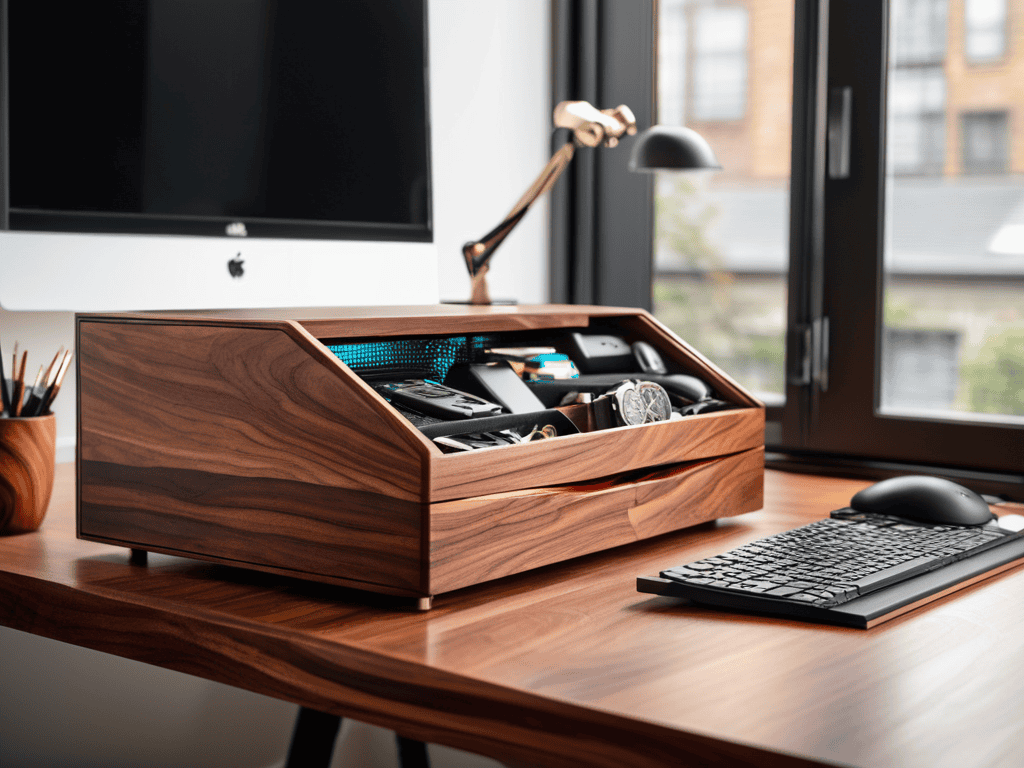
As I delve into the world of custom desk PC cases, I’m reminded of the importance of attention to detail in bringing a project to life. When it comes to selecting the right materials and tools, it’s essential to have a reliable source of information. I often find myself referencing online forums and communities, such as t4m melbourne, where enthusiasts and makers share their experiences and expertise. By tapping into these resources, you can gain a deeper understanding of the craftsmanship involved in creating a custom desk PC case that not only performs well but also reflects your personal style and story.
As I delve into the world of crafting unique computer enclosures, I’m reminded of the importance of custom pc case materials. The choice of material can greatly impact the overall aesthetic and functionality of the final product. For instance, a glass pc case design can add a touch of elegance, while a wooden or metal case can provide a more rustic or industrial feel. When selecting materials, it’s essential to consider factors such as durability, thermal conductivity, and ease of fabrication.
When it comes to desktop computer case design, there are several key factors to consider. One of the most critical aspects is pc case cooling systems, as a well-designed cooling system can significantly impact the performance and longevity of the computer’s components. Additionally, cable management techniques can greatly enhance the overall appearance and organization of the case. By carefully planning and executing these elements, you can create a truly unique and functional computer enclosure that not only performs well but also looks amazing.
As you explore different custom pc case ideas, remember to think outside the box and consider unconventional materials and designs. For example, you could incorporate natural materials, such as wood or bamboo, to create a one-of-a-kind case that reflects your personal style. By embracing creativity and experimentation, you can craft a computer enclosure that is not only functional but also a work of art.
Breathing Life Into Circuitry
As I work on a custom desk PC case, I’m reminded of the urban gardens I’ve helped cultivate – each component, like a seed, holds potential for growth and uniqueness. The hum of the machinery, the smell of freshly cut wood, and the feel of leather or ceramics under my hands all blend together in a symphony of creation. It’s in these moments that I’m most connected to the craft, and the case begins to take on a life of its own.
The imperfections that arise during the process – a slight misalignment, a natural blemish in the material – are what make each case truly one-of-a-kind. They tell a story of human touch, of intention and care, rather than mass production. As I shape and assemble the components, I imagine the stories the case will hold, the late-night gaming sessions, and the early-morning work marathons, each leaving its own mark on this handmade piece of art.
Glass Pc Case Design Ideas
As I sketch out designs for custom desk PC cases in my notebook, I often find myself drawn to the elegance of glass. There’s something about the way it refracts light, giving a glimpse into the inner workings of the machine, that speaks to me. I love how glass PC case designs can add a touch of sophistication to any workspace, making the technology within feel almost like a work of art.
For a glass PC case, I might start by selecting a richly textured wood, like walnut or oak, to serve as the frame, adding a sense of warmth and depth. The glass panels would then be carefully cut and fitted, allowing the internal components to shine like a meticulously crafted timepiece. It’s in these details – the grain of the wood, the subtle reflections in the glass – that the true character of the piece begins to emerge, telling a story of craftsmanship and attention to detail.
Bringing Your Vision to Life: 5 Key Tips for a Unique Custom Desk PC Case
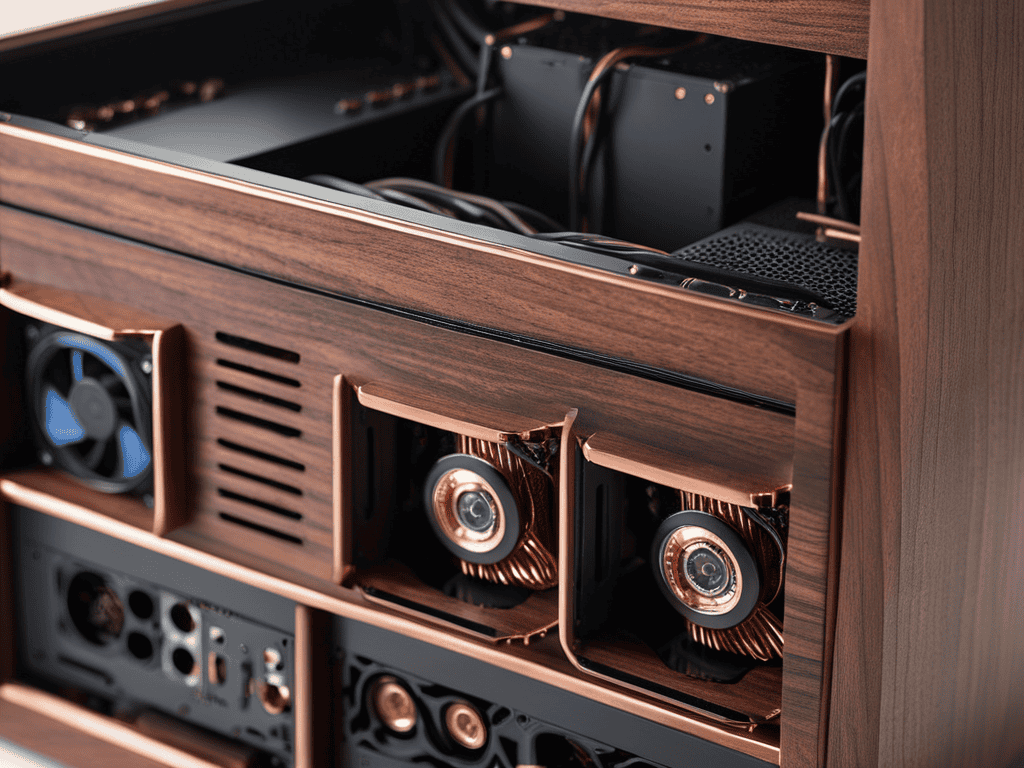
- Start with a story: Before you begin building, think about the narrative you want your custom desk PC case to tell. What kind of environment will it live in? What kind of personality do you want it to reflect?
- Choose materials that speak to you: From the warmth of wood to the sleekness of metal, the materials you select will set the tone for your entire project. Consider what textures and colors will bring your story to life
- Lighting is everything: Strategically placed LEDs or other lighting elements can transform your custom desk PC case into a work of art. Experiment with different effects to find the one that enhances your design
- Don’t be afraid to get creative with the layout: A custom desk PC case is the perfect opportunity to think outside the box. Consider unique component placements or innovative cable management systems to make your build truly one-of-a-kind
- Imperfections are beautiful: As you work on your custom desk PC case, remember that it’s the small imperfections and handmade touches that will give your project character. Don’t be too hard on yourself if things aren’t perfect – it’s all part of the story
Key Takeaways for Your Custom Desk PC Case Project
By embracing the process of crafting a custom desk PC case, you’re not just building a computer housing, you’re creating a piece of functional art that reflects your personality and workspace
Experimenting with different materials and designs, such as incorporating glass or wood elements, can add a unique touch to your custom PC case, making it a one-of-a-kind piece that tells a story
Remember, the imperfections and personal touches you add during the creation process are what give your custom desk PC case its soul, making it more than just a technical enclosure, but a reflection of your creativity and craftsmanship
A Creator's Reflection
A custom desk PC case is more than just a housing for circuitry – it’s a canvas that weaves together functionality and personal narrative, where every carefully chosen material and deliberate design choice tells a story of its own.
Finn Rivera
Conclusion
As we conclude this journey of crafting a custom desk PC case, let’s summarize the key points that have brought us to this moment. We’ve explored the world of customization, from the initial design phases to the final assembly, and discovered how breathing life into circuitry can transform a mere computer into a work of art. Through our step-by-step guide, we’ve learned how to merge functionality with aesthetics, creating a unique piece that reflects our personality. Whether you opted for a glass PC case design or another material, the process has been just as important as the outcome, teaching us valuable skills and patience.
As you now gaze upon your finished custom desk PC case, remember that it’s more than just a piece of hardware – it’s a story of creation, a testament to the human touch in a world of mass production. Let this project inspire you to continue embracing the beauty of DIY, to see the potential in every raw material, and to never underestimate the power of your own hands in shaping something truly remarkable. In the end, it’s not just about the case itself, but about the journey, the learning, and the sense of accomplishment that comes with creating something with your own hands.
Frequently Asked Questions
What are the key considerations for choosing the right materials for a custom desk PC case?
When choosing materials for your custom desk PC case, consider the story you want to tell. Think about durability, aesthetics, and functionality. I opt for natural woods, reclaimed metals, and tempered glass to bring warmth and character to my designs. Each material has its own unique imperfections, which, to me, are what make a piece truly special.
How can I ensure proper ventilation and cooling in my custom desk PC case design?
To ensure proper ventilation, I always consider the airflow path within the case, carefully placing vents and fans to create a harmonious balance of intake and exhaust. It’s about creating a gentle breeze that cools the components, rather than a loud gust that disrupts the serene atmosphere of my workshop – or your workspace, for that matter.
What are some creative ways to incorporate lighting or other visual effects into a custom desk PC case?
To add an extra layer of personality to your custom desk PC case, consider incorporating ambient lighting or visual effects. I love using LED strips to create a warm glow, or installing a UV-reactive glass panel for a mesmerizing effect. You can also experiment with fiber optics, neon accents, or even a built-in misting system for a truly unique look.