A Guide on How to Embrace Imperfection in Your Art
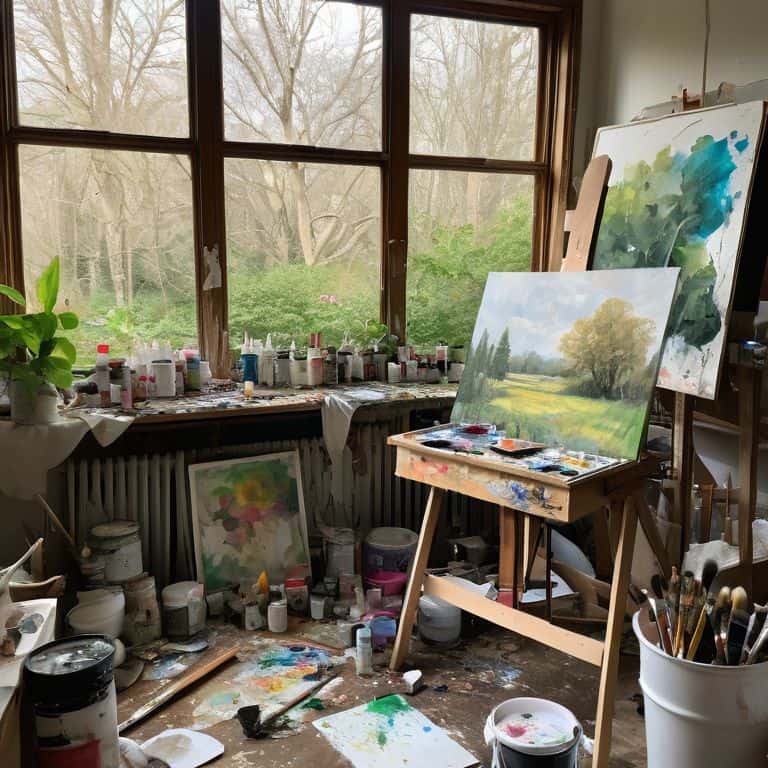
As I sit amidst the serene chaos of my studio, surrounded by half-finished canvases and scattered petals from my latest ikebana arrangement, I’m reminded of the paradox that lies at the heart of how to embrace imperfection in your art: we’re often taught to strive for perfection, yet it’s the imperfections that make a piece truly unforgettable. I recall a conversation with a fellow artist who struggled to let go of control, fearing that embracing imperfection would lead to mediocrity. But I believe that’s a misconception – embracing imperfection is not about being sloppy, it’s about trusting the process and allowing happy accidents to occur.
In this article, I’ll share my personal story of learning to let go of the need for control and instead, find beauty in the unpredictable nature of art. You’ll discover practical advice on how to silence your inner critic, experiment with new techniques, and cultivate a mindset that sees imperfection as an opportunity for growth. I’ll offer you honest, no-hype guidance on how to embrace imperfection in your art, gleaned from my own experiences as an art curator and author. By the end of this journey, you’ll be equipped with the courage to embrace the unknown and create art that’s authentic, imperfect, and uniquely yours.
Table of Contents
Guide Overview: What You'll Need
Total Time: 1 hour 15 minutes
Estimated Cost: $0 – $10
Difficulty Level: Easy
Tools Required
- Pencil (for sketching and writing notes)
- Eraser (for correcting mistakes)
- Paintbrush (various sizes for different techniques)
- Canvas or Paper (for creating art pieces, approximately 11 inches x 14 inches)
Supplies & Materials
- Acrylic Paint (various colors for experimentation)
- Watercolor Pencils (for adding subtle color and texture)
- Mixed Media Materials (such as glue, scissors, and found objects for added depth)
- Inspirational Materials (like photos, nature elements, or quotes for motivation)
Step-by-Step Instructions
- 1. First, give yourself permission to be imperfect. This means acknowledging that your art doesn’t have to be flawless, and that it’s okay to make mistakes. As the famous artist, Bob Ross, once said, “We don’t make mistakes, just happy little accidents.” Remember, it’s the imperfections that make your art unique and authentic.
- 2. Next, start by practicing self-compassion. Be kind to yourself as you create, and try not to criticize your work too harshly. Instead, focus on the process, not the end result. Allow yourself to experiment and take risks, knowing that it’s all part of the creative journey. As you work, remind yourself that it’s okay to not know exactly what you’re doing, and that uncertainty can be a catalyst for growth.
- 3. Now, try to let go of control. This can be difficult, especially if you’re a perfectionist, but it’s essential to embracing imperfection in your art. Instead of trying to control every detail, allow things to unfold naturally. Let your materials guide you, and see where they take you. As the artist, Jackson Pollock, once said, “The painting has a life of its own. I try to let it come through.
- 4. Fourth, embrace the beauty of mistakes. When you make a mistake, don’t automatically try to fix it or cover it up. Instead, take a step back and look at it with fresh eyes. You might be surprised at how a mistake can become a happy accident, leading to a new and interesting direction in your art. As you work, try to see mistakes as opportunities for growth, rather than failures.
- 5. Next, try to slow down and be present. So often, we rush through the creative process, trying to get to the end result as quickly as possible. But embracing imperfection requires a slower pace, one that allows you to fully immerse yourself in the process. Take your time, and focus on the sensory experience of creating. Notice the feel of your materials, the sounds around you, and the smell of the space you’re working in.
- 6. Sixth, practice mindfulness. As you work, try to stay fully engaged in the present moment. Let go of distractions, and focus on the task at hand. Mindfulness can help you stay focused, and allow you to tap into your creative potential. Remember, the goal is not to create a perfect piece of art, but to enjoy the journey.
- 7. Finally, try to see your art as a process, not a product. Instead of focusing on the end result, try to see your art as a journey of discovery. Remember that it’s okay if your art isn’t perfect, and that it’s the imperfections that make it interesting. As you work, try to focus on the story behind the art, rather than just the final product. This will help you stay connected to your creative vision, and allow you to embrace the imperfections that make your art unique.
Embracing Imperfection
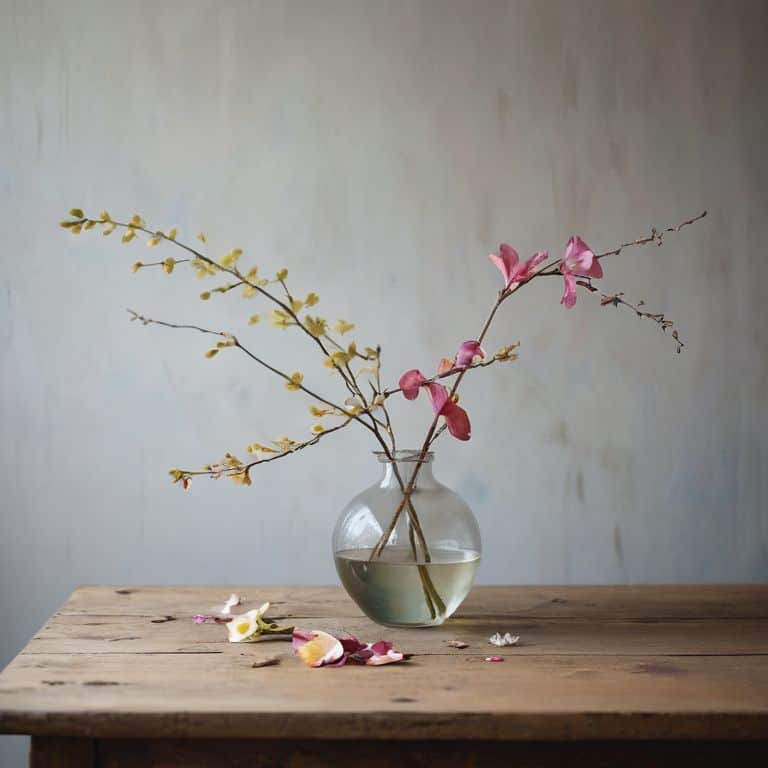
As I sit amidst the serene beauty of my ikebana arrangements, I am reminded that embracing mistakes in the creative process is a liberating experience. It allows us to tap into the raw, unbridled energy of our imagination, unshackled by the constraints of perfection. By letting go of our need for control, we open ourselves up to the possibility of happy accidents, those serendipitous moments where our mistakes become the catalyst for something truly remarkable.
The benefits of imperfect art are manifold, and one of the most significant is the way it can help us overcome self-criticism. When we permit ourselves to create imperfectly, we begin to see that our worth is not tied to the flawlessness of our work. This realization can be incredibly freeing, allowing us to focus on the process, rather than the end result. As we learn to appreciate the beauty of unfinished art, we start to understand that it’s the journey, not the destination, that truly matters.
In the world of art, imperfection as a design principle can be a powerful tool for creating something truly unique and captivating. By letting go of artistic expectations, we can tap into our inner source of inspiration, and allow our creativity to flow unencumbered. As we embark on this journey of embracing imperfection, we may find that our art takes on a new level of authenticity, one that is raw, unbridled, and beautiful.
Benefits of Imperfect Art
As I sit amidst the gentle chaos of my own creative space, surrounded by the whispers of old letters from artists and the soft scent of ikebana blooms, I am reminded that imperfect art has a way of touching our hearts in a deeper way. It’s as if the rough edges and unplanned moments speak to us on a more intimate level, reminding us that we’re all in this together – imperfect, beautiful, and alive. The benefits of embracing imperfection in our art are numerous, from the freedom to experiment and take risks, to the unique character and personality that emerges from our willingness to let go of control.
In the words of the great artist, Bob Ross, “We don’t make mistakes, just happy little accidents.” It’s this mindset that allows us to see the beauty in the imperfect, and to create art that is authentic, raw, and relatable. By embracing imperfection, we open ourselves up to a world of creative possibilities, and invite others to do the same.
Letting Go of Expectations
As I sit amidst the gentle chaos of my own creative space, surrounded by half-finished paintings and scraps of paper filled with scribbled notes, I’m reminded of the wise words of Bob Ross: “We don’t make mistakes, just happy little accidents.” It’s a mantra that has guided me through my own struggles with perfectionism, and one that I believe can be a powerful catalyst for growth in any artist. By letting go of our expectations, we open ourselves up to the possibility of surprise, of discovery, and of creation that is truly authentic.
In the stillness of my ikebana practice, I’ve come to realize that it’s often the unplanned moments that bring the most beauty to our work. A brush stroke that goes awry, a color that doesn’t quite match our vision – these are the moments that can lead to something truly innovative, truly unique. And so, I encourage you to embrace the unknown, to let go of your need for control, and to trust that the beauty will rise up from the chaos.
Freeing Your Creative Spirit: 5 Tips to Embrace Imperfection in Your Art
- Allow yourself to make mistakes, and view them as opportunities for growth and discovery, just as Bob Ross did when he turned unwanted streaks into happy little trees
- Practice self-compassion and acknowledge that your art is a reflection of your unique perspective and experience, rather than striving for an unattainable ideal of perfection
- Schedule regular ‘playtime’ in your creative practice, where you intentionally let go of expectations and allow yourself to experiment and explore without judgment
- Cultivate a curiosity-driven mindset, embracing the unknown and the unpredictable, and finding inspiration in the ‘happy accidents’ that occur when you least expect them
- Create a ‘fallow season’ for your mind by taking regular breaks and allowing yourself time to rest and recharge, trusting that this pause will ultimately nourish your creativity and lead to new insights and ideas
Key Takeaways to Set Your Art Free
By embracing imperfection, you’ll not only create more authentic and relatable art, but also give yourself permission to take risks and experiment with new ideas, just like the famous artist, Bob Ross, who once said, ‘There are no mistakes, only happy little accidents’
Letting go of expectations and embracing the unknown can lead to a more meditative and enjoyable creative process, as the Japanese concept of wabi-sabi teaches us to find beauty in the imperfections and impermanence of life
Remember, imperfection is not something to be feared or overcome, but rather a natural part of the creative journey, and by accepting it, you’ll be able to tap into your unique voice and vision, and produce art that truly reflects your soul, as the renowned artist, Frida Kahlo, once said, ‘The only thing I know is that I paint because I need to’
The Beauty of Embracing Imperfection
As I always say, ‘the most exquisite art is not the kind that’s polished to perfection, but the kind that’s brave enough to be imperfect, to bear the scars of its own becoming, and to let the beauty of its flaws shine through.’
Genevieve Croix
Embracing the Beauty of Imperfection
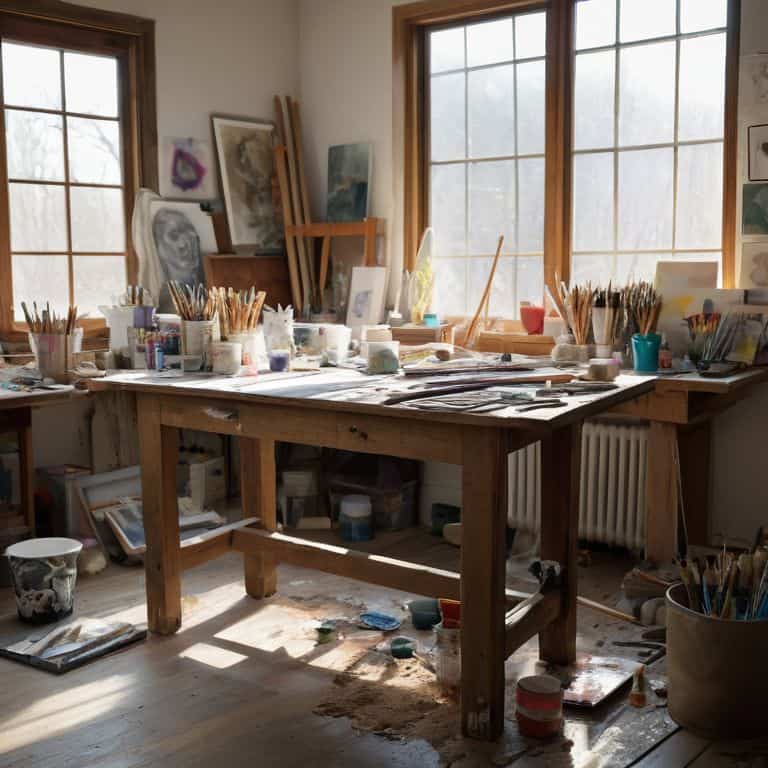
As we’ve explored the journey of embracing imperfection in our art, we’ve discovered that it’s a path that requires letting go of expectations and trusting the creative process. We’ve learned to see the beauty in the imperfect, to find inspiration in the happy accidents that occur when we’re not trying to control every detail. By embracing imperfection, we can break free from the pressure to create perfect art and instead focus on creating something that is truly meaningful and authentic.
So, as you continue on your own creative journey, remember that imperfection is not something to be feared, but something to be celebrated. It’s a reminder that our art is a reflection of our humanity, with all its messy, beautiful imperfections. Don’t be afraid to take risks, to make mistakes, and to see where they lead you. For it’s in these moments of uncertainty that we often discover our most profound and innovative creations, and it’s here that we’ll find the true beauty of imperfection.
Frequently Asked Questions
How can I silence my inner critic and stop striving for perfection in my art?
To silence your inner critic, try embracing the concept of ‘wabi-sabi’ – the beauty of imperfection. Allow yourself to create without judgment, and remember that it’s often the ‘happy accidents’ that bring the most character to your art. Give yourself permission to be imperfect, and trust that your unique voice will shine through.
What role does intuition play in embracing imperfection, and how can I tap into it?
For me, intuition is the gentle whisper that guides my creative process. It’s the voice that urges me to take risks and trust the unknown. To tap into it, I practice quieting my mind and listening to my inner wisdom. As the artist Agnes Martin once said, “The best things in life happen when you’re not thinking.” By silencing our inner critics, we can allow intuition to flourish.
Are there any specific artistic techniques or exercises that can help me cultivate a more imperfect, spontaneous approach to my creative work?
Try embracing the unpredictability of mediums like watercolor or ink, where happy accidents can become beautiful surprises. I also recommend setting a timer and creating with reckless abandon, allowing yourself to make mistakes and learn from them. As the great Bob Ross once said, “We don’t make mistakes, just happy little accidents.