The Importance of a Dedicated Creative Space
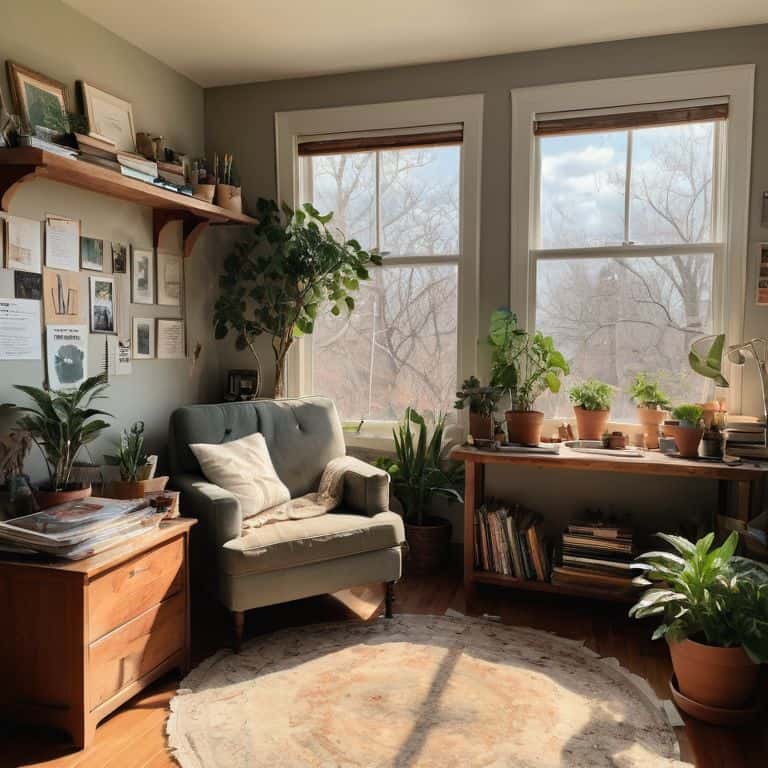
As I sit in my own dedicated creative space, surrounded by half-finished art projects and scattered notes, I’m reminded of the countless times I’ve heard people claim that having a fancy studio or a spotless office is the key to unlocking their creativity. But let’s be real, I’ve seen some of the most brilliant work come out of cramped, messy, and utterly imperfect spaces. The idea that we need some sort of ideal environment to create is not only unrealistic, but it’s also a myth that can stifle our imagination. I believe that the importance of a dedicated creative space lies not in its perfection, but in its ability to foster a sense of freedom and experimentation.
In the following pages, I promise to share with you my own experiences, as well as those of other artists, about what it truly means to have a space that nurtures your creativity. I’ll be talking about the happy accidents that can occur when we’re not trying too hard to create something perfect, and the ways in which embracing the unknown can lead to some of our most innovative ideas. My goal is to provide you with honest, practical advice that will help you create a space that works for you, not against you. By the end of this journey, I hope you’ll have a newfound appreciation for the beauty of imperfection and the power of creativity that lies within you.
Table of Contents
Dedicated Space Matters
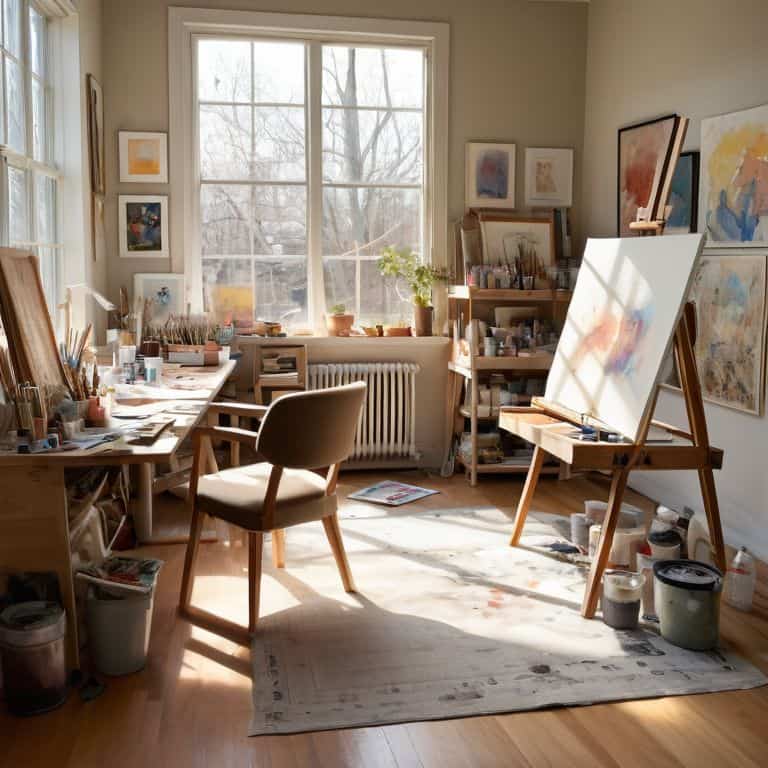
As I reflect on my visits to various artist studios, I’ve come to realize that a dedicated workspace is essential for fostering creativity. It’s a space where one can escape the distractions of everyday life and fully immerse themselves in their craft. I recall a conversation with a painter who shared with me the significance of designing a productive workspace that caters to their unique needs. By doing so, they’re able to tap into their creative potential and produce work that’s truly remarkable.
Having a space that’s tailored to one’s creative rituals can have a profound impact on their overall productivity. For instance, maintaining a clutter-free desk can help clear the mind and allow for a sense of focus to emerge. I’ve also noticed that the influence of color on the walls and surroundings can greatly affect an artist’s mindset and mood. Some artists prefer bold, vibrant colors to stimulate their imagination, while others opt for more subdued tones to promote a sense of calm.
In my own experience as an art curator, I’ve seen how a well-designed studio can facilitate the creative process. By incorporating ergonomic principles, artists can work for extended periods without feeling fatigued or discomfort. This, in turn, enables them to fully engage with their work and explore new ideas without interruption. As the renowned artist, Frida Kahlo, once said, “The atelier is a sacred space where the artist can give birth to their creations.”
Designing Productive Workspaces
As I step into the studios of fellow artists, I’m reminded that beautiful chaos can be a catalyst for creativity. A dedicated space that reflects our unique personalities and working styles can help us tap into our inner sources of inspiration.
In designing our workspaces, it’s essential to consider what nourishes our imagination, whether that’s a sun-drenched corner, a cluttered desk, or a minimalist sanctuary.
Ergonomics for Creative Flow
As I sit amidst the gentle curves of my ikebana arrangement, I’m reminded that creative flow is deeply intertwined with our physical surroundings. A well-designed space can nurture our artistic expression, while a cluttered or uncomfortable one can stifle it.
In my own studio visits, I’ve seen how ergonomic harmony can make all the difference in fostering a sense of calm and focus, allowing the mind to wander and explore new ideas.
Nourishing Your Creative Soul
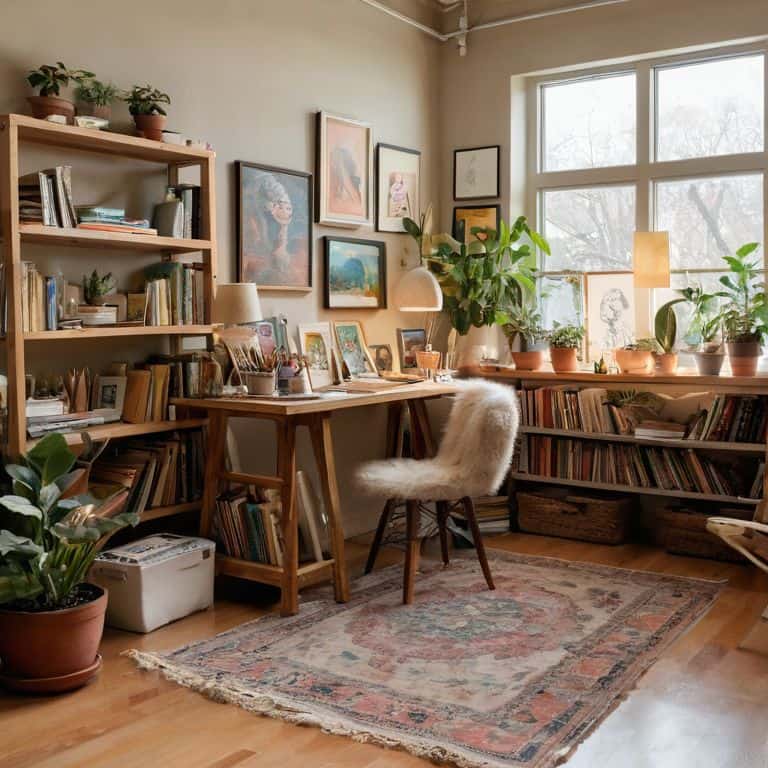
As I sit amidst the gentle chaos of my own studio, surrounded by the whispers of half-finished projects and the promise of new beginnings, I’m reminded that nourishing your creative soul is just as essential as designing a productive workspace. It’s about creating an environment that not only sparks inspiration but also soothes the mind and fosters growth. I find solace in the words of famous artists who have walked this path before me, their stories a testament to the benefits of a home office that transcends mere productivity.
In my journey as an art curator and author, I’ve come to realize that creative rituals for success are deeply personal and often rooted in the simplest of practices. For me, it’s the quiet morning moments spent arranging flowers in the traditional Japanese art of ikebana, a meditation that clears my mind and prepares me for the creative endeavors ahead. The influence of color on focus and mindset is another aspect I’ve explored, from the vibrant hues that stimulate imagination to the softer tones that encourage introspection.
Maintaining a clutter-free desk is not just about physical space; it’s also about mental clarity. By keeping my workspace organized, I’m better able to focus on the task at hand, whether it’s writing about the daily habits of famous artists or preparing for an exhibition. This balance between creativity and order is what allows me to stay inspired and motivated, embracing the beauty of the creative process in all its messy, wonderful glory.
Color Influence on Focus
As I step into an artist’s studio, I’m always fascinated by the color palette they’ve chosen to surround themselves with. It’s as if the hues and tones have a profound impact on their creative flow. I recall visiting the studio of a renowned painter, where the walls were adorned with vibrant shades of blue, evoking a sense of tranquility and focus.
The subtle psychology of color can greatly influence our mood and concentration. Soft, natural light and earthy tones can foster a sense of calm, allowing the mind to wander and explore new ideas.
Rituals for Clutter Free Success
As I step into my own studio, I’m reminded of the wisdom of embracing simplicity. A clutter-free space is not just a physical state, but a mental one as well. It allows me to focus on the task at hand, without distractions creeping in. I’ve found that implementing a daily routine of tidying up helps me stay grounded and prepared for the creative journey ahead.
By incorporating mindful moments into my daily routine, I’m able to clear my mind and prioritize my tasks. This might involve taking a few minutes to arrange a small ikebana piece, or simply sitting in silence, surrounded by the gentle hum of nature. These small rituals help me cultivate a sense of clarity, making it easier to navigate the twists and turns of the creative process.
Sacred Spaces: 5 Tips to Nurture Your Creative Haven
- Let your space reflect your soul: surround yourself with objects, colors, and textures that inspire and comfort you, just as the studio of Frida Kahlo was a testament to her vibrant spirit
- Embrace the beauty of imperfection: don’t strive for a pristine, magazine-perfect space – instead, let your creative area be a reflection of your process, with all its messy, magnificent glory
- Curate your inspiration: gather quotes, images, and mementos that spark your imagination, and display them in a way that feels personal and meaningful to you, much like the walls of Kurt Vonnegut’s writing studio
- Make space for mindfulness: incorporate elements that promote calm and focus, such as a meditation cushion, a peaceful plant, or a soothing water feature, to help you stay grounded and present in your creative journey
- Remember, it’s a sanctuary, not a storage unit: keep your dedicated space clutter-free and organized, but not at the expense of its warmth and character – strike a balance that nourishes both your productivity and your creative soul
Key Takeaways for Cultivating Your Creative Sanctuary
Embracing the idea that a dedicated creative space is not a luxury, but a necessity, can be a powerful catalyst for unlocking your full potential and nurturing your artistic voice
By thoughtfully designing your workspace with elements like ergonomic comfort, inspiring colors, and mindful rituals, you can create an environment that fosters focus, creativity, and joy
Remember, your creative space is a reflection of your inner world, and allowing yourself the freedom to make mistakes, experiment, and grow within it can lead to a deeper connection with your work and a more fulfilling creative journey
Embracing the Sanctuary of Creativity
A dedicated creative space is not just a physical refuge, but a sacred vessel for the ebb and flow of our imagination, where the messy beauty of creation can unfold without judgment, and the whispers of our soul can be heard.
Genevieve Croix
Embracing the Beauty of Creative Sanctuary
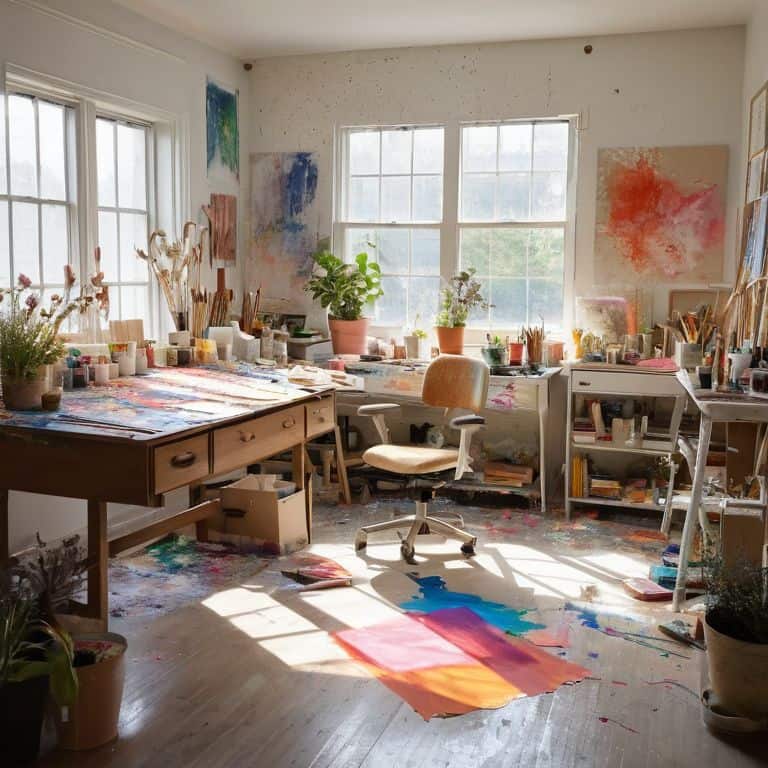
As we’ve explored the importance of a dedicated creative space, we’ve touched on the ways that designing productive workspaces and nourishing your creative soul can have a profound impact on your artistic journey. From the ergonomics for creative flow that help you stay focused, to the color influence on focus that sets the tone for your work, every element of your space plays a role in bringing your vision to life. By embracing the messy truth of creativity and giving yourself permission to get a little lost in the process, you can tap into a deeper sense of inspiration and innovation.
So as you embark on your own creative endeavors, remember that your dedicated space is a sacred sanctuary where you can let your imagination run wild and your true self shine through. Don’t be afraid to make mistakes, take risks, and try new things – for it’s in these happy accidents that some of the most remarkable works of art are born. Keep pushing forward, even when the road ahead is uncertain, and know that you’re not alone in this beautiful, messy, and utterly worthwhile journey of creative discovery.
Frequently Asked Questions
How can I create a dedicated creative space if I live in a small apartment or have limited room?
Don’t worry, my friend, creativity can thrive in tiny spaces. Consider repurposing a corner, or even a closet, into a cozy nook that sparks joy. Remember, it’s not about the size, but the intention and energy you bring to your sacred space.
What are some essential items I should include in my dedicated creative space to spark inspiration and productivity?
For me, it’s all about surrounding myself with treasures that spark joy and curiosity – a vintage typewriter, a stash of handmade papers, or a few cherished letters from my favorite artists. These tangible tokens of inspiration help me tap into my creative potential and get lost in the process.
How can I maintain my dedicated creative space to ensure it remains a source of inspiration and motivation over time?
To keep your creative space thriving, I recommend regular ‘renewal rituals’ – set aside time to declutter, rearrange, and refresh your surroundings. This might mean swapping out artwork, adding new plants, or simply rearranging your furniture to stimulate your senses and invite new inspiration.