A Guide on How to Sequence Your Photos for a Narrative
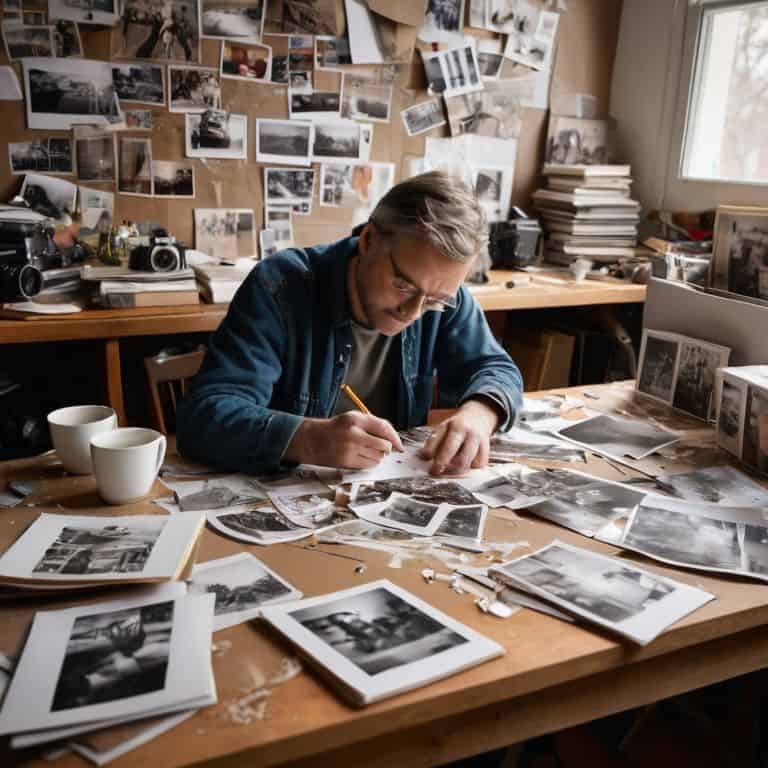
I still remember the first time I tried to sequence my photos for a narrative. I had just returned from a two-year documentary project, and I was eager to share my story with the world. But as I sat down to edit my photos, I realized that I had no idea how to put them together in a way that would truly convey the emotions and experiences I had captured. I had heard that the key to a great photo sequence was to simply tell a story with your images, but I wasn’t sure what that meant in practice. As I delved deeper into the world of photography, I discovered that learning how to sequence your photos for a narrative was not just about arranging images in a certain order, but about creating a visual journey that would draw the viewer in and refuse to let go.
As you read this article, I want you to know that you’re not just getting a list of tips and tricks on how to sequence your photos for a narrative. You’re getting a glimpse into my own process, honed from years of trial and error, and a deep understanding of what makes a photo sequence truly effective. I’ll share with you my approach to creating a visual narrative, from the initial concept to the final edit. You’ll learn how to use light, composition, and emotion to create a sequence that flows seamlessly from one image to the next, and how to use your photos to tell a story that resonates with your audience. By the end of this article, you’ll have a clear understanding of how to sequence your photos in a way that will elevate your storytelling and leave a lasting impression on your viewers.
Table of Contents
Guide Overview: What You'll Need

Total Time: 1 hour 15 minutes
Estimated Cost: $0 – $10
Difficulty Level: Intermediate
Tools Required
- Computer (with photo editing software)
- Internet Connection (for research and reference)
- Notebook (for planning and organizing)
Supplies & Materials
- Digital Photos (stored on computer or external hard drive)
- Photo Editing Software (e.g., Adobe Lightroom, Photoshop)
- Storyboard Template (printed or digital, 8 inches x 10 inches)
Step-by-Step Instructions
- 1. First, let’s start by reviewing our photos and selecting the ones that truly resonate with us. This is a crucial step, as it allows us to narrow down our options and focus on the images that will help us tell a compelling story. Take your time, and don’t be afraid to eliminate photos that don’t quite fit the narrative you’re trying to convey.
- 2. Next, think about the flow of your story and how you want to guide the viewer through your photos. Consider the emotional arc of your narrative, and how you can use your images to create a sense of tension and resolution. This will help you determine the order in which you should sequence your photos.
- 3. Now, let’s talk about pacing. When sequencing your photos, it’s essential to consider the rhythm of your story. You want to create a sense of flow that keeps the viewer engaged, with a mix of fast-paced and slow-paced moments. This can be achieved by alternating between photos with different levels of intensity, color, or composition.
- 4. As you begin to sequence your photos, pay attention to visual connections between images. Look for common themes or elements that can help tie your story together, such as recurring colors, textures, or shapes. This will help create a sense of cohesion and make your narrative more believable.
- 5. Another important aspect to consider is contrast. By juxtaposing photos with different moods or tones, you can create a sense of drama and add depth to your story. For example, you could follow a intense, high-contrast photo with a softer, more subdued image to create a sense of balance.
- 6. When sequencing your photos, it’s also essential to think about transitions. Consider how you can use visual bridges to connect one image to the next, creating a seamless flow between photos. This can be achieved by using similar elements, such as lines, shapes, or colors, to guide the viewer’s eye.
- 7. Finally, don’t be afraid to experiment and try out different sequences. Trust your instincts and let your story evolve organically. Remember, sequencing your photos is a creative process, and there’s no one “right” way to do it. The most important thing is to stay true to your vision and let your photos tell the story that needs to be told.
Sequencing Photos for Narrative
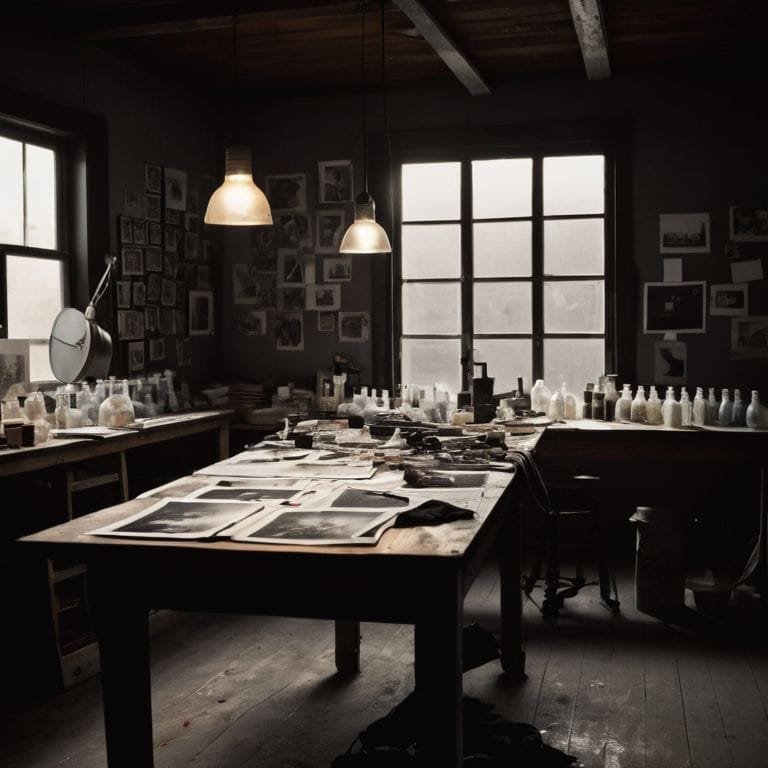
As I sit in my darkroom, surrounded by the soft glow of enlargers and the scent of developer, I’m reminded that visual storytelling techniques are just as much about pacing as they are about the images themselves. When sequencing photos for a narrative, it’s essential to consider the flow of your story, allowing each image to breathe and contribute to the overall arc. I often think of it as a _visual journey_, where each photograph is a chapter that informs and enriches the next.
In my experience, the key to effective sequencing lies in creating a _narrative arc_ that draws the viewer in and keeps them engaged. This can be achieved by balancing high-impact images with quieter, more contemplative moments. When using photo editing software to sequence your images, take the time to experiment with different arrangements, paying close attention to how each photo relates to the ones before and after it.
By applying principles from book design, such as careful attention to _image flow and pacing_, you can craft a narrative that feels cohesive and immersive. As you work on sequencing your photos, remember that the goal is to create a sense of visual storytelling that resonates with your audience, inviting them to step into the world you’ve captured through your lens.
Creating Narrative Arcs With Images
When I’m editing a photo series, I think about creating a narrative arc that draws the viewer in and takes them on a journey. It’s not just about showcasing individual images, but about how they work together to tell a story. I consider the pacing, the flow of emotions, and the way each image builds upon the last. By carefully sequencing my photos, I can create a sense of tension and release, of drama and resolution. This arc is what makes a photo series truly compelling, and it’s what keeps the viewer engaged.
For me, it’s all about finding the right balance between contrast and cohesion. I want each image to stand on its own, but also to contribute to the larger narrative. By paying attention to the visual relationships between images, I can craft a story that’s both personal and universal. Whether I’m shooting a documentary series or a portrait project, my goal is always to create a narrative arc that resonates with the viewer.
Visual Storytelling Through Editing
As I sit in my darkroom, surrounded by the soft glow of enlargers and the scent of developer, I’m reminded that editing is where the narrative truly comes alive. It’s the process of carefully selecting and arranging images to evoke a specific emotional response. I think of it as conducting a visual orchestra, where each photo is a note that contributes to the overall melody. By carefully considering the pacing, tone, and flow of your edit, you can create a visual journey that draws the viewer in and refuses to let go.
Through editing, you can control the rhythm of your story, creating tension and release, excitement and contemplation. It’s a delicate dance, where every decision counts, and the goal is to create a cohesive narrative that resonates with your audience.
Weaving a Visual Narrative: 5 Essential Tips for Sequencing Your Photos
- Start with a strong opening image that sets the tone for the story, much like a compelling first chapter in a novel
- Vary the pace of your sequence by balancing action, emotion, and quiet moments to keep the viewer engaged
- Use visual connections like color, texture, or light to create a sense of continuity between images
- Experiment with non-chronological sequencing to build suspense, convey themes, or highlight the emotional core of your story
- End with a lasting impression – a final image that resonates, asks questions, or leaves the viewer pondering the narrative long after they’ve finished viewing
Key Takeaways for Sequencing Photos
Embrace the power of storytelling through your images by considering the sequence and flow of your photos, just as a writer would approach a narrative
Experiment with different editing techniques to create visual storytelling arcs that draw the viewer in and evoke emotion, from the opening shot to the final frame
Remember, the goal of sequencing your photos for narrative is not just to convey information, but to create an immersive experience that resonates with your audience, so focus on crafting a visual journey that lingers long after the credits roll
The Art of Sequencing
The true magic of sequencing photos lies not in the individual images, but in the conversations they have with one another – it’s about crafting a visual dialogue that whispers secrets, sparks curiosity, and leaves the viewer wanting more.
Julian Kade
Weaving a Visual Narrative: A Lasting Impression
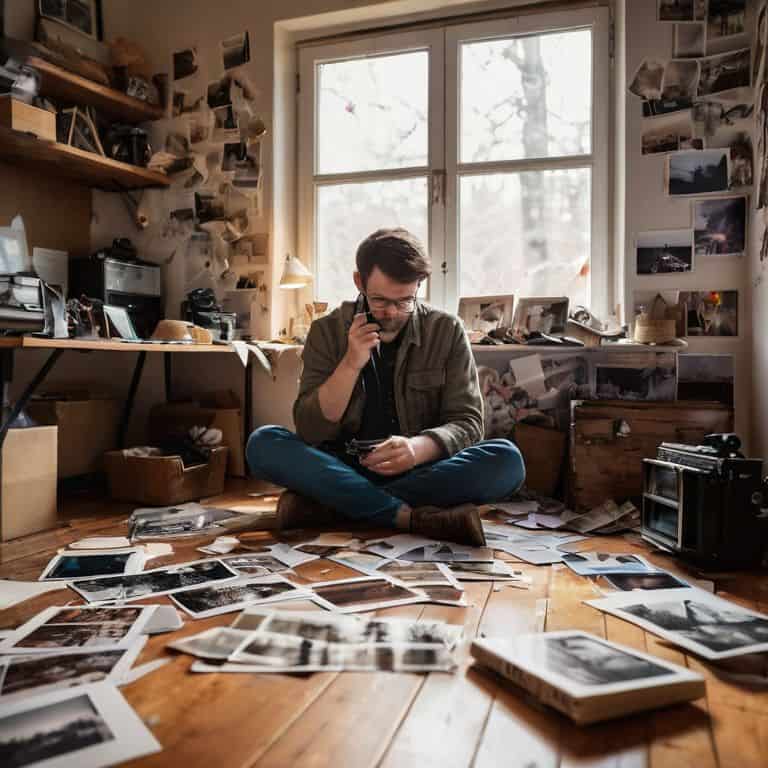
As we’ve explored the art of sequencing photos for a narrative, it’s clear that visual storytelling is a multifaceted craft. We’ve discussed the importance of creating narrative arcs with images, and how editing can be used to guide the viewer’s eye through the story. By considering the pacing, tone, and emotional resonance of our images, we can craft a visual journey that leaves a lasting impression on our audience. Whether you’re working on a documentary project or simply wanting to elevate your personal photography, remembering to sequence with intention will help you tap into the full potential of your images.
As you continue on your photographic journey, I encourage you to keep experimenting with the sequencing of your photos. Don’t be afraid to try new things and push the boundaries of what you think is possible. With practice and patience, you’ll develop a keen eye for visual storytelling, and your photos will begin to take on a life of their own. So go ahead, take a chance, and see where the story takes you – the most powerful narratives are often the ones that unfold organically, and with a little creativity, you can uncover the hidden gems in your own visual voice.
Frequently Asked Questions
How do I determine the best order for my photos to create a cohesive narrative?
To determine the best order, think of your photos as chapters in a book. Consider the emotional flow and how each image leads the viewer to the next. Ask yourself, what story do I want to tell, and what order will create tension, release, and resolution? Experiment with different sequences until it feels like a visual journey.
What role does chronology play in sequencing photos for a narrative, and when is it okay to disrupt the timeline?
Chronology can provide a clear structure, but it’s not always the best approach. Sometimes, disrupting the timeline can add tension or emphasis to your story. I like to think of it as a visual rhythm – you can play with the pacing to draw the viewer in and keep them engaged.
Can you provide examples of how to use visual elements like light, texture, and composition to create a narrative flow between images?
Let’s dive into the nitty-gritty of visual storytelling. I love using natural light to create a sense of continuity between images, like a warm glow that weaves throughout a series. Texture also plays a huge role, think rough stone to smooth skin, it adds depth. Composition is key, I often use leading lines or framing to guide the viewer’s eye from one image to the next.