A Guide on How to Find Your Photography Style

I still remember the moment I realized that finding my photography style wasn’t about mimicking the greats, but about uncovering my own unique voice. It was during a solo trip to Japan, where I spent hours wandering the streets of Tokyo, camera in hand, trying to capture the essence of the city. As I developed my film in a small darkroom, I noticed that my best shots weren’t the posed ones, but the unscripted moments that revealed the true character of the people and places I encountered. This experience taught me that how to find your photography style is a journey of self-discovery, one that requires patience, curiosity, and a willingness to take risks.
As you embark on your own journey to discover your photography style, I want to assure you that it’s not about following a set of rigid rules or formulas. Instead, it’s about embracing your creativity and learning to see the world with fresh eyes. In this article, I’ll share with you my personal approach to how to find your photography style, one that emphasizes the importance of light, composition, and emotional connection. I’ll provide you with practical tips and real-life examples to help you develop your unique visual voice, and encourage you to experiment and push the boundaries of your creativity.
Table of Contents
Guide Overview: What You'll Need
Total Time: several weeks or months
Estimated Cost: $0 – $100
Difficulty Level: Intermediate
Tools Required
- Camera (any type, including smartphone cameras)
- Computer (for editing and reviewing photos)
- Photo Editing Software (free or paid, such as Lightroom or Photoshop)
Supplies & Materials
- Notebook or Journal (for recording ideas and inspiration)
- Online Photography Courses or Tutorials (optional)
- Photography Books or Magazines (for inspiration and reference)
Step-by-Step Instructions
- 1. First, let’s start by embracing experimentation as we embark on this journey to discover your unique photography style. Begin by trying out different genres of photography, such as portrait, landscape, or street photography, to see what resonates with you. Don’t worry too much about the technical aspects at this stage; just focus on capturing images that tell a story or evoke an emotion. As you experiment, pay attention to the type of light you’re drawn to – is it the warm, golden hour light or the harsh, midday sun?
- 2. Next, develop a habit of shooting regularly, even if it’s just for a few minutes each day. This will help you hone your skills and develop your eye for composition and light. Try to shoot in different locations and environments to challenge yourself and discover what works best for you. Remember, the goal is not to create perfect images but to learn from your mistakes and use them as an opportunity to grow.
- 3. Now, let’s talk about the importance of studying the work of others. Look at the photographs of artists you admire and try to understand what makes their images unique. Analyze the composition, lighting, and subject matter, and think about how you can apply these elements to your own work. Don’t be afraid to experiment with new techniques and incorporate them into your own style.
- 4. As you continue on this journey, it’s essential to develop a consistent workflow. This means establishing a routine for editing and reviewing your images, as well as setting aside time for reflection and self-critique. Ask yourself questions like: What do I like about this image? What could I improve? What story am I trying to tell? By reflecting on your process, you’ll begin to identify patterns and themes that will help you refine your style.
- 5. The next step is to identify your personal themes and motifs. What subjects do you find yourself drawn to again and again? Is it people, places, or objects? What emotions or messages do you want to convey through your images? By recognizing these themes, you’ll be able to focus your creative energy and create a cohesive body of work that showcases your unique perspective.
- 6. Now, let’s discuss the value of creating a personal project. This could be a series of images that explore a specific theme or subject, or a long-term documentary project that allows you to dive deep into a story. By working on a personal project, you’ll be able to express yourself more freely and take risks that might not be possible in a commercial or commissioned setting.
- 7. As you work on your personal project, remember to stay true to your vision and don’t be afraid to take creative risks. This is your opportunity to push the boundaries of your photography and try new things. Don’t worry about what others might think – focus on creating images that resonate with you and tell the story you want to tell. By staying authentic and committed to your vision, you’ll be well on your way to developing a unique photography style that sets you apart.
Finding Your Lens

As I reflect on my own journey, I realize that finding your lens is a deeply personal process. It’s about uncovering the visual storytelling techniques that resonate with you, and using them to convey your unique perspective. For me, it started with experimenting with different photography genre exploration, from street photography to portrait photography, and discovering what truly sparked my passion.
Through this process, I developed a keen eye for personal photography projects ideas that allowed me to express myself authentically. I began to build my photographer portfolio, showcasing my ability to capture the world in a way that was both intimate and revealing. It wasn’t about following the latest photography trends, but about staying true to my vision and continuously pushing myself to grow.
As you embark on your own journey, remember that developing a unique photography voice takes time and patience. It’s essential to stay curious, keep experimenting, and understanding photography trends without being beholden to them. By doing so, you’ll uncover a style that is unmistakably yours, and your photographs will become a testament to your visual storytelling techniques.
Crafting Visual Storytelling
As I reflect on my own journey, I realize that crafting visual storytelling is where the true magic happens. It’s about capturing the essence of a moment, and conveying emotion through the interplay of light, composition, and subject. I’ve found that the most powerful images are those that whisper a story, rather than shouting one. By paying attention to the subtleties of light and shadow, I’ve been able to add depth and nuance to my photographs, drawing the viewer in and inviting them to become a part of the narrative.
For me, this process often begins with a sense of curiosity, a desire to explore and understand the world around me. I might wander the streets, camera in hand, waiting for the light to reveal its secrets, or I might seek out the stories of others, using my lens as a tool for connection and empathy. By embracing this approach, I’ve discovered that my photographs have become more than just images – they’ve become a reflection of my own unique perspective, a window into the way I see and experience the world.
Exploring Photography Genres
As I reflect on my own journey, I realize that exploring various photography genres was instrumental in uncovering my unique voice. I experimented with landscape, street, and portrait photography, each teaching me something new about light, composition, and emotion. Through this process, I discovered that my passion lies in capturing the human experience, which led me to focus on documentary and portrait photography.
By immersing yourself in different genres, you’ll begin to understand what resonates with you and what doesn’t. You might find that you’re drawn to the stillness of landscape photography or the dynamism of street photography. Allow yourself to explore, and you’ll start to uncover the threads that weave your photography style together.
Uncovering Your Unique Voice: 5 Tips to Find Your Photography Style
- Let your curiosity wander: experiment with different genres, from portrait to landscape, to discover what sparks your creative flame
- Slow down and observe the world around you: study the play of light, the nuances of composition, and the emotional resonance of a scene
- Shoot from the heart: focus on telling stories that matter to you, whether it’s a personal project or a commissioned work, authenticity is key
- Break free from the rules: don’t be afraid to push boundaries, try new things, and make mistakes – it’s often in these moments that we stumble upon something truly innovative
- Look to the masters, but don’t mimic: study the work of photographers who inspire you, analyze what makes their images tick, and use that insight to inform your own unique perspective
Key Takeaways for Discovering Your Photography Style
Embracing your unique perspective and voice is crucial to developing a distinct photography style, which unfolds as you explore different genres and techniques
Mastering the art of visual storytelling, particularly through the manipulation of light and composition, is essential to creating photographs that evoke emotion and convey a message
Experimentation and continuous learning, including trying out various lenses and shooting styles, are vital components of refining your photography style and ensuring your images remain authentic and impactful
Uncovering the Essence of Your Vision
Your photography style is not something you find, it’s something that unfolds as you learn to see the world with intention, with curiosity, and with a deep connection to the stories that surround us.
Julian Kade
Embracing Your Unique Vision
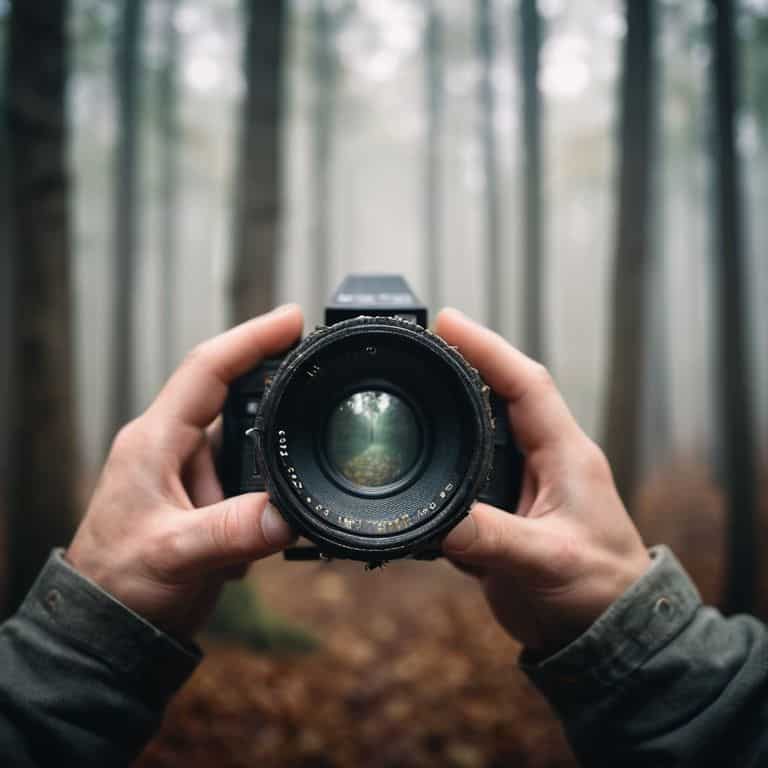
As we’ve journeyed through the process of discovering your photography style, remember that it’s about embracing your individuality and allowing your voice to shine through your images. We’ve explored the importance of finding your lens, delved into exploring photography genres, and discussed the art of crafting visual storytelling. These steps are designed to help you tap into your unique perspective and develop a style that is truly yours. By staying true to your vision and continually challenging yourself to see the world in new and exciting ways, you’ll find that your photography will begin to stand out from the crowd.
Now, as you continue on this photographic journey, I encourage you to stay curious and keep pushing the boundaries of what’s possible. Remember, your photography style is a reflection of your soul, and the most powerful images are those that come from a place of authenticity and passion. So, keep shooting, keep experimenting, and most importantly, keep telling the stories that need to be told. The world is full of fleeting moments, and with your unique vision, you have the power to capture the beauty and essence of our world, one frame at a time.
Frequently Asked Questions
How do I determine which photography genre is the best fit for my style and interests?
To determine the best genre fit, experiment with different styles – try your hand at portrait, landscape, or street photography. Notice what sparks your curiosity and creativity. Pay attention to the themes and subjects that keep you engaged, and let your passions guide you towards the genre that feels most authentic to your voice.
What role does experimentation with different camera settings and techniques play in discovering my unique photography voice?
Experimenting with different camera settings and techniques is crucial in uncovering your unique voice. I always encourage my students to shoot in manual mode, playing with aperture, shutter speed, and ISO to uncover the distinct look that resonates with them. It’s through this hands-on exploration that you’ll stumble upon the visual language that sets your photos apart.
Can I develop my own photography style if I'm just starting out with a smartphone camera, or do I need specialized equipment?
Absolutely, you can develop your style with a smartphone camera. I started with a basic DSLR, and some of my favorite shots were taken with it. It’s not about the gear, but how you see the world. Experiment with different angles, lighting, and compositions to find what works for you.