The Beauty of Chaos: Why Messy Aesthetics Are Dominating 2026

I still remember the first time I intentionally sought out Messy Aesthetics in my photography. I was on a project, documenting the lives of street performers, and I found myself drawn to the imperfect moments – the ones where the lighting was harsh, and the composition was unconventional. It was as if the beauty of chaos had finally found its way into my frame. But what struck me was how often I’d hear other photographers talk about the need for perfection, for a polished look that seemed to suck the life out of the image. It’s this obsession with perfection that I believe misses the point of Messy Aesthetics entirely.
As someone who’s spent years honing their craft, I want to share with you the liberating power of embracing the imperfect. In the following pages, I’ll be sharing my own experiences, and the lessons I’ve learned from shooting in some of the most unpredictable environments. My goal is to provide you with practical advice on how to capture the essence of Messy Aesthetics in your own photography, without getting bogged down in overly complicated techniques or expensive equipment. I believe that by focusing on the story behind the image, rather than just the technical aspects, you’ll be able to create photos that truly resonate with your audience.
Table of Contents
Mastering Messy Aesthetics

As I delve into the world of imperfect photography, I find myself drawn to the beauty of imperfection. A messy, unpolished shot can often convey more emotion than a perfectly posed and lit one. I’ve found that shooting with available light can add a sense of authenticity to my photos, and embracing the imperfections that come with it can lead to some truly unique results.
When it comes to capturing the essence of a moment, I believe that film grain texture can play a significant role. The subtle imperfections that come with shooting on film can add a layer of depth and character to an image. Of course, this doesn’t mean that digital photography can’t achieve similar results – high iso photography tips can be used to introduce a similar sense of grit and texture to an image.
To truly master this style, one must be willing to experiment and take risks. Unconventional composition can be a powerful tool in creating visually striking images. By embracing lens distortion effects and other imperfections, photographers can add a sense of tension and energy to their work. Ultimately, it’s about finding a balance between technique and creativity, and being open to the unexpected surprises that can arise from embracing a more imperfect photography style.
Embracing Imperfect Photography Style
As I reflect on my own journey as a photographer, I’ve come to realize that embracing an imperfect photography style is liberating. It allows me to focus on the authenticity of the moment, rather than trying to create a flawless image. I’ve found that some of my best shots are the ones that are slightly imperfect, with a hint of grain or a subtle blur.
By embracing this imperfect style, I’ve been able to tap into a more intuitive way of shooting, one that’s guided by feeling and instinct rather than strict technical rules. This approach has helped me to create images that are more raw and honest, and that capture the essence of the people and places I photograph.
Leveraging High Iso Photography Tips
As I continue to explore the world of messy aesthetics, I’ve found that one of the most challenging yet rewarding aspects is developing your own unique visual voice. It’s a process that requires patience, experimentation, and a willingness to take risks. I’ve been fortunate enough to connect with other like-minded photographers through online communities, such as the photo-personals platform, where we can share our work, receive feedback, and learn from each other’s experiences. By being part of a community that understands the value of emotional authenticity in photography, I’ve been able to refine my skills and stay inspired to keep pushing the boundaries of what’s possible with messy aesthetics.
When I’m shooting in low-light conditions, I love to experiment with high ISO settings to capture the mood and atmosphere of a scene. It’s amazing how a little grain can add a layer of depth and emotion to an image. I’ve found that it’s all about balance – too much noise can be distracting, but just the right amount can create a sense of tension and urgency.
I’ve developed a few techniques for leveraging high ISO photography to my advantage, including using a prime lens to let in as much light as possible and shooting in RAW to give myself more flexibility when editing. By embracing the unique qualities of available light, I can create images that feel more authentic and immersive, drawing the viewer into the world of the photograph.
Elevating Your Vision
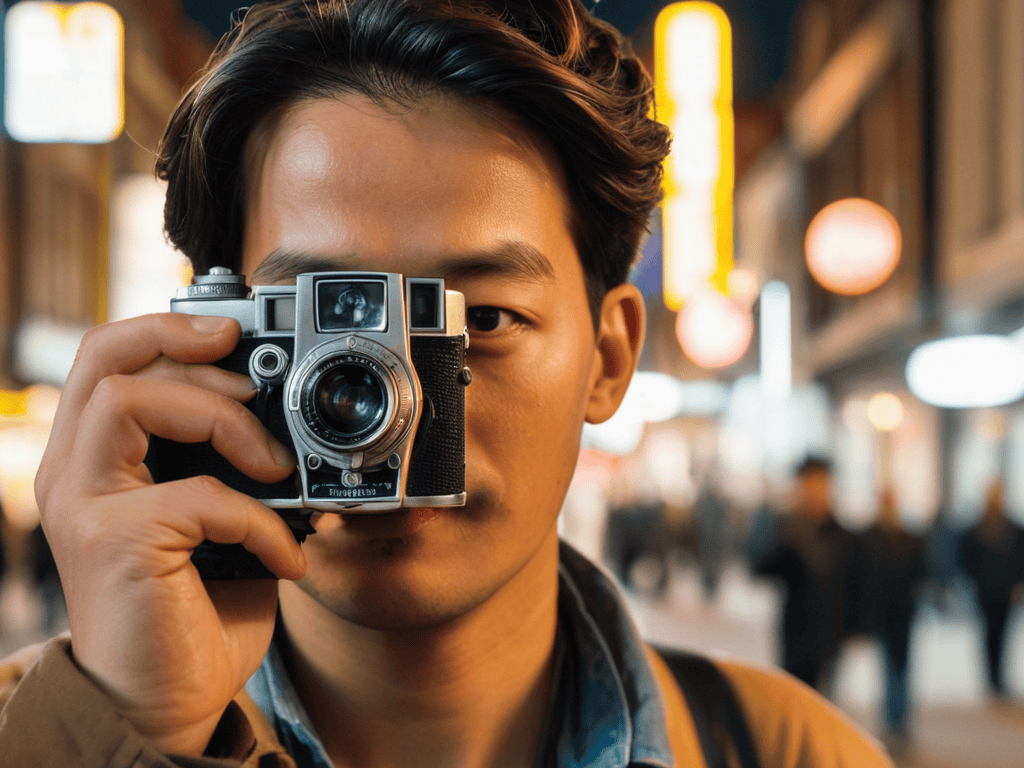
As I reflect on my own journey as a photographer, I’ve come to realize that elevating your vision is all about embracing the unique characteristics of each scene. For me, that means shooting in available light photography whenever possible, and experimenting with lens distortion effects to add a touch of personality to my images. By doing so, I’ve been able to capture moments that feel truly authentic and unscripted.
One of the key techniques I use to achieve this look is by incorporating film grain texture into my digital images. There’s something about the organic, imperfect quality of film that adds a layer of depth and emotion to a photograph. Of course, this approach requires a willingness to experiment and take risks – but the payoff can be well worth it. By embracing the imperfect photography style, I’ve been able to break free from the constraints of traditional photography and tap into a more creative, intuitive way of seeing the world.
As I continue to push the boundaries of my own photography, I’m constantly seeking out new ways to elevate my vision and capture the beauty in the everyday. Whether it’s through experimenting with unconventional composition or simply paying attention to the way the light falls on a particular scene, I’m always on the lookout for ways to add a touch of magic to my images. By doing so, I hope to inspire others to see the world in a new and exciting way – and to never stop exploring the possibilities of their own unique vision.
Adding Texture With Film Grain and Lens Distortion
As I develop my film in the darkroom, I’m always on the lookout for ways to add depth to my photos. One of my favorite techniques is incorporating film grain to give my images a sense of grit and texture. There’s something about the organic, unpredictable nature of film grain that adds a layer of emotion to an otherwise polished shot.
I also love experimenting with vintage lenses to introduce lens distortion into my photography. This subtle imperfection can add a unique character to my portraits, making them feel more intimate and authentic. By embracing these imperfections, I’m able to create photos that feel truly alive and tactile.
Unconventional Composition With Available Light
When I’m out on a photo walk, I love experimenting with unconventional composition techniques that break away from traditional rules. Available light becomes my best friend, as it adds a layer of depth and emotion to my shots. I recall a particular shoot where the soft, warm glow of the setting sun transformed a mundane alleyway into a captivating scene.
I’ve found that working with available light can be incredibly liberating, as it forces me to think creatively and adapt to my surroundings. By embracing the imperfections and unpredictability of natural light, I’ve been able to capture some of my most compelling portraits – the kind that feel truly authentic and unposed.
Unleashing the Beauty of Imperfection: 5 Key Tips for Mastering Messy Aesthetics
- Shoot during the golden hour to capture warm, soft light that adds a layer of depth to your messy aesthetic shots
- Experiment with high ISO settings to introduce grain and texture, giving your photos a gritty, unpolished feel
- Abandon traditional composition rules and embrace unconventional framing, such as placing subjects off-center or using negative space
- Incorporate organic elements, like dust, water, or smoke, to add an extra layer of realism and messiness to your photographs
- Play with vintage camera lenses or editing software to introduce lens distortions, flares, or other imperfections that enhance the messy aesthetic of your images
Key Takeaways for Mastering Messy Aesthetics
I’ve learned that embracing imperfect photography styles can lead to some of the most compelling and authentic images, by focusing on the story and emotion rather than technical perfection
Understanding how to leverage high ISO photography tips and unconventional composition with available light can add a layer of depth and grit to your photos, making them stand out in a world of polished, overly edited images
By experimenting with film grain, lens distortion, and other textures, you can add a unique, human touch to your photography, making it more relatable and impactful, and ultimately helping you develop your own distinct visual voice
The Beauty in the Unrefined
Messy aesthetics isn’t just about embracing imperfection, it’s about finding the beauty in the unscripted moments, the unposed portraits, and the unbridled light that dances across our subjects, telling us that sometimes, the most powerful stories are the ones we don’t plan for.
Julian Kade
Conclusion
As we conclude our journey through the world of messy aesthetics, it’s essential to remember that mastering this style is all about embracing imperfection. We’ve discussed how to leverage high ISO photography tips, experiment with unconventional composition using available light, and add texture with film grain and lens distortion. By applying these techniques, you’ll be well on your way to developing a unique visual voice that sets your photography apart.
So, the next time you’re out with your camera, I encourage you to see the beauty in the imperfect. Don’t be afraid to get a little messy, to take risks, and to push the boundaries of what’s considered ‘traditional’ photography. Remember, it’s the imperfections that make a photograph truly memorable, and it’s the stories we tell through our images that leave a lasting impact on our viewers.
Frequently Asked Questions
How can I balance messy aesthetics with technical proficiency to create visually appealing photographs?
To balance messy aesthetics with technical skill, I focus on intentional composition and lighting. I use manual mode to control exposure, while embracing the beauty of imperfections like lens flares or grain, allowing the image to breathe and feel more authentic.
What role does post-processing play in enhancing or creating messy aesthetics in digital photography?
For me, post-processing is where the magic happens. I use it to enhance the mood and texture of my shots, adding a layer of grit or grain to give them a more organic feel. It’s all about subtle tweaks, though – I want my photos to feel lived-in, not overworked.
Can messy aesthetics be applied to various genres of photography, such as portrait, landscape, or street photography, and if so, how?
I believe messy aesthetics can elevate any genre – from the intimacy of a portrait to the vastness of a landscape, and the raw energy of street photography. By embracing imperfections, you can add a layer of authenticity to your images, making them feel more human, more real.