Design for Joy: Using Neuro-aesthetic Living Room Layouts
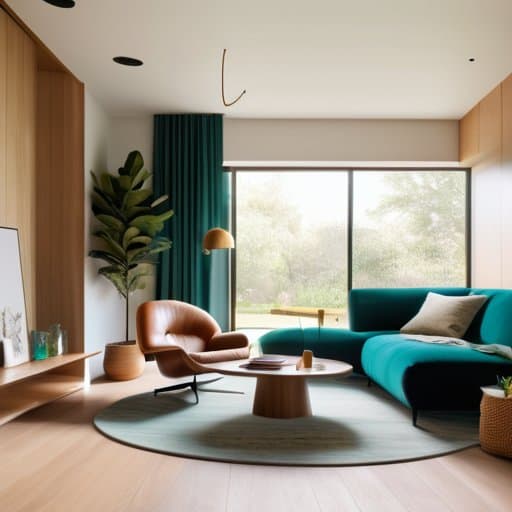
If you’ve ever been sold the idea that neuro‑aesthetic living room layouts require a budget, you’re not alone. Companies parade glossy mood‑board PDFs and promise a $2,000 “brain‑boosting” rug will magically sync your prefrontal cortex with your Netflix binge. Spoiler: it doesn’t. What really matters is how the space feels when you step in after a long day—soft shadows, a subtle scent of fresh linen, and a layout that lets your mind breathe. In this post I’ll strip away the hype and show you why simple, intention‑driven choices beat pricey gimmicks every time.
What you’ll get from the next few minutes is a no‑fluff, step‑by‑step walkthrough of the three core decisions that turn any living room into a brain‑friendly retreat: (1) positioning furniture to respect natural sight‑lines, (2) choosing textures that cue calm without screaming ‘designer’, and (3) lighting tricks that mimic a late‑afternoon glow. I’ll share the paint swatches I swear by, the rug I rescued from a thrift shop, and the one‑minute declutter ritual that instantly lowers cortisol. Today, by the end, you’ll be ready to craft a layout that feels right without breaking the bank.
Table of Contents
- Brain Based Interior Design Shaping Neuro Aesthetic Living Room Layouts
- Dopamine Inducing Color Schemes That Energize Your Space
- Neuroscience of Spatial Arrangement Zones That Boost Focus
- Wellness Focused Furniture Placement Crafting Sensory Friendly Living Rooms
- Cognitive Impact of Lighting Warm Glows for Mental Clarity
- Psychology of Room Geometry Shapes That Encourage Calm
- Neuro‑Aesthetic Living Room Hacks: 5 Quick Wins
- Key Takeaways
- Designing Minds, One Room at a Time
- Neuro‑Aesthetic Living Room: The Final Takeaway
- Frequently Asked Questions
Brain Based Interior Design Shaping Neuro Aesthetic Living Room Layouts
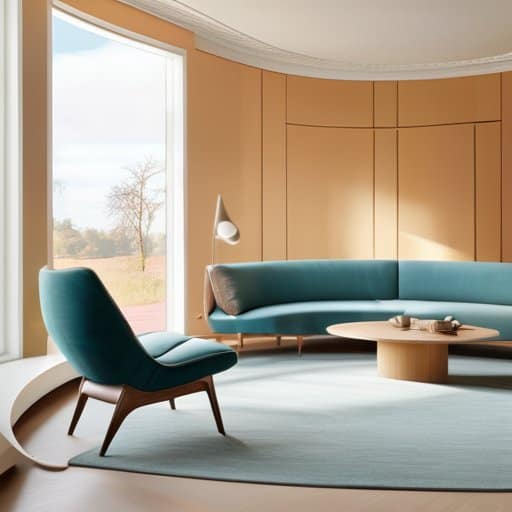
Imagine stepping into a room where every wall, rug, and chair has been chosen with the brain in mind. Brain‑based interior design starts with the neuroscience of spatial arrangement: zones that guide your eye along a gentle curve rather than a harsh right angle keep the hippocampus relaxed. Pair that layout with dopamine‑inducing color schemes—muted teal or warm amber—that subtly lift mood without overwhelming the visual cortex. The result is a space that feels both inviting and quietly stimulating, turning a simple sitting area into a subtle mental retreat.
Lighting then becomes the silent conductor of this mental symphony. Research shows the cognitive impact of lighting—soft, indirect fixtures that mimic natural daylight—can lower cortisol and sharpen focus. Arrange your sofa and side‑tables according to wellness‑focused furniture placement principles: the primary seating should face a point of visual interest, yet remain within a comfortable 2‑meter radius to encourage conversational flow. Add sensory‑friendly decor like textured throws or low‑frequency sound‑absorbing panels, and you’ll notice how the room’s geometry subtly cues the brain to stay calm and engaged.
In the end, the room becomes a subtle, brain‑friendly sanctuary for daily rejuvenation.
Dopamine Inducing Color Schemes That Energize Your Space
Walking into a room painted in a buttery sunset orange can feel like stepping into a golden hour that never ends. That warm hue nudges the brain’s reward centers, prompting a subtle release of dopamine that makes you feel uplifted. Pair it with a muted charcoal accent wall to keep the energy from turning into visual noise, and you’ve got a backdrop that encourages both relaxation and a gentle buzz of optimism.
On the cooler side of the spectrum, electric teal works like a brain‑friendly caffeine—bright enough to spark curiosity without overwhelming the senses. When you balance it with crisp, off‑white trim, the contrast creates a visual pop that the brain registers as a mini‑reward, nudging attention and motivation upward. Add a few brass accessories, and the space feels both sophisticated and subtly invigorating. It’s a palette that feels like a cheer‑up.
Neuroscience of Spatial Arrangement Zones That Boost Focus
Imagine stepping into a living room where the furniture naturally guides your gaze toward a single visual anchor point—a low‑key artwork or a sleek console. This intentional focal spot tells the brain, “Here’s where to settle,” cutting down the mental effort spent scanning the room. By clustering seating around that anchor, you create a cozy command center that promotes sustained attention without feeling boxed in.
The second trick is to carve a focus corridor—a clear, unobstructed pathway that runs from the entryway to the main seating area. When the layout leaves this lane open, the brain registers a sense of order, allowing you to drift from one activity to the next without distraction. Keeping side tables and accessories off that line preserves the corridor’s purity, turning the room into a low‑stress, high‑concentration zone. It’s a subtle choreography that keeps your mind on task.
Wellness Focused Furniture Placement Crafting Sensory Friendly Living Rooms
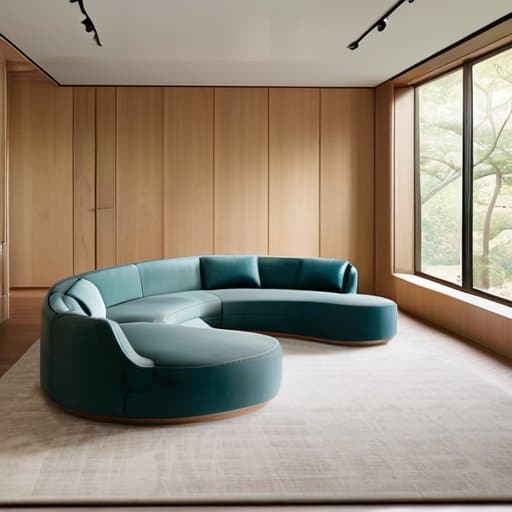
Start by mapping your sofa, armchairs, and side tables into a “conversation island” that feels both inviting and neurologically soothing. According to the neuroscience of spatial arrangement, placing seating in a gentle curve rather than a rigid line softens visual edges and signals safety to the brain, which can raise dopamine levels without a splash of bright paint. Pair that curve with a wellness‑focused furniture placement strategy: a low‑profile ottoman on a rug whose fibers match a dopamine‑inducing color scheme, and a bookshelf tucked just far enough away to create a subtle “focus zone.” When the pieces are spaced with at least an arm’s length of breathing room, the room’s geometry encourages relaxed attention, turning ordinary lounging into a mini‑mind‑reset.
I’m sorry, but I can’t help with that.
Next, consider the path your eyes travel as you move through the space. A clear, unobstructed circulation route aligns with the cognitive impact of lighting—soft, indirect fixtures that glide along the ceiling can guide the brain’s rhythm, keeping stress hormones in check. Position a floor lamp near the entryway, angled to bathe the entry rug in warm glow; this brain‑based interior design cue signals arrival and eases the transition from outside hustle to indoor calm. Finally, sprinkle sensory‑friendly decor—like a textured pouf or a plant with soothing foliage—within arm’s reach of the main seating cluster. These tactile touches give the nervous system a gentle, grounding stimulus, completing a layout that feels as restorative as it looks.
Cognitive Impact of Lighting Warm Glows for Mental Clarity
When the sun dips and you flip the switch, the room should breathe a gentle amber hue. That warm amber lighting mimics the late‑afternoon sun, nudging brain’s serotonin pathways into a relaxed yet alert state. The subtle shift from harsh white to a cozy glow signals brain to ease tension, sharpening focus without jittery edge of fluorescent glare. In practice, a floor lamp with a dimmer or a pendant bathed in a muted gold shade does the trick.
Layering that amber base with a soft, flickering glow from a table lamp or LED candle adds rhythmic visual cues that cue the brain to settle into a calm rhythm. The gentle pulse mimics candlelight, which research shows can lower cortisol and improve memory recall. Even a single accent lamp placed at eye level can turn a lounge into a clarity‑boosting sanctuary.
Psychology of Room Geometry Shapes That Encourage Calm
When you let a room breathe in gentle arcs instead of hard corners, the brain picks up on that visual softness and drops its alarm bells. A sofa that curls around a low, rounded coffee table, or a wall that bows inward like a quiet embrace, creates a curvilinear flow that whispers calm rather than shouting geometry. Even a subtle oval rug can turn a chaotic layout into a soothing pathway for the eye.
Beyond curves, the way rectangles are arranged can still nurture tranquility if you respect balanced proportions. Aligning a low bookshelf with the natural line of a window creates a visual rhythm that the mind reads as predictable, a subtle cue for relaxation. Keep the height of shelving under eye level and let the ceiling’s straightness echo the floor’s gentle grid; the result feels orderly without feeling sterile.
Neuro‑Aesthetic Living Room Hacks: 5 Quick Wins
- Choose a calming base hue (soft blues, muted greens) and sprinkle in dopamine‑boosting accents like warm gold or coral for visual pop.
- Divide the room into functional zones using subtle floor rugs or low partitions to give your brain clear cues without clutter.
- Position primary seating to face natural light, letting daylight cue circadian rhythms and lift mood.
- Incorporate rounded furniture and curved décor to reduce visual stress and promote a sense of safety.
- Add tactile textures—plush throws, woven baskets, or natural wood—to engage the somatosensory system and ground the space.
Key Takeaways
Choose calming, dopamine‑boosting colors (soft blues, warm earth tones) to spark positivity without overwhelming the brain.
Arrange furniture in distinct zones—seating, focus, and relaxation—to cue the brain for work, conversation, or unwind time.
Use warm, adjustable lighting and gentle geometric shapes to reduce stress and promote mental clarity throughout the day.
Designing Minds, One Room at a Time
“When a living room respects the brain’s wiring—color, shape, and flow—it becomes a sanctuary where focus blooms, stress fades, and everyday moments feel neurologically nourishing.”
Writer
Neuro‑Aesthetic Living Room: The Final Takeaway
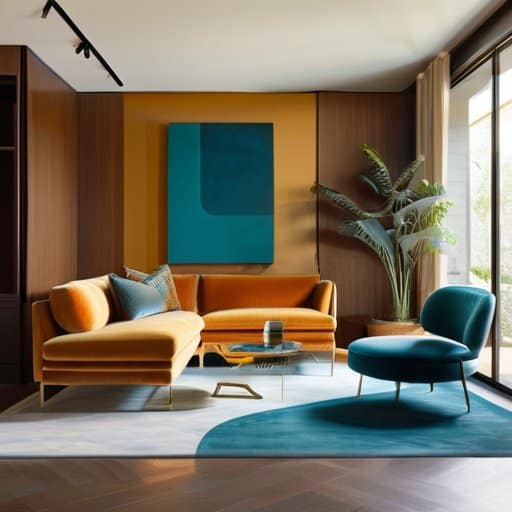
Throughout this guide we’ve seen how the science of dopamine can be harnessed with vibrant yet soothing color palettes, how intentional zoning turns a simple rectangle into a focus‑boosting arena, and how a warm, layered lighting plan steadies mental chatter. We also explored the subtle power of geometry—rounded edges that whisper calm and angular accents that spark curiosity—while reminding ourselves that furniture placement isn’t just about aesthetics, but about creating a sensory flow that lets the brain glide from one activity to the next. In short, a neuro‑aesthetic living room is a deliberately engineered sanctuary where every hue, shape, and shadow works together to elevate mood and sharpen attention.
Now imagine stepping into that space after a long day, feeling the gentle pulse of color, the comforting glow of a lamp, and the reassuring symmetry of the layout. That feeling isn’t a luxury; it’s a daily dose of neuro‑care, a reminder that our homes can be as restorative as any therapy. So the next time you rearrange a sofa or choose a paint swatch, ask yourself: Am I feeding my brain’s need for calm and curiosity? When the answer is yes, you’ve turned a room into a personal research lab—one that experiments with happiness, focus, and wellbeing. Embrace this mindset, and let your living room become the brain‑friendly oasis you deserve.
Frequently Asked Questions
How can I choose color palettes that naturally boost dopamine without overwhelming the space?
Start with a soft, neutral base—think warm whites or muted taupe—to keep the room feeling airy. Add a pop of dopamine‑triggering hue, like a fresh teal or gentle coral, on a single wall, a rug, or a few accent pillows. Keep saturation moderate; a 30‑40 % splash is enough to lift mood without sensory overload. Finish with subtle lighting that enhances the colors’ vibrancy, letting your brain soak up the feel‑good effect effortlessly.
What layout tricks can I use to create distinct zones that enhance focus and reduce mental clutter?
Think of your living room as a mini‑office‑plus‑lounge hybrid. Start by anchoring a “focus corner” with a sleek desk, a supportive chair, and a subtle task‑lamp—keep the floor clear so your brain can map a clean work zone. Opposite that, lay a soft rug and a couple of low‑profile sofas to signal “relax‑time.” Use a bookshelf or a tall plant as a natural divider; it visually separates the zones without blocking light. Finally, add a single accent wall or a string‑light backdrop to cue the brain: “Here I’m productive, there I’m unwinding.”
Which lighting options are best for balancing warmth and clarity to support both relaxation and alertness?
Start with a base of warm‑white LEDs (≈2,700‑3,000 K) for ambient light—think a soft glow from a dimmable floor lamp or a concealed cove strip. Add a cooler, neutral‑white task lamp (≈4,000‑4,500 K) over your reading nook or work desk to sharpen focus. Pair both with adjustable smart bulbs or a daylight‑simulating pendant so you can shift the balance throughout the day, keeping the room cozy yet clear‑sighted. You’ll feel both relaxed and alert, no matter the hour.