Build Your Fort: the Ultimate Deep Work Sanctuary Setup Guide
If you’ve ever been sold the idea that a $2,000 standing desk, Himalayan‑salt lamp, and a sound‑proof pod are the holy grail of a Deep work sanctuary setup, I’m here to call BS. I spent a month in a cramped college dorm, headphones blasting caffeine‑induced jazz, and managed to churn out a research paper that got me a scholarship. The only thing that mattered was a cheap desk lamp, a tidy notebook, and a “do not disturb” sign I’d taped to the door. All the hype about pricey ergonomic chairs? Pure marketing fluff.
In the next few minutes I’ll strip away the glitter and hand you a no‑frills, step‑by‑step blueprint for building a focus‑fuelled haven on a shoestring budget. You’ll learn how to pick a corner that whispers “business”, set up lighting that keeps your eyes happy, and lock in a ritual that tells your brain: it’s grind time. No fancy gadgets, just practical tweaks that turned my dorm desk into a productivity engine. By the end, you’ll have a reproducible template you can replicate anywhere, so you can finally stop chasing hype and start getting work done.
Table of Contents
- Designing Your Deep Work Sanctuary Setup for Maximum Focus
- Cable Management for Deep Work Tidy Desk Uncluttered Mind
- Optimal Lighting for Focus Color Temperature Secrets
- Mastering Minimalist Office Design for Concentration and Flow
- Biophilic Design for Concentration Bring Nature Into Focus Zones
- Soundproofing Tips for Home Office Silence the Distractions
- Crafting Your Focus‑Fueling Oasis
- Key Takeaways for Your Deep‑Work Sanctuary
- Sanctuary of Focus
- Wrapping It All Up
- Frequently Asked Questions
Designing Your Deep Work Sanctuary Setup for Maximum Focus
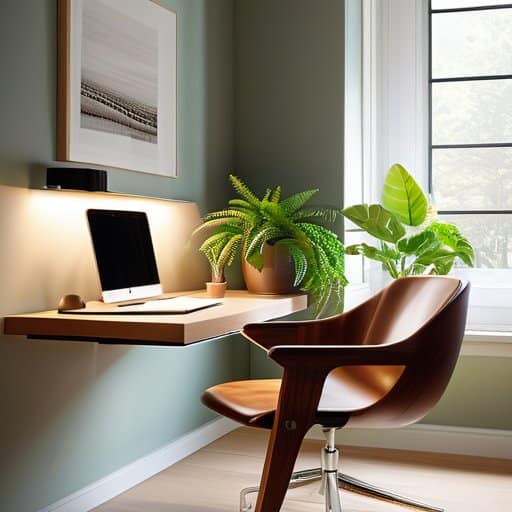
Start by mapping out a productivity zone arrangement that feels instinctively right for you. Position your desk where natural light streams in, then layer it with a task lamp that mimics daylight—this is the secret to optimal lighting for focus. Keep the layout spare: a single chair, a clean work surface, and maybe a small plant for a touch of life. Tidy cables behind a simple conduit or a zip‑tie garden; good cable management for deep work prevents visual clutter from stealing your mental bandwidth before you even begin.
Next, think about the auditory backdrop. Even a thin rug or a set of wall‑hung acoustic panels can act as a quiet‑zone shield; these are the cornerstone of soundproofing tips for home office that don’t require a full‑blown studio. Add a few pieces of nature—like a framed leaf print or a modest terrarium—to lean into biophilic design for concentration. The result is a room that feels both spacious and intentionally curated, turning an ordinary corner into a focused haven where distractions quietly bow out.
Cable Management for Deep Work Tidy Desk Uncluttered Mind
Imagine opening your laptop and instantly seeing a forest of tangled chargers, HDMI cords, and power strips. Before you dive into a sprint, give those rogue wires a home. A simple cable sanctuary can be built with adhesive clips that hug the desk edge, a flexible sleeve that bundles the charger and mouse cord, and a discreet under‑desk tray for the power brick. When everything is tucked away, your eyes stay on the screen, not the spaghetti.
After each session, spend a minute straightening the cords—pull the sleeve tight, snap the clips back into place, and slide the brick into its tray. That quick ritual signals to your brain that the workspace is ready for the next focus burst, and the visual calm keeps mental clutter at bay. A tidy desk becomes a focus cue that deep work is a click away.
Optimal Lighting for Focus Color Temperature Secrets
When you’re carving out a focus‑fuelled zone, the hue of your light can be a hidden productivity lever. Aim for a lamp that sits in the cool daylight spectrum—roughly 4,000 to 5,000 K. That crisp, slightly bluish glow mimics natural noon light, nudging your brain into a wakeful, alert state without the glare of a fluorescent office. Pair it with a low‑level warm lamp for a gentle visual transition as the day winds down.
Layering is the secret sauce: let a soft ambient lamp set the mood, then bring a focused task lamp into play for reading or typing. Choose LEDs with a dimmer so you can dial the brightness down to a comfortable level after sunset, and steer clear of flickering tubes that strain the eyes. A soft amber glow in the evening cues your nervous system to start winding down, keeping the workspace cozy yet still functional.
Mastering Minimalist Office Design for Concentration and Flow
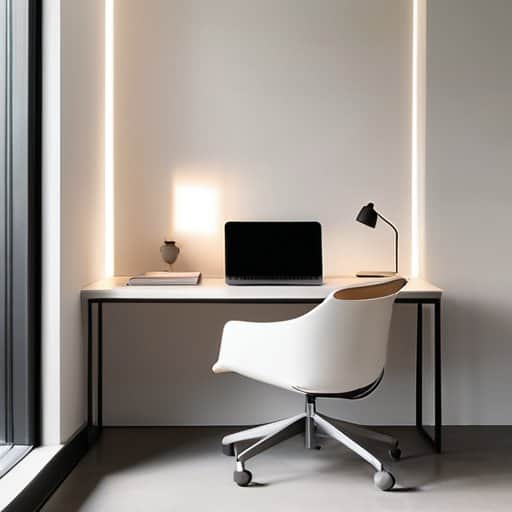
Start by stripping the space down to its essentials. A single ergonomic chair paired with a clean‑lined desk creates a visual calm that tells your brain it’s time to switch on. Choose a muted palette—soft whites, cool greys, or warm beiges—and let natural light be your primary illuminant. When daylight isn’t available, install a daylight‑balanced LED panel; the optimal lighting for focus it provides mimics the sun’s 5,500 K hue and keeps melatonin steady. Keep only the tools you truly need—a notebook, a laptop, and a minimalist desk organizer—to maintain a minimalist office design for concentration.
Next, think about the acoustic envelope. Even an apartment can echo with street rumble or a neighbor’s chatter, so treat the walls like a soft blanket: hang acoustic panels, drape a rug, or place a bookshelf filled with books to absorb stray frequencies. For the visual side, add a touch of nature—a small potted fern or a framed leaf pattern—because biophilic design for concentration lowers stress and extends attention spans. Finally, route your power cords and USB leads through a cable‑management sleeve; a tidy under‑desk tray turns a mess into a sleek, distraction‑free productivity zone arrangement.
Biophilic Design for Concentration Bring Nature Into Focus Zones
Once your lighting and sound‑proofing are dialed in, the next secret is a simple ritual that signals your brain it’s time to dive in—something as easy as a two‑minute desk‑clear and a quick glance at your favorite focus‑boosting playlist. I keep a curated list of instrumental tracks on a free streaming service that lets me toggle between “cognitive surge” and “steady flow” modes, and the site even offers a printable checklist to lock away any lingering to‑do items before I start. If you’re looking for a ready‑made, no‑fluff resource that bundles these playlists with a quick‑setup guide, the “shemale anzeigen” page has a neat, user‑friendly download that’s saved me countless minutes of searching: shemale anzeigen.
Start by giving your eye a simple, soothing green view—even a modest windowsill garden can do the trick. A trailing pothos or a low‑maintenance succulent adds a splash of life without demanding constant attention. Position the pot where it catches morning light, and let the leaves sway gently as you settle in. The subtle movement and the faint scent of fresh foliage cue your brain that you’re in a calm, dedicated space, priming it for sustained focus.
Next, texture the zone with natural textures—think a reclaimed‑wood desk, a stone coaster for your coffee mug, or a woven jute rug underfoot. The tactile variety tells your nervous system that you’re in a grounded, intentional environment. Even a low‑volume playlist of forest ambience can seal the deal, turning the room into a micro‑forest where every glance reinforces concentration. Daily, the green vibe clicks into place.
Soundproofing Tips for Home Office Silence the Distractions
Start by treating the walls like a sound‑absorbing blanket. A DIY trick is to hang a thick tapestry or acoustic panels where the echo bounces most—usually behind your monitor and along the side walls. Even a row of bookshelves filled with varied‑size volumes can act as a diffuser, breaking up stray frequencies before they reach your ears. Finish the job with a snug door sweep to keep hallway chatter from slipping under the gap.
Next, think vertically: a rug or carpet underfoot isn’t just cozy, it damps foot‑traffic noise, while heavy curtains over windows act as a double‑layered buffer against street traffic. If you can’t close the window, a window plug made from acoustic foam seals the gap. Finally, a white‑noise machine or a playlist of rain can mask any residual buzz, turning your office into a quiet cocoon where focus thrives.
Crafting Your Focus‑Fueling Oasis
- Choose a dedicated nook—close the door, cue your brain that it’s work‑only time.
- Install adjustable, warm‑white lighting that mimics natural daylight for sustained alertness.
- Keep tech tidy with a cable‑conceal system and a single‑screen setup to avoid visual clutter.
- Add a small plant or natural element to boost oxygen and calm without stealing attention.
- Set a “do‑not‑disturb” signal—sign, timer, or headphones—to guard against interruptions.
Key Takeaways for Your Deep‑Work Sanctuary
Choose the right lighting—soft, warm tones for calm focus, cooler whites for alert tasks, and adjustable layers to match your rhythm.
Keep cables hidden and surfaces clear; a tidy desk signals a tidy mind and minimizes visual clutter.
Embrace minimalist, nature‑infused design—plain surfaces, a touch of greenery, and acoustic tweaks to sustain flow.
Sanctuary of Focus
“A deep‑work sanctuary isn’t just a desk—it’s a deliberately crafted cocoon where light, silence, and tidy surfaces converge, turning distraction into pure concentration.”
Writer
Wrapping It All Up
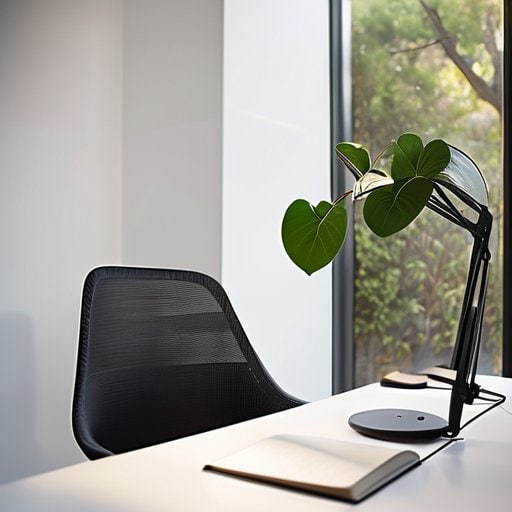
Throughout this guide we’ve unpacked the essential ingredients that turn a regular desk into a deep work sanctuary. You learned how optimal lighting—cool whites for alertness or warm tones for calm—sets the stage for sustained concentration, and why a disciplined cable‑management system clears visual clutter so your mind can stay on task. Minimalist layouts keep distractions at bay, while strategic soundproofing creates a quiet cocoon. Finally, weaving in biophilic elements—potted greens, natural textures, or a view of the outdoors—feeds the brain’s innate love of nature, turning any room into a focus‑enhancing haven. Pair these choices with a comfortable chair and a personal “do‑not‑disturb” signal, and you’ve built the perfect backdrop for entering a flow state.
Now that the blueprint is in your hands, treat the setup as a daily ritual rather than a one‑off project. Each morning, spend a minute aligning your lights, silencing stray noises, and inviting a splash of greenery—small gestures that cue your brain to slip into deep focus. When you walk into that curated space, you’re not just sitting at a desk; you’re stepping into a personal launchpad where ideas ignite and distractions dissolve. Embrace the habit of closing the door behind you, and let your newly minted sanctuary become the secret weapon that powers every ambitious goal you set for yourself, and fuel your future successes with confidence and clarity.
Frequently Asked Questions
How much natural light should I aim for, and what type of artificial lighting works best for sustained focus?
Aim for a bright, but not glare‑filled, window that lets in about 300–500 lux—roughly the light level of a sunny living‑room. If you can’t get that, supplement with a daylight‑balanced LED desk lamp (4,000–5,000 K) that mimics natural sunlight and can be dimmed for evening work. Pair it with a soft, warm task light (2,700 K) for late‑night reading to keep your circadian rhythm happy. Also, position your monitor perpendicular to the window and use low‑profile blinds that let diffused light in while keeping glare out.
What are the most effective low‑tech ways to keep my desk clutter‑free without sacrificing essential tools?
Create a “tool tray” zone: a shallow box or a repurposed baking sheet that holds your most‑used pens, sticky notes, and a couple of chargers—everything you reach for daily stays in one tidy spot. Next, use a simple binder or a sturdy accordion file for paperwork you need on hand; label each tab so you can grab a folder in seconds. Finally, keep a small “donut‑hole” box for loose items like USB sticks or spare batteries—just one drawer, one box, one place. This low‑tech system keeps the surface clear while still giving you instant access to every essential tool.
Can I incorporate ergonomic furniture and acoustic solutions on a budget, and still maintain a calming aesthetic?
Absolutely—you can build a calm, budget‑friendly workstation without sacrificing ergonomics or sound control. Start with a sturdy, adjustable chair from a second‑hand office supply store; add a simple sit‑stand converter for your laptop to keep posture happy. Drape a thick, decorative rug or wall‑hung acoustic panels in soothing hues to mute echo, and line the desk edges with a low‑profile foam pad. Finish with a few green plants or a pastel lamp for a soothing vibe.