A Guide on How to Cultivate Curiosity for a More Creative Life
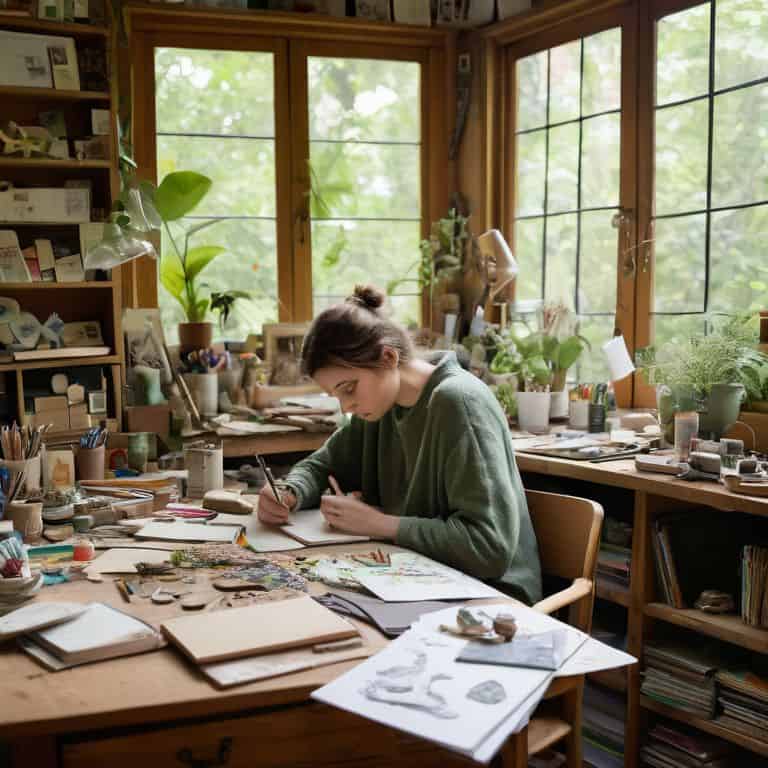
As I sit amidst the chaos of my art studio, surrounded by half-finished projects and scattered notes, I’m reminded of the age-old adage that curiosity is the spark that ignites creativity. Yet, I’ve often found that the most well-intentioned advice on how to cultivate curiosity can feel like a simplistic solution to a complex problem. We’re told to “think outside the box” or “ask more questions,” but what about when the box feels suffocating and the questions feel daunting? I’ve struggled with this myself, and it’s only through embracing the unknown and embracing the mess that I’ve begun to uncover the secrets to nurturing a curious heart.
In this article, I’ll share my personal story of how to cultivate curiosity, warts and all. You’ll discover the practical, no-nonsense advice I’ve gleaned from years of working with artists and creatives, from the importance of embracing happy accidents to the value of scheduling time for aimless wandering. My goal is to demystify the process of cultivating curiosity, to share the real stories behind the art, and to offer a gentle nudge to keep you going, even when the going gets tough. By the end of this journey, you’ll have a newfound appreciation for the beauty of uncertainty and the tools to nurture a curious heart that will serve you well on your own creative path.
Table of Contents
Guide Overview: What You'll Need

Total Time: 1 hour 15 minutes
Estimated Cost: free – $10
Difficulty Level: Easy
Tools Required
- Journal (for reflection)
- Computer or Mobile Device (with internet access)
Supplies & Materials
- Curiosity-Inducing Books or Articles (optional)
- Pencil or Pen (for writing down questions)
Step-by-Step Instructions
- 1. First, let’s start by embracing the idea that curiosity is a muscle that needs to be exercised. To do this, I recommend setting aside 10-15 minutes each day to simply observe your surroundings without any judgment or distraction. Take a walk, sit in a park, or gaze out the window, and let your mind wander. As you do this, pay attention to the small details that often go unnoticed, like the way the light reflects off a leaf or the sound of birds chirping in the distance.
- 2. Next, make a conscious effort to ask open-ended questions. Instead of asking yes or no questions, try to ask questions that begin with what, how, or why. This will help you tap into your natural curiosity and encourage you to think more deeply about the world around you. For example, instead of asking “Is this painting beautiful?”, ask “What makes this painting beautiful to me?” or “How does the artist’s use of color contribute to the overall mood of the piece?
- 3. Now, let’s talk about the importance of embracing uncertainty. So often, we try to avoid things that make us feel uncertain or uncomfortable, but it’s precisely this uncertainty that can spark our curiosity. Try to approach unfamiliar situations or experiences with a sense of wonder and curiosity, rather than fear or resistance. Remember, it’s okay to not have all the answers, and sometimes the most interesting discoveries come from stepping into the unknown.
- 4. To further cultivate your curiosity, try to seek out new experiences. This could be anything from trying a new restaurant, taking a weekend trip to a nearby city, or attending a concert or art exhibition. The key is to expose yourself to new sights, sounds, and ideas, and to be open to the possibility of discovery. As you engage in these new experiences, pay attention to what sparks your interest and what doesn’t, and use this information to guide your future explorations.
- 5. Another important step is to practice active listening. When engaging with others, make an effort to truly hear what they are saying, rather than just waiting for your turn to respond. Ask follow-up questions, seek clarification, and try to understand the other person’s perspective. This will not only help you build stronger relationships, but also encourage you to think more deeply about the world and its many complexities.
- 6. In addition to these strategies, I recommend keeping a curiosity journal. This can be a dedicated notebook or a digital note-taking app, where you record your observations, questions, and insights throughout the day. Reflecting on your experiences and thoughts can help you identify patterns and themes, and gain a deeper understanding of what sparks your curiosity. Try to write in your journal at the same time each day, and use it as a tool for reflecting on your progress and identifying areas for further exploration.
- 7. Finally, don’t be afraid to take risks and make mistakes. Curiosity often requires us to step outside our comfort zones and try new things, which can be uncomfortable or even frightening at times. However, it’s precisely this willingness to take risks that can lead to the most significant breakthroughs and discoveries. Remember that failure is not the opposite of success, but rather a natural part of the learning process, and that every mistake or setback is an opportunity to learn and grow.
Cultivating Curiosity
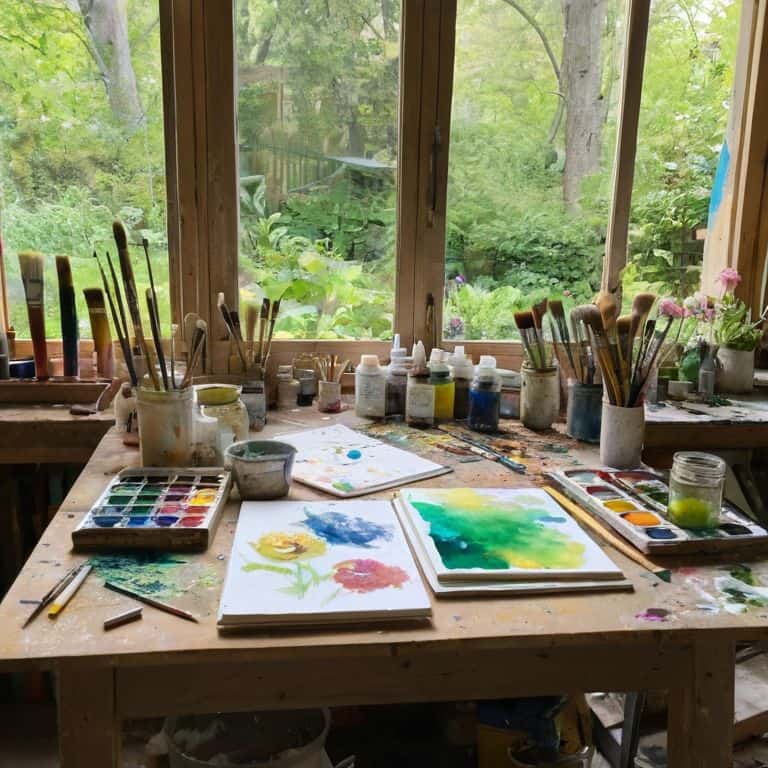
As I wander through the studios of fellow artists, I’m reminded that fostering a growth mindset is essential to the creative process. It’s about embracing the unknown and allowing ourselves to be guided by curiosity. I recall a letter from Vincent van Gogh, where he writes about the importance of embracing uncertainty in the pursuit of artistic expression. His words resonate deeply with me, and I’ve found that by letting go of the need for control, we can tap into a deeper sense of curiosity and creativity.
In my own practice of ikebana, I’ve learned to appreciate the value of the art of questioning assumptions. By challenging our own perceptions and biases, we can uncover new perspectives and insights that might otherwise remain hidden. This mindset is essential for nurturing creative thinking habits, and it’s something that I believe can be applied to all areas of life. Whether we’re artists, writers, or simply curious individuals, embracing this mindset can help us to stay open to new experiences and ideas.
As we navigate the twists and turns of our creative journeys, it’s essential to remember that overcoming fear of the unknown is a natural part of the process. By acknowledging and working through our fears, we can begin to embrace lifelong learning and tap into a sense of curiosity that’s both inspiring and empowering. As the Japanese proverb goes, “Fall down seven times, stand up eight” – it’s a reminder that our creative journeys are not about avoiding setbacks, but about learning to rise above them with courage, curiosity, and an open heart.
Fostering a Growth Mindset Through Art
As I wander through artist studios, I’m reminded that curiosity thrives in the presence of creativity. The act of making art, in all its forms, is an exercise in embracing the unknown. By immersing ourselves in the world of art, we can foster a growth mindset, one that welcomes experimentation and sees failure as a stepping stone to innovation. The happy accidents that occur during the creative process can be a powerful catalyst for curiosity, encouraging us to explore new ideas and perspectives.
In my own practice of ikebana, I’ve come to realize that the delicate balance of form and function is a metaphor for the curious mind. Just as the arrangement of flowers and branches requires a willingness to take risks and try new combinations, so too does the pursuit of knowledge and understanding. By embracing the fluid, adaptive nature of art, we can cultivate a mindset that is open, receptive, and forever curious.
Nurturing Creative Thinking Habits Daily
As I wander through artist studios, I’m reminded that creative thinking is a habit that can be nurtured daily. It’s about embracing the unknown and allowing ourselves to be guided by curiosity. For me, practicing ikebana, the ancient art of Japanese flower arrangement, has become a meditation on the beauty of impermanence and the joy of happy accidents. By incorporating small, creative rituals into our daily lives, we can begin to shift our perspective and see the world as a canvas of endless possibilities.
In the words of Paul Klee, “Art does not reproduce the visible; rather, it makes visible.” By adopting this mindset, we can start to see the extraordinary in the ordinary and cultivate a sense of wonder that inspires creative thinking.
Beyond the Surface: 5 Intimate Invitations to Cultivate Curiosity
- Let the questions lead: allow yourself to be puzzled by the world, to not have all the answers, and to find beauty in the mystery
- Practice the art of observation: slow down, breathe deeply, and truly see the intricate details of the world around you, just as an artist studies the play of light on a subject
- Collect curious companions: surround yourself with people who inspire, provoke, and support your journey of discovery, just as a garden of diverse flowers blooms more vibrantly together
- Embrace the beauty of the unknown: venture into uncharted territories, whether physical, emotional, or intellectual, and find the thrill in the unexplored, just as a traveler discovers hidden gems on a winding path
- Make space for the happy accidents: leave room for serendipity, spontaneity, and the unplanned, for it is in these unexpected moments that our truest innovations and insights often arise, like the surprising beauty of a flower blooming in an unexpected place
Embracing the Journey: 3 Key Takeaways
I’ve come to realize that curiosity is not just a trait, but a practice that can be honed through embracing the unknown, just as the Japanese art of ikebana teaches us to find beauty in imperfection and impermanence
By fostering a growth mindset through art and nurturing creative thinking habits daily, we can transform our relationship with curiosity and allow it to guide us through life’s uncertainties, much like the wisdom of famous artists who have walked this path before us
Ultimately, the journey of cultivating curiosity is not about arriving at a destination, but about embracing the ‘fallow seasons’ of our minds, where the seeds of new ideas can germinate, and the ‘happy accidents’ of the creative process can lead us to unexpected breakthroughs and inspiration
Embracing the Art of Curiosity
To cultivate curiosity, we must first learn to wander, to meander through the gardens of our minds, and to pause at the whispers of wonder, for it is in these quiet moments that the seeds of discovery are sown.
Genevieve Croix
Embracing the Journey of Curiosity
As we’ve explored the ways to cultivate curiosity, it’s essential to remember that this journey is a personal and winding path. We’ve discussed the importance of fostering a growth mindset through art, nurturing creative thinking habits daily, and embracing the unknown. By incorporating these practices into our daily lives, we can begin to shift our perspective and see the world with fresh eyes. Whether it’s visiting artist studios, collecting old letters written by artists, or simply taking time to observe the world around us, every experience has the potential to spark new ideas and inspiration.
As we close this chapter on cultivating curiosity, I want to leave you with a final thought: the greatest discoveries often lie just beyond the edge of our comfort zones. So, let’s be brave, let’s be open, and let’s embrace the beauty of the unknown. For in the end, it’s not about arriving at a destination, but about the journey itself – the people we meet, the lessons we learn, and the moments of wonder that make life a rich and vibrant tapestry.
Frequently Asked Questions
How can I balance the desire for answers with the need to embrace uncertainty in my creative pursuits?
Ah, the delicate dance between seeking answers and embracing uncertainty. I’ve found that it’s in the unknown that our most profound creations take root. As the artist Paul Klee once said, “One does not learn by doing, but by permitting oneself to be doing.” Allow yourself to wander, to question, and to trust that the answers will reveal themselves in time.
What role can failure play in cultivating curiosity, and how can I learn to see it as an opportunity for growth?
Failure, my friend, is not the enemy of curiosity, but a catalyst for it. Think of it as a ‘happy accident’ that redirects your path, revealing new avenues for exploration. As the Japanese proverb goes, ‘Fall down seven times, stand up eight.’ In those moments of failure, lies a chance to re-examine, to question, and to discover anew.
Are there any daily practices or habits that can help me stay curious and open to new experiences and ideas?
I adore this question, as it gets to the heart of my own daily rituals. For me, it’s about weaving curiosity into the fabric of everyday life – whether that’s through practicing ikebana, reading letters from artists, or simply taking a different route to the studio. By embracing the beauty of the unknown, we can stay open to new experiences and ideas.