The Importance of Ambient Sound in Film
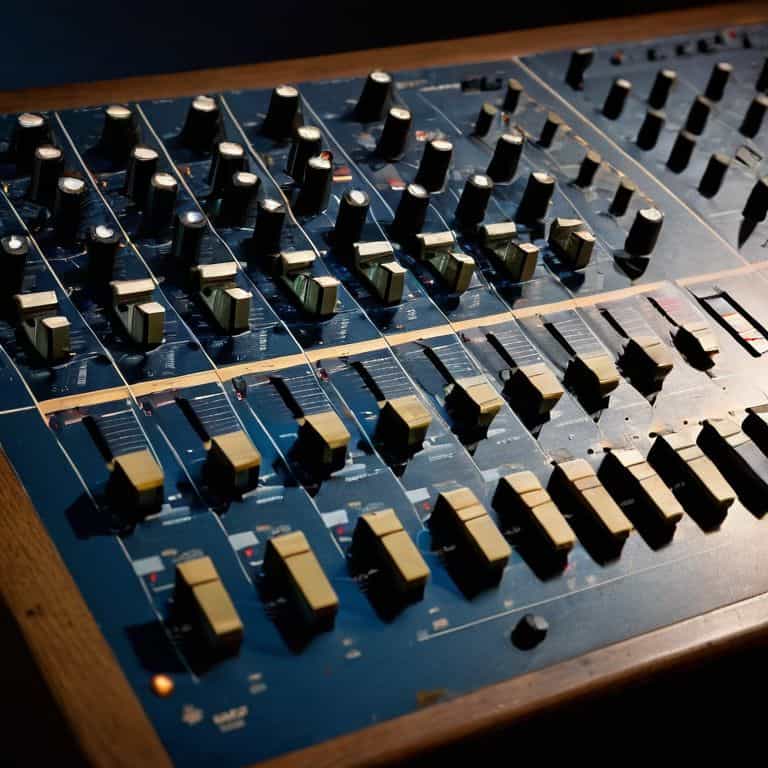
I still remember the first time I realized the importance of ambient sound in film. I was editing a documentary scene, and all I had was the raw footage with minimal sound design. It was flat, lifeless. But then I added the ambient sound – the gentle hum of the city, the soft chatter of the crowd – and it was like the whole story came alive. The footage transformed from a series of bland images to a living, breathing experience. I learned that day that ambient sound is not just a nicety, but a necessity in filmmaking.
As a documentary filmmaker and editor, I’ve seen firsthand how the importance of ambient sound in film can make or break a scene. In this article, I promise to cut through the hype and share my no-nonsense, experience-based advice on how to effectively use ambient sound to elevate your storytelling. I’ll dive into the specifics of how to capture, edit, and mix ambient sound to create a rich, immersive experience for your audience. Whether you’re a seasoned filmmaker or just starting out, I’ll show you how to harness the power of ambient sound to bring your stories to life.
Table of Contents
Ambient Sound Uncovered
As I delve into the world of film sound design techniques, I’m reminded of the power of ambient sound in shaping the emotional landscape of a scene. Creating immersive audio environments is an art form that requires a deep understanding of how sound interacts with the visual elements of a film. I’ve found that soundscaping for cinematic tension can elevate a scene from mundane to mesmerizing, drawing the viewer into the world of the story.
When it comes to crafting ambient sound, the role of foley in ambiance cannot be overstated. The subtle sounds of footsteps, rustling clothing, and creaking doors can add a layer of realism to a scene, making it feel more lived-in and authentic. I’ve had experiences where the addition of foley sounds has transformed a dull, lifeless scene into a vibrant, engaging one. The key is to strike a balance between diegetic vs non-diegetic sound, ensuring that the ambient noise serves the story without overpowering it.
In genres like horror, ambient noise in horror movies can be a powerful tool for building tension and unease. By carefully crafting the sound design, filmmakers can create an atmosphere of dread that permeates every aspect of the scene. I’ve always been fascinated by how a well-designed ambient sound track can elevate a film from scary to terrifying, making the viewer feel like they’re an active participant in the story.
Foley Magic Creating Immersive Environments
As I delve into the world of sound design, I’m reminded of the power of subtlety in creating immersive environments. Foley magic is all about adding those tiny details that make a scene feel real – the creak of a door, the rustle of clothes, or the sound of footsteps on different textures.
In my own films, I’ve found that layering sound is key to transporting the audience to new worlds. By combining ambient sound with carefully crafted foley elements, I can evoke emotions and draw the viewer into the story.
Soundscaping Tension Diegetic vs Non Diegetic
As I delve into the world of sound design, I find myself fascinated by the art of soundscaping tension. It’s a delicate balance between diegetic and non-diegetic sounds that can make or break the emotional impact of a scene. I recall working on a documentary where the subtle hum of a distant engine in the background added a sense of foreboding, drawing the audience into the narrative.
In my experience, the key to effective soundscaping lies in the thoughtful use of diegetic sounds, such as footsteps or rustling clothes, to create an immersive environment. By carefully blending these with non-diegetic elements, like a haunting melody or an ominous ambiance, I can craft a soundscape that heightens the emotional stakes and keeps viewers engaged.
The Importance of Ambient Sound in Film
As I delve into the world of film sound design techniques, I’m reminded of the power of creating immersive audio environments. It’s astonishing how a well-crafted ambient sound can transport viewers to a different time and place. I recall working on a documentary where we used the role of foley in ambiance to recreate the sounds of a bustling street in the 1920s. The result was nothing short of magical.
In horror movies, ambient noise plays a crucial role in building tension. The use of soundscaping for cinematic tension can make or break a scene. I’ve seen films where the diegetic vs non-diegetic sound design was so masterfully done that it left audiences on the edge of their seats. The key is to find the right balance between the two, creating an emotional resonance that lingers long after the credits roll.
For me, the true art of filmmaking lies in the subtle details, like the way a particular color grade can evoke a certain mood. Similarly, ambient sound has the ability to elevate a scene from mundane to mesmerizing. By incorporating film sound design techniques that prioritize ambiance, filmmakers can create a richer, more immersive experience for their viewers. It’s a lesson I’ve learned through my own experiences as a documentary filmmaker, and one that I believe can make all the difference in the world of cinematic storytelling.
Designing Emotion Film Sound Design Techniques
As I delve into the world of sound design, I’m reminded of the power of silence in creating emotional depth. A well-crafted soundscape can transport viewers to a different time and place, evoking feelings they never knew they had. I recall working on a documentary where the absence of sound was just as impactful as its presence, drawing the audience into the narrative.
In film sound design, textural layers are essential in building a rich sonic landscape. By combining different frequencies and timbres, I can create a multisensory experience that resonates with viewers on a deeper level. This technique allows me to guide the audience’s emotional response, heightening tension or soothing their senses as the story unfolds.
Hearing Horror Ambient Noise Techniques
As I delve into the world of horror filmmaking, I’m reminded of the chilling effect that ambient noise can have on the audience. The creaks, groans, and unsettling silences can create an atmosphere of tension, making the viewer’s skin crawl. I recall working on a short horror film where we used ambient noise to hint at the presence of an unseen entity, and it was astonishing how it elevated the scare factor.
In horror films, subtle suggestions of terror can be more effective than overt scares. By incorporating ambient noise, filmmakers can craft an eerie soundscape that preys on the audience’s imagination, making them fill in the blanks with their worst fears. This technique not only saves on special effects but also creates a more psychologically unsettling experience, leaving a lasting impression on the viewer.
Bringing the Scene to Life: 5 Essential Tips for Harnessing the Power of Ambient Sound
- I always start by recording on-location ambient sound to capture the unique acoustic fingerprint of each setting, which helps me to transport my audience into the world of the film
- I’m obsessed with the concept of ‘sound layers’ – adding multiple levels of ambient noise to create a rich, immersive environment that draws the viewer in and refuses to let go
- Diegetic sound is just as important as non-diegetic sound: I make sure to balance the two to create a sense of realism and depth in my scenes, keeping my audience engaged and invested
- Experimenting with unconventional sound sources is a great way to add unique texture to your ambient soundscapes – I’ve used everything from creaking doors to distant thunderstorms to create an otherworldly atmosphere
- I believe that ambient sound is 50% of the film’s emotional impact, so I always take the time to carefully craft and fine-tune my sound design in post-production, ensuring that every element works together in harmony to tell the story
Key Takeaways from the World of Ambient Sound
I’ve learned that even the subtlest ambient sounds can elevate a scene, making the ordinary feel extraordinary, and it’s all about finding that balance between what’s seen and what’s heard
By mastering the art of soundscaping, filmmakers can craft tension, evoke emotions, and guide the audience’s attention, proving that sound design is indeed half of the film
Whether it’s the creaks and groans of an old wooden floor or the soft hum of a cityscape, ambient sound has the power to transport viewers into the world of the story, and as a filmmaker, there’s no greater magic than that
The Sound of Storytelling
Ambient sound is the unseen force that breathes life into a film, transforming a series of images into a visceral experience that resonates long after the credits roll.
Maya Jenson
Conclusion: Bringing Ambient Sound to Life
As I reflect on the importance of ambient sound in film, I’m reminded of the magical moments where sound design and music come together to elevate a scene. From the Foley magic of creating immersive environments to the soundscaping tension of diegetic vs non-diegetic sound, each technique plays a crucial role in shaping the emotional impact of a film. Whether it’s hearing horror through ambient noise techniques or designing emotion with film sound design techniques, the power of ambient sound lies in its ability to transport us to new worlds and evoke feelings that linger long after the credits roll.
So, the next time you’re in the editing room, I encourage you to experiment with ambient sound and discover the invisible art that brings your story to life. Remember, it’s not just about the visuals – it’s about crafting an experience that resonates with your audience on a deeper level. By embracing the importance of ambient sound in film, you’ll be able to create a symphony of sound and image that will leave a lasting impression on all who watch your work.
Frequently Asked Questions
How do filmmakers balance the levels of ambient sound with dialogue and music to create a cohesive audio mix?
For me, balancing ambient sound, dialogue, and music is all about creating a harmonious triangle. I adjust levels to ensure each element serves the story, often using ambient sound to ground the scene and dialogue to drive the narrative, while music elevates the emotion.
What are some common mistakes to avoid when recording or designing ambient sound for a film?
When recording ambient sound, I’ve seen filmmakers forget to capture a wide range of frequencies, or neglect to consider the emotional impact of their sound design choices. Avoid overusing cliché sound effects and instead, opt for subtle, nuanced recordings that serve the story.
Can ambient sound alone evoke a specific emotional response from the audience, or does it need to be combined with visual elements?
For me, ambient sound is a powerful trigger that can evoke emotions on its own, but when combined with visuals, it’s pure magic. I’ve seen it in my own films – a haunting creak of a door or the distant hum of a city can transport the audience to a new world, and with the right visuals, it can create a lasting emotional impact.