A Guide on How to Tell a Story With Your Photos

I still remember the moment it clicked for me – how to tell a story with your photos isn’t about following a formula, but about capturing the essence of a moment. I was on a photo walk, shooting in manual mode, and stumbled upon a scene that seemed ordinary at first, but as I looked closer, I saw the golden hour light dancing across the faces of the people, telling a story of their own. It was then that I realized the power of photography lies not in the equipment or the technique, but in the ability to weave a narrative that resonates with others.
As you read this guide, I promise to share with you the honest, no-hype advice I’ve learned from my years of experience as a portrait and documentary photographer. You’ll learn how to tap into your unique perspective and capture the fleeting moments that make a story worth telling. We’ll dive into the importance of light, composition, and emotion, and I’ll show you how to use these elements to create photos that truly have something to say. By the end of this article, you’ll have a deeper understanding of how to tell a story with your photos, and you’ll be equipped with the practical skills to start capturing your own stories, just like I do on my photo walks.
Table of Contents
Guide Overview: What You'll Need
Total Time: 1 hour 15 minutes
Estimated Cost: $0 – $10
Difficulty Level: Easy
Tools Required
- Camera (any type, including smartphone cameras)
- Computer (with image editing software)
- Photo Editing Software (free or paid versions)
Supplies & Materials
- Photos (your own, or stock images)
- Storyboard Template (optional, for planning)
- Notebook and Pen (for writing captions and notes)
Step-by-Step Instructions
- 1. First, let’s start by understanding that telling a story with your photos is all about capturing the essence of a moment, and that requires being fully present and observant. I always tell my students to take a few moments to soak in their surroundings before snapping away, to get a feel for the rhythm of the scene.
- 2. Next, consider the quality of light you’re working with, as it can make or break the mood of your image. I’m obsessed with golden hour, that magical time just before sunset when the light is soft and warm, and it can add a depth of emotion to your photos that’s hard to replicate at any other time of day.
- 3. Now, think about your composition, and how you can use it to guide the viewer’s eye through the story you’re trying to tell. I always look for leading lines, framing elements, and other visual cues that can help draw the viewer into the scene and create a sense of narrative flow.
- 4. As you begin to snap photos, remember that the best portraits are often unposed, and that the most revealing moments are usually the ones that happen when your subject is relaxed and being themselves. So, try to create a comfortable and natural atmosphere, and be patient – the authentic moments will follow.
- 5. When it comes to actually taking the photo, I always shoot in manual mode, as it gives me the most control over the exposure, aperture, and shutter speed. This might seem intimidating if you’re new to photography, but trust me, it’s worth learning – the creative possibilities are endless when you’re not limited by automatic settings.
- 6. Now, let’s talk about the importance of capturing details, as these can often provide the richest storytelling material. Whether it’s a close-up of a subject’s hands, a shot of the environment, or a detail of a larger scene, these small moments can add depth and context to your narrative, and help bring the story to life.
- 7. As you review your photos, think about how you can use sequencing to create a sense of flow and continuity. This might involve grouping images together to create a visual narrative, or using the placement of images to control the pacing and tension of the story. Remember, the order in which you present your photos can greatly impact the way the story is received, so take the time to experiment and find the right rhythm.
- 8. Finally, don’t be afraid to experiment and take risks with your photography – some of the best stories are the ones that emerge from unexpected places. Whether it’s trying a new technique, shooting from a unique perspective, or simply being open to happy accidents, the most memorable photos often come from a place of creative curiosity.
Capturing Lifes Narrative
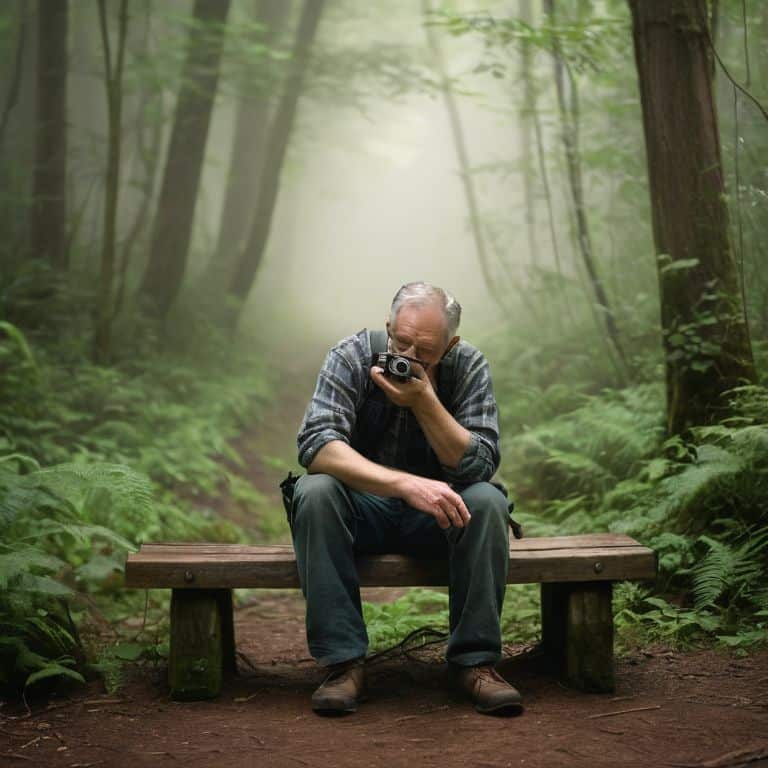
As I reflect on my own journey as a photographer, I’ve come to realize that capturing life’s narrative is not just about pointing a camera and clicking the shutter. It’s about being attentive to the world around us, and using visual narrative techniques to convey the essence of a moment. I’ve found that the best way to do this is by shooting in manual mode, which allows me to have full control over the exposure and composition of my images.
When it comes to creating an emotional connection through images, I believe that photography composition rules should be used as a guideline, rather than a strict rulebook. By experimenting with different angles, lighting setups, and subject placements, we can create images that not only tell a story but also evoke feelings and emotions in the viewer. For example, in storytelling with portraits, a simple change in the subject’s posture or facial expression can completely alter the narrative of the image.
In my experience, capturing moments in street photography requires a combination of technical skill and intuition. By being mindful of our surroundings and anticipating the unexpected, we can capture moments that reveal the beauty and complexity of everyday life. Whether it’s a crowded city street or a serene landscape, the key is to remain open to the possibilities and to always be on the lookout for that perfect shot, one that will transport the viewer to a different time and place.
Framing Emotional Connection Through Portraits
When I’m behind the lens, I’m not just looking for a technically perfect shot – I’m searching for a glimpse of the person’s soul. A great portrait has the power to transport us into someone’s inner world, to make us feel seen and understood. To capture this emotional connection, I always try to create a sense of comfort and trust with my subject. I look for unguarded moments, when the mask slips and their true self shines through. It’s in these fleeting instants that we find the essence of who they are, and the story they have to tell.
I recall a shoot I did with a young artist, where we wandered through the city, camera in hand, waiting for the golden hour to cast its magic. The soft light seemed to melt her inhibitions, and she began to open up, sharing her fears and dreams with me. The resulting portraits were more than just images – they were a window into her heart, a testament to the human spirit.
Weaving Visual Stories With Landscape Photography
As I venture into the realm of landscape photography, I’m reminded that even the most serene environments hold a narrative. It’s not just about capturing a breathtaking vista, but about conveying the emotions and sensations that come with being present in that moment. I recall a shoot during golden hour, where the soft light danced across the rolling hills, evoking a sense of peace and tranquility. By incorporating elements like leading lines, textures, and atmospheric conditions, I aim to transport the viewer into the scene, allowing them to become an active participant in the story.
Through my lens, I’ve learned to slow down and truly observe the world around me. Landscape photography becomes a meditation, a chance to tap into the rhythms of nature and uncover the hidden narratives that unfold with each passing moment. By embracing the ever-changing light and conditions, I invite the viewer to join me on this journey, to experience the beauty and wonder that awaits just beyond the frame.
Uncovering the Narrative: 5 Tips to Tell a Story with Your Photos
- Pay attention to the quality of light, as it can make or break the mood of your image – I always look for that golden hour to add a touch of warmth to my shots
- Experiment with composition to guide the viewer’s eye through your photo, creating a visual journey that unfolds like a story
- Capture authentic, unposed moments – the best portraits are often the ones where your subject is unaware of the camera, revealing their true essence
- Use your surroundings to add context to your story, whether it’s a bustling city street or a serene landscape, the environment can be a powerful narrative tool
- Edit your photos with intention, considering the emotional impact of each adjustment – I develop my own film in a darkroom to ensure every print tells the story I envision
Essential Lessons for Storytelling Through Photography
Telling a story with your photos involves more than just technical skill – it requires a deep understanding of light, composition, and the emotional connection you want to convey
By focusing on capturing genuine, unposed moments and using the unique qualities of natural light, you can create portraits and landscapes that feel authentic and engaging
Developing your own visual voice and style is key to creating photographs that truly tell a story, and this involves experimenting with different techniques, taking risks, and being open to learning from your mistakes
The Art of Visual Storytelling
A photograph is not just a capture of a moment, but a whisper of a story that invites the viewer to fill in the silences, to breathe life into the stillness, and to find themselves within the frame.
Julian Kade
Conclusion: Framing Life's Stories
As we’ve explored the art of telling a story with our photos, it’s clear that capturing life’s narrative is a journey, not a destination. We’ve discussed the importance of framing emotional connection through portraits, and weaving visual stories with landscape photography. By mastering the light, composition, and emotion in our images, we can create a narrative that resonates with others. Whether you’re a seasoned photographer or just starting out, the key is to stay true to your unique perspective and keep experimenting with different techniques to find what works best for you.
As you continue on your photographic journey, remember that the beauty of storytelling lies in its ability to evoke emotions and spark connections. Don’t be afraid to take risks and try new things – it’s often the unposed moments that lead to the most compelling stories. So, keep your camera close, your eyes open, and your heart receptive to the world around you. With time and practice, you’ll develop a keen eye for capturing the essence of a moment, and your photos will become a testament to the power of storytelling.
Frequently Asked Questions
How can I effectively use lighting to set the mood and atmosphere in my photographs and enhance the story I'm trying to tell?
Lighting is everything to me – it’s what sets the tone and draws the viewer in. I’m obsessed with golden hour, that fleeting moment when the light is soft and warm. It’s perfect for portraits, as it creates a sense of intimacy and vulnerability. But it’s not just about the time of day, it’s about understanding how light interacts with your subject, and using that to convey the mood and atmosphere you want to evoke.
What role does composition play in conveying the narrative of a photo, and how can I balance elements like subject placement and negative space?
Composition is the backbone of narrative photography, guiding the viewer’s eye through the image. I balance subject placement and negative space by considering the rule of thirds, leading lines, and framing elements, allowing the subject to breathe while still conveying the story. It’s a delicate dance between elements, where every decision amplifies the emotional impact of the photo.
How can I capture authentic, unposed moments in my portraits, and what techniques can I use to encourage my subjects to relax and be themselves in front of the camera?
To capture authentic moments, I focus on building rapport with my subjects, often chatting with them before shooting. I also shoot in manual mode, anticipating the decisive moment. During the session, I encourage natural behavior by giving gentle prompts, like asking them to share a personal story or simply be with each other, allowing genuine emotions to emerge.