A Guide on What to Do When You Fail at a Creative Project
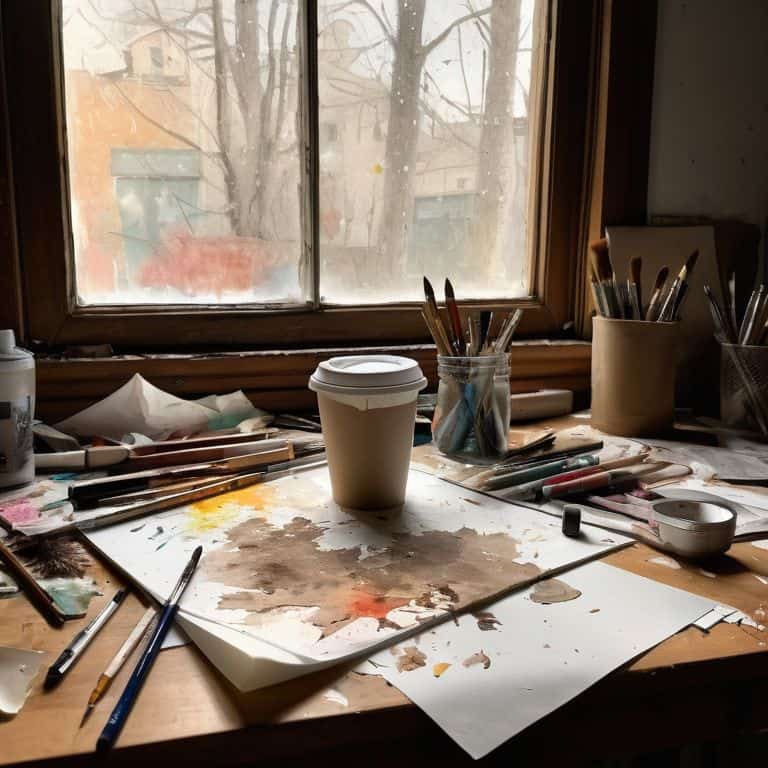
As I sit amidst the remnants of my latest art project, surrounded by scraps of paper, broken pencils, and discarded ideas, I’m reminded of the age-old question: what to do when you fail at a creative project. It’s a feeling I’ve grown all too familiar with, and one that I’ve come to realize is not only inevitable, but necessary. The myth that creativity is a seamless, effortless process is one that I’ve always found particularly frustrating. Where’s the honesty in that? The truth is, creative endeavors are often messy, unpredictable, and downright painful at times.
In the following pages, I promise to offer you a no-nonsense, behind-the-scenes look at the creative process, warts and all. I’ll share my own personal struggles with failure, as well as those of other artists and writers who have bravely navigated the treacherous waters of self-doubt and uncertainty. My goal is to provide you with practical, experience-based advice that will help you to reframe your own creative setbacks as opportunities for growth, rather than obstacles to be overcome. By embracing the beautiful mess of creativity, I believe we can tap into a deeper sense of purpose and inspiration, and ultimately produce work that is more authentic, more meaningful, and more truly our own.
Table of Contents
Failing Forward in Art
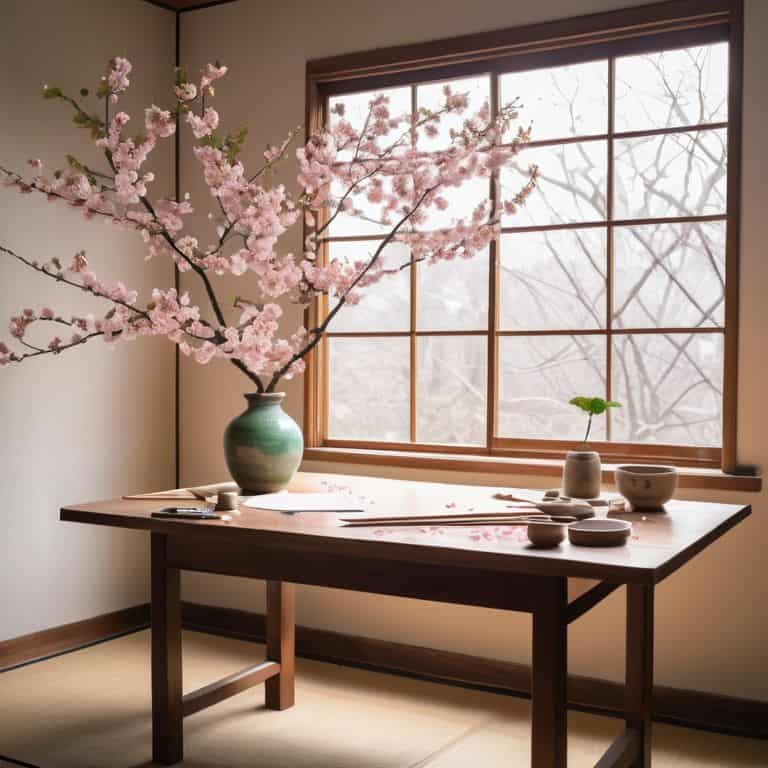
As I sit amidst the scattered petals of my latest ikebana arrangement, I am reminded that even in the most deliberate of creative pursuits, happy accidents can lead to unexpected beauty. This is a lesson I’ve learned from my years of visiting artist studios, where I’ve witnessed firsthand the _messy, iterative process_ of bringing a vision to life. It’s a journey marked by twists and turns, where every misstep can be an opportunity for growth.
In the world of art, overcoming self doubt is a crucial part of the creative process. I recall the words of a renowned painter, who once told me that her most iconic piece was born from a “mistake” that she chose to embrace, rather than erase. This willingness to embrace imperfection is a hallmark of innovative thinkers, who understand that true mastery lies not in the absence of flaws, but in the ability to transform them into something new and unexpected.
As I reflect on my own experiences as a curator, I am reminded that learning from creative mistakes is essential to building resilience in the face of criticism or failure. By sharing the stories of artists who have _rebounded from innovation failures_, I hope to inspire others to view their own setbacks as stepping stones to success, rather than obstacles to be overcome. In the end, it is this resilience that allows us to push beyond the boundaries of what is possible, and create something truly remarkable.
Learning From Mistakes in Design
As I reflect on my own experiences visiting artist studios, I’ve come to realize that embracing imperfection is a crucial step in the creative process. It’s in those moments of uncertainty that we can discover new avenues for growth and innovation. By acknowledging and learning from our mistakes, we can refine our craft and develop a unique voice.
In the world of design, happy accidents can often lead to breakthroughs. I recall a story about a famous artist who accidentally spilled paint on a canvas, only to discover a new technique that became a hallmark of their style. This anecdote reminds us that even in failure, there lies an opportunity for growth and discovery, if we only take the time to examine and learn from our mistakes.
Overcoming Self Doubt in Creative Process
As I sit amidst the gentle chaos of my own studio, surrounded by half-finished projects and scattered notes, I’m reminded that self doubt is an unwelcome yet familiar companion on the creative journey. It’s the whisper that questions every brushstroke, every word, and every note. But I’ve come to realize that this doubt is not a sign of weakness, but rather a sign that we’re pushing beyond the boundaries of our comfort zones.
In the stillness of these moments, I find solace in the words of wisdom from fellow artists who have traversed similar paths. The fallow season of our minds can be a time of great growth, if we allow ourselves to surrender to the uncertainty. By embracing this uncertainty, we open ourselves to the possibility of happy accidents and unexpected breakthroughs, reminding us that even in the darkest moments, our creativity is still simmering, waiting to be reignited.
What to Do When You Fail
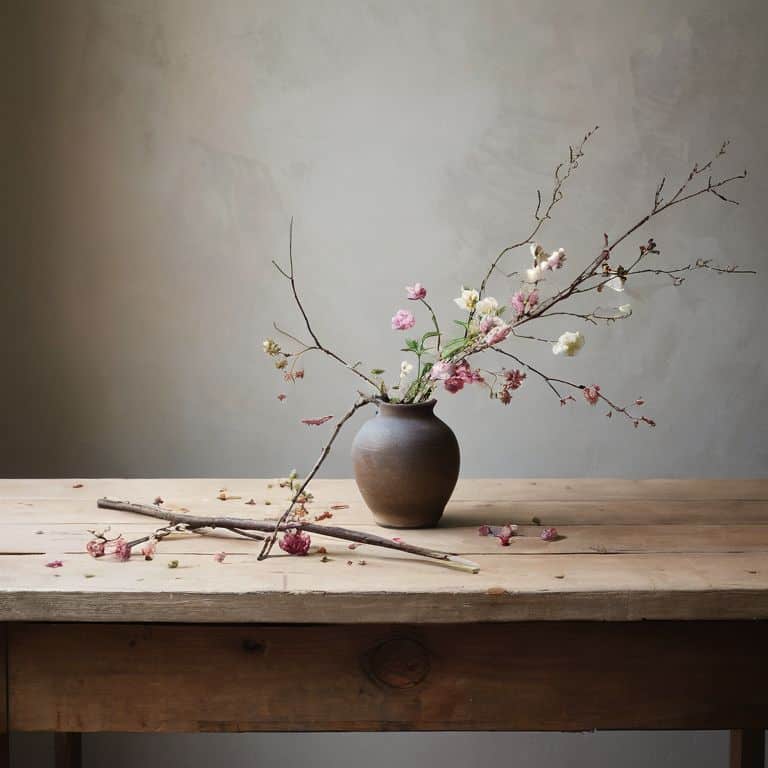
As I sit amidst the quiet beauty of my ikebana arrangements, I am reminded that embracing imperfection in craft is a delicate yet powerful process. It’s a mindset that allows us to see the beauty in the unfinished, the incomplete, and the imperfect. When a creative project falls apart, it’s easy to get caught up in self-doubt and criticism. However, I’ve found that learning from creative mistakes is a crucial step in the journey towards growth and innovation.
In my experience as an art curator, I’ve seen many artists struggle with overcoming self doubt in art. It’s a natural part of the creative process, but one that can be debilitating if not addressed. By acknowledging and accepting our doubts, we can begin to build resilience and develop a thicker skin. This, in turn, allows us to rebound from innovation failures with greater ease and confidence.
As we navigate the ups and downs of the creative journey, it’s essential to remember that dealing with criticism in writing or any other artistic pursuit is an inevitable part of the process. Rather than shying away from criticism, we can use it as an opportunity to learn and grow. By doing so, we can transform our failures into stepping stones for success, and emerge stronger, wiser, and more inspired to continue creating.
Building Resilience After Innovation Failure
As I reflect on my own journey as an art curator, I’ve come to realize that embracing uncertainty is a crucial step in building resilience after innovation failure. It’s about acknowledging that setbacks are an inevitable part of the creative process, and that they can often lead to unexpected breakthroughs.
By practicing self-compassion, we can begin to reframe our relationship with failure, seeing it not as a reflection of our worth, but as an opportunity for growth and learning. This mindset shift allows us to approach our work with a sense of curiosity and wonder, rather than fear and anxiety.
Embracing Imperfection in Craft and Writing
As I sit amidst the gentle chaos of my own creative space, surrounded by half-finished projects and scribbled notes, I’m reminded that embracing imperfection is a crucial part of the process. It’s easy to get caught up in the pursuit of perfection, but I’ve found that it’s often the imperfect, the unfinished, and the unplanned that lead to the most interesting and innovative work.
In the words of the great poet Rumi, the wound is the place where the light enters, and it’s in those moments of imperfection and vulnerability that we often stumble upon our most profound creations. By letting go of our need for control and perfection, we open ourselves up to the beauty of the unknown, and it’s there that the true magic of craft and writing resides.
Finding Your Way Again: 5 Gentle Nudges to Rediscover Your Creative Spark
- When the doubt creeps in, take a step back and remember why you started creating in the first place – for the joy of it, for the thrill of bringing something new into the world, and for the sense of fulfillment that comes with expressing yourself honestly
- Allow yourself to feel the weight of your disappointment, but don’t let it define you – instead, use it as a catalyst to explore new ideas, to experiment with different mediums, and to push the boundaries of what you thought was possible
- Take a cue from the Japanese art of kintsugi, which celebrates the beauty of imperfection by highlighting the brokenness of an object, rather than disguising it – your creative ‘mistakes’ can become the very things that make your work unique and captivating
- Schedule regular ‘artist dates’ with yourself, where you set aside time to explore new sources of inspiration, whether that’s visiting a museum, taking a walk in nature, or simply people-watching in a bustling cafe
- Practice the gentle art of self-compassion, and remind yourself that every great creator has experienced setbacks and rejections along the way – as the wise words of Georgia O’Keeffe so beautifully put it, ‘Whether you succeed or not is irrelevant, there is no such thing as failure, there is only the next thing’
Key Takeaways for Embracing Creative Failure
I’ve learned that creative block is not a barrier, but a ‘fallow season’ for the mind – a necessary pause where new ideas can germinate, much like the Japanese concept of ‘ma’ which values the space between things
By sharing the unvarnished stories of how great work is really made, we can demystify the creative process and find comfort in the fact that even the most renowned artists have faced doubts, fears, and uncertainties along the way
Embracing the ‘happy accidents’ of the creative process and finding inspiration in the imperfect, the incomplete, and the unplanned can be a powerful catalyst for growth, as the artist Bob Ross once said, ‘We don’t make mistakes, just happy little accidents’
When Artistic Vision Meets Reality
In the depths of creative failure, I’ve found that it’s not about erasing the flaws, but about embracing the fissures where the light seeps in, for it’s in these broken places that true innovation and beauty often emerge.
Genevieve Croix
Embracing the Beauty of Creative Failure
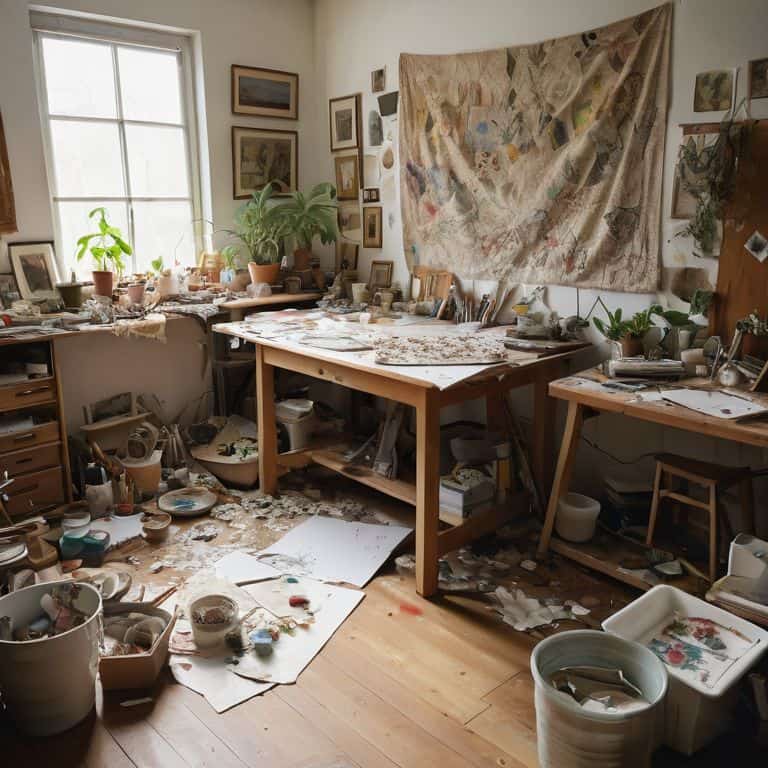
As we’ve explored in this journey, failing at a creative project is not the end, but rather a stepping stone to growth and innovation. We’ve discussed the importance of failing forward, overcoming self-doubt, and learning from mistakes in design. We’ve also touched on the value of building resilience after innovation failure and embracing imperfection in craft and writing. These principles are not meant to be a formula for success, but rather a reminder that the creative process is inherently messy and beautiful.
So, the next time you find yourself face to face with creative failure, remember that it’s an opportunity to rediscover your vision and tap into the hidden potential that lies within. Don’t be afraid to take risks, make mistakes, and stumble upon new ideas – for it’s in these moments of uncertainty that we often find the most inspiration and growth. Keep creating, dear friends, and know that you are not alone in this journey.
Frequently Asked Questions
How can I distinguish between a temporary creative block and a more profound failure that requires a complete restart?
For me, the distinction lies in listening to your inner voice – is it whispering ‘rest and recharge’ or ‘let go and start anew’? Temporary blocks often feel like a pause, while profound failures can feel like a collapse, requiring a fresh foundation.
What role can self-care and mindfulness play in helping me bounce back from a creative project that hasn't worked out?
As I sit amidst my ikebana arrangements, I’m reminded that self-care and mindfulness are the gentle rains that nurture our creative gardens. By prioritizing our well-being, we allow ourselves to breathe, reflect, and rebirth new ideas, just as the seasons renew themselves. In these quiet moments, we can rediscover our spark, and let the beauty of imperfection guide us forward.
Are there any famous artists or creatives who have publicly spoken about their own experiences with failure and how they learned from it?
Yes, many artists have shared their struggles with failure. Picasso, for instance, once said, “Every child is an artist, the problem is how to remain an artist once we grow up.” His words echo the fears and doubts we all face. Similarly, author Neil Gaiman has spoken about the importance of embracing failure as a stepping stone to success, reminding us that even the most acclaimed creatives have faced setbacks along the way.