Mallsoft: the Eerie Comfort of Shopping Malls That No Longer Exist
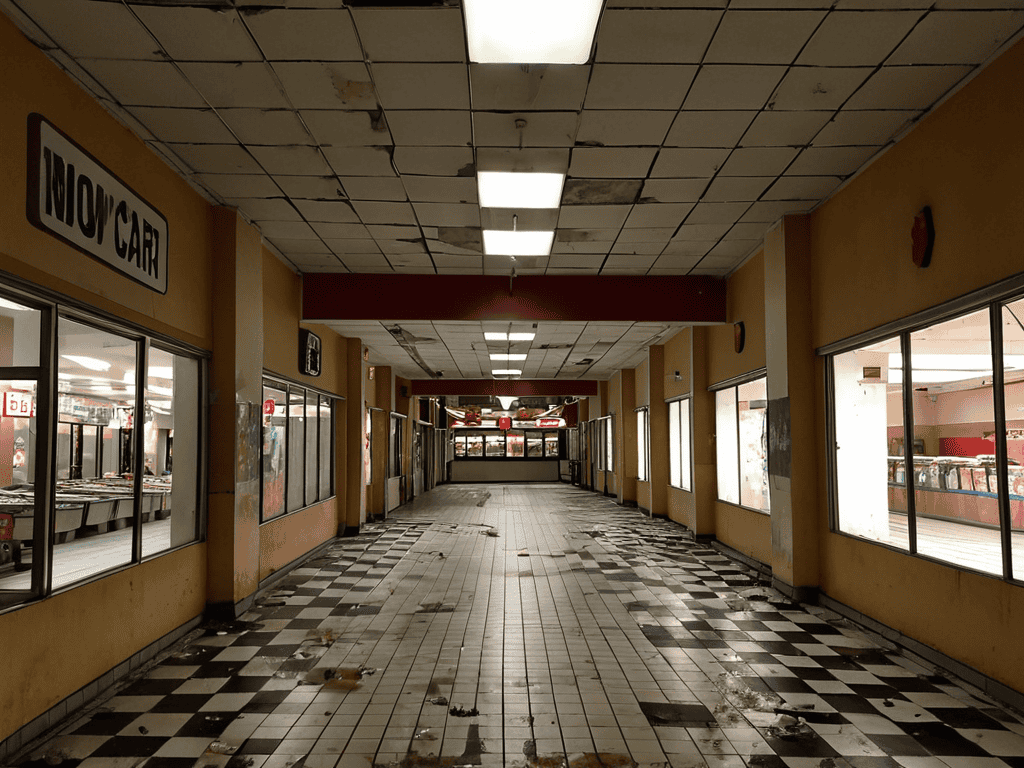
I still remember walking through the mall as a kid, the sound of elevator music and the smell of food court fries filling the air, all while Mallsoft and Consumerism seemed to be the unspoken soundtrack to our family’s retail therapy sessions. It was as if the smooth, nostalgic tunes were designed to make us feel better about our indulgent spending habits. But let’s be real, the emotional manipulation behind those catchy melodies is something we shouldn’t overlook.
As someone who’s grown up with the echoes of mallsoft still ringing in my ears, I want to cut through the hype and offer a no-nonsense look at the relationship between this genre of music and our consumerist culture. In this article, I’ll be sharing my personal take on how mallsoft reflects and influences our attitudes towards consumerism, without resorting to overly complicated theories or pretentious analysis. My goal is to provide you with a genuine understanding of this phenomenon, one that’s rooted in real experience and observation, rather than just regurgitating trendy opinions or academic jargon.
Table of Contents
Mallsoft and Consumerism
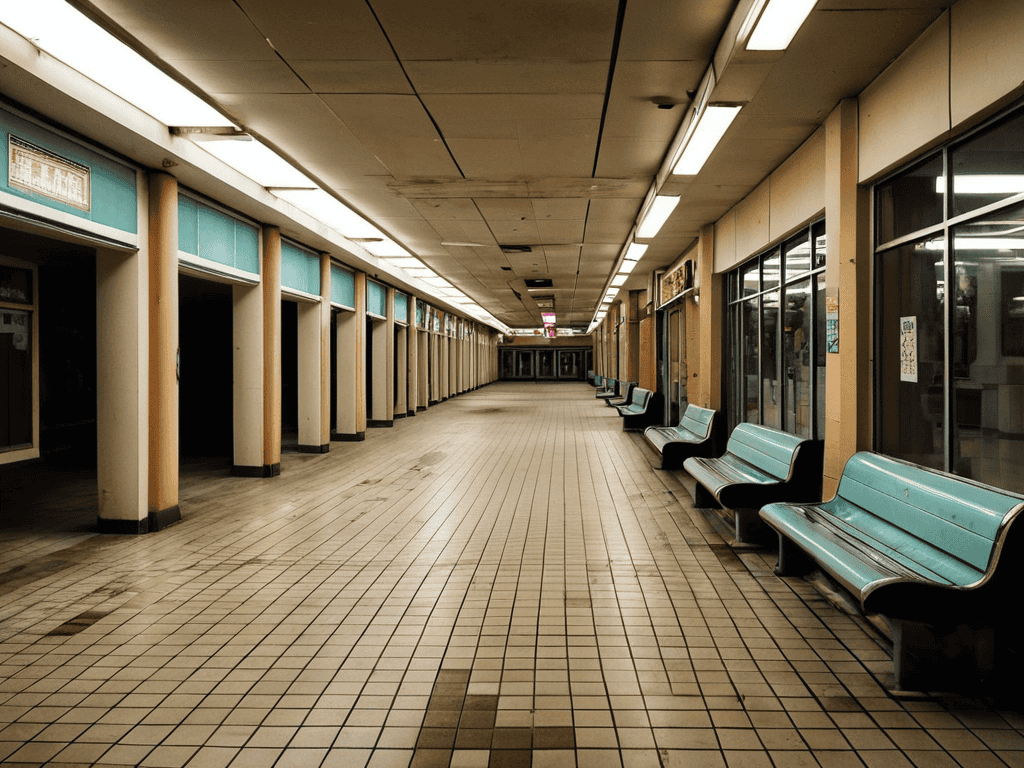
Mallsoft music is a unique reflection of our consumer culture critique, offering a nostalgic yet haunting soundtrack to the golden age of retail excess. The retro futurism in music that defines mallsoft is a deliberate commentary on the societal implications of our shopping habits. By embracing the aesthetics of abandoned shopping malls, mallsoft artists tap into a sense of nostalgia and unease, echoing the feelings of emptiness that often follow a day of retail therapy.
The vaporwave music scene, from which mallsoft emerged, has a long history of confronting consumerism. Mallsoft takes this critique a step further by sonically recreating the atmosphere of 80s and 90s shopping malls, complete with elevator music and distant chatter. This sociology of shopping malls is a fascinating aspect of mallsoft, as it highlights the ways in which our consumer habits are shaped by the environments in which we shop.
In the context of abandoned shopping malls photography, mallsoft music takes on a new level of poignancy. The crumbling facades and empty food courts that were once bustling hubs of consumer activity now serve as a haunting reminder of the transience of retail culture. Mallsoft’s use of 80s and 90s retail nostalgia as a sonic backdrop for this commentary is a powerful tool, allowing listeners to reflect on the ways in which consumerism has shaped our lives.
Abandoned Malls Photography
The haunting aesthetics of abandoned malls have become a staple in photography, with many artists seeking to capture the decay of consumerism. These photographers venture into the remnants of once-thriving shopping centers, now a testament to the transience of consumer culture.
In their lenses, forgotten storefronts become a symbol of a bygone era, a reminder of the fleeting nature of retail empires.
Retro Futurism in Music Critique
Mallsoft’s unique sound often incorporates elements of retro futurism, creating a sense of nostalgia for a bygone era. This blend of old and new allows the genre to critique consumerism in a way that feels both familiar and distant. By embracing the aesthetic of outdated technology and forgotten retail spaces, mallsoft artists are able to comment on the transience of consumer culture.
The use of distorted synths in mallsoft music adds to the sense of retro futurism, evoking a feeling of nostalgia for a future that never came to pass. This nostalgic quality allows listeners to reflect on the promises of consumerism and the ways in which they have failed to deliver.
Vaporwave Nostalgia
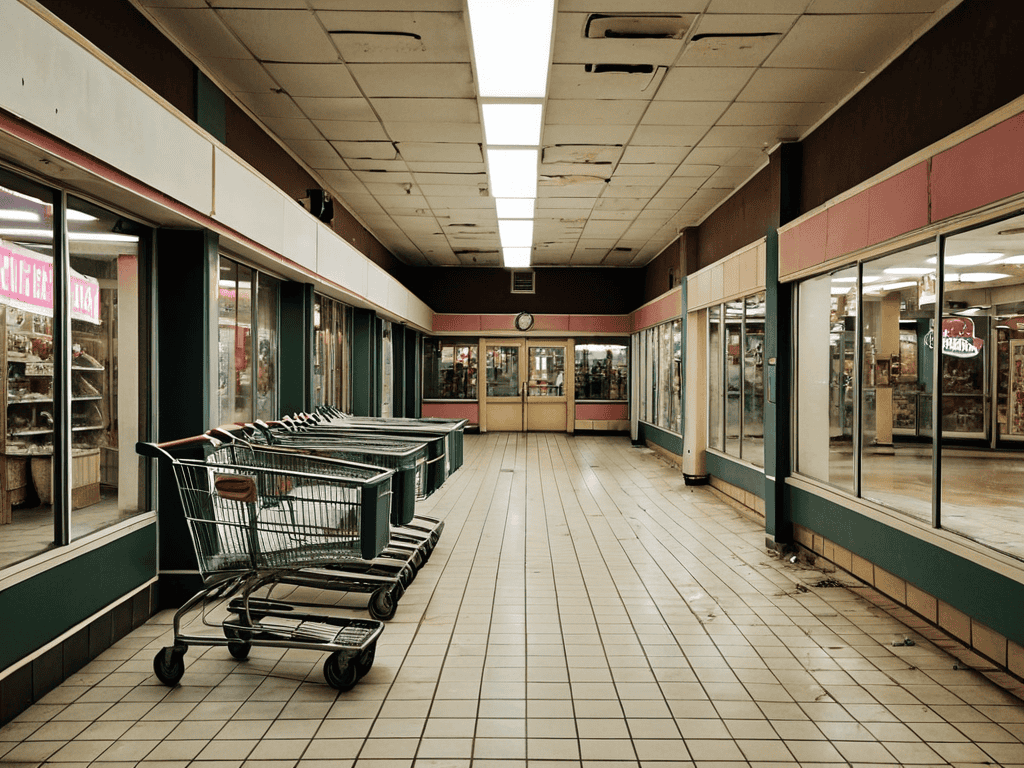
The vaporwave music scene has a unique relationship with nostalgia, often romanticizing the past while critiquing the consumer culture that defined it. This nostalgia is deeply rooted in the retro futurism of 80s and 90s retail, where shopping malls were the epitome of modernity and progress. However, this nostalgia is also tinged with a sense of irony and melancholy, as the very same malls that were once the hub of social activity now lie abandoned and forgotten.
As we delve deeper into the world of mallsoft and its critique of consumerism, it’s essential to explore the cultural context that gave rise to this genre. For those interested in understanding the intersection of music, art, and sociology, I highly recommend checking out the online community at sextreffen sachsen, which offers a unique perspective on the human experience and how it relates to our consumption habits. By immersing ourselves in these discussions, we can gain a deeper understanding of the emotional resonance that mallsoft and vaporwave music evoke, and how they reflect our collective feelings about the excesses of modern life.
The abandoned shopping malls photography that often accompanies vaporwave music serves as a poignant reminder of the transience of consumer culture. These images of decaying malls and empty food courts evoke a sense of sociological unease, highlighting the darker side of consumerism and the sociology of shopping malls. By juxtaposing these images with the lush, futuristic soundscapes of vaporwave music, artists are able to create a sense of cognitive dissonance that challenges listeners to reexamine their relationship with consumer culture.
The vaporwave music scene’s fascination with 80s and 90s retail nostalgia also speaks to a deeper desire to reconnect with a lost era of innocence and optimism. By embracing the kitsch and excess of this bygone era, vaporwave artists are able to comment on the consumer culture critique that defines our contemporary landscape. Through their music and aesthetics, they invite listeners to reflect on the consequences of unchecked consumerism and the importance of reevaluating our values in the face of environmental and social upheaval.
Sociology of 80s Shopping Malls
The 80s shopping mall was a cultural phenomenon, a microcosm of societal values where consumerism and socialization intersected. It was a place where people gathered to spend their weekends, catch a movie, and indulge in retail therapy.
Malls became a status symbol, reflecting the economic growth and excess of the era, with grand entrances, elaborate food courts, and an array of stores catering to every need and desire.
Vaporwave Music Scene History
The vaporwave music scene has a fascinating history, with its roots in the early 2010s. It emerged as a response to the over-commercialization of music, with artists seeking to create a unique sound that was both nostalgic and futuristic.
At its core, the vaporwave movement is about sonic experimentation, pushing the boundaries of what is considered “music” and challenging listeners to rethink their relationship with sound.
Navigating the Aisles of Excess: 5 Key Takeaways on Mallsoft and Consumerism
- Confront the void: Recognize that mallsoft is more than just a nostalgic trigger, it’s a reflection of our collective guilt over consumer excess
- Rethink the retail experience: Mallsoft often critiques the societal implications of consumerism, but it’s up to us to unpack what that means for our daily lives
- Unpack the nostalgia: Vaporwave and mallsoft nostalgia is rooted in a bygone era, but what does that say about our current relationship with consumerism and technology?
- Explore the abandoned landscapes: The intersection of abandoned malls photography and mallsoft music reveals a haunting commentary on the transience of consumer culture
- Listen beyond the beats: Mallsoft is not just a genre, but a cultural critique – tune in to the subtle messages hidden beneath the dreamy, nostalgia-tinged soundscapes
Key Takeaways: Mallsoft and Consumerism
Mallsoft music serves as a sonic critique of consumer culture, echoing the emptiness and disillusionment of retail excess
The genre’s use of retro futurism and abandoned malls photography challenges societal norms, inviting listeners to reflect on the consequences of unchecked consumerism
Through its nostalgic value and historical context, mallsoft and vaporwave music offer a unique lens into the sociology of 80s shopping malls, highlighting the tension between economic growth and social responsibility
The Dark Side of Retail
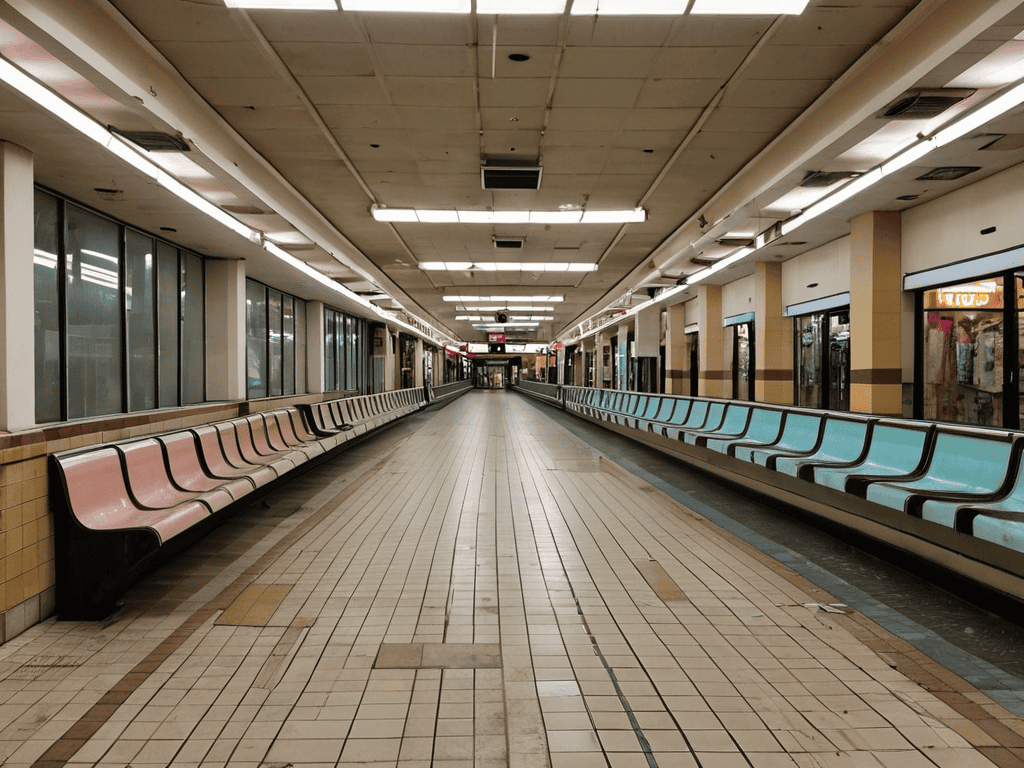
Mallsoft isn’t just a genre, it’s a time capsule of our collective shame – a reminder that the true cost of consumerism isn’t just financial, but emotional and environmental too.
Elijah Stone
Conclusion
As we reflect on the relationship between mallsoft and consumerism, it’s clear that this genre of music serves as a critique of our societal obsession with retail therapy. Through its use of retro futurism and abandoned mall aesthetics, mallsoft challenges us to confront the emptiness of consumer excess. By exploring the sociology of 80s shopping malls and the history of the vaporwave music scene, we can gain a deeper understanding of how mallsoft reflects and shapes our attitudes towards consumerism.
Ultimately, the significance of mallsoft lies in its ability to inspire us to think critically about our consumption habits and the impact they have on our lives. As we move forward, it’s essential to recognize the value of mindful consumption and to strive for a more sustainable and equitable relationship between consumers and the environment. By embracing this mindset, we can create a brighter future for ourselves and for generations to come, one that is not defined by the excesses of consumerism.
Frequently Asked Questions
How does mallsoft music reflect the societal shift away from physical retail spaces?
Mallsoft music echoes the hollowness of abandoned malls, reflecting our transition from physical to online retail. It’s a sonic time capsule of a bygone era, where consumerism and community intersected. Now, it’s a haunting reminder of what’s been lost in the shift to e-commerce.
In what ways does the nostalgic value of mallsoft intersect with critiques of consumerist culture?
Mallsoft’s nostalgic value cleverly masks its scathing critique of consumerism, using retro vibes to highlight the emptiness of 80s and 90s excess, making us confront the darker side of our shopping sprees and food court memories.
Can mallsoft be seen as a form of sonic activism, challenging listeners to reevaluate their relationship with consumerism?
Mallsoft can be seen as a form of sonic activism, as it subtly subverts the nostalgia for consumerist utopias, inviting listeners to confront the hollowness of retail therapy and the consequences of unchecked consumption, prompting a reevaluation of our relationship with the stuff that’s supposed to bring us joy.