A Filmmaker’s Guide to Film Festival Submissions for Short Films

I still remember the thrill of submitting my first short film to festivals – the mix of excitement and terror as I waited to see if my work would resonate with audiences. As a documentary filmmaker, I’ve learned that a guide to film festival submissions for short films is not just about checking boxes on a form, but about strategically sharing your story with the right people. I’ve been on both sides of the festival circuit, from submitting my own films to judging entries, and I’ve seen how a well-crafted submission can make all the difference.
In this article, I’ll share my personal approach to demystifying the festival submission process, with practical tips on how to research the right festivals, craft a compelling entry, and follow up with organizers. You’ll learn how to stand out in a crowded field and increase your chances of getting accepted into top festivals. Whether you’re a seasoned filmmaker or just starting out, my goal is to empower you with the knowledge and confidence to share your unique voice with the world, and to make the most of the festival experience.
Table of Contents
- Guide Overview: What You'll Need
- Step-by-Step Instructions
- A Guide to Film Festival Submissions
- Bringing Your Vision to the Big Screen: 5 Essential Tips for Film Festival Submissions
- Key Takeaways for a Successful Film Festival Submission
- Finding Your Audience
- Bringing Your Vision to Life
- Frequently Asked Questions
Guide Overview: What You'll Need

Total Time: several hours to several days
Estimated Cost: $25 – $100
Difficulty Level: Intermediate
Tools Required
- Computer (with internet connection)
- Video Editing Software (e.g., Adobe Premiere Pro, Final Cut Pro)
- Film Festival Research Tools (e.g., FilmFreeway, Withoutabox)
Supplies & Materials
- Short Film Master File (in required format, e.g., HD video, 24 frames per second)
- Film Synopsis (1-2 pages, describing the film)
- Director Biography (1 page, describing the director’s background)
- Film Stills (high-quality images, 300 dots per inch resolution)
Step-by-Step Instructions
- 1. First, research and identify the film festivals that align with your short film’s genre, tone, and style, as this will increase your chances of getting accepted and reaching the right audience. I always start by making a list of potential festivals, including their deadlines, submission fees, and any specific requirements they may have.
- 2. Next, prepare your film for submission by ensuring it meets the technical requirements of each festival, such as resolution, frame rate, and file format. This may involve exporting your film in different formats or creating a high-quality trailer to showcase your work.
- 3. Now, gather all the necessary materials, including a synopsis, director’s statement, and any other supporting documents required by the festivals. I like to keep all these documents in a single folder, so they’re easy to access and submit when needed. A clear and concise synopsis is especially important, as it will help festival programmers quickly understand the essence of your film.
- 4. Once you have all your materials ready, it’s time to submit your film to the festivals. Most festivals use online submission platforms, such as FilmFreeway or Withoutabox, which make it easy to upload your film and supporting documents. Be sure to double-check the submission fees and deadlines for each festival, as these can vary.
- 5. After submitting your film, keep track of the deadlines and wait for the festival notifications. This can be a nerve-wracking time, but it’s also an opportunity to continue working on new projects and improving your craft. I like to use a spreadsheet to keep track of my submissions, including the festival names, deadlines, and any communication I have with the festival organizers.
- 6. If your film is accepted into a festival, prepare for the screening by ensuring you have a high-quality screening copy of your film and any necessary promotional materials, such as posters or social media graphics. This is also a great opportunity to engage with the festival audience and promote your film through social media and other channels.
- 7. Finally, follow up with the festivals after the screening to thank them for showcasing your film and to gather any feedback or reviews from the audience. This will help you refine your craft and improve your chances of success with future film submissions. I also like to use this opportunity to network with other filmmakers and industry professionals, which can lead to new collaborations and opportunities.
A Guide to Film Festival Submissions
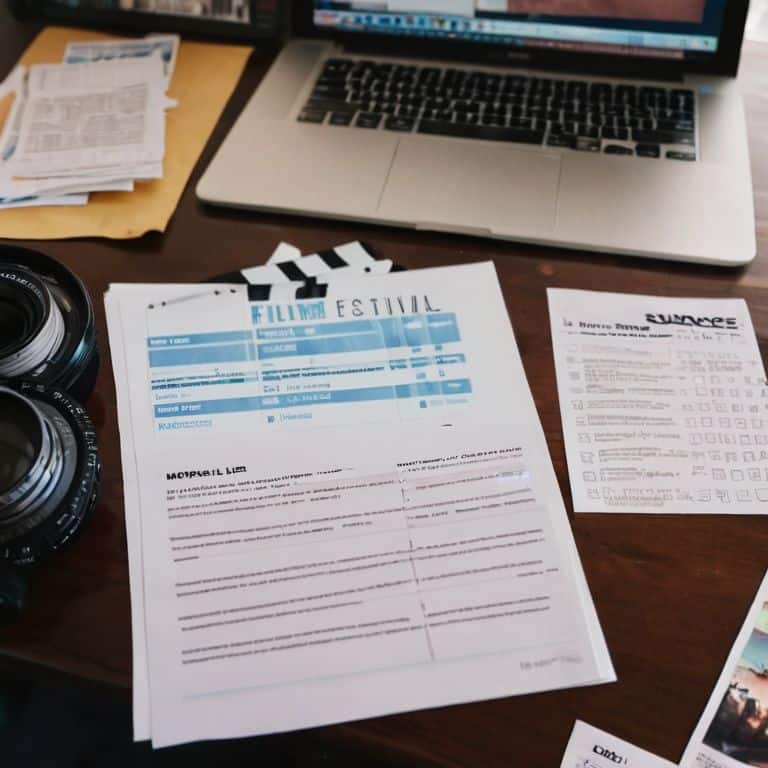
As I delve into the world of film festival submissions, I’m reminded that short film distribution strategies are crucial to a film’s success. It’s not just about submitting to any festival, but about finding the right fit for your story. I’ve seen many independent filmmakers thrive on the independent film festival circuit, and it’s exciting to think about the possibilities. When submitting to prestigious festivals like Sundance, it’s essential to pay attention to film festival submission deadlines to avoid missing out on opportunities.
To increase your chances of selection, it’s vital to research each festival’s unique tone and style. Some festivals focus on experimental works, while others prioritize more traditional narratives. By understanding the festival’s vibe, you can tailor your submission to showcase your film in the best possible light. Increasing chances of film festival selection requires a combination of strategic submission planning and a deep understanding of your target audience.
When navigating the submission process, be prepared for film festival submission fees, which can vary greatly depending on the festival. While it may seem daunting, these fees are often a necessary step in getting your film seen by the right people. By being mindful of your budget and submission strategy, you can make the most of your film’s festival run and potentially open doors to new opportunities in the world of independent cinema.
Mastering Short Film Distribution Strategies
As I delve into the world of short film distribution, I’m reminded of the meticulous process of color grading – where every tweak can alter the emotional impact of a scene. Similarly, mastering distribution strategies requires a thoughtful approach. It’s not just about submitting your film to festivals, but also about understanding your target audience and tailoring your strategy to reach them. I recall working on a documentary where we used sound design to create an immersive experience, and it’s the same principle here – creating an immersive experience for your audience.
By considering factors like online platforms, social media, and niche festivals, you can increase your film’s visibility and connect with viewers who will truly appreciate your story. For instance, I’ve seen films thrive on platforms like Vimeo, where creators can share their work and engage with a community that appreciates cinematic storytelling. By exploring these avenues, you can breathe life into your short film and share it with the world.
Unlocking Sundance Tips for Independent Filmmakers
As an indie filmmaker, I’ve learned that submitting to Sundance requires a strategic approach. With thousands of entries, standing out is crucial. I recommend carefully reviewing the festival’s guidelines and tailoring your submission to their specific categories. For instance, if your short film has a strong social justice theme, consider submitting to the Shorts Program, which often highlights impactful storytelling.
By focusing on the unique aspects of your film, you’ll increase your chances of catching the attention of Sundance’s programmers. Additionally, make sure your film’s online presence is polished, including a compelling trailer and website, as these can be instrumental in the selection process.
Bringing Your Vision to the Big Screen: 5 Essential Tips for Film Festival Submissions
- Research and Personalize: Tailor your submissions to festivals that align with your film’s genre, tone, and style to increase its chances of standing out
- Craft a Compelling Synopsis: Distill your short film’s narrative into a concise, gripping summary that highlights its unique selling points and emotional resonance
- Polish Your Trailer: Cut a captivating trailer that showcases your film’s visual and aural identity, and use it as a calling card to entice festival programmers and audiences alike
- Optimize Your Submission Materials: Ensure all supporting documents, from director’s statements to press kits, are meticulously prepared and presented in a clear, professional manner
- Follow Up and Engage: After submitting, stay connected with festival organizers and attendees through social media and email, fostering a community around your film and generating buzz that can help it gain traction
Key Takeaways for a Successful Film Festival Submission
Carefully research and select film festivals that align with your short film’s genre, tone, and target audience to increase its chances of standing out and resonating with viewers
Develop a strategic distribution plan, including a strong online presence, social media promotion, and networking with industry professionals to maximize your film’s exposure and potential for awards and recognition
Pay close attention to submission guidelines, deadlines, and fees, and ensure your film is technically sound and visually stunning, with a compelling trailer and supporting materials, to make a lasting impression on festival jurors and organizers
Finding Your Audience
The true magic of film festivals lies not just in the screenings, but in the connections you make and the stories you ignite – submitting your short film is just the beginning of a journey that can elevate your voice and vision to a global stage.
Maya Jenson
Bringing Your Vision to Life
As we’ve journeyed through the world of film festival submissions, I hope you’ve gained a deeper understanding of the importance of strategy and meticulous planning. From mastering short film distribution strategies to unlocking the secrets of prestigious festivals like Sundance, it’s clear that submitting your short film to the right festivals can be a game-changer. By following the steps outlined in this guide, you’ll be well on your way to sharing your story with a wider audience and potentially opening doors to new opportunities.
So as you embark on this exciting journey, remember that your unique voice and creative vision are what set you apart. Don’t be afraid to take risks and push boundaries – it’s often the most innovative and daring films that leave a lasting impact on audiences. With persistence, passion, and a willingness to learn, you can bring your vision to life and make a meaningful connection with viewers around the world.
Frequently Asked Questions
What are the most important factors that film festival judges consider when selecting short films for screening?
When judging short films, festival jurors look for a strong narrative, compelling characters, and technical excellence. But what really sets a film apart is its emotional resonance and original storytelling. As a filmmaker, I’ve seen how a well-crafted edit and meticulous sound design can elevate a film from good to great, making it unforgettable to jurors and audiences alike.
How can I ensure my short film stands out in a crowded festival submission pool?
To stand out, focus on crafting a unique narrative, and pay attention to the little details – a haunting score, meticulous color grading, or innovative sound design can elevate your film and leave a lasting impression on festival jurors.
Are there any specific formatting or technical requirements I need to be aware of when submitting my short film to festivals?
When submitting your short film, be mindful of technical requirements like frame rate, resolution, and audio specs. Check each festival’s guidelines, as they may vary. For example, some festivals require a DCP, while others accept HD video files. Ensure your film meets these specs to avoid rejection due to technical issues.