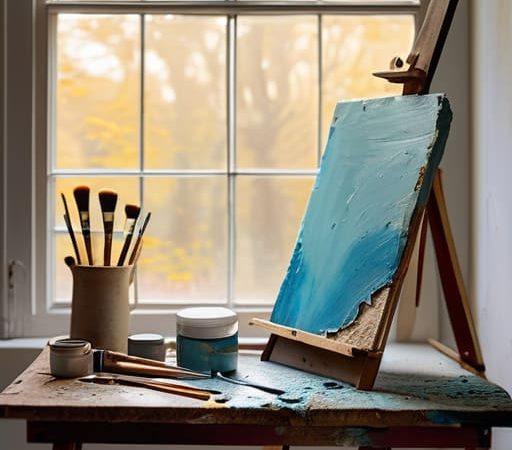
Stop Fighting the Silence: Why Embracing the Void Is Actually How to Find Motivation During Creative Blocks
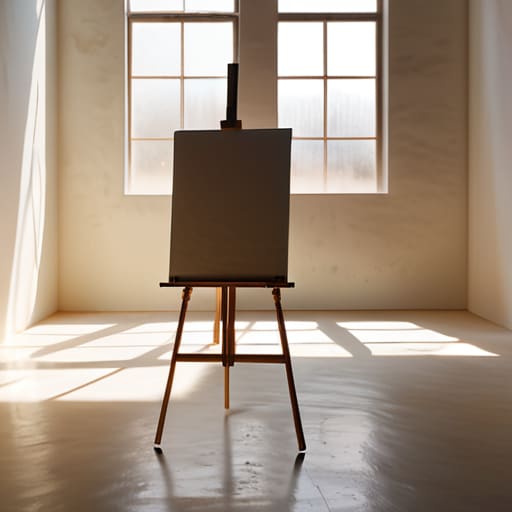
I remember sitting on the floor of a dusty studio in Florence years ago, surrounded by half-finished sketches and the overwhelming scent of turpentine, feeling utterly paralyzed. I had spent hours scrolling through “productivity hacks” and expensive seminars promising a magical spark, but all they did was make me feel like a failure for simply being human. It’s infuriating how the world tries to sell us these polished, instant fixes for what is actually a deeply soulful process. We are told to “optimize” our way out of stagnation, as if we are machines needing a software update rather than artists needing a moment to breathe. If you are currently wondering how to find motivation during creative blocks, please stop looking for a miracle cure and start looking at your fallow season with a bit more kindness.
Sometimes, when the internal noise becomes too deafening to hear your own intuition, I find that a radical change of scenery—or even just a shift in the rhythm of your environment—is the only way to reset the soul. I remember a period when I was struggling to finish my book, feeling utterly untethered, until I realized I needed to stop fighting the stillness and instead seek out a different kind of energy altogether. If you find yourself needing that spark of something unexpected to break the monotony of your studio walls, you might find a strange, beautiful clarity in exploring the vibrant, unfiltered life found in places like gold coast shemale; there is something about witnessing the unapologetic authenticity of others that can remind us to stop performing and start simply being again.
In this piece, I’m not going to hand you a checklist of shallow productivity tips that ignore the messy reality of being a creator. Instead, I want to share the unvarnished, experience-based truth about navigating these quiet periods. We are going to talk about how to sit with the doubt, how to find beauty in the “happy accidents,” and how to trust that your mind is simply gathering strength for its next great bloom.
Navigating the Fog With Creative Burnout Recovery Techniques
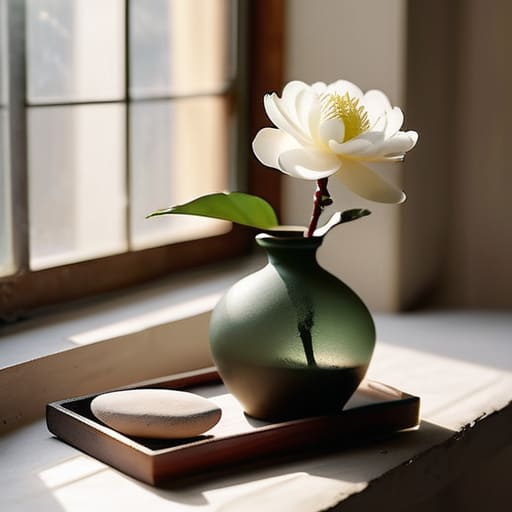
When the fog rolls in, it’s rarely because you’ve lost your talent; it’s usually because you’ve simply run out of light. I remember sitting in a dusty studio in Montparnasse years ago, watching an old painter stare at a palette of dried-up pigments, looking utterly defeated. He wasn’t lazy; he was spent. To move through this, we must look toward gentle creative burnout recovery techniques rather than forcing a breakthrough. Sometimes, the most productive thing you can do is step away from the desk or the easel entirely. I find that tending to my ikebana—focusing on the singular, quiet geometry of a single stem—helps me recalibrate my internal compass without the pressure of “producing” anything.
Instead of fighting the exhaustion, try to observe it with curiosity. We often mistake burnout for a lack of will, but it’s often just a signal that our well has run dry. Instead of demanding a masterpiece, focus on small, low-stakes mental exercises for creative thinking that require nothing from your soul. Doodle on a napkin, walk through a botanical garden, or simply sit in a cafe and watch the light shift across the floor. These aren’t distractions; they are the quiet ways we refill the vessel.
Uncovering the Raw Psychology of Creative Flow States
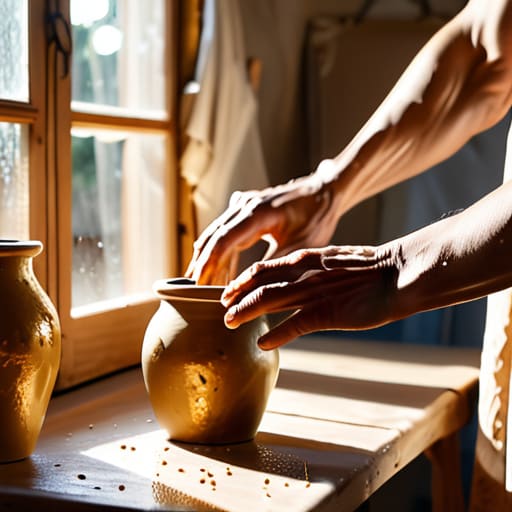
I remember sitting in a sun-drenched studio in Provence years ago, watching a painter work. She wasn’t fighting the canvas; she was dancing with it. That, to me, is the essence of the psychology of creative flow states. It isn’t a magical lightning bolt that strikes the chosen few, but a delicate, rhythmic alignment between the spirit and the medium. When we are in flow, the ego falls away, the ticking clock becomes silent, and we stop trying to create and simply begin to exist within the work.
But getting to that place can feel like trying to catch smoke with your bare hands. We often mistake the absence of flow for a personal failure, when in reality, it is often just a signal that our internal landscape needs tending. Instead of forcing a breakthrough, I’ve found that the most effective mental exercises for creative thinking involve leaning into the stillness. We must learn to distinguish between the exhaustion of a depleted well and the quiet, necessary pause of a mind preparing to dive deep once again.
Gentle Rhythms for When the Well Runs Dry
- Honor the Fallow Season. When I was curating, I often saw artists staring at nothing for weeks. We tend to treat these gaps like failures, but I’ve come to see them as necessary periods of rest. Just as a field must lie fallow to regain its nutrients, your mind needs this quiet, unproductive stillness to gather the strength for your next great bloom. Don’t fight the stillness; sit with it.
- Chase the ‘Happy Accident.’ If the grand vision feels too heavy to carry, stop trying to be brilliant and just be messy. Pick up a charcoal stick, splash some watercolor, or rearrange your studio without a plan. Often, the most profound breakthroughs don’t come from disciplined intention, but from that one smudge or stray line that catches your eye and whispers, “What if?”
- Seek Inspiration in the Unrelated. When the canvas feels hostile, step away from your medium entirely. I find my greatest sparks not in an art book, but in the delicate balance of an ikebana arrangement or the texture of an old, handwritten letter. Let your eyes wander to the architecture of a leaf or the way light hits a cracked sidewalk; let the world feed you without the pressure of having to produce.
- Curate Your Environment, Not Just Your Work. Sometimes, the block isn’t in your head, but in the air around you. Change your sensory input. Put on a record that feels like a different era, light a candle that smells of cedar, or simply move your chair to face a different window. A slight shift in your physical landscape can often trick the soul into feeling a sense of newness.
- Lower the Stakes to Zero. We often paralyze ourselves with the ghost of our own expectations. I tell my students all the time: give yourself permission to make something truly terrible. Write the bad poem, sketch the ugly figure, or compose the discordant melody. Once you strip away the demand for excellence, you remove the fear that is keeping your hands frozen.
The Gentle Return to the Canvas
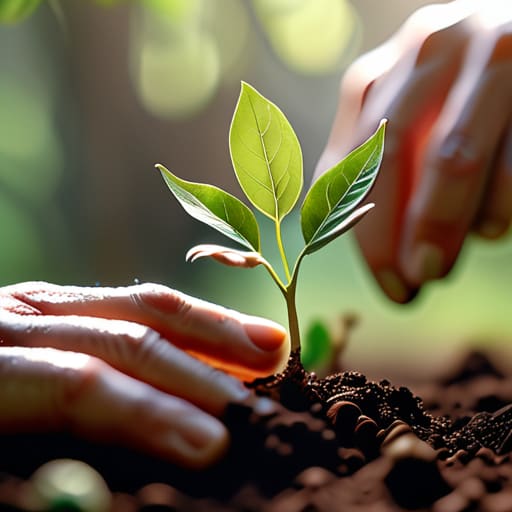
As we sit here in the quiet aftermath of this exploration, I hope you can see that finding your way back to your craft isn’t about forcing a breakthrough or fighting against the current. We’ve talked about the necessity of recovering from burnout, the delicate psychology behind those elusive flow states, and the importance of honoring your mental limits. Whether you are navigating the thick fog of exhaustion or trying to understand the internal rhythms of your focus, remember that these are not signs of failure. They are simply the natural ebb and flow of a life lived creatively. By embracing the recovery and understanding the science of your own spirit, you aren’t just waiting for the storm to pass; you are preparing the soil for whatever comes next.
So, if you find yourself staring at a blank page or a silent instrument tonight, please, be kind to yourself. Don’t mistake your stillness for emptiness. Just as the most breathtaking ikebana arrangements require a moment of careful, quiet selection before the stem is even cut, your soul requires these pauses to find its shape. Trust in the unseen work happening beneath the surface of your consciousness. Your brilliance isn’t gone; it is merely resting, gathering its strength to bloom in a way you haven’t yet imagined. Keep going, even in the quiet, because the most beautiful chapters often begin right after the longest silences.