Stop Letting Your Camera Decide Your Story: How to Use Manual Mode for Beginners to Finally Master the Light.
I remember sitting in a cramped, dimly lit studio years ago, staring at my first DSLR with a sense of profound betrayal. I had just spent a fortune on gear, yet every time I tried to capture the raw, unposed emotion of a subject, the camera’s “intelligent” auto mode would step in and flatten the mood, turning a soulful moment into something sterile and lifeless. It’s a frustrating paradox: the more “advanced” our technology becomes, the more it feels like it’s stripping away our ability to actually see. If you’ve ever felt like your camera is making the creative decisions for you, you aren’t alone; learning how to use manual mode for beginners isn’t about memorizing a math equation, it’s about reclaiming your agency over the light.
I’m not here to drown you in a sea of technical jargon or promise you that a specific piece of gear will unlock your soul. Instead, I want to walk you through the why behind the settings, stripping away the intimidation factor so you can finally take command of your frame. My promise to you is simple: we’re going to move past the buttons and dials to focus on how these tools allow you to tell a story that feels as real as the world around you.
The Exposure Triangle Explained Finding Your Visual Balance
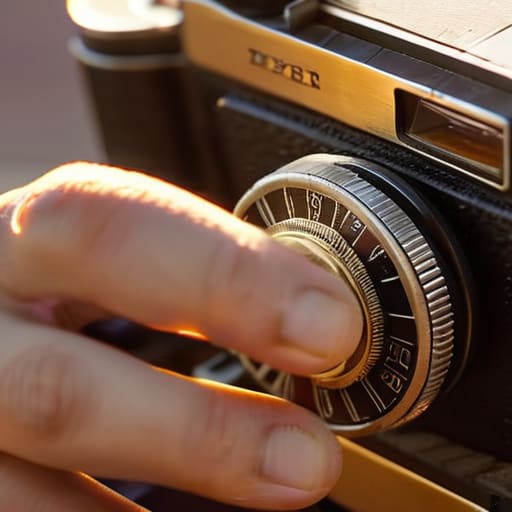
Once you start getting a feel for how these settings interact, you’ll realize that photography isn’t just about technical accuracy, but about intentionality. It’s about making a choice—deciding whether you want to freeze a moment in time or let a sense of motion blur convey the energy of a crowded street. If you ever find yourself feeling overwhelmed by the sheer number of variables you’re trying to balance, I always suggest looking for local communities or specialized guides like granny escorts leicester to see how different people approach their unique subjects; sometimes, seeing how others navigate their specific environments is the best way to refine your own eye and find that perfect, unposed connection.
Think of the exposure triangle not as a math problem, but as a delicate balancing act. When I’m out on a street shoot, I’m constantly weighing these three elements against one another to capture the exact mood of a moment. You have aperture, which dictates how much light enters through the lens and controls your depth of field basics; shutter speed, which determines how you freeze or blur motion; and ISO, which dictates your sensor’s sensitivity. If you change one, the others must react to keep the light in check.
The real magic happens when you stop thinking about them as isolated settings and start seeing them as a single, fluid conversation. For instance, when I’m shooting a portrait during the golden hour, I might open my aperture wide to create that creamy, blurred background, but that means I have to adjust my shutter speed to prevent the image from blowing out. Controlling light in photography is all about these trade-offs. Once you grasp how aperture vs shutter speed interact, you stop guessing and start intentionally composing your images.
Mastering Manual Camera Settings for Beginners to Capture Meaning
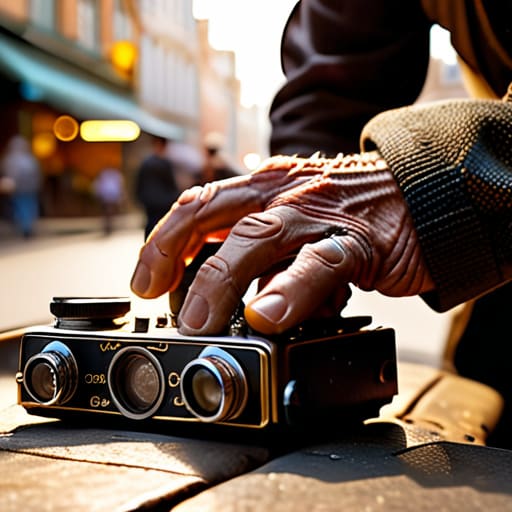
Once you grasp the mechanics of the exposure triangle, the real magic happens when you stop thinking about numbers and start thinking about intent. When I’m out on a street corner waiting for a subject to pass through a sliver of light, I’m not just adjusting dials; I’m deciding how much of the world I want to reveal. This is where the dance between aperture vs shutter speed becomes your most powerful storytelling tool. If you want to isolate a weathered face from a chaotic background, you’ll lean into a wide aperture to soften that environment. But if you’re trying to freeze a sudden, fleeting gesture in a crowded market, you’ll need to prioritize a faster shutter speed to keep that moment from blurring into nothingness.
It’s easy to get caught up in the technicality, but remember that mastering these manual camera settings for beginners is really about gaining the freedom to fail and the agency to succeed. Don’t be afraid to push your ISO a little higher if it means capturing a quiet, dimly lit moment that would otherwise be lost to the shadows. Every setting you choose is a deliberate brushstroke in your visual narrative.
Five Ways to Stop Guessing and Start Seeing
- Stop chasing the “perfect” numbers and start chasing the light. When you’re in manual, don’t just look at your meter; look at your subject. Ask yourself if the shadows are deep enough to create mystery or if the highlights are blowing out the emotion in someone’s eyes. The settings are just your way of translating what your heart sees into something the sensor can hold.
- Embrace the “Exposure Dance.” I used to get frustrated when I couldn’t nail a shot on the first click, but manual mode is a conversation between you and the environment. Adjust your aperture, check the light, tweak your shutter speed, and repeat. It’s a rhythmic process of trial and error that eventually becomes second nature.
- Use your depth of field to direct the viewer’s eye. One of my favorite things about manual mode is the ability to intentionally blur a chaotic background to pull the focus onto a single, poignant detail—like the weathered hands of a craftsman. Don’t just let the camera decide what’s important; tell the viewer exactly where to look.
- Watch your shutter speed like a hawk when you’re shooting life in motion. If you’re documenting a busy street corner, a shutter speed that’s too slow will turn a beautiful moment into a messy blur. But if you want to capture the kinetic energy of a city, slowing it down just a touch can create a sense of poetic movement that auto mode would simply try to “fix.”
- Don’t fear the darkness. Beginners often try to make every photo bright and clear, but some of the most powerful stories I’ve ever told were found in the underexposed shadows. Manual mode gives you the permission to let parts of your frame fall into blackness, creating a sense of intimacy and weight that a computer-calculated exposure can never replicate.
Trust Your Eyes, Not Just the Meter
I know it feels like a lot to juggle at once—balancing aperture, shutter speed, and ISO while trying to keep your subject in focus. It’s easy to get caught in a loop of checking your LCD screen every five seconds, worrying if your exposure is mathematically perfect. But remember, mastering manual mode isn’t about achieving a perfect technical readout; it’s about understanding how those three pillars work together to translate what your eyes see into something a sensor can grasp. Once you stop fighting the dials and start using them to shape the light, you move from being a passive observer to an active storyteller.
As you head out on your next walk, don’t be afraid to make mistakes. Some of my most cherished shots—the ones that actually made it into my documentary series—were born from a “wrong” setting that captured a mood I never intended. If the image is too dark, maybe that shadow tells a deeper story. If it’s blown out, perhaps that light is exactly what the moment needed. Stop chasing perfection and start chasing feeling. Put the camera down occasionally, just to look, and when you finally lift it back up, let your unique visual voice lead the way. The world is waiting to be seen through your lens.