A Guide on How to Use Different Camera Angles to Tell a Story
I still remember the first time I realized the power of how to use different camera angles in filmmaking. I was editing a documentary, and a simple shift in perspective completely transformed the mood of a scene. It was as if the story came alive, and I was hooked. From that moment on, I’ve been obsessed with the art of camera angles and how they can elevate a narrative. As a documentary filmmaker, I’ve learned that it’s not just about pointing a camera and capturing footage – it’s about crafting a visual language that speaks directly to the audience’s emotions.
In this article, I’ll share my hands-on experience and practical advice on how to use different camera angles to bring your story to life. You’ll learn how to create a visual rhythm, build tension, and evoke emotions through the careful selection of camera angles. I’ll take you through my favorite techniques, from the classic low-angle shot to the more experimental Dutch angle, and show you how to use them to create a compelling narrative. By the end of this guide, you’ll have a solid understanding of how to use camera angles to enhance your storytelling and take your filmmaking to the next level.
Table of Contents
Guide Overview: What You'll Need
Total Time: 1 hour 15 minutes
Estimated Cost: $0 – $100
Difficulty Level: Intermediate
Tools Required
- Camera (with adjustable tripod)
- Tripod (sturdy and reliable)
- Measuring Tape (for measuring distances in feet)
- Level (for ensuring even horizons)
Supplies & Materials
- Reference Images (for studying different camera angles)
- Storyboards (for planning shot sequences)
- Lens Cleaning Kit (for maintaining camera equipment)
Step-by-Step Instructions
- 1. First, let’s start with the basics: understanding the different types of camera angles and how they can be used to tell a story. I’m obsessed with experimenting with unique perspectives, and I think it’s essential to learn about the various camera angles, such as low-angle, high-angle, Dutch angle, and eye-level shots. Each of these angles can evoke a specific emotion or mood, and it’s crucial to choose the right one to convey your message.
- 2. Next, consider the rule of thirds when framing your shot. This technique involves dividing the frame into thirds both horizontally and vertically, and placing your subject along one of these lines. This will help create a more balanced and visually appealing composition. I love using this technique to add some visual interest to my documentaries, and it’s amazing how it can elevate the entire scene.
- 3. Now, let’s talk about low-angle shots. These shots are taken from a low position, looking up at the subject, and can create a sense of power or heroism. To achieve this, you can place your camera near the ground or use a low tripod. I’ve used low-angle shots in my documentaries to make my subjects appear stronger and more confident, and it’s incredible how it can change the viewer’s perception.
- 4. Another essential angle is the high-angle shot, which is taken from a high position, looking down at the subject. This can create a sense of vulnerability or weakness. To achieve this, you can place your camera on a high tripod or use a drone. I’ve used high-angle shots to show the scale of a scene or to create a sense of isolation, and it’s amazing how it can add depth to your story.
- 5. When using Dutch angle shots, also known as canted shots, it’s essential to consider the context and the emotion you want to convey. These shots are taken with the camera tilted to one side, creating a sense of unease or tension. I’ve used Dutch angle shots in my documentaries to create a sense of unease or to convey a character’s emotional state, and it’s incredible how it can add a layer of complexity to your story.
- 6. Next, let’s discuss the importance of camera movement. Camera movement can add energy and dynamism to your scene, and can be used to emphasize certain elements or to create a sense of tension. I love using handheld camera shots to create a sense of intimacy and immediacy, and it’s amazing how it can draw the viewer into the scene.
- 7. Finally, don’t forget to experiment and take risks when it comes to camera angles. Don’t be afraid to try new and unusual angles, and to push the boundaries of what’s considered “normal.” I’ve found that some of the most interesting and memorable shots come from taking risks and trying something new, and it’s incredible how it can elevate your story and make it more engaging.
Mastering Camera Angles
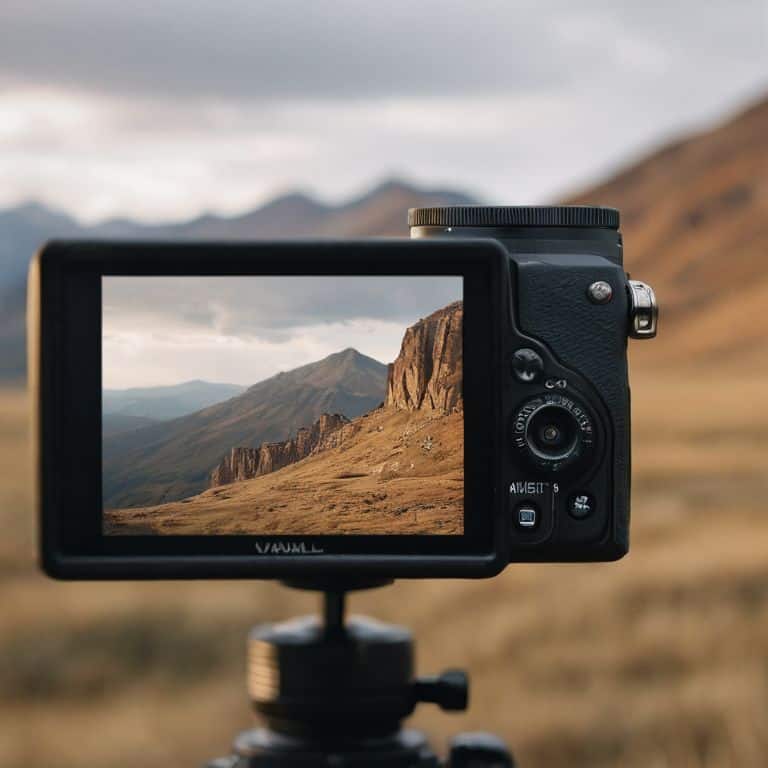
As I delve deeper into the world of camera angles, I’m reminded of the power of subtlety. A slight tweak in the camera’s position can completely alter the mood of a scene. For instance, low angle photography tips can be used to create a sense of grandeur or intimidation, while high angle videography examples can make the subject appear vulnerable or insignificant. It’s all about finding the right balance and using camera angle techniques for film to evoke the desired emotional response.
When it comes to storytelling through camera movement, I believe that experimentation is key. Don’t be afraid to try out unusual angles, such as the Dutch angle, to add some visual interest to your scene. This technique can create a sense of unease or tension, which can be perfect for certain narrative arcs. By embracing the art of camera movement, you can take your storytelling to the next level and create a truly immersive experience for your audience.
As a documentary filmmaker, I’ve learned to appreciate the importance of using camera angles to evoke emotion. It’s not just about capturing the action; it’s about creating a connection with the viewer. By carefully selecting the right camera angle, you can draw the audience in and make them feel like they’re part of the story. Whether it’s a sweeping aerial shot or an intimate close-up, the right camera angle can make all the difference in the world.
Elevating Story With High Angle Views
When I’m editing a scene, I love using high angle views to create a sense of vulnerability or isolation. By looking down on my subject, I can convey a feeling of powerlessness or disconnection. It’s amazing how a simple shift in perspective can totally transform the mood of a scene! I’ve used this technique in my documentaries to great effect, particularly when telling stories of social injustice or personal struggle. The high angle view allows the audience to feel a sense of empathy for the subject, while also maintaining a sense of objectivity.
I’ve also experimented with high angle views to create a sense of grandeur or wonder. By capturing my subject from directly above, I can emphasize their smallness in relation to their environment, which can be really powerful in stories about exploration or discovery. It’s all about finding the right emotional frame to bring your story to life.
Finding Emotion in Low Angle Shots
When I’m editing a scene, I love using low angle shots to create a sense of power and heroism. By placing the camera below my subject, I can make them appear stronger and more dominant. This angle is perfect for capturing dramatic moments, like a character’s triumphant return or a pivotal decision. I recall working on a documentary about a young athlete, and using low angle shots to emphasize her determination and resilience as she trained for a big competition. The result was incredibly empowering, and it really drew the audience into her story.
I also experiment with low angle shots to add a touch of unease or tension to a scene. By tilting the camera up at a subject, I can create a sense of discomfort or unease, which can be really effective in building suspense. It’s all about playing with the emotional tone of the scene, and using the camera angle to guide the audience’s feelings.
5 Ways to Bring Your Story to Life with Camera Angles
- Experiment with Dutch angles to add a sense of unease or tension to a scene, as seen in the works of Stanley Kubrick
- Use eye-level shots to create a sense of intimacy and connection with your subject, making the audience feel like they’re part of the conversation
- Play with the depth of field by using a low angle shot with a wide aperture, blurring the background and drawing attention to your subject’s emotions
- Employ high angle shots to convey a sense of vulnerability or powerlessness, as seen in films like ‘The Shawshank Redemption’ where the characters are often shot from above
- Mix up your camera angles within a scene to create a dynamic rhythm, such as cutting between a low angle shot and a point-of-view shot to build energy and suspense
Key Takeaways for Elevating Your Story with Camera Angles
Experimenting with low angle shots can add a sense of power and heroism to your subject, while high angle views can create a feeling of vulnerability, allowing you to tap into the emotional depth of your story
Mastering the art of camera angles is not just about technical skill, but also about understanding the emotional impact you want to create in each scene, and using that understanding to inform your creative decisions
By combining different camera angles with thoughtful editing and sound design, you can create a rich, immersive cinematic experience that draws your audience in and refuses to let go, making your story truly unforgettable
The Power of Perspective
For me, the right camera angle is not just about framing a shot, it’s about tapping into the emotional undercurrent of a scene – it’s where the magic happens, and your story truly comes alive.
Maya Jenson
Bringing Your Story to Life with Camera Angles
As we’ve explored the world of camera angles, from the emotional punch of low angle shots to the breathtaking views of high angle shots, it’s clear that mastering camera angles is an essential skill for any filmmaker. By understanding how to use different angles to evoke emotions, establish setting, and guide the viewer’s attention, you can take your storytelling to the next level. Whether you’re working on a documentary, narrative film, or even a branded content project, the principles of camera angles remain the same: to elevate your story and connect with your audience on a deeper level.
So, the next time you’re behind the camera, remember that the art of filmmaking is all about experimentation and creativity. Don’t be afraid to try new things, to push the boundaries of what’s possible with camera angles, and to see where it takes your story. With practice and patience, you’ll develop your own unique visual style, and your films will be all the more powerful and memorable for it. The world of cinematic storytelling is waiting for you – go out there and bring your vision to life!
Frequently Asked Questions
How do I know when to use a low angle shot versus a high angle shot to convey the right emotion in my scene?
For me, it’s all about the emotional context of the scene. I use low angle shots to evoke a sense of power or heroism, while high angle shots create a feeling of vulnerability or isolation. It’s about finding the right visual language to support the story and guide the audience’s emotional response.
What are some common mistakes to avoid when experimenting with unusual or extreme camera angles?
When experimenting with unusual angles, I’ve found that overusing them can be distracting – it’s all about balance. Avoid using extreme angles for entire scenes, and instead, reserve them for key emotional moments to maximize their impact.
Can you provide examples of how different camera angles have been used effectively in famous films or documentaries to tell a compelling story?
I love citing iconic examples – like in “The Shawshank Redemption,” where low-angle shots of Andy’s escape emphasize his freedom, or in “The Thin Blue Line,” where high-angle views of the crime scene create a sense of detachment, underscoring the documentary’s themes of observation and inquiry.