An Explainer: a Guide to the 180-degree Rule

I still remember the first time I grasped the power of a guide to the 180-degree rule in filmmaking. It was like a veil had been lifted, and I could suddenly see the invisible threads that held a scene together. As a documentary filmmaker, I’ve spent years studying the masters, pouring over their techniques, and experimenting with my own projects. One of the most significant lessons I’ve learned is that the 180-degree rule is not just a technicality, but a storytelling tool that can make or break the emotional impact of your film.
In this article, I’ll share my hands-on experience with a guide to the 180-degree rule, cutting through the jargon and focusing on the practical, no-nonsense advice you need to elevate your filmmaking. You’ll learn how to use the 180-degree rule to create a seamless, immersive experience for your audience, and how to break it in a way that serves the story. From pre-production planning to post-production editing, I’ll walk you through the process of applying this essential principle to your own projects, and show you how it can transform your visual storytelling.
Table of Contents
- Guide Overview: What You'll Need
- Step-by-Step Instructions
- A Guide to the 180 Degree Rule
- Breaking the Mold: 5 Essential Tips to Master the 180-Degree Rule
- Unlocking Cinematic Power: 3 Key Takeaways
- Unlocking the Power of Spatial Relationships
- Bringing It All Together: The Power of the 180-Degree Rule
- Frequently Asked Questions
Guide Overview: What You'll Need
Total Time: 1 hour 30 minutes
Estimated Cost: $0 – $10
Difficulty Level: Easy
Tools Required
- Camera any type of camera will work
- Tripod for stabilizing the camera
- Measuring Tape for measuring distances
Supplies & Materials
- Script or Storyboard to plan out your shots
- Marker or Pencil for marking camera positions
Step-by-Step Instructions
- 1. First, let’s dive into the basics of the 180-degree rule, which states that the camera should always stay on one side of an imaginary line that divides the scene into two parts. This rule helps to create a sense of continuity and prevents disorienting the audience.
- 2. To apply the 180-degree rule, start by identifying the main action or interaction in your scene, and then place your camera on one side of the imaginary line. It’s essential to remember that this line is not a physical barrier, but rather a guiding principle to help you maintain a consistent visual language throughout the scene.
- 3. When setting up your shots, make sure to keep the camera on the same side of the line for each shot, even if you’re changing the angle or distance. This will help to create a sense of spatial coherence and prevent the audience from feeling disoriented. For example, if you’re filming a conversation between two people, keep the camera on one side of the line that divides the two characters.
- 4. Now, let’s talk about crossing the line, which can be a powerful tool for creating a sense of tension or drama in your scene. However, it’s crucial to use this technique intentionally and sparingly, as it can be jarring for the audience if not done correctly. To cross the line effectively, make sure to motivate the camera movement with a clear reason, such as a character moving from one side of the line to the other.
- 5. When working with multiple cameras, it’s essential to communicate the 180-degree rule to your camera team to ensure everyone is on the same page. This will help to prevent conflicting shots and maintain a consistent visual language throughout the scene. Make sure to review your footage regularly to catch any potential issues and adjust your camera placement accordingly.
- 6. To take your understanding of the 180-degree rule to the next level, try analyzing your favorite films and observing how the director and cinematographer use this technique to create a sense of continuity and tension. Pay attention to how they bend the rules and use creative camera placement to enhance the emotional impact of the scene.
- 7. Finally, don’t be afraid to experiment and break the rules in a way that serves your story. The 180-degree rule is a guideline, not a hard and fast rule, and there are times when disorienting the audience can be a powerful tool for creating a sense of unease or uncertainty. The key is to use this technique intentionally and with a clear understanding of how it will affect the audience’s emotional response to the scene.
A Guide to the 180 Degree Rule
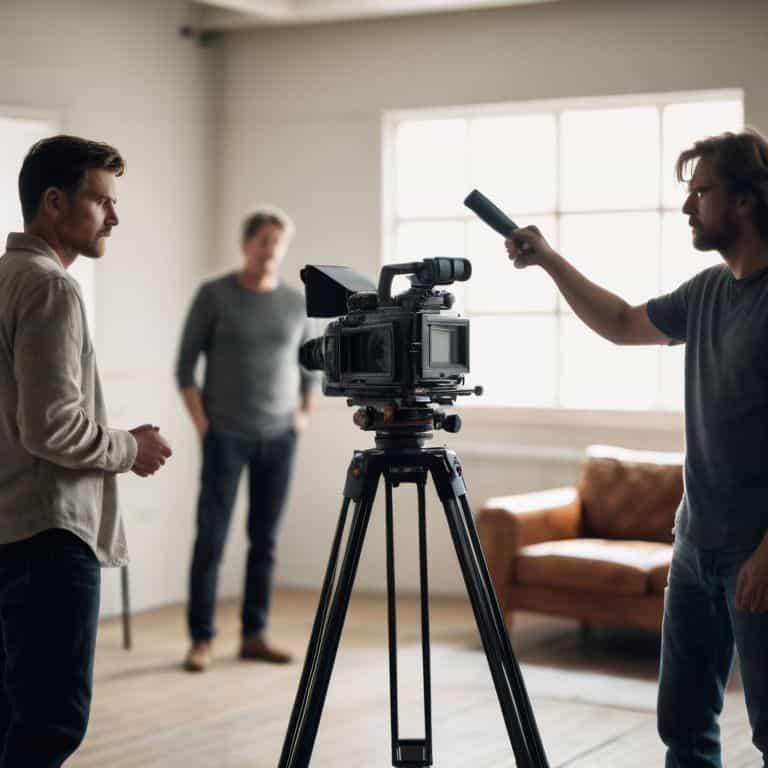
As I delve deeper into the world of cinematic storytelling, I’ve come to realize that mastering camera angles is crucial for creating a cohesive visual narrative. The 180-degree rule is a fundamental principle that helps maintain continuity and avoids disorienting the audience. When setting up a dialogue scene, it’s essential to consider the camera’s position in relation to the actors. By doing so, you can create a more immersive experience and draw the viewer into the story.
One of the most significant benefits of following the 180-degree rule is that it helps avoid jump cuts, which can be jarring and pull the audience out of the scene. Instead, you can use camera movement techniques to create a smooth and seamless transition between shots. This not only enhances the visual flow but also adds depth and emotion to the story. By carefully planning your camera movements and angles, you can create a more engaging and dynamic scene that keeps the audience invested.
In the context of visual storytelling principles, the 180-degree rule is just one of the many tools at your disposal. By combining it with other techniques, such as careful dialogue scene setup and attention to film editing for continuity, you can craft a narrative that’s both captivating and cohesive. Remember, the goal is to create a cinematic experience that resonates with your audience, and with practice and patience, you can unlock the full potential of your story.
Avoiding Jump Cuts With Visual Storytelling Principles
To create a seamless visual flow, I always emphasize the importance of avoiding jump cuts. These jarring transitions can disrupt the emotional depth you’ve worked so hard to build. By adhering to the 180-degree rule, you’ll be able to maintain a consistent visual language, drawing your audience into the story. Think of it as a dance between the camera and the subject, where every step is carefully choreographed to evoke a specific feeling.
I recall working on a documentary where a simple conversation between two subjects became a masterclass in subtle camera movements. By using matching shots and maintaining a consistent eyeline, we created a sense of intimacy and tension, completely immersing the viewer in the scene. It’s all about finding that balance between visual interest and emotional resonance – and it starts with a deep understanding of the 180-degree rule.
Mastering Camera Angles for Emotional Depth
To truly master the 180-degree rule, you need to think about camera angles and how they contribute to the emotional depth of your scene. I like to experiment with different angles to create a visual rhythm that complements the story. For example, a low-angle shot can make your subject appear powerful, while a high-angle shot can convey vulnerability. By carefully selecting your camera angles, you can create a sense of tension or intimacy that draws your audience in.
I remember working on a documentary where we used a mix of close-ups and wide shots to convey the emotions of our subject. The close-ups allowed the audience to connect with her on a personal level, while the wide shots provided context and emphasized her isolation. It was a powerful combination that added depth and complexity to the story. By playing with camera angles and the 180-degree rule, you can create a rich emotional landscape that resonates with your audience.
Breaking the Mold: 5 Essential Tips to Master the 180-Degree Rule
- Establish a strong axis: Before you start filming, define the axis of action for your scene to maintain a consistent spatial relationship between characters and objects
- Choose your angles wisely: Select camera angles that support the emotional tone of your scene, and use the 180-degree rule to create a cohesive visual language
- Pay attention to character movement: When characters move within the scene, ensure their movement respects the 180-degree rule to avoid disorienting your audience
- Use cutaways to your advantage: Cutaways can be a powerful tool to break the 180-degree rule when done intentionally, adding visual interest and deepening the narrative
- Edit with intention: When assembling your footage, consider the 180-degree rule as a guiding principle to create a seamless and engaging visual flow that serves the story
Unlocking Cinematic Power: 3 Key Takeaways
By mastering the 180-degree rule, you can create a visual language that guides your audience through the story, evoking emotions and empathy
Effective use of camera angles and visual storytelling principles can help you avoid jarring jump cuts, ensuring a seamless and immersive viewing experience
Remember, the 180-degree rule is not just a technical guideline, but a tool to unlock the emotional core of your story, allowing you to craft a narrative that resonates with your audience
Unlocking the Power of Spatial Relationships
The 180-degree rule is not just a technical guideline, it’s a gateway to crafting a cinematic language that transports your audience into the heart of your story, where every cut, every angle, and every movement becomes a deliberate brushstroke on the canvas of emotion.
Maya Jenson
Bringing It All Together: The Power of the 180-Degree Rule

As we’ve explored throughout this guide, the 180-degree rule is a fundamental principle that can make or break the emotional impact of your story. By mastering camera angles and avoiding jump cuts with visual storytelling principles, you can create a seamless and immersive experience for your audience. Remember, the goal is to maintain continuity and keep your viewers engaged. Whether you’re working on a documentary, a short film, or a branded content piece, the 180-degree rule is an essential tool to have in your toolkit.
So, the next time you’re on set or in the editing room, I encourage you to think about the emotional core of your story and how the 180-degree rule can help you unlock it. Don’t be afraid to experiment and push the boundaries of what’s possible. With practice and patience, you’ll develop a keen eye for visual storytelling and be able to craft narratives that leave a lasting impact on your audience. Keep creating, and never stop pushing the boundaries of what’s possible!
Frequently Asked Questions
How do I apply the 180-degree rule in a scene with multiple characters and camera angles?
When working with multiple characters and angles, I like to think of the 180-degree rule as a flexible guideline. Imagine a virtual line between your subjects – try to keep your cameras on one side of it to maintain continuity and avoid disorienting your audience. It’s all about creating a cohesive visual language that serves the story.
What are some common mistakes to avoid when using the 180-degree rule in filmmaking?
When working with the 180-degree rule, I see many filmmakers neglecting to account for character movement, or failing to maintain consistent screen direction – it’s a rookie mistake that can disrupt the entire emotional flow of your scene, so make sure to keep those details in check.
Can the 180-degree rule be broken or bent in certain situations to create a specific emotional effect or stylistic choice?
Absolutely, the 180-degree rule can be broken or bent to create a specific emotional effect or stylistic choice. I love when directors use this technique to disorient the viewer or build tension, like in a chaotic action scene or a mind-bending thriller. It’s all about intentional storytelling and using the rule to serve the narrative, not just following it blindly.