The Essential Camera Gear for Beginner Filmmakers
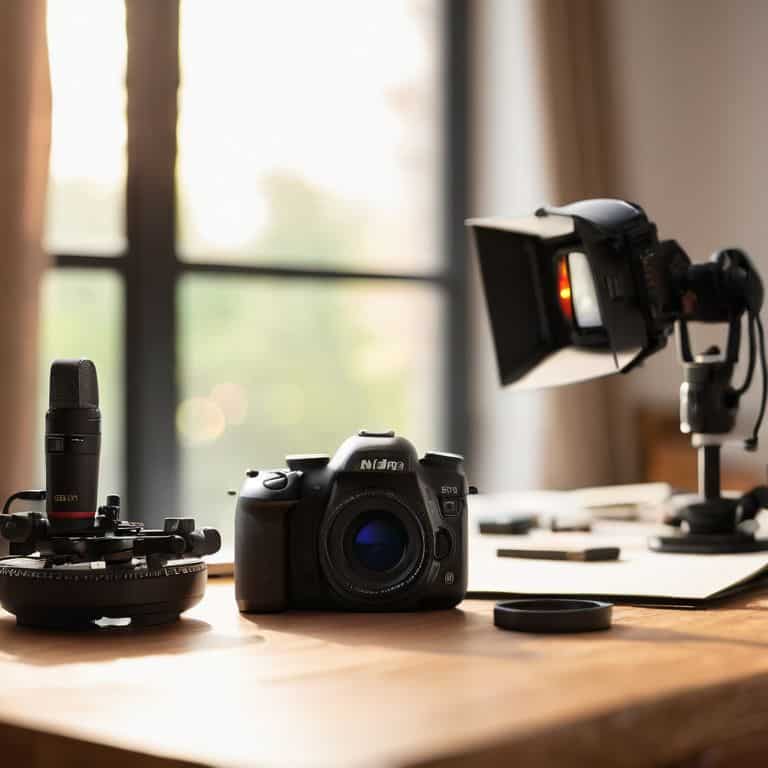
I still remember the early days of my filmmaking journey, when I thought that essential camera gear for beginner filmmakers was all about breaking the bank on the most expensive equipment. But, as I soon discovered, that’s just not true. The real secret to creating stunning visuals lies not in the price tag, but in understanding the fundamentals of filmmaking. I’ve seen many beginners get caught up in the hype of fancy cameras and lenses, only to end up with a closet full of gear and a lack of knowledge on how to use it.
As a documentary filmmaker, I’ve learned that it’s all about stripping away the noise and focusing on the essentials. In this article, I’ll share my honest, no-hype advice on what essential camera gear for beginner filmmakers really means. You’ll learn how to navigate the basics of camera equipment, from lenses to tripods, and how to use them to tell a compelling story. I’ll cut through the jargon and give you a clear, practical guide on how to choose the right gear for your projects, without breaking the bank. By the end of this article, you’ll be equipped with the knowledge to start creating your own stunning visuals, and telling the stories that matter most to you.
Table of Contents
- Guide Overview: What You'll Need
- Step-by-Step Instructions
- Essential Camera Gear for Beginner Filmmakers
- Lens Kits Portable Lighting and External Mics on a Budget
- Unpacking the Best Camera for Indie Films and Documentaries
- Bringing Your Vision to Life: 5 Essential Tips for Beginner Filmmakers
- Key Takeaways for Beginner Filmmakers
- Shaping Your Vision
- Bringing Your Vision to Life
- Frequently Asked Questions
Guide Overview: What You'll Need
Total Time: 1 hour 30 minutes
Estimated Cost: $500 – $1000
Difficulty Level: Intermediate
Tools Required
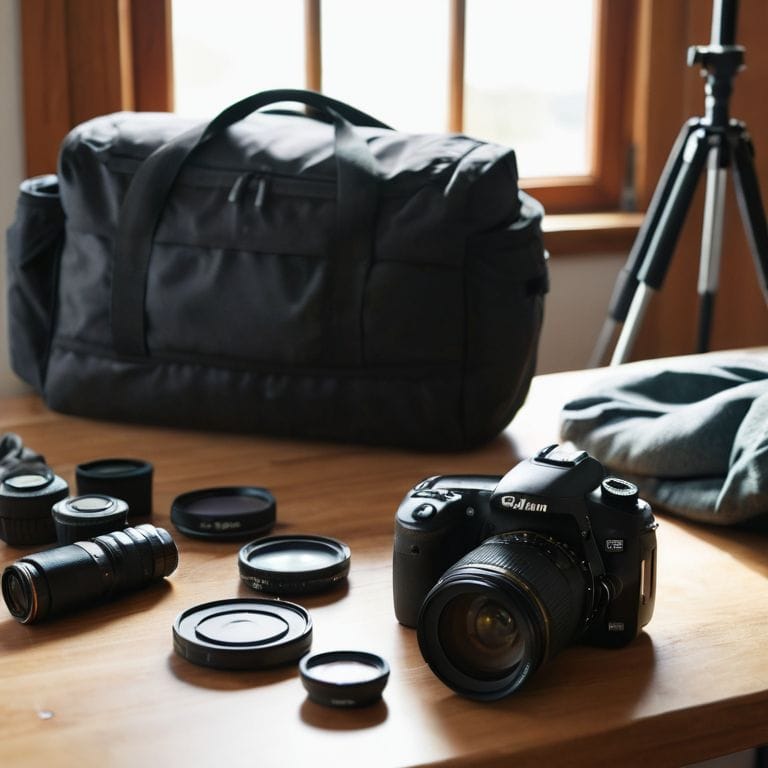
- Camera Body DSLR or Mirrorless
- Lenses Prime and Zoom options available
- Tripod Sturdy, with a smooth panhead
- Light Meter Optional, but recommended for accurate exposures
Supplies & Materials
- Memory Cards Multiple, with a minimum 64 gigabytes storage
- Batteries Extra, for camera and other equipment
- Camera Strap Comfortable, with quick-release mechanism
- Lens Cleaning Kit With a soft brush, microfiber cloth, and cleaning solution
Step-by-Step Instructions
- 1. First, let’s start with the basics: understanding your camera. As a beginner filmmaker, it’s essential to invest in a good DSLR camera or a mirrorless camera that fits your budget and meets your needs. When choosing a camera, consider the sensor size, resolution, and frame rates it can handle. I always say, a good camera is just the beginning, but it’s a crucial foundation for creating high-quality footage.
- 2. Next, you’ll need to think about lenses. Now, I’m a bit of a lens enthusiast – I love collecting vintage cinema lenses – but as a beginner, you don’t need to break the bank. Start with a good prime lens or a versatile zoom lens that can handle a variety of shooting situations. Remember, the right lens can make all the difference in capturing the mood and atmosphere of your scene.
- 3. Once you have your camera and lenses, it’s time to think about lighting. As a documentary filmmaker, I’ve learned that natural light is your best friend, but sometimes you need a little extra help. Invest in a basic lighting kit that includes a key light, fill light, and backlight. This will give you the flexibility to create a range of lighting setups and add depth to your footage.
- 4. Now, let’s talk about sound. I’m obsessed with sound design, and I believe it’s at least 50% of the film. As a beginner, you don’t need to invest in a top-of-the-line microphone, but a good-quality lavalier microphone or a basic shotgun microphone can make a huge difference in capturing clean, crisp audio. Remember to always monitor your audio levels and invest in a good pair of headphones to ensure you’re getting the best sound possible.
- 5. Next up, we have tripods and stabilization. As a filmmaker, you want to be able to move smoothly and fluidly, but sometimes you need a little extra help. Invest in a good tripod that can handle the weight of your camera and lenses, and consider a gimbal or a stabilizer to help smooth out your footage. I love using a gimbal to create smooth, cinematic movements that add a touch of magic to my films.
- 6. Now, let’s talk about memory and storage. As a beginner filmmaker, you’ll be shooting a lot of footage, and you’ll need a way to store it all. Invest in a few high-quality memory cards that can handle high frame rates and resolutions, and consider an external hard drive to backup your footage. I always say, you can never have too much storage, especially when you’re working on a big project.
- 7. Finally, let’s talk about editing software and color grading. As a filmmaker, I believe that the edit is where the magic happens, and a good editing software can make all the difference. Invest in a user-friendly editing software like Adobe Premiere or Final Cut Pro, and take the time to learn about color grading and how it can enhance the mood and atmosphere of your film. I love using color grading to create a cohesive look that ties my entire film together.
Essential Camera Gear for Beginner Filmmakers
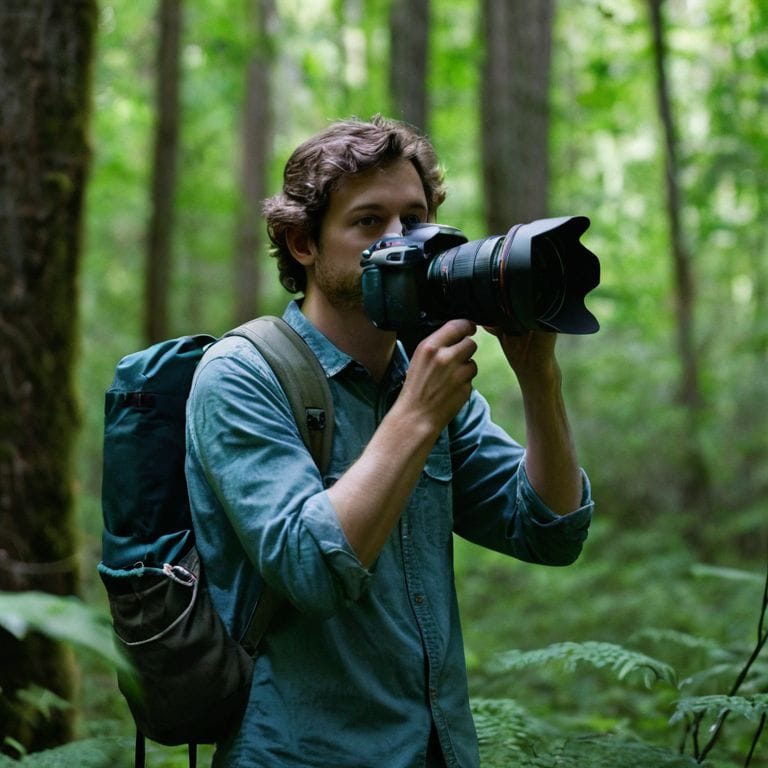
As a documentary filmmaker, I’ve learned that having the right tools can make all the difference in capturing the story you want to tell. When it comes to best camera for indie films, I always recommend considering the sensor size and lens compatibility. A good lens kit for documentary filmmaking can provide the flexibility you need to get the shots you want. For example, a versatile zoom lens can help you capture a wide range of scenes without having to switch lenses constantly.
In addition to the camera and lens, portable lighting is also crucial for achieving the desired mood and atmosphere in your film. As a beginner, you don’t need to break the bank on expensive lighting equipment – there are many budget friendly filmmaking gear options available that can help you get started. I’ve found that even simple lighting setups can make a big difference in the overall look and feel of your film.
When it comes to capturing high-quality audio, an external microphone for dslr is a must-have. I’ve worked on projects where the sound design was 50% of the film, and it made all the difference in drawing the audience into the story. By investing in a good external microphone, you can ensure that your dialogue and sound effects are crisp and clear, which will elevate your film to the next level.
Lens Kits Portable Lighting and External Mics on a Budget
Now that we’ve covered the basics of cameras, let’s talk about the accessories that will take your filmmaking to the next level. I’m obsessed with vintage cinema lenses, but I know they can be pricey. For beginners, investing in a versatile lens kit can be a game-changer. Look for one that includes a mix of wide-angle and telephoto lenses to give you flexibility in your shots. When it comes to lighting, you don’t need to break the bank on a full lighting rig. Portable lighting options like LED panels or natural light can be just as effective. And don’t even get me started on the importance of good sound – a decent external mic can make all the difference in the quality of your film.
Unpacking the Best Camera for Indie Films and Documentaries
When it comes to indie films and documentaries, the right camera can make all the difference. I’ve worked with a range of cameras, from the Canon C300 to the Sony FS7, and each has its unique strengths. For beginners, I recommend starting with a versatile camera like the Panasonic Lumix GH5 or the Blackmagic Design URSA Mini Pro. These cameras offer excellent image quality, durability, and a range of lens options.
What I love about these cameras is their ability to capture stunning footage in a variety of lighting conditions. Plus, they’re relatively affordable and easy to use, making them perfect for indie filmmakers and documentarians on a budget. By investing in a reliable camera, you’ll be free to focus on the creative aspects of your project, rather than worrying about technical issues.
Bringing Your Vision to Life: 5 Essential Tips for Beginner Filmmakers
- Start with a solid foundation: invest in a camera body that fits your budget and meets your needs, whether you’re shooting indie films or documentaries
- Lighting is everything: don’t underestimate the power of proper lighting, and consider investing in a portable lighting kit to take your footage to the next level
- Sound matters: external microphones can make or break the audio quality of your film, so don’t be afraid to experiment with different options to find the best fit
- Lenses are the eyes of your camera: experiment with different lens kits to find the one that brings your unique perspective to life, and don’t be afraid to get creative with vintage or specialty lenses
- Stabilization is key: whether you’re using a handheld stabilizer or a tripod, make sure you have the right tools to keep your footage smooth and steady, and take your film from amateur to pro
Key Takeaways for Beginner Filmmakers
Investing in a few essential pieces of camera gear, such as a versatile lens kit and reliable external microphone, can significantly elevate the quality of your indie films and documentaries
Understanding how to effectively utilize portable lighting and sound design techniques can make a substantial difference in capturing high-quality footage, even on a limited budget
By focusing on the fundamentals of camera gear and developing a keen eye for storytelling, beginner filmmakers can set themselves up for success and create compelling, emotionally resonant films that engage and inspire their audiences
Shaping Your Vision
The right camera gear is not just about capturing life, it’s about revealing the story that’s hidden within every frame – and that’s where the magic of filmmaking truly begins.
Maya Jenson
Bringing Your Vision to Life
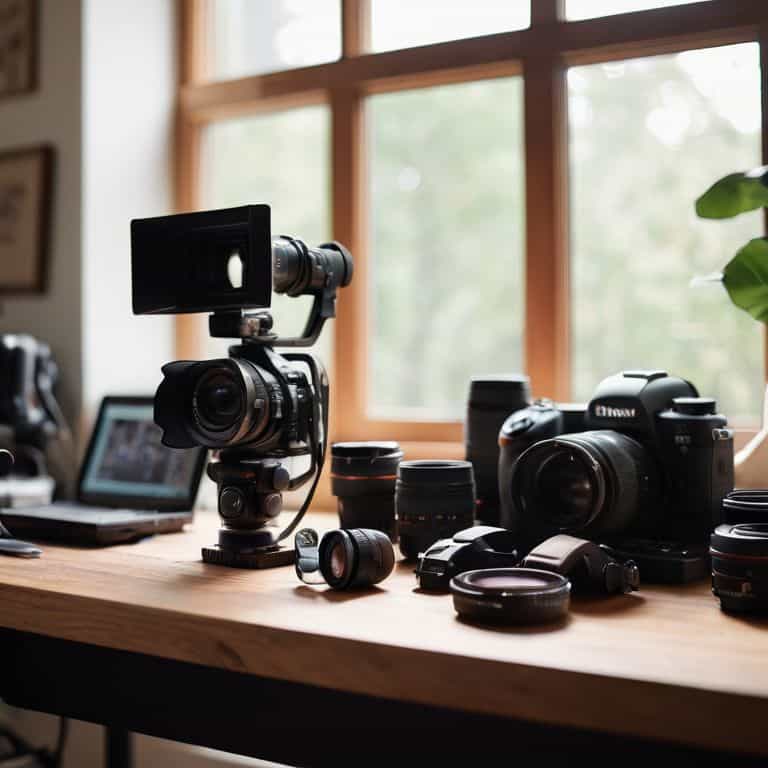
As we’ve explored the world of essential camera gear for beginner filmmakers, it’s clear that the right tools can make all the difference in bringing your unique vision to life. From the best camera for indie films and documentaries to lens kits, portable lighting, and external mics on a budget, we’ve covered the key components to get you started. Remember, investing in quality gear is crucial for producing high-quality footage that will elevate your storytelling. By understanding the importance of each piece of equipment and how they work together, you’ll be well on your way to creating captivating films that resonate with your audience.
As you embark on your filmmaking journey, keep in mind that the true magic happens in the editing room. It’s where you’ll weave your footage into a compelling narrative, using sound design and color grading to evoke emotions and create a lasting impact. Don’t be afraid to experiment, take risks, and push the boundaries of what’s possible. With dedication, passion, and the right gear, you’ll be able to craft stories that inspire, educate, and entertain – and that’s the greatest reward of all.
Frequently Asked Questions
What are the most important factors to consider when choosing a camera for indie films and documentaries on a limited budget?
For indie films and docs on a budget, I consider sensor size, low-light performance, and durability when choosing a camera. Look for something with a good balance of image quality and affordability, like a mirrorless or DSLR. Don’t forget to factor in lens costs and compatibility!
How can I effectively use portable lighting and external mics to improve the production value of my films without breaking the bank?
To elevate your film’s production value without overspending, consider investing in a basic portable lighting kit and a decent external mic. I swear by my trusty lavalier mic and a simple LED panel light – they’ve been total game-changers for my documentary shoots, adding depth and clarity to my interviews and scenes.
Are there any specific lens kits or accessories that are essential for achieving a cinematic look in my films as a beginner filmmaker?
For a cinematic look, I swear by vintage lens kits – they add a unique character to your footage. As a beginner, consider investing in a basic prime lens kit, like a 50mm or 35mm, and experiment with adapters for a distinct aesthetic.