The 7 Essential Leatherworking Tools for Beginners
As I sit in my workshop, surrounded by the smell of freshly cut leather and the sound of my tools at work, I’m reminded of the journey that brought me here. For those just starting out, the world of leatherworking can seem daunting, especially when it comes to gathering the essential leatherworking tools for beginners. The question that always comes to mind is: where do I start? With so many options available, it’s easy to get lost in the sea of possibilities. But, as someone who’s been in your shoes, I can tell you that having the right tools is just the beginning of a beautiful story.
In the following list, I promise to guide you through the top 7 must-have tools that will help you unlock your creative potential. You’ll learn how to choose the best tools for your projects, from cutting and shaping to stitching and finishing. By the end of this journey, you’ll be equipped with the knowledge to bring your leatherworking ideas to life. Whether you’re looking to create a simple wallet or a complex piece of furniture, these essential tools will be your foundation. So, let’s get started and discover the world of leatherworking together, one tool at a time.
Table of Contents
Cutting Edge
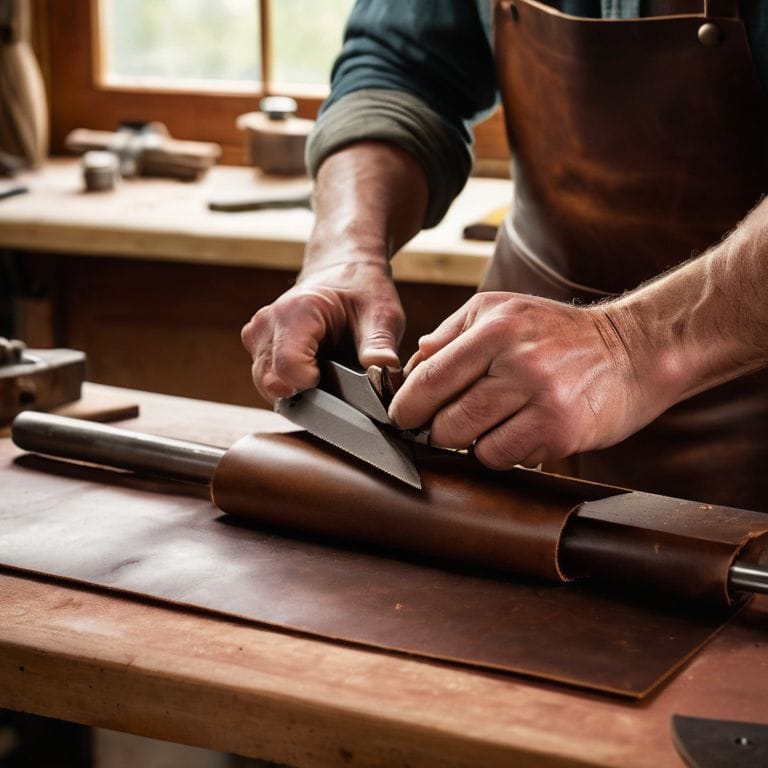
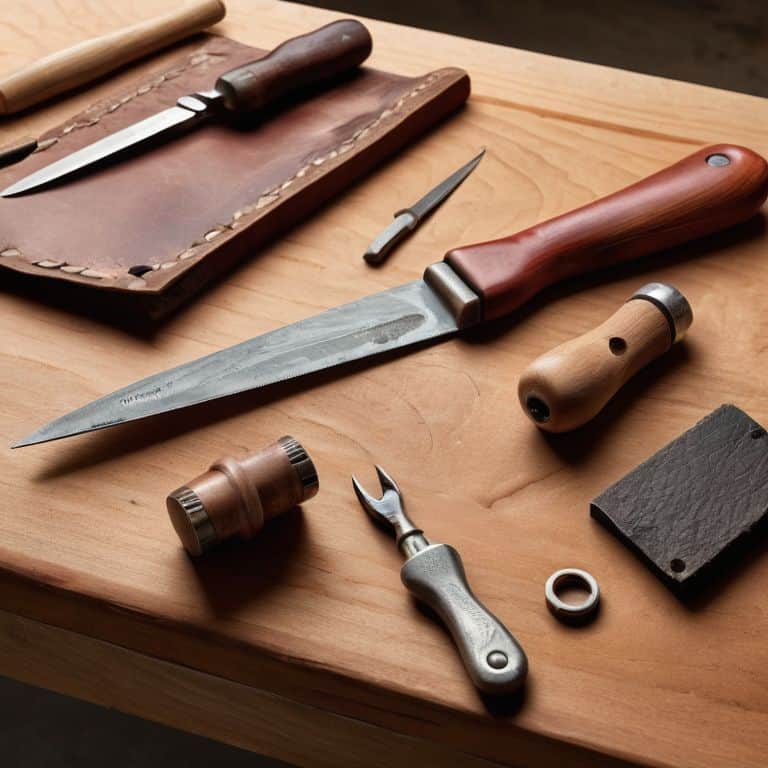
When it comes to leatherworking, having the right tools to cut your leather is essential. I always start by investing in a good quality leather cutter, as it will make all the difference in the precision and cleanliness of your cuts. A good leather cutter is not just about cutting leather, it’s about creating a foundation for your entire project. Whether you’re working on a small wallet or a large bag, the cutter is the first point of contact between you and the material, setting the tone for the rest of your work.
Cutting Edge
As I delve deeper into the world of leather cutting, I find myself appreciating the nuances of different cutting tools. From swivel knives to head knives, each tool has its unique characteristics and uses. For instance, a swivel knife is perfect for cutting curves and intricate designs, while a head knife is better suited for straight cuts and heavy-duty work. Understanding the strengths and weaknesses of each tool is crucial in mastering the art of leather cutting and bringing your projects to life.
Shaping the Story
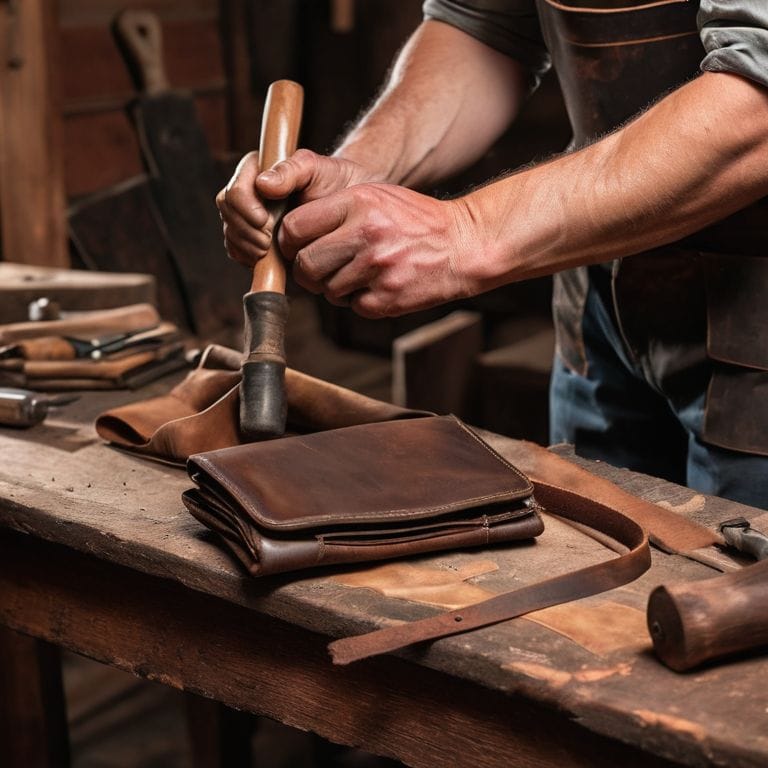
Leather mallets and hammers are the unsung heroes of leatherworking. They help shape and mold the leather into the desired form, whether it’s a sleek wallet or a sturdy belt. I use my mallet to gently coax the leather into place, creating a sense of harmony between the different components of the project. The sound of the mallet hitting the leather is almost therapeutic, a reminder that I’m not just crafting an object, but telling a story through the materials and techniques I use.
Shaping the Story
As I work with leather, I’ve come to realize that the mallet and hammer are not just tools, but extensions of my own hands. They allow me to connect with the material on a deeper level, to feel the texture and flexibility of the leather. By using these tools, I’m able to infuse the leather with my own energy and intention, creating a piece that is not just functional, but also meaningful and personal. The mallet and hammer are the bridges between my imagination and the physical world, helping me to bring my vision to life.
Measuring Up
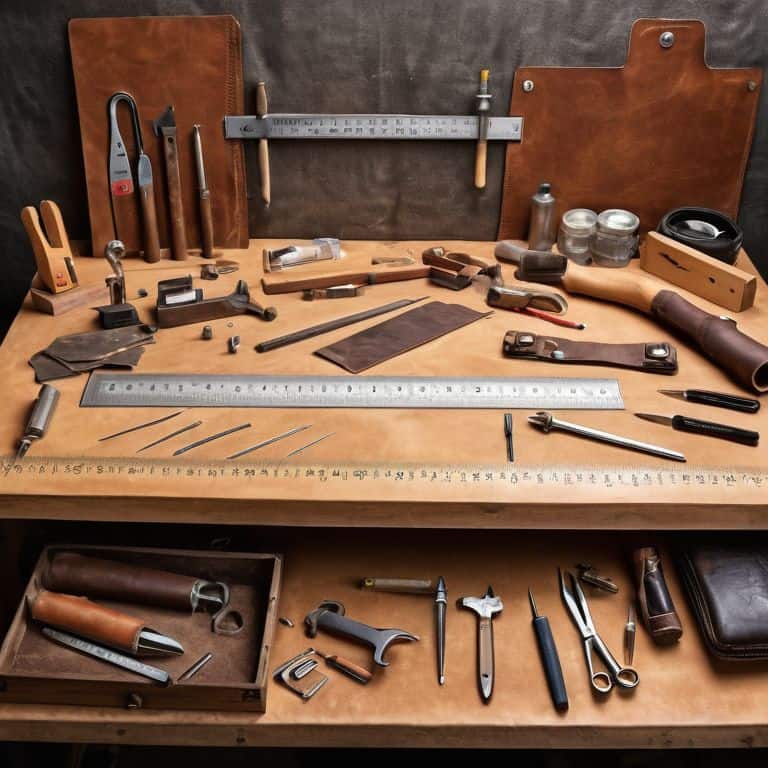
Measuring and marking tools are the backbone of any leatherworking project. They help me ensure accuracy and precision, allowing me to cut and shape the leather with confidence. I use a combination of rulers, calipers, and marking gauges to measure and mark my leather, taking care to double-check my measurements before making any cuts. This attention to detail is crucial in leatherworking, as small mistakes can add up quickly and affect the overall quality of the final product.
Measuring Up
As I measure and mark my leather, I’m reminded of the importance of patience in the leatherworking process. It’s easy to get caught up in the excitement of creating something new, but taking the time to measure and mark carefully is essential to achieving professional-looking results. I’ve learned to slow down and focus on this step, savoring the process and enjoying the feeling of working with my hands. By doing so, I’m able to create pieces that are not just functional, but also beautiful and meaningful.
Finishing Touches
The final stage of any leatherworking project is the finishing process, where I add the final touches to the piece. This can include applying a finish, adding hardware, or simply inspecting the piece for any imperfections. I take great care in this stage, as it’s the last chance to make any adjustments before the piece is complete. By paying attention to the small details, I’m able to elevate the entire project, creating a piece that is not just well-made, but also visually stunning.
Finishing Touches
As I apply the finish to my leather project, I’m reminded of the journey that has brought me to this point. From cutting and shaping the leather to measuring and marking, each step has been a deliberate and intentional process. The finish is the culmination of all these steps, the final flourish that brings the piece to life. I take pride in knowing that I’ve created something with my own hands, something that will be used and enjoyed by others for years to come. The feeling of creating something meaningful is what drives me to continue exploring the world of leatherworking, and I’m excited to see where this journey will take me next.
Key Takeaways for Beginner Leatherworkers
Remember, the right tools are not just about functionality, but also about the story they help you tell through your craft – choose them with intention and care
Start small, but don’t be afraid to experiment and add new tools to your collection as you grow in your leatherworking journey – it’s a path of discovery
Most importantly, don’t overlook the beauty of imperfection in your handmade pieces – those unique marks and textures are what make your creations truly special and tell a part of your story
Tools of the Heart
The right tools are not just extensions of our hands, but keys to unlocking the stories we tell through the leather we shape, the stitches we sew, and the imperfections we cherish.
Finn Rivera
Embracing the Craft
As we conclude our journey through the essential leatherworking tools for beginners, it’s clear that each item on our list plays a vital role in bringing your creative vision to life. From the precision of a swivel knife to the versatility of a leather mallet, every tool is an extension of your hands, a means to shape and mold the leather into something truly unique. Remember, the beauty of leatherworking lies not just in the end product, but in the process itself – the moments of trial and error, the satisfaction of seeing your project take form, and the stories that each imperfection tells.
Now, as you embark on your own leatherworking journey, I encourage you to slow down and savor the process. Don’t be afraid to make mistakes or try new things – it’s often in these moments of uncertainty that we discover our most innovative and meaningful creations. With these essential tools by your side, you’re not just crafting leather goods – you’re crafting a piece of yourself, a testament to the power of human creativity and the beauty of the handmade. So, let the journey begin, and may your hands be guided by passion, patience, and a deep appreciation for the craft.
Frequently Asked Questions
What are the most critical tools to invest in as a beginner leatherworker?
As a beginner leatherworker, I always recommend starting with the basics: a good cutting mat, a sturdy utility knife, and a reliable edge beveler. These three tools will be your foundation for cutting, shaping, and refining your leather projects. Invest in these essentials and you’ll be well on your way to crafting beautiful, functional pieces that tell a story.
How do I properly care for and maintain my leatherworking tools to ensure they last?
To keep your leatherworking tools in top shape, I recommend regular cleaning and conditioning. For metal tools, a soft cloth and gentle oil will do the trick, while wooden handles can be treated with a natural wax. Store them in a dry place, away from direct sunlight, and you’ll be passing them down to the next generation of makers.
Are there any alternative or DIY options for creating my own leatherworking tools on a budget?
For those on a budget, I’m a big fan of repurposing or DIY-ing your own tools. You can create a makeshift leather stamp from an old hammer and some metal letters, or even craft your own leather edge beveler from a piece of scrap wood and a metal file. Get creative and experiment – it’s all part of the storytelling process!