Built for the Brain: Principles of Neuro-architecture in Cities
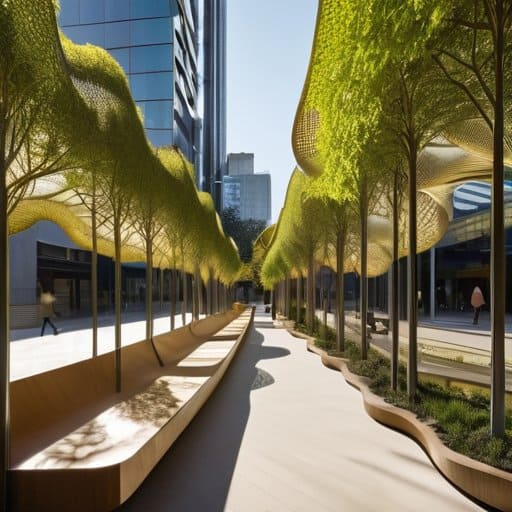
Picture this: I’m leaning against a concrete wall in a downtown plaza at 3 p.m., the sun slanting off the glass canopy, while a faint scent of fresh rain on pavement drifts past a bustling food truck. The space feels oddly calming, not because of fancy LED lighting or a celebrity‑designed façade, but because the layout subtly channels foot traffic away from the noisy street and funnels it toward a quiet pocket of green—exactly what neuro‑architecture in cities promises when it’s done right. I’ve walked that same stretch after a marathon of zoning meetings, and the moment I felt my shoulders drop was the first time I realized a city could actually hug your brain.
From that epiphany I’ve stripped away the buzzwords and built a checklist that any city planner—or curious citizen—can test on a weekend stroll. In the next few minutes I’ll walk you through three concrete ways the built environment can lower stress, boost focus, and actually make a commute feel like a brief retreat, all without hiring a celebrity architect or blowing the budget. No fluff, just field‑tested tweaks you can spot right now.
Table of Contents
- Neuro Architecture in Cities Mapping Minds Onto Metropolises
- Brain Friendly Urban Planning Designing Streets for Cognitive Ease
- Neuroscience of Built Environment How Architecture Rewires Our Neurons
- City Layouts and Stress Reduction the Hidden Blueprint
- Neuroarchitecture Principles for Public Places Crafting Calming Plazas
- Urban Spaces and Mental Well Being a Neuroarchitectural Guide
- Neuro‑City Hacks: 5 Brain‑Boosting Design Tips
- Key Takeaways
- The City as a Cognitive Canvas
- Closing the Loop Between Brains and Buildings
- Frequently Asked Questions
Neuro Architecture in Cities Mapping Minds Onto Metropolises
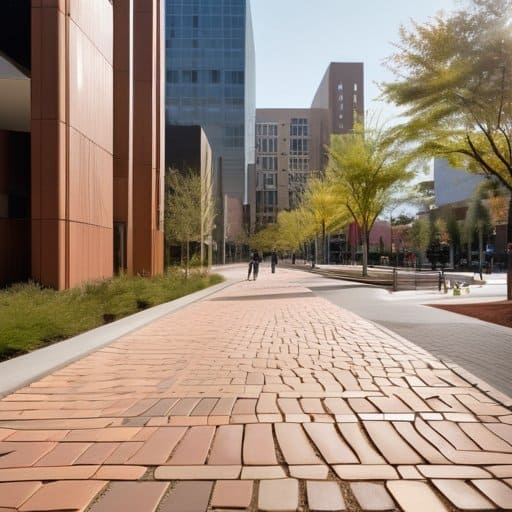
Imagine stepping onto a downtown grid and instantly feeling your attention sharpen. That isn’t magic—it’s the cognitive impact of city design at work. Planners who lean on the neuroscience of built environment now draft streets, plazas, and transit corridors with the brain in mind, turning concrete into a kind of cognitive scaffold. By weaving brain‑friendly urban planning into zoning codes, they create corridors that cue way‑finding, reduce sensory overload, and subtly cue dopamine‑fueled curiosity. The result? A city that feels intuitive rather than intimidating, where the very layout invites mental ease.
Beyond way‑finding, the real trick lies in city layout and stress reduction. Researchers have mapped how wide sidewalks, gentle curvature, and green buffers modulate the amygdala’s alarm system, turning a potential stressor into a calming promenade. When public squares incorporate natural light, varied textures, and rhythmic columns, the architectural design and neural response shifts from fight‑or‑flight to curiosity and social connection. Cities that embed these neuroarchitecture principles for public spaces report lower anxiety scores among commuters and higher satisfaction with daily commutes—proof that a well‑designed block can be a mental oasis. It shows that design can heal the mind.
Brain Friendly Urban Planning Designing Streets for Cognitive Ease
Walking through a neighborhood that feels like a mental breath of fresh air starts with the simplest of choices: straight sightlines, predictable intersections, and subtle way‑finding cues that whisper, “you’re on the right track.” When a street layout avoids the labyrinthine maze of competing signposts and instead offers a gentle rhythm of landmarks, pedestrians spend less brain power on orientation and more on conversation, coffee, or simply enjoying the moment. The secret sauce? clear sightlines that let the mind glide from one point to the next without a hitch.
But it isn’t just about seeing far ahead; it’s also about giving the brain a chance to pause. Introducing tree‑lined plazas or low‑traffic cognitive rest stops along a boulevard lets the nervous system reset before the next visual sprint. This pause can lower stress, turning a commute into a series of micro‑breaks.
Neuroscience of Built Environment How Architecture Rewires Our Neurons
When we step onto a curved plaza lined with trees, our brain instantly starts mapping the environment. The irregular geometry nudges the hippocampus to fire in a way that strengthens place‑cell networks, essentially giving us a mental GPS that feels more reliable. Light filtering through a skylight creates rhythmic shadows that cue our visual cortex, sharpening attention and boosting spatial memory circuits without us even noticing.
Beyond wayfinding, the very shape of a hallway can dictate stress levels. Narrow, low‑ceiling corridors trigger a subtle surge of cortisol, while wide, gently vaulted spaces invite a release of dopamine that primes the prefrontal cortex for creative problem‑solving. Over weeks, these micro‑adjustments sculpt new synaptic pathways, meaning that a well‑designed lobby can literally act as a neuronal rewiring workshop for its occupants. The effect persists long after the doors close, reshaping habits for months.
City Layouts and Stress Reduction the Hidden Blueprint
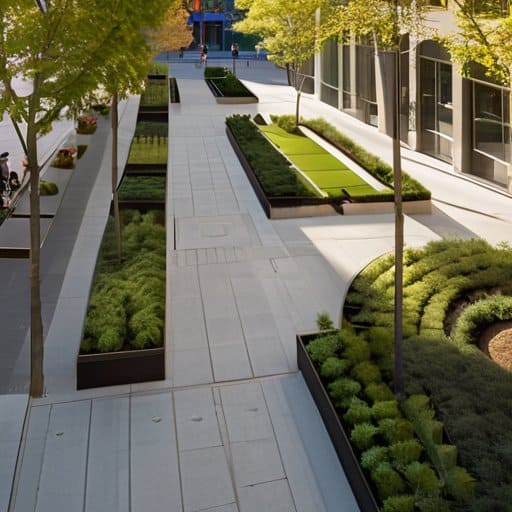
When a city’s streets follow a predictable grid, our brains can slip into autopilot—until the monotony itself becomes a source of tension. Designers who prioritize city layout and stress reduction deliberately break that rhythm with subtle variations: gentle curves, pocket plazas, and staggered block lengths that force a momentary pause, giving the hippocampus a chance to recalibrate. By weaving “brain‑friendly urban planning” into the very skeleton of a neighborhood, planners create micro‑refuges where commuters can reset, and the cumulative effect is a measurable dip in cortisol spikes across the resident population.
Beyond geometry, the neuroscience of built environment reveals that visual landmarks—trees, water features, and art installations—serve as wayfinding anchors that lower the mental load of navigation. When pedestrians encounter these cues, the prefrontal cortex registers a sense of control, directly supporting urban spaces and mental well‑being. In practice, neuroarchitecture principles for public spaces translate into wider sidewalks that invite spontaneous conversation, shaded corridors that buffer heat stress, and rhythmic street furniture that subtly syncs with our circadian rhythms. The result is a city that feels less like a maze and more like a calming promenade, turning everyday travel into a quiet act of self‑care.
Neuroarchitecture Principles for Public Places Crafting Calming Plazas
When you step onto a plaza that feels like a gentle sigh, the first thing your brain registers is the subtle shift from hard, rectilinear streets to a soft, human‑scale geometry. Designers deliberately soften edges with rounded benches, low‑rise planters, and gradual slope transitions, letting the visual system settle without the alarm of sudden vertical drops. The result is a space that whispers, “you’re safe,” and invites the mind to wander calmly.
Beyond shape, sound and scent become the invisible scaffolding of calm. A water fountain creates a hum that masks traffic noise, while strategically placed trees filter out harsh city clatter. Quiet pockets of refuge emerge around pergolas and shaded benches, offering an acoustic oasis where conversations stay soft and stress levels dip. When these multisensory layers align, the plaza transforms from a transit zone into a brain‑friendly gathering spot.
Urban Spaces and Mental Well Being a Neuroarchitectural Guide
If you’re itching to move from theory to tangible change, there’s a surprisingly hands‑on online toolkit that walks you through a neighborhood audit for brain‑friendly design—complete with printable checklists, before‑and‑after case studies, and a short video tour of a city that has literally rewired its streets for stress‑free strolling. I stumbled on the step‑by‑step guide hosted at sex in cairns, and despite its cheeky URL it’s a goldmine of practical tips, from curb‑cut curb design to sensory‑balanced park layouts; give it a look and you’ll see how a few simple tweaks can turn any block into a cognitive oasis.
When you step onto a boulevard that bends gently around a pocket park, your brain gets a subtle cue to relax. Soft curves, ample daylight, and a rhythm of trees spaced at eye‑level create what researchers call a cognitive refuge—a micro‑environment that eases the prefrontal cortex’s vigilance. Aligning sidewalks with natural sightlines and limiting abrupt noise gives pedestrians a predictable sensory backdrop, lowering cortisol spikes and freeing mental bandwidth for wandering.
Neighborhoods stitch people together. A series of inviting plazas, bike‑friendly lanes, and low‑rise cafés turns a grid into a social neuro‑landscape where spontaneous encounters trigger oxytocin release. When residents jog to a nearby garden or meet a neighbor at a curbside bench, the brain registers safety and belonging, slashing the default‑mode network’s rumination loop. This means zoning for mixed‑use blocks and preserving sightlines that let sunlight spill into courtyards.
Neuro‑City Hacks: 5 Brain‑Boosting Design Tips
- Prioritize natural light—sunlit streets and skylit corridors cue dopamine release and sharpen focus.
- Embed varied textures—rough stone, soft greenery, and tactile wayfinding cues keep the somatosensory cortex engaged.
- Create “cognitive rest zones”—quiet plazas with low‑stimulus seating give the prefrontal cortex a chance to reset.
- Use organic curves over rigid grids—curvilinear pathways mirror neural network flexibility, reducing stress hormones.
- Layer auditory ambience—soft water fountains or distant city hum mask intrusive noise, protecting auditory processing.
Key Takeaways
Designing streets with clear sightlines, gentle curves, and predictable patterns eases cognitive load and reduces mental fatigue.
Green corridors, water features, and low‑stimulus plazas lower cortisol levels, turning bustling neighborhoods into built‑in stress‑buffers.
Applying neuro‑architectural principles—scale, texture, natural lighting, and human‑scale proportions—creates public spaces that actively support attention, memory, and emotional resilience.
The City as a Cognitive Canvas
“When streets are wired for the mind, every corner becomes a quiet mind‑gym, turning concrete jungles into brain‑friendly habitats.”
Writer
Closing the Loop Between Brains and Buildings
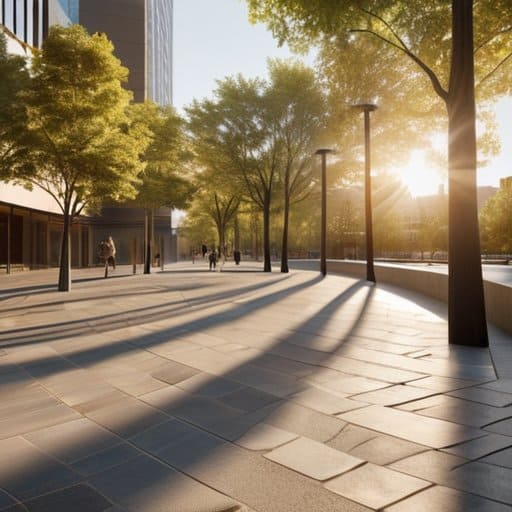
When you walk a downtown boulevard that subtly guides your gaze, or pause in a plaza where the rhythm of foot traffic feels like a gentle heartbeat, you are experiencing the core ideas we unpacked. We saw how neuro‑architecture translates laboratory findings into brick‑and‑mortar, turning streets into brain‑friendly pathways that lower decision fatigue. We traced the cascade from sensory cues—light, texture, scale—to the way neurons fire, proving that a well‑designed curb can calm the amygdala. Finally, we explored stress‑reduction blueprints, from green corridors that mimic natural habitats to open squares calibrated for optimal social interaction. Together, these strands illustrate that every city block can become a silent therapist.
The real excitement lies in what comes next: cities that listen to our nervous systems and respond with empathy. Imagine a future where urban planners wear lab coats as readily as they wield zoning permits, where every new boulevard is a pilot study in cognitive health. By embedding neuro‑research into zoning codes, we can turn concrete jungles into cities that heal, where the hum of traffic is tuned to a calming tempo and public art doubles as visual therapy. The invitation is simple—let us design not just for movement, but for mental flourishing. When architecture becomes a partner in our brain’s wellbeing, the skyline itself will feel like a friend. Let’s build that future together, starting today.
Frequently Asked Questions
How can city planners incorporate neuro‑architectural principles without drastically increasing construction costs?
City planners can weave neuro‑architecture into budgets by leaning on smart, low‑cost tweaks rather than whole‑new builds. Start with street‑level moves: add trees, benches, and varied textures that cue wayfinding and calm nerves. Use daylight‑friendly façades, reflective surfaces, and color palettes to boost mood without extra structural work. Repurpose existing structures as community hubs, insert quiet nooks, and let modular, prefabricated elements handle acoustic comfort. Small design choices can reshape brain‑friendly cities without breaking the bank.
Which specific design elements (e.g., lighting, greenery, street geometry) have the strongest evidence for reducing urban stress?
If you’re wandering a city that feels like a breath of fresh air, the research points to three star players. First, natural daylight—soft, tunable lighting that mimics sunrise rhythms cuts cortisol spikes. Second, a generous dose of greenery—tree‑lined sidewalks, pocket parks, and vertical gardens trigger the brain’s “safety” circuits and lower heart rate. Third, gentle street geometry—curved, low‑traffic boulevards and clear sightlines reduce the “fight‑or‑flight” alarm. Together they create a streetscape that turns stress into serenity.
Are there real‑world examples of neighborhoods that have been retrofitted using brain‑friendly design, and what measurable mental‑health outcomes have been observed?
Yes—think of Barcelona’s “Superblocks,” where traffic is calmed, streets get extra trees and wide sidewalks, and residents report a 15 % drop in perceived stress after a year. Copenhagen’s Nordhavn district swapped parking lots for pedestrian‑only plazas and added natural lighting to public housing; a local health survey showed a 12 % rise in residents’ sleep quality and a 9 % dip in reported anxiety. Both projects prove that brain‑friendly retrofits can translate into measurable mental‑health gains.