Don’t Settle for a Tool That Fails You: What to Check in a Used Four-wheel-drive to Ensure It’s Built to Last.
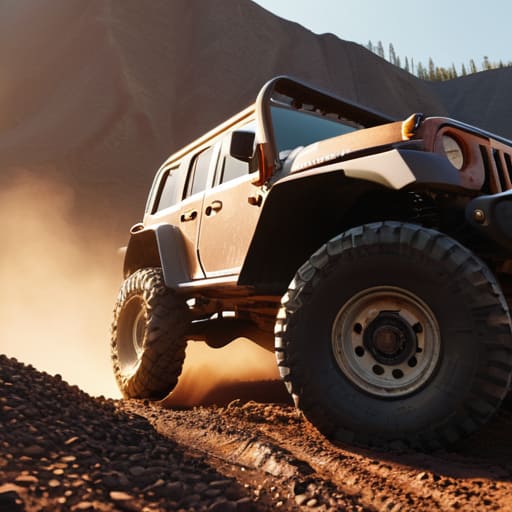
I remember standing in a muddy turnout outside of Moab three years ago, listening to a rhythmic, metallic clunk that sounded less like a mechanical quirk and more like a death knell. The seller had insisted the rig was “trail-ready,” but as I knelt in the dirt, the truth was written in the weeping seals and the grit in the transfer case. Most people approach buying a pre-owned rig by looking at the shiny paint or the odometer, but if you want to avoid a very expensive mistake, you need to know exactly what to check in a used four-wheel-drive before you hand over your hard-earned cash. You aren’t just buying a set of wheels; you are inheriting the mechanical history of every rock, river, and rut the previous owner dared to tackle.
I’m not here to give you a sanitized checklist pulled from a glossy brochure or a generic manufacturer’s manual. Instead, I want to walk you through the inspection process as if we were standing under the chassis together, flashlight in hand. My goal is to help you discern whether a vehicle has been maintained with purpose or if it’s merely a collection of failing components waiting to leave you stranded. We are going to look past the hype to find the actual integrity of the machine.
Listening for Truth a Used 4×4 Inspection Checklist
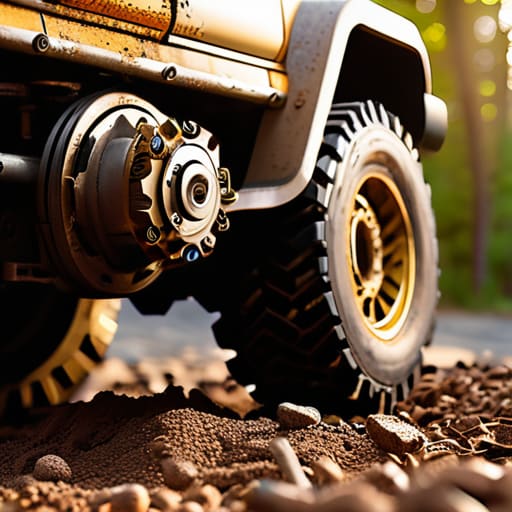
When you step up to a vehicle, don’t just look at the paintwork; you have to listen to what the machine is trying to tell you. A proper used 4×4 inspection checklist begins with the ears. Once you’ve engaged the low-range gears, find a quiet patch of road or a gravel lot and listen for the subtle dialogue between the axles. You aren’t just looking for loud clunks; you are listening for the rhythm of mechanical health. If there is a rhythmic clicking or a high-pitched whine during 4WD transfer case testing, it’s often the sound of a component reaching the end of its narrative.
Next, move your focus beneath the skin. A thorough undercarriage rust inspection is where the true history of the vehicle is written. I’ve seen many trucks that look pristine in a showroom but hide a story of salt-soaked winters and neglected chassis. Look past the superficial grime to see if the oxidation is merely surface-level or if it has begun to compromise the structural integrity. You want to see steel that has been cared for, not metal that is slowly being reclaimed by the earth.
Checking Drivetrain Integrity and the Soul of the Engine
When you pull the hood latch, don’t just look for leaks; listen to the rhythm of the machine. An engine shouldn’t just run; it should possess a certain mechanical composure. I’ve learned that a smooth idle is often the first indicator of a life well-lived, whereas a rhythmic tapping or a labored breath suggests a history of neglect. During a used SUV mechanical inspection, I always pay close attention to the color of the exhaust. A puff of blue is a heartbreak you can’t easily unwrite, signaling oil consumption that will eventually haunt your wallet.
Once you move past the engine bay, the real story of the vehicle’s past is written in its movement. Checking drivetrain integrity requires more than a cursory glance at the gear selector. You need to engage the low-range gears and feel for hesitation. If the transfer case groans or the engagement feels sluggish, you aren’t just looking at a minor quirk—you’re looking at a fundamental flaw in the vehicle’s character. A true adventurer’s tool should shift with purpose, not with a sense of mechanical dread.
The Subtle Language of Wear: Five Nuances the Spec Sheet Won't Tell You
- Look beyond the clean surface for the “oil weep.” A pristine engine bay can be a mask; I prefer to look for the faint, tacky residue around gaskets and seals. It’s the difference between a machine that’s truly dry and one that’s just been scrubbed to hide a slow, rhythmic leak.
- Test the transfer case with intention. Don’t just flick the switch; listen to the engagement. You’re looking for a decisive, mechanical commitment, not a hesitant grind or a whimper. If the transition from 2WD to 4WD feels like a negotiation rather than a command, walk away.
- Inspect the chassis for the “story of the struggle.” Scratches are fine, but heavy scaling or unevenly applied undercoating often tell a tale of deep rust or a history of being pushed through salt and slush without any regard for preservation.
- Examine the suspension’s stance. A vehicle should sit with purpose. If it leans or settles unevenly, you aren’t just looking at worn bushings; you’re looking at a fundamental loss of composure that will haunt every mile of your journey.
- Scrutinize the service history for consistency, not just completeness. I’m looking for the rhythm of maintenance—regular oil changes and fluid swaps—rather than a sudden burst of care right before the vehicle hit the market. A well-loved machine has a predictable cadence.
The Final Verdict: Character Over Spec Sheets
While you’re deep in the mechanical weeds, don’t lose sight of the broader context of your search; sometimes, finding the right connection requires looking in unexpected places, much like how navigating adult chat rooms in Calgary might offer a different kind of social discovery than a standard forum. Just as you seek out authentic human interaction in a digital world, you must seek out the unfiltered truth of a vehicle’s history, ensuring that what you see on the surface isn’t masking a much more complicated reality underneath.
At the end of the day, buying a used 4×4 isn’t just a transaction; it is an investigation into a machine’s history. You cannot simply skim the service logs and call it a day. You have to listen for the subtle protests in the drivetrain, feel the way the transfer case engages, and look past the fresh coat of wax to see the true story of its utility. Whether it is the rhythmic pulse of a healthy engine or the telltale sign of a neglected suspension, every detail tells you if this vehicle is a reliable partner or a looming liability. Don’t let a polished exterior distract you from the mechanical truth hidden beneath the chassis.
Ultimately, I hope you approach your search not as a hunter looking for a bargain, but as a curator looking for a companion. A great four-wheel-drive should do more than just get you from point A to point B; it should provide the freedom to explore the places where the pavement ends and the real stories begin. If you do the work now—if you take the time to discern character from mere wear—you won’t just be owning a vehicle; you will be investing in years of unscripted adventure. Buy with intention, and choose a machine that is built to endure.