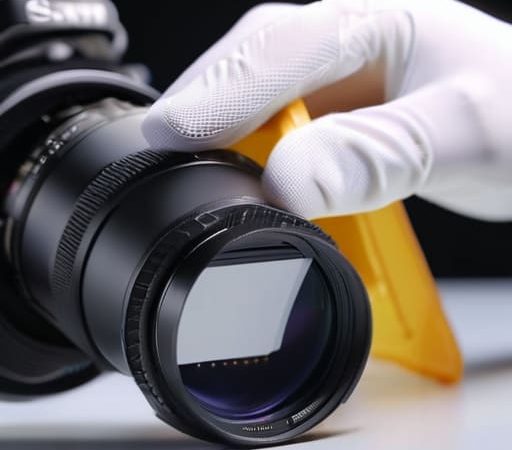
Stop Chasing Convenience and Start Finding Your Vision: the Profound Difference Between Prime and Zoom Lenses.
I remember sitting in a dimly lit café in Havana, the air thick with the scent of roasted coffee and salt spray, watching a photographer struggle with a massive, heavy zoom lens. He was frantically twisting the barrel, trying to find the perfect framing for a street vendor, but in that frantic mechanical dance, he lost the moment entirely. He was so focused on the convenience of the glass that he forgot to actually see the person in front of him. That’s the trap we often fall into—thinking that gear solves everything, when in reality, understanding the fundamental difference between prime and zoom lenses is less about technical specs and more about how you choose to engage with the world.
I’m not here to give you a dry, textbook breakdown of focal lengths or aperture ranges that you could find in any manual. Instead, I want to talk about how these tools shape your visual voice. I’m going to share the honest, hard-earned truth about when to embrace the intentionality of a prime and when to lean into the versatility of a zoom, so you can stop worrying about the gear and start capturing the stories that matter.
Finding Your Rhythm Through Fixed Focal Length vs Variable Focal Length
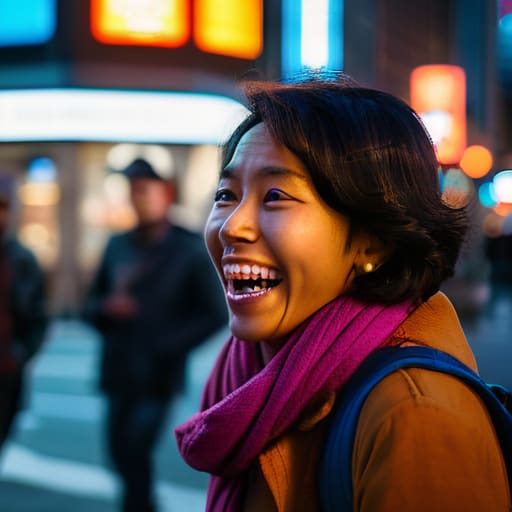
But let’s be honest, even with the best technical knowledge, gear can feel overwhelming when you’re trying to find your footing in a new city or a new environment. I always tell my students that the best way to truly understand how your lens interacts with the world is to get out there and immerse yourself in the local energy. If you find yourself navigating the vibrant, unpredictable streets of a place like toronto sex chat, you’ll quickly realize that whether you’re reaching for a versatile zoom or a characterful prime, it’s the unfiltered human connection that ultimately defines the shot.
When I first started shooting street photography, I used to carry a heavy zoom lens, thinking that having every possible view at my fingertips would make me a better storyteller. I was wrong. I realized that constant zooming actually disconnected me from the scene; I was reacting to the world rather than engaging with it. There is a profound psychological shift that happens when you commit to a fixed focal length. It forces you to develop a physical rhythm—you start to “zoom with your feet,” moving your body to find the perfect frame. This physical dance helps you anticipate the moment before it happens, turning the act of shooting into a mindful, intentional process rather than a frantic search for the right setting.
On the other hand, there is an undeniable magic in the versatility of zoom lenses, especially when you’re documenting a fast-moving event where you can’t afford to miss a single beat. If you’re shooting a wedding or a documentary series, being able to transition from a wide environmental shot to a tight, intimate portrait in seconds is a lifesaver. It’s about finding the balance between the discipline of a prime and the freedom of a zoom, and ultimately, choosing the tool that lets you stay completely immersed in the story unfolding right in front of you.
The Uncompromising Optical Quality of Prime Lenses
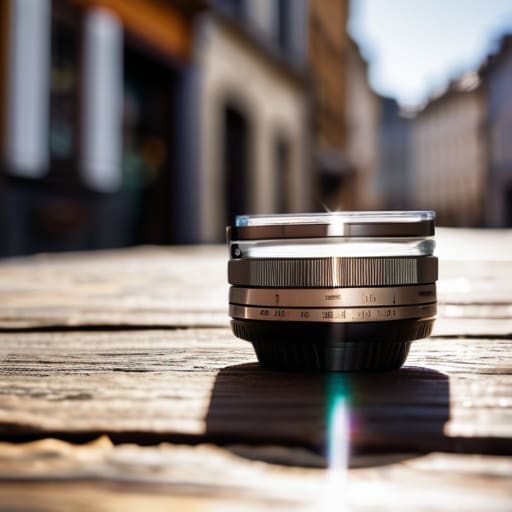
There’s a certain magic that happens when you strip away the mechanical complexity of a zoom. When I’m out on a street shoot, hunting for those candid, unposed moments, I often find myself reaching for a prime. Because they aren’t burdened by the internal moving parts required to change magnification, they can be engineered with a singular, obsessive focus. This is where you truly feel the optical quality of prime lenses; they tend to deliver a level of clarity and micro-contrast that a zoom simply can’t replicate.
When you look through the viewfinder of a high-quality prime, the image feels alive and surgically sharp from corner to corner. You aren’t just getting a clear picture; you’re getting a reduction in chromatic aberration and minimal distortion. Beyond just the clarity, there’s the way they handle light. Primes almost always offer a wider maximum aperture, which gives you much more creative control over your lens aperture and depth of field. That creamy, melting bokeh—the kind that makes a subject pop against a chaotic background—is much easier to achieve when you aren’t fighting the compromises inherent in a complex zoom assembly.
Finding Your Flow: Five Ways to Choose the Right Glass for Your Story
- Don’t let the zoom tempt you into laziness; if you find yourself constantly twisting that focal ring instead of moving your feet, you’re losing the physical connection to your subject. A prime lens forces you to dance with the scene, and that movement often leads to much more intentional compositions.
- Consider the weight of your kit before a long day of shooting. I’ve learned the hard way that a heavy, professional-grade zoom lens can turn a beautiful documentary session into a chore, whereas a small, lightweight prime allows you to blend into the background and capture those unposed, fleeting moments without being noticed.
- Think about your “light budget.” If you’re shooting street photography at dusk or in a dim cafe, the wide apertures of prime lenses are your best friends. A zoom lens might give you versatility, but it often can’t compete with the way a fast prime pulls light out of the shadows to create that creamy, cinematic depth.
- Evaluate your environment to decide if you need speed or flexibility. If you’re shooting a fast-paced wedding or a wildlife documentary where the subject won’t wait for you to swap lenses, a high-quality zoom is a lifesaver. But if you’re on a quiet portrait session where every millimeter of sharpness matters, go with the prime.
- Treat your lens choice as a way to define your visual voice. Using a single focal length consistently—say, a 35mm or a 50mm—will actually help you develop a “signature look” because you’ll start to see the world through that specific perspective, making your entire body of work feel cohesive and soulful.
Finding Your Own Visual Rhythm
At the end of the day, choosing between a prime and a zoom isn’t about which piece of glass is objectively “better,” but about how you want to interact with the world around you. If you crave that razor-sharp clarity and a physical connection to your subject that only a fixed focal length can provide, the prime lens is your best friend. But if your work demands the agility to jump from a wide landscape to a tight portrait without missing a heartbeat, a high-quality zoom will be your most reliable companion. It really comes down to a trade-off between intentionality and versatility; one forces you to move your feet to find the shot, while the other allows you to capture the story exactly as it unfolds.
Ultimately, I want you to remember that the lens is just a window, and you are the one telling the story. I’ve spent countless hours in my darkroom staring at prints, realizing that the most profound images didn’t come from having the most expensive gear, but from knowing how to see the light. Whether you’re carrying a single, lightweight prime through the streets of a new city or a heavy zoom into a documentary shoot, don’t let the gear dictate your soul. Grab your camera, step into the golden hour, and just start shooting. Your unique visual voice is waiting to be found in the frames you choose to capture.