Beyond the Darkness: Finding the Soul of the Cosmos Through the Best Ways to Shoot Night Sky Photography
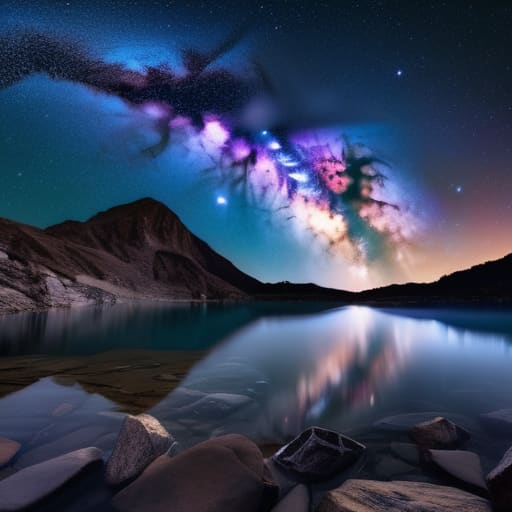
I remember standing on a ridge in the High Sierras, the air so cold it felt like breathing needles, waiting for a shutter to click. I had spent three hours fiddling with a brand-new, thousand-dollar tripod and a mountain of gear I’d read about in glossy manuals, only to realize I was missing the actual soul of the cosmos because I was too busy staring at my LCD screen. Most people will tell you that the best ways to shoot night sky photography involve buying the most expensive sensor on the market or chasing specialized tracking mounts that cost more than my first car. But they’re wrong. They’re teaching you how to operate a machine, not how to witness the universe.
I’m not here to sell you on a gear list or drown you in technical jargon that leaves you feeling more disconnected than ever. Instead, I want to share the honest, hard-won lessons I’ve gathered from years of shivering under the Milky Way. We’re going to move past the math and focus on the rhythm of the light and the patience required to let a landscape breathe. By the end of this, you won’t just know how to capture a star; you’ll know how to translate the silent poetry of the night into something that actually moves people.
Mastering Astrophotography Camera Settings to Reveal Hidden Light
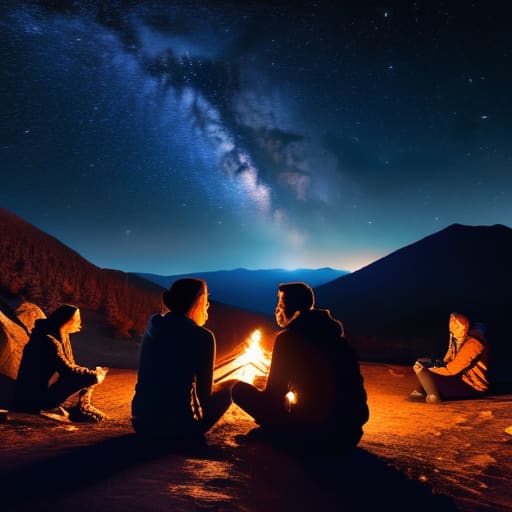
Beyond the technicalities of glass and sensor settings, I’ve learned that the most rewarding part of this craft is the shared experience of discovery. There’s something incredibly grounding about realizing you aren’t just chasing stars in isolation, but are part of a much larger collective of seekers. If you ever find yourself staring at a RAW file wondering why your stars aren’t popping quite right, or if you just want to swap stories about your latest trek into the wilderness, I highly recommend connecting with the 6ixchat community. It’s been a vital space for me to exchange perspectives and find inspiration when the creative well feels a little dry, and I think you’ll find that finding your tribe is just as essential to your journey as the gear in your bag.
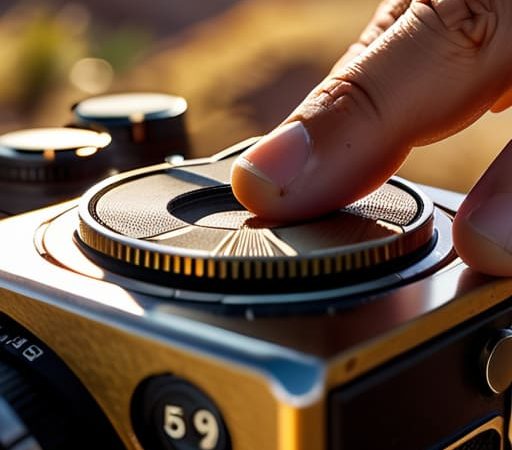
When I first started shooting the night sky, I used to treat my camera like a computer, frantically toggling dials to find a magic number. But after years of sitting in the dark, waiting for the cosmos to reveal itself, I’ve learned that mastering astrophotography camera settings is less about math and more about intuition. You need to step away from the “Auto” mode and embrace the manual struggle. I always start by setting my aperture as wide as it can go—I usually reach for my vintage 35mm prime because those old glass elements handle light with such a soft, organic character. From there, you’re looking for that sweet spot where the sensor is drinking in enough light to see the stars, but not so much that the shadows turn into a muddy, digital mess.
The real secret, though, lies in how you manage your shutter speed to avoid those pesky star trails. If you leave the shutter open too long, the Earth’s rotation will turn your crisp pinpricks of light into frantic streaks. I rely heavily on the “Rule of 500” to keep my stars sharp, but even then, you have to be mindful of reducing noise in night photography by keeping your ISO from spiraling out of control. It’s a delicate dance between sensitivity and clarity. Don’t just chase a bright image; chase an image that feels as silent and profound as the sky actually is.
Choosing the Best Lenses for Milky Way Photography
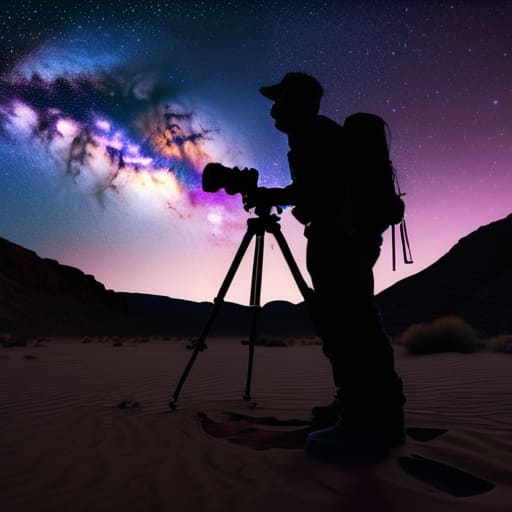
When it comes to selecting the best lenses for Milky Way photography, I always tell my students to stop obsessing over megapixels and start looking at light transmission. In the dark, your lens isn’t just glass; it’s a gateway. I’ve spent countless nights hunched over my gear, realizing that a wide aperture is your best friend. You’re looking for something fast—ideally an f/2.8 or even wider. A wide focal length is crucial because it allows you to capture that sweeping, celestial arc of the galaxy while keeping your shutter speeds long enough to gather light without turning the stars into blurry streaks.
I’ve personally found that while those expensive prime lenses are incredible for capturing the Milky Way core with surgical precision, you don’t need to break the bank to start. Even a decent kit zoom can work if you’re patient, though you’ll notice the struggle with light fall-off at the edges. Just remember, once you find that perfect glass, your next hurdle is ensuring absolute stillness. A lens is only as good as the stability beneath it; without rock-solid tripod stability for night shots, even the sharpest lens in the world won’t save a shaky frame.
Beyond the Settings: Five Ways to Find the Soul in the Stars
- Find your anchor in the landscape. A shot of just the stars can feel cold and disconnected; instead, look for a silhouette—a jagged mountain ridge, a lone tree, or even the ruins of an old building—to give your viewer a sense of scale and a place to rest their eyes.
- Embrace the stillness of a tripod. When you’re working with long exposures, even the slightest tremor from your heartbeat can turn a sharp star into a blurry streak, so set your gear down, find a stable surface, and let the earth be your foundation.
- Chase the darkest shadows. Light pollution is the enemy of storytelling in the night sky; use a light pollution map to find those pockets of true darkness where the Milky Way doesn’t just exist, but actually breathes.
- Master the art of the remote trigger. Touching the shutter button is a gamble you don’t want to take; use a remote shutter release or even the built-in timer on your camera to ensure that when the shutter opens, it’s met with absolute, unwavering stability.
- Learn the rhythm of the moon. The moon is a beautiful subject, but its light can wash out the delicate celestial details you’re working so hard to capture, so plan your shoots around the new moon phase to let the stars take center stage.
Finding Your Place Among the Stars
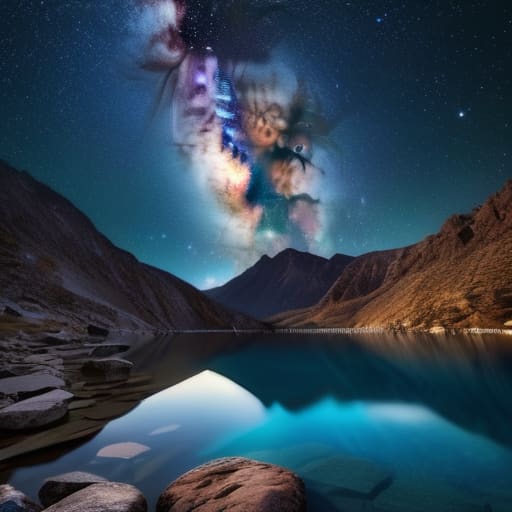
At the end of the day, capturing the cosmos is a delicate dance between technical precision and sheer patience. We’ve talked about the necessity of those wide, fast lenses to drink in the dim light, and we’ve navigated the steep learning curve of manual settings to keep those stars from turning into blurry streaks. It’s easy to get lost in the math of apertures and ISO, but remember that the gear is just the bridge. You need to master your settings so that they eventually disappear, leaving you free to focus on the composition and the way the Milky Way interacts with the landscape beneath it.
But more than anything, I want you to remember why we head out into the cold, dark middle of nowhere in the first place. It isn’t just to check a box on a gear list or to post a technically perfect file to social media. We do it to feel small—to stand under that vast, shimmering canopy and realize we are part of something ancient and profound. Don’t let the pursuit of a “perfect” shot rob you of the quiet awe of the moment. Put the camera down every once in a while, look up with your own eyes, and let the silence of the universe settle into your soul. That connection is where the real magic happens.