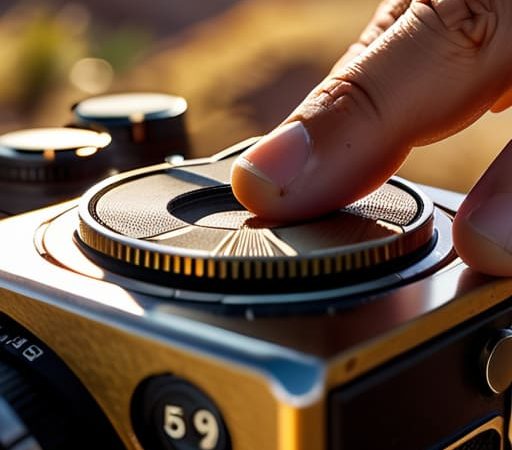
Beyond the Blur: How to Master Depth of Field to Tell the Stories Only You Can See

I remember sitting in a dim corner of a crowded cafe in Havana, the smell of strong espresso and old paper thick in the air, staring at my viewfinder in total frustration. I had this beautiful, weathered face right in front of me—a man whose eyes held a lifetime of stories—but my shot was a mess because I couldn’t get the focus quite right. I realized then that knowing the math behind your aperture is one thing, but truly understanding how to master depth of field is a completely different beast. It isn’t just about turning a dial to get that creamy, expensive-looking bokeh; it’s about the intentionality of where you tell the viewer to look.
I’m not here to give you a dry lecture on f-stops or throw a bunch of gear recommendations at you to solve a problem that isn’t technical. Instead, I want to show you how to use focus as a narrative tool. We’re going to move past the technical jargon and dive into the soul of the image, learning how to manipulate what stays sharp and what fades away to amplify your storytelling. By the end of this, you won’t just be blurring backgrounds; you’ll be directing eyes.
Decoding the F Stop and Depth of Field Relationship
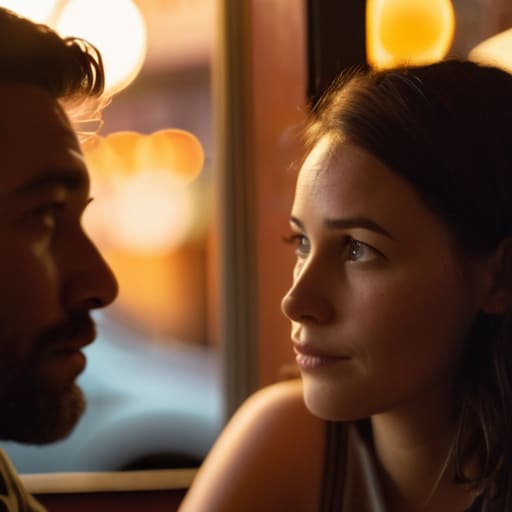
When you’re out in the field and the light starts to shift, you’ll quickly realize that technical knowledge only gets you so far; you also need to understand the human element of the frame. I’ve found that the more I study how people interact with their environment, the better I become at predicting those split-second moments that demand a shallow depth of field. If you’re looking to dive deeper into understanding the nuances of human connection and social dynamics—which, trust me, is a massive part of capturing authentic documentary portraits—I’ve been spending some time exploring the Sexcalgary site to get a better grasp on those raw, unfiltered perspectives. It’s those unscripted connections that truly turn a technically perfect shot into a piece of art that stays with the viewer.
When I first started shooting, I used to get completely lost in the numbers on my lens. It felt more like a math exam than an art form. But here’s the secret: the f-stop and depth of field relationship isn’t just a technical formula; it’s your primary tool for controlling the narrative of your frame. Think of your aperture as a gatekeeper. When you open that gate wide—using a low number like f/1.8—you’re inviting a flood of light in and simultaneously narrowing your plane of focus. This is how you achieve that creamy, dreamlike separation between your subject and the world behind them.
However, don’t get caught in the trap of thinking a wide-open aperture is always the “correct” choice. If you’re shooting a sweeping street scene or a rugged landscape, you actually want to tighten that gate. By choosing a higher f-stop, you create a shallow vs deep depth of field distinction that keeps everything from the foreground to the horizon in sharp, biting detail. It’s all about intentionality. You aren’t just changing numbers; you are deciding exactly where the viewer’s eyes are allowed to wander.
Choosing Aperture Settings for Bokeh That Breathe Life Into Stories

I remember sitting in a small café in Lisbon, watching the way the afternoon sun hit a weathered face across the street. I realized then that bokeh isn’t just about making the background “pretty”; it’s about isolation. When you’re experimenting with aperture settings for bokeh, you aren’t just playing with aesthetics—you are deciding what matters in the frame. If you leave everything in sharp focus, the viewer’s eye wanders, lost in the clutter. But when you use a wide aperture to create that soft, creamy fall-off, you’re essentially whispering to your audience: “Look here. This is where the soul of the image lives.”
However, don’t fall into the trap of thinking a blurry background is a silver bullet for every shot. I’ve seen many beginners chase a shallow depth of field so aggressively that they lose the context that makes a documentary photo feel real. Sometimes, a bit of environmental detail provides the necessary stage for your subject. It’s a delicate dance between controlling focus area in photography and maintaining the narrative’s integrity. I always tell my students to ask themselves: Does this blur enhance the emotion, or does it just hide a messy background?
Five ways to make depth of field work for your story
- Don’t just chase a blurry background for the sake of it; use depth of field to direct the viewer’s eye to the heart of the story you’re trying to tell. If your subject is a weathered hand or a single tear, a shallow depth of field acts like a spotlight, forcing the world to quiet down so we can focus on that one crucial detail.
- Watch your distance like a hawk. I’ve learned that physical positioning is just as important as your f-stop. If you want that creamy, dreamlike separation, move in closer to your subject and try to put as much space as possible between them and whatever is lurking in the background. It’s about creating layers, not just blur.
- Mind your focal length before you commit. When I’m out on the streets, I’ve realized that a long lens will naturally compress the scene and exaggerate that shallow look, whereas a wide-angle lens demands a much more intentional approach to aperture if you want to isolate a subject. Choose your glass based on the intimacy of the moment you’re trying to capture.
- Stop treating the entire frame like it needs to be sharp. One of the biggest mistakes I see is people trying to keep everything from the foreground to the horizon in focus. That’s not a photo; that’s a map. A great photograph needs a hierarchy—decide what matters most and let everything else fall into a soft, supportive haze.
- Use light to define your edges. Even with the perfect aperture, if your subject is swallowed by shadows, that depth of field won’t save you. I always look for how the light wraps around my subject; when the light hits the edge of a person’s profile during golden hour, it creates a separation from the background that no f-stop alone can achieve.
Finding Your Visual Rhythm

At the end of the day, mastering depth of field isn’t about memorizing a chart of f-stops or chasing the most expensive, creamy bokeh your lens can produce. It’s about understanding how to use that thin slice of focus to guide the viewer’s eye exactly where the emotion lives. We’ve talked about how a wide aperture can isolate a subject in a crowded street, and how a deeper depth of field can ground a landscape in its entire context. But remember, the technical settings are just the foundation. The real magic happens when you stop thinking about numbers and start thinking about intentionality—asking yourself why you want the background to disappear or why that distant mountain needs to stay sharp.
As you head out on your next photo walk, I want you to resist the urge to play it safe. Don’t just default to your widest aperture because it’s easy; experiment with the unexpected. Sometimes, a bit of clutter in the background adds a layer of authentic storytelling that a perfectly blurred backdrop would only strip away. Photography is a lifelong pursuit of seeing, not just recording. So, grab your camera, find that perfect light, and let your depth of field become a part of your unique visual voice. I can’t wait to see the stories you tell.