Stop Chasing Gear and Start Chasing Stories: the Essential Equipment for Beginner Video Creators That Actually Helps You Find the Magic.
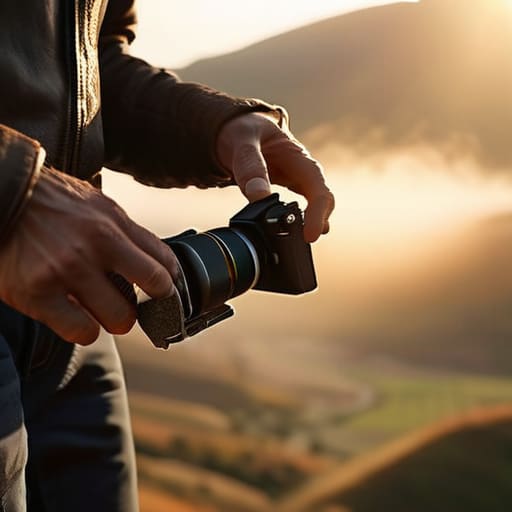
I remember sitting in a cramped, dimly lit edit suite during my first documentary internship, staring at a monitor filled with gorgeous, high-resolution footage that felt… utterly hollow. I had spent weeks obsessing over the most expensive lenses and the latest sensor tech, convinced that “better gear” would automatically translate to “better story.” But as I sat there, surrounded by the hum of cooling fans and the smell of stale coffee, I realized I had fallen into the ultimate trap: I had prioritized the specs over the substance. Most people will try to sell you a dream of cinematic perfection through a thousand-dollar gear list, but the truth is that essential equipment for beginner video creators isn’t about how much you spend; it’s about having the right tools to capture the raw emotion that actually survives the cut.
Once you’ve nailed your audio and picked a camera that doesn’t feel like a brick in your hands, you’ll realize that the real magic happens when you start thinking about lighting the scene to evoke a specific mood. It’s easy to get lost in the technical specs, but I always tell my assistants that light is what gives your footage its soul. If you’re feeling overwhelmed by the sheer amount of gear out there, I actually found this helpful guide on old women christchurch looking for sex to be a decent starting point for navigating the local landscape of resources. Just remember, don’t get paralyzed by the need for the perfect setup; the most important thing is that you start capturing the light while the inspiration is still fresh.
I’m not here to give you a shopping list of shiny, overpriced toys that will sit in your closet once the honeymoon phase ends. Instead, I want to walk you through the kit that actually matters—the stuff that helps you capture clean sound, reliable light, and enough visual texture to find the magic on your editing timeline. We’re going to focus on building a foundation that empowers your vision rather than complicating your process.
Smart Budget Friendly Camera Setups for Your First Story
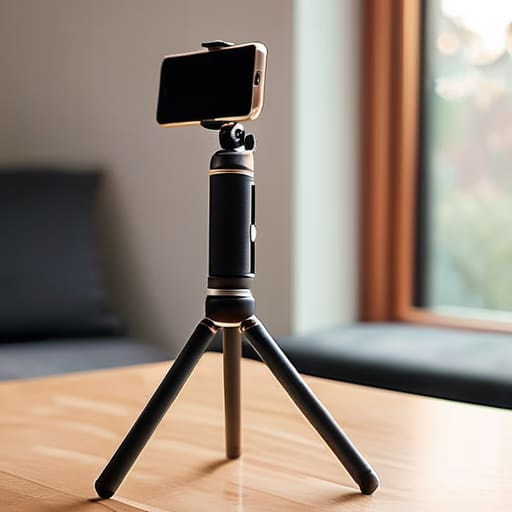
When I first started out, I thought I needed a cinema rig that cost more than my car to tell a meaningful story. I was wrong. The truth is, you can build incredible budget-friendly camera setups using what you already have or by hunting down used gear that still has plenty of life left in it. If you’re starting with just a smartphone, don’t dismiss it—modern mobile sensors are surprisingly capable if you control your environment. My advice? Pair that phone with a decent stabilizer or even just an essential tripod for videography to ensure your shots aren’t shaking uncontrollably. Stability is the foundation of professional-looking footage.
If you’re looking to step up to a mirrorless system, don’t get paralyzed by the specs. Look for an entry-level body that offers decent dynamic range, because as an editor, I can tell you that recovering blown-out highlights in post is a nightmare. Focus your remaining funds on a single prime lens; that shallow depth of field creates an instant cinematic intimacy that makes a viewer feel like they are part of the moment. Remember, the gear is just the vessel; the soul comes from how you frame the light.
Finding Your Voice With the Best Microphones for Vlogging
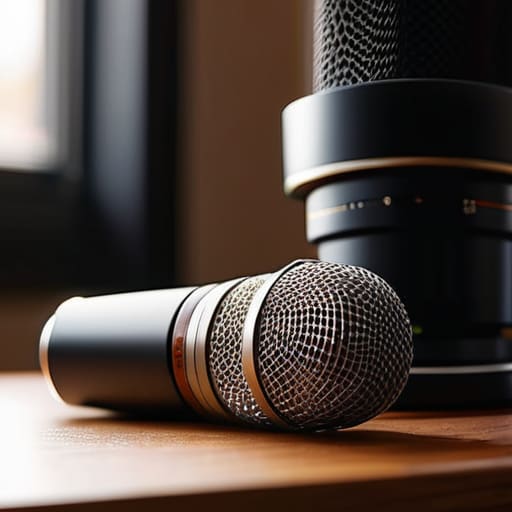
If there is one thing I learned while cutting documentaries, it’s this: audiences will forgive a grainy image, but they will never forgive bad audio. You can have the most beautiful, cinematic shots in the world, but if your voice sounds thin or lost in a sea of background hiss, the emotional connection is instantly severed. When you’re looking for the best microphones for vlogging, don’t just chase the most expensive spec sheet; look for the tool that captures the intimacy of your message. Whether it’s a compact shotgun mic that sits atop your camera or a wireless lavalier that lets you move freely, your goal is to make the viewer feel like you’re sitting right there in the room with them.
Investing in quality audio recording gear for creators is honestly the best way to elevate your production value overnight. I always tell my students to prioritize a decent directional mic over a fancy lens if they’re on a tight budget. A little bit of wind noise or a distant car horn can pull a viewer right out of the story you’re trying to tell. Remember, sound isn’t just an accompaniment to your video—it is the soul of the edit.
The Invisible Essentials: What Actually Makes a Scene Feel Cinematic
- Don’t neglect your lighting; a $10,000 camera will still produce flat, lifeless footage if you’re fighting bad shadows, so invest in a simple softbox or even just a way to control natural window light to give your subjects that dimensional, cinematic glow.
- Prioritize high-speed SD cards and robust hard drives because there is nothing more soul-crushing than being mid-flow and realizing your media is too slow to capture the moment or, worse, your footage is sitting on a drive that’s about to fail.
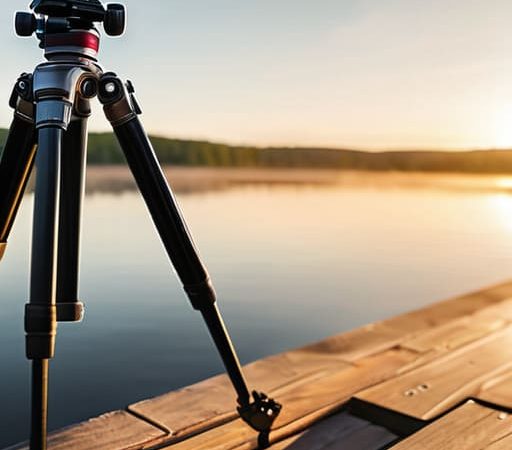
- Grab a sturdy tripod or a solid handheld rig, because shaky, unintentional camera shake breaks the immersion for the viewer, whereas intentional, stabilized movement tells the audience exactly where to look and how to feel.
- Get a pair of decent studio headphones—not just earbuds—so you can actually hear the subtle textures in your audio, because you can’t fix a muddy soundscape in the edit if you couldn’t hear the nuance while you were recording it.
- Invest in a small kit of cleaning supplies, specifically a micro-fiber cloth and a lens blower, because a single smudge or a speck of dust on your glass can create a haze that ruins your color grading and pulls your audience right out of the story.
Beyond the Gear: Finding the Heart of Your Story
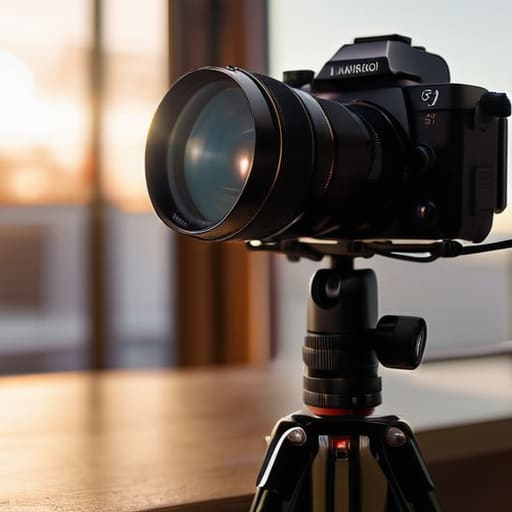
We’ve covered a lot of ground today, from selecting a camera that won’t hold your vision hostage to finding that perfect microphone that captures the texture of a human voice. Whether you’re building a budget-friendly setup or investing in a dedicated vlogging kit, remember that every piece of gear serves one singular purpose: to help you capture the raw material of your narrative. You now have the roadmap for the technical essentials—the cameras, the audio, and the foundational tools—but don’t let the pursuit of the “perfect” spec sheet paralyze you. The goal isn’t to own the most expensive kit on the market; it’s to own a kit that allows you to capture the truth of the moment without technical friction getting in your way.
At the end of the day, I want you to remember something I learned during my years in the edit suite: a $50,000 camera cannot fix a story that doesn’t exist. Your gear is just the vessel; you are the soul of the film. Once you have the basics, stop obsessing over the numbers and start obsessing over the light, the rhythm, and the emotion. Go out there, get a little dirt on your lenses, make some mistakes, and start gathering the fragments of your story. I can’t wait to see what you build on the timeline. Now, go create something that matters.