Stop Letting Shaky Cam Kill Your Story: the Best Ways to Stabilize Handheld Video Footage to Find Your Film’s Rhythm
I remember sitting in a dim edit suite at 2:00 AM, staring at a shot that was supposed to be the emotional climax of a documentary I’d spent months filming. The lighting was perfect, the subject’s expression was raw, but the footage was a jittery, nauseating mess because I’d been shooting handheld to stay mobile. I felt that sinking pit in my stomach, thinking the whole sequence was a loss. We’ve all been there—that moment of panic where you realize the best ways to stabilize handheld video footage aren’t just about buying a $2,000 gimbal that sits unused in your gear bag. Sometimes, the “perfect” shot is ruined by technical shakiness that breaks the viewer’s immersion right when they should be feeling the most.
I’m not here to sell you on expensive gear you don’t need or complex software that turns your footage into a weird, warping jelly. Instead, I want to show you how to bridge the gap between raw, shaky reality and intentional, cinematic movement. We’re going to dive into practical techniques from the field and smart workflows in post-production that actually work. Whether you’re fighting micro-jitters or heavy camera shake, I’ll help you find the rhythm that keeps your audience locked into your story.
Camera Gimbal vs Handheld Choosing Your Creative Movement
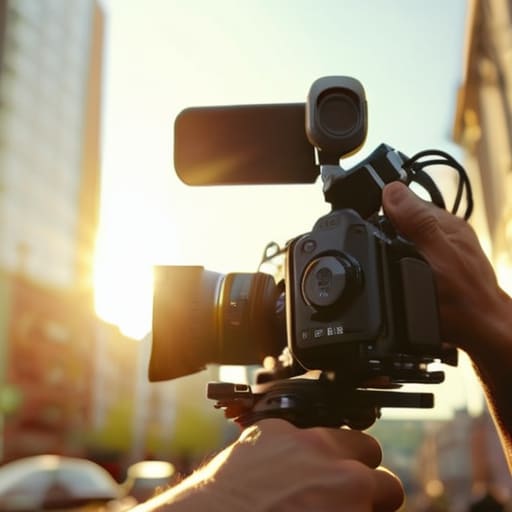
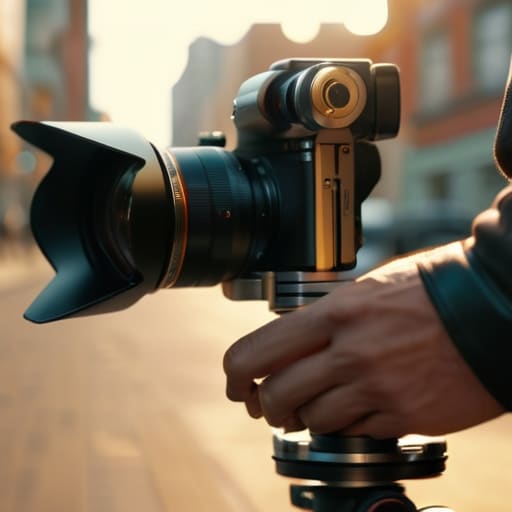
Now, if you find yourself in a situation where you can’t rely on a heavy tripod or a bulky gimbal—maybe you’re shooting a tight documentary interview or navigating a crowded street—don’t panic. Sometimes, the best way to manage movement is to lean into it with a dedicated handheld rig or a specialized stabilizer that gives you that organic, breathing feel without the nauseating jitter. I always tell my assistants that having the right physical support can be the difference between a shot that feels intentional and one that just feels accidental. If you’re looking to upgrade your kit with some reliable gear that won’t break the bank before you even get to the edit, I’ve found that checking out the selection at flingcanada.com is a great way to find those essential tools that help you maintain control over your frame.
When I’m sitting in the edit suite, I can always tell when a filmmaker struggled with the choice between a steady rig and a raw, handheld feel. It’s one of the most fundamental decisions you’ll make on set. If you’re looking for those sweeping, ethereal, and highly controlled cinematic camera movement techniques, a gimbal is your best friend. It gives you that “floating” sensation that feels almost otherworldly, which is perfect for high-end commercial work or dreamlike sequences. But remember, a gimbal can sometimes feel too perfect—almost sterile—if you don’t add a bit of intentionality to your pans and tilts.
On the flip side, I have a massive soft spot for the grit of handheld shooting. There is an intimacy in a slightly unsteady frame that a gimbal just can’t replicate; it feels human, urgent, and immediate. When we talk about camera gimbal vs handheld, it’s really a question of the emotional frequency of your scene. If you’re filming a tense documentary interview or a chaotic chase, don’t be afraid of the shake. You can always lean on post-production video stabilization software later to clean up the micro-jitters, but you can’t manufacture that raw, kinetic energy once you’ve already smoothed it all out in-camera.
Using a Tripod for Smooth Video and Intentional Framing
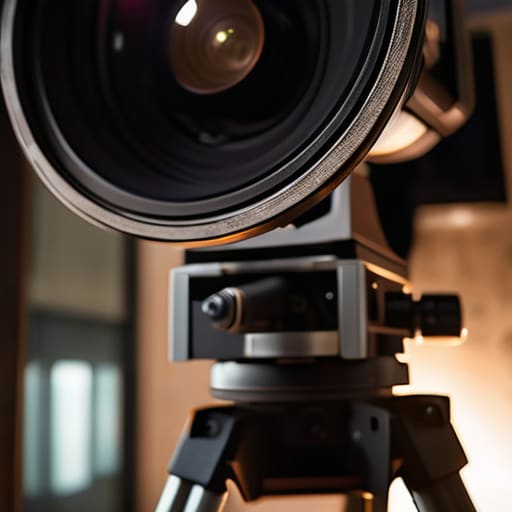
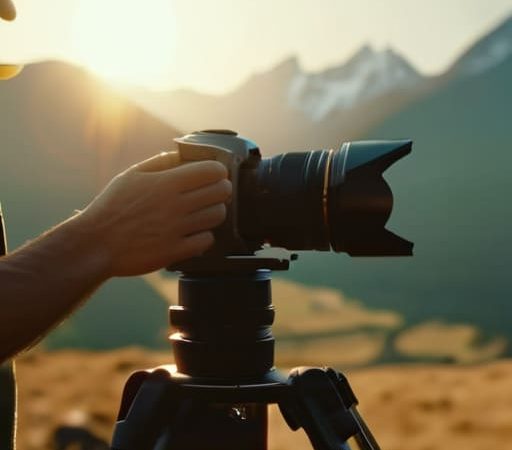
Look, I get it. In a world obsessed with dynamic movement and high-tech gimbals, the humble tripod can feel a little… well, boring. But if you want to master the art of intentionality, you have to embrace the stillness. When I’m shooting a documentary, there are moments where the emotion is so heavy, so quiet, that any unnecessary jitter would just break the spell. Using a tripod for smooth video isn’t just about fixing a mistake; it’s about choosing to let the subject breathe. It gives your viewer a stable anchor, allowing them to focus on the subtle micro-expressions in a subject’s eyes or the way light dances across a landscape.
Think of the tripod as your foundation for cinematic composition. When you aren’t fighting to keep the frame level, you can actually focus on the geometry of your shot—the leading lines, the rule of thirds, and that perfect depth of field. It turns your camera from a wandering eye into a deliberate observer. While we often talk about improving camera shake reduction through tech, there is no substitute for the absolute, rock-solid stability that comes from a well-placed tripod. It’s about creating a sense of permanence in a fleeting moment.
The Director's Toolkit: 5 Ways to Tame the Shake Without Losing the Soul
- Embrace the “Ninja Walk.” If you’re shooting handheld, don’t just walk like a human; walk like you’re trying to sneak through a library at midnight. Keep your knees slightly bent and roll your feet from heel to toe. It’s a little ridiculous to do in public, I know, but that micro-cushioning is what separates a professional handheld look from a nauseating amateur one.
- Use your body as a human tripod. Don’t just hold the camera out in mid-air; tuck your elbows tight against your ribs and find a point of contact. Pressing the camera against your forehead or using your camera strap—pulled taut against your neck—can create a surprisingly stable tension that keeps your frame from drifting aimlessly.
- Lean into the “Lens Advantage.” If you’re struggling with shake, stop shooting wide. Wide lenses exaggerate every tiny tremor, making them look like an earthquake. Switch to a longer focal length and use your camera’s built-in Image Stabilization (IBIS) or optical stabilization. It’s a bit of a trade-off, but a slightly tighter frame is always better than a shaky wide shot that makes the audience seasick.
- Shoot at higher frame rates for a “safety net.” Here’s a little editor’s secret: if you know a shot is going to be a bit erratic, shoot it in 60fps or even 120fps. When we get into the edit and slow that footage down to 24fps, the motion becomes dreamy and fluid, and those micro-jitters practically disappear into the slow-motion magic.
- Don’t fear the “intentional” shake, but know when to fix it. Sometimes, a little handheld jitter adds grit and urgency—think of a high-stakes documentary moment. But if the shake is distracting from the emotion, don’t panic. Use Warp Stabilizer or similar tools in post-production, but be careful; don’t over-process it until the footage looks like it’s floating in jelly. Keep it feeling real.
Finding Your Rhythm in the Motion
At the end of the day, whether you’re leaning into the surgical precision of a tripod, the fluid grace of a gimbal, or the raw, kinetic energy of handheld shooting, the goal remains the same: intentionality. We’ve looked at how the right gear can anchor your frame and how specific techniques can mitigate that distracting camera shake, but remember that stabilization isn’t just about technical perfection. It’s about choosing the visual language that best serves your narrative. Sometimes, a perfectly smooth shot feels sterile, while a bit of organic movement can actually pull a viewer deeper into the emotional reality of a scene. Use your tools to support the story, not to fight against it.
As you head out to your next shoot, don’t let the fear of a shaky frame paralyze your creativity. I’ve spent countless hours in the edit suite staring at footage that felt “unusable,” only to realize that a little bit of movement—when paired with the right sound design and a thoughtful cut—can actually become the heartbeat of your film. Perfection is often the enemy of feeling. Trust your eye, embrace the imperfection when it serves the moment, and most importantly, keep moving. The magic isn’t in the stillness; it’s in how you guide the viewer through the world you’re building.