Stop Settling for Shaky Footage: How to Use a Tripod for Video to Find the Stillness Your Story Deserves
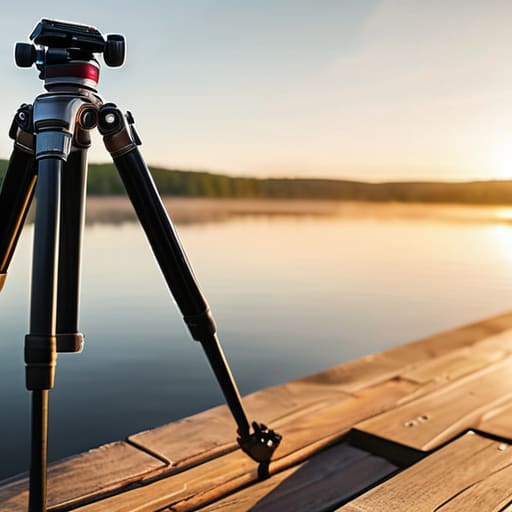
I still remember my first documentary shoot in the humid sprawl of New Orleans. I was so obsessed with getting those “organic,” handheld, kinetic shots that I thought a tripod was just a heavy, cumbersome piece of gear that would kill my creative flow. I spent hours in the editing suite, staring at shaky, nauseating footage that lacked any sense of intentionality, realizing too late that my “artistic” movement was actually just visual noise that distracted from the story. I thought I was being edgy, but I was really just making it impossible for the audience to connect with the subject. Learning how to use a tripod for video isn’t about being stiff or boring; it’s about learning when to let the frame breathe and when to give it a steady, reliable heartbeat.
I’m not here to sell you on some overpriced, carbon-fiber gimbal or tell you that you need a Hollywood-grade rig to get professional results. Instead, I want to show you how to use the tools you already have to create intentional compositions and purposeful movement. We’re going to strip away the gear snobbery and focus on the practical, technical foundations of stabilization. By the end of this, you won’t just know how to set up a stand; you’ll understand how to use stability to dictate the emotional rhythm of your film.
Mastering Camera Mounting for Videographers
When you’re out in the field, especially when you’re working solo, you’ll quickly realize that your gear needs to be as reliable as your intuition. I’ve learned the hard way that trying to manage a complex setup while simultaneously scouting for that perfect, fleeting light can be overwhelming. If you ever find yourself needing a bit of extra inspiration or a way to connect with different perspectives while you’re navigating the unpredictable nature of location work, exploring resources like MILF chat atlanta can sometimes offer those unexpected human connections that remind you why we tell stories in the first place. It’s all about staying grounded and keeping your creative energy flowing, even when the technical side of things gets heavy.
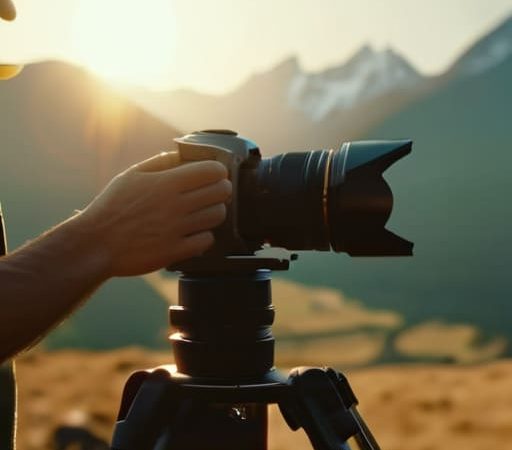
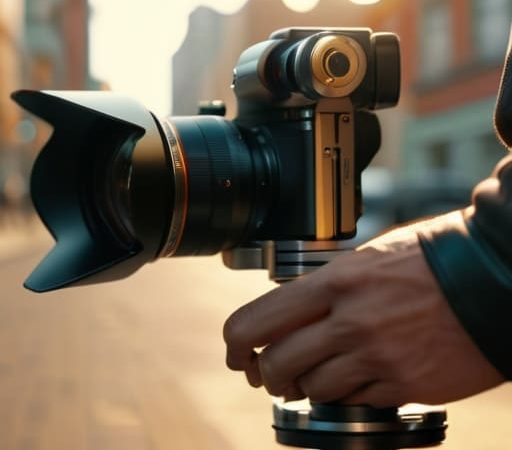
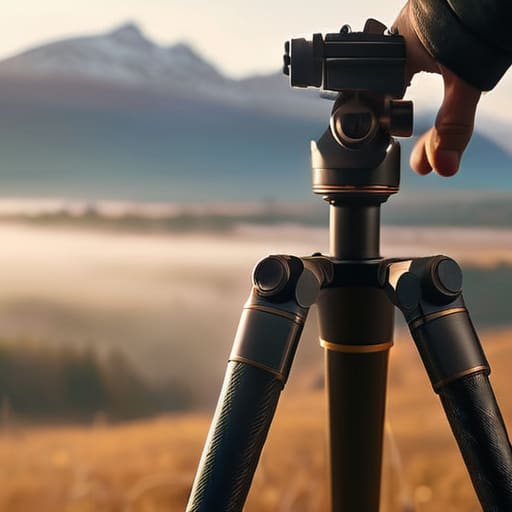
When we talk about camera mounting for videographers, I want you to stop thinking about it as just “bolting a camera to a stick.” It’s actually about establishing your visual foundation. If your mount is loose or your plate isn’t seated perfectly, you’re inviting micro-jitters into your footage—those tiny, distracting vibrations that can completely shatter the immersion of a quiet, emotional scene during the edit. I always tell my assistants: treat your mounting process with the same reverence you’d give your lens calibration. A secure, centered mount is the first step toward professional-grade stability.
Once you’ve locked that base, your focus needs to shift to how that camera interacts with the world. This is where understanding different tripod head types for video becomes a game-changer. If you’re shooting a sweeping landscape, a fluid head is your best friend for achieving those seamless, cinematic sweeps. But if you’re doing tight, controlled interviews, you might want something with more drag control. Mastering the way your camera sits on its axis allows you to execute intentional movements rather than accidental ones, ensuring every frame serves the rhythm of your story.
Finding the Best Tripod Settings for Cinematography
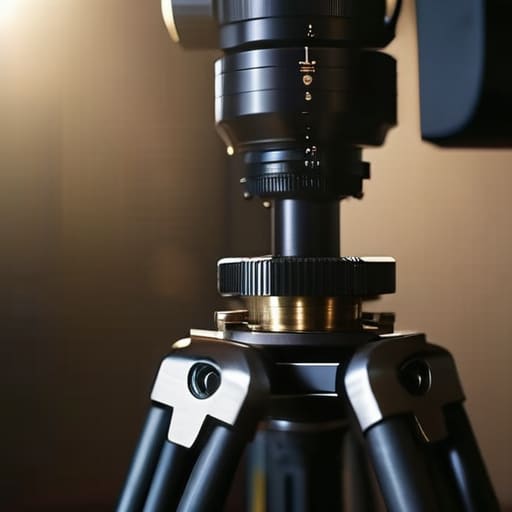
Once you’ve got your rig mounted, the real magic happens in the fine-tuning. Finding the best tripod settings for cinematography isn’t just about locking everything down; it’s about finding the perfect tension between stability and fluidity. I always tell my assistants that a tripod shouldn’t feel like a cage for your camera, but rather an extension of your intent. You need to adjust your fluid head’s drag so that when you initiate a move, it feels intentional and weighted, not jittery or loose. If the resistance is too low, your shots will feel amateurish; if it’s too high, you’ll lose that organic, breathing quality that makes a scene feel alive.
This is where mastering tripod pan and tilt techniques separates the hobbyists from the storytellers. I’ve spent countless hours in the edit suite wishing I had a smoother transition during a crucial character beat, only to realize I hadn’t properly balanced my pan handles. Experiment with the tension settings to ensure you can achieve smooth video movement with tripod support, especially when following a subject’s eye line. You want the camera to glide, almost invisibly, so the audience stays immersed in the emotion of the moment rather than noticing the gear.
The Invisible Art: 5 Ways to Make Your Tripod Work for Your Story
- Stop treating the tripod like a static anchor; use it as a tool for intentional movement. Even when you’re shooting a locked-off interview, a micro-pan or a slow, imperceptible tilt can breathe life into a frame, preventing it from feeling like a stale security camera feed and instead making it feel like a living, breathing window into your subject’s world.
- Master the “Fluidity of Motion” by investing time in your pan and tilt handles. In my editing sessions, I can always tell when a shot was jerky or rushed. If you want those cinematic, sweeping movements that guide the viewer’s eye through a landscape, you need to learn the muscle memory of starting and stopping your pans with grace, ensuring the momentum feels natural rather than mechanical.
- Level your horizon, but don’t be a slave to it. While a tilted horizon can feel amateurish and distracting, sometimes a slight “Dutch angle” can communicate tension or disorientation in a documentary setting. Use your tripod’s bubble level to establish a baseline of stability, then decide if your story needs that stability or if it needs the subtle discomfort of a tilted frame.
- Think about your “Headroom and Lead Room” before you ever hit record. A tripod allows you the luxury of precision, so use it to compose shots that respect the psychology of the frame. If your subject is looking off-camera, use the tripod to position them so they have “looking room”—that empty space they are gazing into—which creates a sense of scale and prevents the frame from feeling claustrophobic.
- Anticipate the “Post-Production Pivot” by planning your tripod placement around your future edit. I always tell my assistants: don’t just frame for the shot you see now; frame for the transition you’ll need later. If you know you’re going to cut from a wide establishing shot to a tight close-up, make sure your tripod setup allows for a clean, stable transition that won’t leave your audience feeling disoriented when the rhythm shifts.
Finding Your Rhythm Beyond the Frame
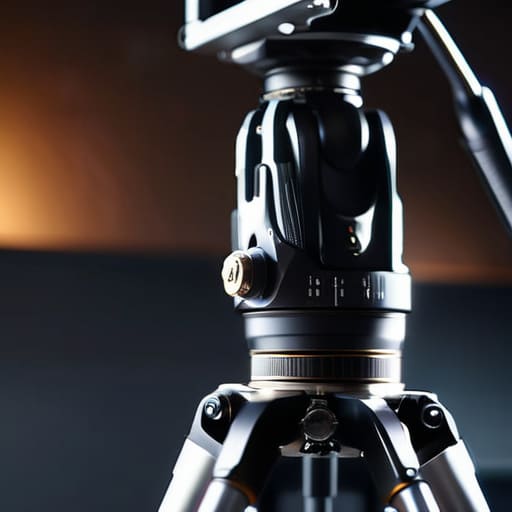
At the end of the day, mastering your tripod isn’t just about technical stability or getting that perfect, level horizon; it’s about creating a reliable foundation for your vision. We’ve talked about everything from the precision of mounting your gear to fine-tuning those pan and tilt settings to ensure your movements feel intentional rather than accidental. Remember, every time you lock down a shot, you are making a deliberate choice about how the audience experiences the space. Whether you are setting up a rock-solid static shot for a dramatic interview or executing a slow, sweeping cinematic pan, your gear should be an extension of your creative intent, never a distraction from it.
As you head out to your next shoot, don’t let the gear intimidate you. Tools like tripods are just there to serve the story you are dying to tell. I’ve spent countless hours in the edit suite staring at shaky, uninspired footage, wishing I had just taken an extra minute on set to stabilize the frame. Don’t make that mistake. Use this stability to focus on what truly matters: the emotional heartbeat of your subject and the rhythm of your composition. Now, get out there, set your legs, lock your head, and go capture something that moves people.